




Glycolic Acid, or hydroxyacetic acid, is a white crystalline solid that is easily solubilized in water to form a clear, odorless solution. Structurally, it is similar to acetic acid but with a hydroxylated methyl group, making it the smallest alpha-hydroxy acid (AHA). The term “lab grade” implies intermediate purity only; this product is not subject to the rigorous standards set for analytical or food grade reagents.
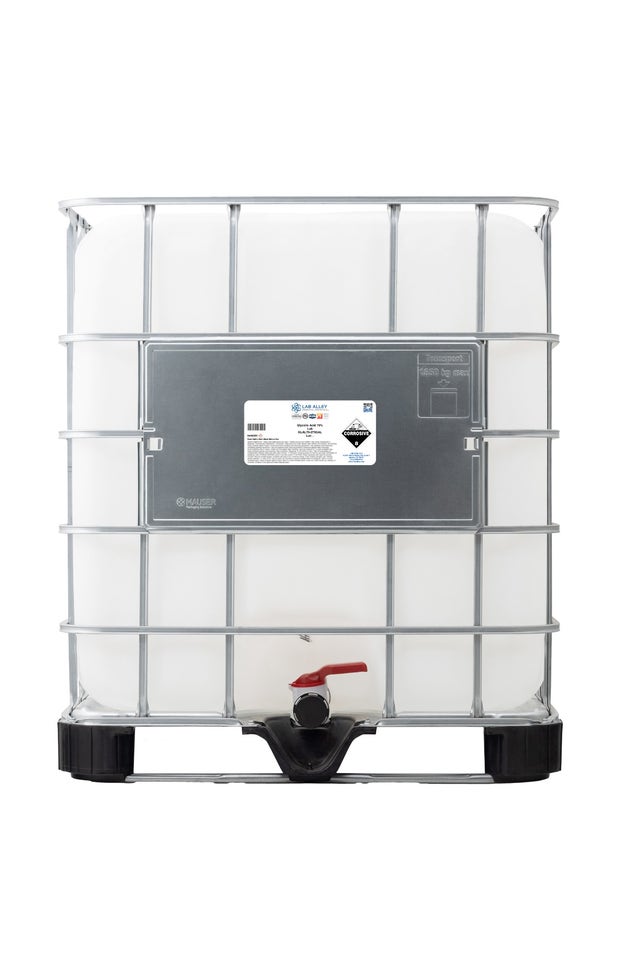
Glycolic Acid 70% Solution, Lab Grade is hydroxyacetic acid in liquid form, CAS 79-14-1, with an assay of 70 to 72 percent. In its pure state, glycolic acid is a white crystalline solid that dissolves easily in water and gives a clear, odorless solution. It’s the smallest alpha hydroxy acid, and its structure looks a lot like acetic acid with a hydroxylated methyl group. Lab Grade means intermediate purity. It isn’t held to the stricter standards set for analytical or food grade reagents, so it fits work where those standards aren’t required. You can open the Safety Data Sheet, Technical Data Sheet and Certificates of Analysis for this product on the page, along with the other statements listed under Product Manuals.
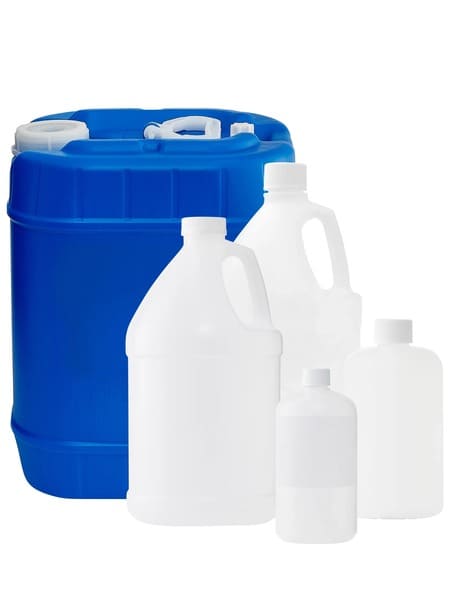
Glycolic acid shows up in adhesives, biodegradable polymers and personal care formulations, and it’s used as a cleaning agent for metals, including water wells and dairy equipment. Here’s the usual snag. You need the right grade, the right size and the paperwork to back it up, and not every supplier can handle all three. Lab Alley makes that simpler. Sizes run from a 500 mL bottle up to 275 gallons, the documents are available on this page, and hazmat handling is covered from start to finish. Choose your size, set up Autoship if you reorder, or request a quote for larger volumes. On budget, on time, every time. Request a quote and tell us what you need.
-
Personal care and cosmetic formulations
-
Adhesive production
-
Biodegradable polymer work
-
Cleaning agent for metals
-
Cleaning water wells
-
Cleaning dairy equipment
-
Leather processing
-
Q: What is Glycolic Acid 70% Solution used for?
A: It’s used in adhesives, biodegradable polymers, personal care formulations and as a cleaning agent for metals, including water wells and dairy equipment. Leather processing is another listed use.Q: What does Lab Grade mean, and is it suitable for adhesive or polymer work?
A: Lab Grade means intermediate purity. It isn’t held to the standards set for analytical or food grade reagents. If your adhesive or polymer process calls for a tighter standard, check the Technical Data Sheet and Certificates of Analysis first.Q: What concentration does this solution come in?
A: It’s a 70% solution with an assay of 70 to 72 percent, supplied as a liquid.Q: What sizes are available, and does it ship as hazmat?
A: Sizes include 500 mL, 1 L, 4 L, 1 gallon, 5 gallon, 55 gallon and 275 gallon, plus cases of 6 x 500 mL, 4 x 1 L, 4 x 1 gallon and 4 x 4 L. This page doesn’t list a DOT shipping line, so check the Safety Data Sheet or contact us before you order.Q: How do I get the SDS and Certificate of Analysis?
A: The Safety Data Sheet and Technical Data Sheet are listed under Product Manuals on this page, and the Certificates of Analysis have their own tab right next to it. You can also contact us to request any of them.Q: How should it be stored?
A: Follow the storage guidance in the Safety Data Sheet. Our post on the shelf life and expiration of glycolic acid is also worth a read.Q: Where can I read about the different types of glycolic acid?
A: Our Types of Glycolic Acid post is a good start. You can also browse the Glycolic Acid category to see what else we carry.
Product Information
| CAS | 79-14-1 |
|---|---|
| Synonyms | 2-Hydroxyacetic acid, Hydroxyacetic acid, Glycollic acid, Hydroxyethanoic acid |
| Assay | 70-72% |
| PubChem ID | 757 |
| Grade | Lab Grade |
| Color | Max 3 Gardner |
| Physical form | Liquid |
| Appearance | Colorless Liquid |
| Odor | Odorless |
| Melting point | 75 °C |
| Boiling Point | Decomposes |
| Density | 1.2500 - 1.2700 g/cm³ |
| Solubility | Fully Miscible in Water |
| Molecular formula | C2H4O3 |
| Molecular weight | 76.05 |
| Autoship Available | Yes |
| Chloride (Cl) | Max 10 ppm |
| Iron (Fe) | Max 10 ppm |
| Pillar | Essential |
| Sulfate (SO4) | Max 800 ppm |
| Water | 28-30% |