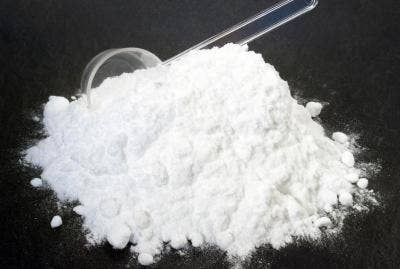






Mannitol Safety & Hazards
Mannitol is a sugar alcohol with no GHS hazard classification under most supplier safety data sheets, making it one of the lower-risk compounds handled in laboratory and production settings. Its primary hazard is mechanical and dust-related rather than chemical: the fine powder form carries a documented combustible dust risk even though the substance itself is non-flammable and exhibits very low toxicity.
Production and R&D personnel, procurement managers, and safety officers should be aware that the main exposure concerns involve dust generation during handling rather than acute chemical toxicity. Routine occupational exposure through inhalation, skin contact, or incidental ingestion poses minimal health risk, but dust accumulation during bulk handling introduces a fire and explosion consideration that requires its own precautions.
Regulatory oversight for mannitol is minimal. It falls under general particulate dust limits rather than a substance-specific exposure standard, and it holds USP/NF and food-grade status, supporting its use in pharmaceutical and food applications.
In this article, we'll explore:
-
Chemical Hazards Overview
-
Exposure Risks & Health Effects
-
First Aid Measures
-
Handling & Storage Precautions
-
Spill & Leak Procedures
-
Fire & Explosion Hazards
-
Regulatory & Compliance Information
-
Technical Documents & References
Chemical Hazards Overview
Mannitol presents a low overall hazard profile, with most commercial safety data sheets assigning it no GHS hazard categories for acute toxicity, irritation, or health effects.
-
GHS Hazard Pictograms: None required under standard classification.
-
NFPA Hazard Rating: Health: 1 / Flammability: 1 / Reactivity: 0, as listed on commercial SDS entries for the powder form.
-
Primary Risks: Mechanical irritation from dust exposure to the eyes and respiratory tract, with minimal toxicity via ingestion or skin contact.
Exposure Risks & Health Effects
Inhalation Risks
Mannitol is a non-volatile solid, so it does not generate meaningful vapor pressure or airborne concentration through evaporation. Exposure occurs through dust generated during handling, grinding, or transfer. Inhaling fine particulate can cause temporary irritation to the nose and throat, with symptoms typically resolving once exposure stops. No long-term respiratory effects are documented for routine occupational exposure to mannitol dust.
Skin Contact Risks
Direct skin contact with mannitol carries low irritation potential. The compound shows no significant dermal absorption, meaning it does not readily pass through intact skin to produce systemic effects. Prolonged or repeated contact in dusty environments may contribute to mild dryness, though this reflects general particulate exposure rather than a chemical-specific effect.
Eye Contact Risks
Eye contact with mannitol dust produces mechanical irritation from the particles themselves rather than any corrosive or chemical burn. Symptoms include redness, watering, and a gritty sensation. Prompt rinsing resolves irritation in most cases, and no lasting or corrosive damage is expected from typical exposure.
Ingestion Risks
Mannitol has very low acute oral toxicity, with an oral rat LD50 greater than 22,000 mg/kg, placing it among the least toxic substances handled in a laboratory setting. At large doses, mannitol can produce osmotic gastrointestinal effects such as diarrhea, a known property of sugar alcohols rather than a sign of toxic injury.
Chronic Effects
Mannitol is not classified as a carcinogen by IARC, ACGIH, or NTP. No documented chronic organ effects are associated with routine occupational exposure, and available data do not indicate a cumulative health hazard from repeated low-level contact.
First Aid Procedures


These measures apply regardless of the quantity or concentration involved, though more severe or prolonged symptoms warrant faster escalation to medical care. Anyone assisting an affected individual should use appropriate PPE to avoid secondary dust exposure. Contact a poison control center for guidance in cases involving large ingested amounts or persistent symptoms.
Handling & Storage Precautions
Handling mannitol safely centers on controlling dust rather than managing chemical reactivity.
-
Use dust minimization practices and local exhaust ventilation during transfer, weighing, or packaging operations.
-
Wear standard PPE, including gloves, safety glasses, and a dust mask, when handling powder.
-
Avoid generating dust clouds near ignition sources given the combustible dust hazard discussed in Fire & Explosion Hazards.
Storage conditions are straightforward: keep mannitol in a cool, dry, well-ventilated area in tightly closed containers, protected from moisture and direct sunlight. Moisture exposure can affect powder flow and handling characteristics, so container integrity matters as much as temperature control.
Incompatible substances are limited to strong oxidizing agents, which should be stored and handled separately from mannitol to avoid unwanted reactivity.
Spill & Leak Procedures
Responding to a mannitol spill follows the same dust-control logic as routine handling.
-
Avoid actions that generate airborne dust during cleanup.
-
Ventilate the area and don PPE, including a dust mask, gloves, and eye protection, before beginning containment.
-
Sweep or vacuum the material using dust-control equipment into a suitable, labeled container; avoid dry sweeping, which raises dust into the air.
Proper disposal is governed by standard waste handling practices rather than hazardous waste protocols. Mannitol is not classified as RCRA hazardous waste, so disposal should follow applicable local, state, and federal regulations. Wastewater disposal is acceptable in accordance with the requirements of the local treatment facility receiving the waste stream.
Fire & Explosion Hazards
Mannitol is not flammable as a bulk solid, but the fine powder or dust form can create a combustible dust cloud in air when dispersed near an ignition source. This distinction matters operationally: the material itself will not ignite under normal conditions, but accumulated dust in enclosed or poorly ventilated spaces presents a real explosion risk if an ignition source is introduced.
-
Extinguishing Media: Water spray, carbon dioxide, dry chemical, or foam.
-
Avoid extinguishing methods that disperse accumulated dust into the air, which can worsen a dust explosion scenario rather than contain it.
Firefighting personnel should use NIOSH-approved self-contained breathing apparatus when responding to incidents in enclosed spaces. Minimizing dust dispersal during response efforts reduces the risk of a secondary dust explosion beyond the initial incident.
Regulatory Information & Compliance
OSHA Regulations
Mannitol has no substance-specific permissible exposure limit. It falls under OSHA's Particulates Not Otherwise Regulated category per 29 CFR 1910.1000, Table Z-1, with limits of 15 mg/m³ for total dust and 5 mg/m³ for the respirable fraction.
EPA & Environmental Impact
Mannitol is not listed under CERCLA or SARA Title III, and it is not classified as a RCRA-listed hazardous waste. It is readily biodegradable and exhibits low aquatic toxicity, supporting its minimal environmental regulatory footprint.
FDA/USP/ACS Compliance
Mannitol is available in USP/NF, EP, and food-grade (GRAS) standards, supporting its use in both pharmaceutical and food applications.
Technical Documents & Resources
-
Safety Data Sheets are available for all grades and concentrations of mannitol, covering hazard identification, handling, storage, and first aid guidance.
-
Certificates of Analysis are available upon request and verify purity and compliance with applicable pharmacopeial grade standards.
-
No additional technical reports apply to this chemical.
Final Note
Mannitol's low-hazard profile makes it straightforward to handle compared to many laboratory and industrial chemicals, but its combustible dust characteristics in powder form still warrant dedicated precautions. Dust control during handling, appropriate storage conditions, and awareness of the fire and explosion risk associated with accumulated dust remain the key safety considerations for personnel working with this material.
Proper handling practices, from PPE use to ventilation during transfer operations, address the primary risks effectively given the compound's otherwise low toxicity and lack of GHS hazard classification. Procurement and safety teams can rely on consistent SDS and COA documentation to confirm grade-specific compliance for pharmaceutical, food, or industrial applications.
Explore our Resource Library for more information.
Our Customer Care team is also available for more information and documentation, including chemical Safety Data Sheets.
Need Mannitol You Can Trust?
If you are looking for high-quality mannitol for your lab, product line, or research facility, be sure to visit our store to explore our trusted selection and request a quote.
As your trusted partner in chemical supply, Lab Alley is always striving to meet the growing demands of our customers. We want you to be able to access all of your chemical needs in one place, along with streamlined online ordering and fast shipping.
Due to popular demand from our valued clientele, Lab Alley's mannitol is available in a range of purities and packaging options to suit various commercial, laboratory, and personal needs.