



Propylene Glycol Uses & Applications: Comprehensive Industry Guide
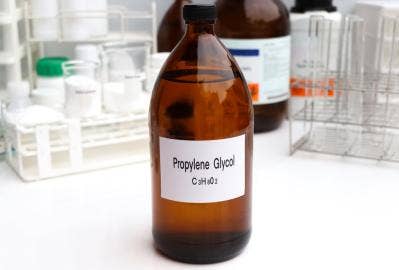
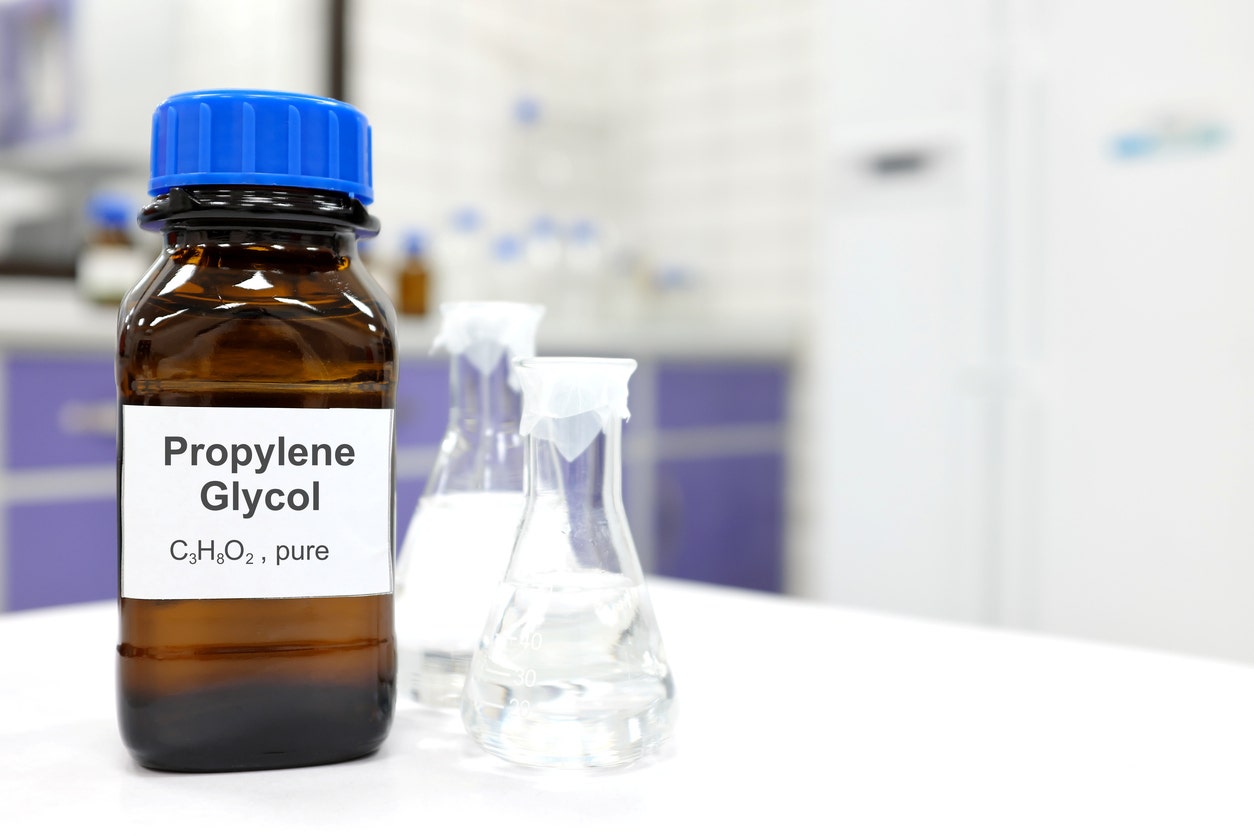
Propylene Glycol (1,2-propanediol, PG, C3H8O2) is among the most versatile synthetic compounds in commercial use. This colorless, viscous liquid, produced from propylene oxide, has earned widespread acceptance across industries thanks to its safety profile and regulatory approval for food, pharmaceutical, and cosmetic applications.
What distinguishes propylene glycol is its combination of properties. It's hygroscopic, attracting and retaining moisture, which makes it a valuable humectant. It's completely miscible with water, blending seamlessly into aqueous formulations. Its low volatility means it doesn't evaporate rapidly, providing stability in finished products, and it has antimicrobial preservation capabilities that help extend product shelf life.
Available in USP pharmaceutical grade, food-grade meeting FCC specifications, and industrial/technical-grade formulations, propylene glycol shows up in everything from life-saving medications to everyday consumer products. Pharmaceutical manufacturers use it as a drug solubilizer and vehicle. Food processors use it as a humectant and flavor carrier. Cosmetic formulators build it into skincare and hair care products. Industrial operations use it in antifreeze and heat transfer systems.
The FDA's GRAS (Generally Recognized as Safe) status for propylene glycol, combined with decades of safe use across sectors, has made it a trusted ingredient. That regulatory acceptance, plus technical performance and cost-effectiveness, is why it's so widely adopted.
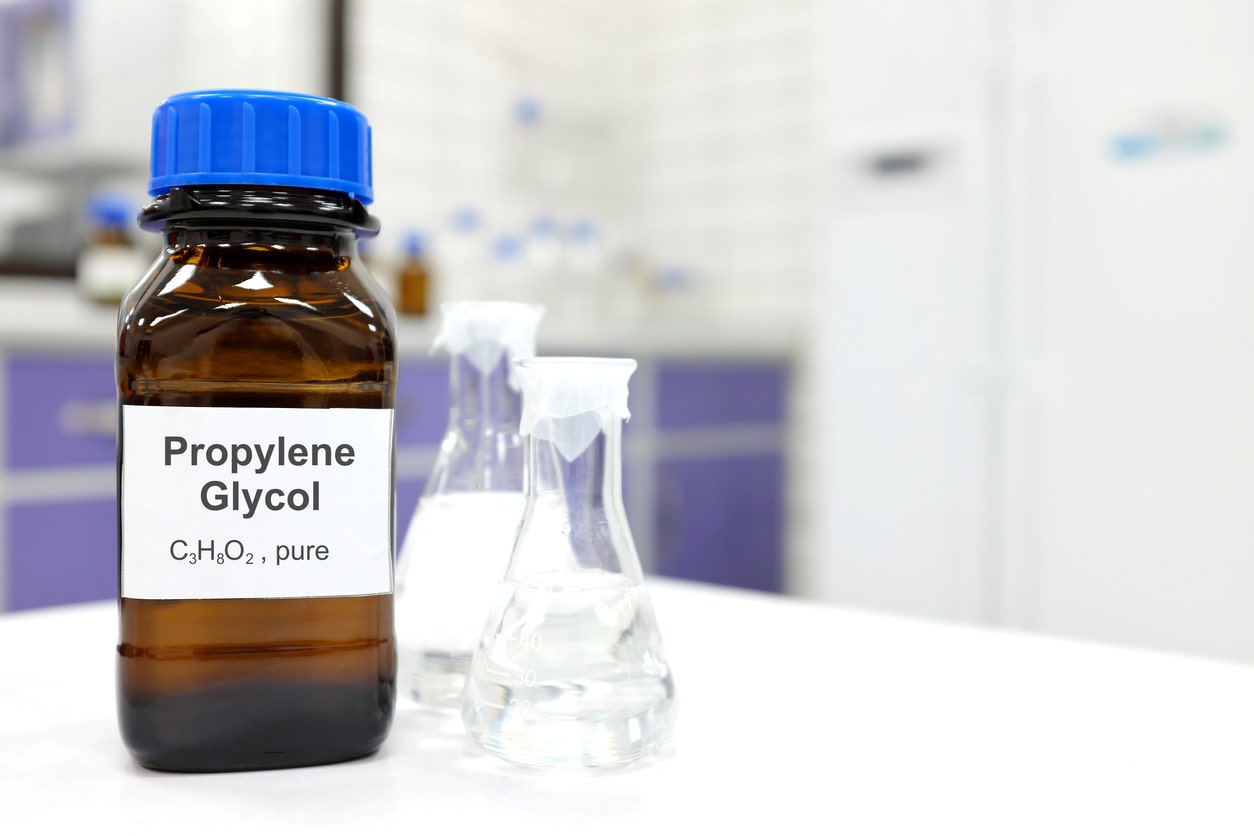
This guide explores how propylene glycol serves essential applications across:
-
Industrial Applications
-
Scientific & Laboratory Uses
-
Medical & Pharmaceutical Uses
-
Food & Beverage Industry
-
Personal Care & Cosmetics
-
Tobacco & E-Cigarette Applications
-
Agriculture & Animal Nutrition
-
Household & Consumer Uses
-
Environmental & Specialized Applications
Propylene Glycol vs. Ethylene Glycol: The Distinction That Actually Matters
This is worth settling early, because it's the question underneath most searches for "propylene glycol": no, it is not the same thing as the ethylene glycol found in most automotive antifreeze, and the difference is not a technicality.
Ethylene glycol (C2H6O2) is metabolized in the body first into glycolaldehyde, then glycolic acid, and eventually oxalic acid, which binds to calcium in the blood and forms calcium oxalate crystals in the kidneys. That's what causes the severe metabolic acidosis, kidney failure, and potential death associated with antifreeze poisoning, and it's why ethylene glycol antifreeze has a documented history of accidental and intentional poisonings in both humans and pets, its sweet taste makes it dangerously appealing to both.
Propylene glycol is a different molecule that metabolizes through a much more benign pathway, largely to lactic acid and pyruvate, both of which the body already handles routinely. That's the underlying reason it carries GRAS status for food, meets USP standards for injectable medication, and shows up in everything from asthma inhalers to salad dressing, while ethylene glycol carries no such approval and never will.
That said, "safer than ethylene glycol" doesn't mean "harmless in any quantity." Propylene glycol ingestion at high doses can still cause CNS depression, and in animals particularly, has specific documented health effects, which is exactly why the FDA specifically prohibits its use in cat food under 21 CFR 589.1001 (more on that below). The practical takeaway: propylene glycol's safety profile is well established within its approved uses and grades, but grade and application still matter. Industrial or technical grade propylene glycol is not the same purity as USP or food grade, and neither should be assumed interchangeable with ethylene glycol, a completely different chemical that happens to share part of its name.
Industrial Applications
Manufacturing sectors worldwide use propylene glycol for heat transfer, polymer production, deicing operations, and solvent applications. Its non-toxicity relative to alternatives such as ethylene glycol makes it valuable wherever human contact or environmental concerns influence material selection.
Antifreeze & Heat Transfer Fluids
Non-toxic antifreeze and coolant applications require food-grade or low-toxicity formulations for RV systems, winterization, and food processing equipment. Propylene glycol provides freeze protection and heat transfer without the severe toxicity risks of ethylene glycol-based products, a critical safety advantage anywhere accidental ingestion could occur or food contamination must be prevented. Closed-loop heating and cooling systems benefit from its thermal stability and corrosion resistance when properly inhibited.
Polymer & Plastics Production
Propylene glycol is a raw material in unsaturated polyester resins, alkyd resins, and polyurethane polymers, supporting fiberglass production, protective coatings, and composite manufacturing. Its reactive hydroxyl groups make it a useful building block for larger polymer molecules.
Deicing & Aircraft Applications
Aircraft and runway deicing fluids use propylene glycol to depress the freezing point, with a lower environmental footprint than ethylene glycol alternatives, relevant since airports apply these deicers to runways, taxiways, and aircraft surfaces during winter conditions, and runoff biodegradability matters.
Industrial Solvents
Paints, coatings, printing inks, lacquers, and industrial cleaning formulations use propylene glycol's solvency without the vapor hazards or worker-safety concerns of more hazardous solvents.
Hydraulic & Brake Fluids
Less common than in antifreeze, but propylene glycol shows up in specialized hydraulic systems where reduced toxicity is a priority alongside performance.
Scientific & Laboratory Uses
Research facilities use propylene glycol for specimen preservation and analytical work, supported by its availability in high-purity grades.
Cryoprotectant Agent
Cryopreservation of biological samples, cell cultures, tissues, and specimens requires freeze protection to prevent ice-crystal damage. Propylene glycol penetrates cells and tissues, protecting them through freezing and thawing cycles essential to long-term biological sample storage, work that biobanks and research repositories depend on for millions of preserved specimens.
Laboratory Solvent
A general-purpose solvent for dissolving compounds, preparing samples, and running extractions, valued for being less toxic than many alternatives with comparable solvency.
Chromatography Applications
Used as a mobile-phase component in liquid chromatography and analytical testing when its specific properties improve separation or detection.
Reagent & Standard
High-purity propylene glycol with documented specifications supports quality control testing and method development where consistent, known properties matter.
Medical & Pharmaceutical Uses
Healthcare applications require pharmaceutical-grade propylene glycol meeting USP specifications, where it plays real roles in formulation and drug delivery.
Pharmaceutical Excipient
Used as a solvent and vehicle in oral, topical, and injectable formulations, syrups, elixirs, capsules, IV medications, dissolving active ingredients that don't dissolve adequately in water alone. Its long history of pharmaceutical use has built an extensive safety record supporting continued use.
Drug Solubilization
Many therapeutic compounds have limited water solubility, and propylene glycol as a cosolvent improves bioavailability and formulation stability for medications that wouldn't otherwise be feasible.
Topical Medications
In creams, ointments, lotions, and dermatological preparations, propylene glycol serves double duty as both solvent and skin-penetration enhancer, while its humectant properties add moisturizing benefit.
Intravenous Formulations
Some drugs, including lorazepam, diazepam, and phenytoin, require propylene glycol as a co-solvent to achieve adequate solubility for injectable delivery, formulations hospital pharmacies rely on for serious medical conditions.
Respiratory Medications
Nebulizer solutions, inhalers, and respiratory therapy formulations often need specific solvents and carriers that propylene glycol effectively provides.
Food & Beverage Industry
Food sector applications leverage propylene glycol's GRAS status and functional properties. The compound designated as E1520 serves multiple purposes in food processing and formulation.
Food Additive (E1520)
GRAS-status humectants, solvents, and preservatives used in processed foods, baked goods, dairy products, and beverages provide moisture retention and antimicrobial benefits. Food manufacturers incorporate propylene glycol to maintain product quality and extend shelf life.
Regulatory approval as a GRAS substance indicates that extensive safety evaluation supports its use in food. This established safety record enables widespread application across food categories.
Flavor & Color Carrier
Solvent applications for food flavors, colors, and extracts provide uniform distribution and stability throughout food products. Concentrated flavoring compounds dissolve in propylene glycol, creating solutions that disperse evenly when added to foods.
Flavor houses supply food manufacturers with propylene glycol-based flavor systems that deliver consistent taste profiles. The compound's ability to carry both water-soluble and oil-soluble flavoring components makes it particularly versatile.
Moisture Retention
Humectant applications in baked goods, confections, and processed foods prevent drying and maintain desirable texture. Products stay moist and fresh longer when formulated with appropriate humectants.
Bakery operations use propylene glycol to extend product shelf life and maintain eating quality. The compound helps prevent staling and texture degradation during distribution and storage.
Beverage Formulations
Stabilizer and carrier applications in flavored beverages, drink mixes, and liquid beverage concentrates ensure consistent product performance. Beverage formulators rely on propylene glycol to maintain the solubility of flavor components and prevent separation.
Frozen Food Applications
Cryoprotectant applications in frozen foods and ice cream prevent ice crystal formation and texture degradation. Propylene glycol lowers the freezing point and modifies ice crystal growth, thereby improving frozen product quality.
Ice cream manufacturers use propylene glycol to achieve a smooth, creamy texture free of large ice crystals. Similar benefits apply to other frozen desserts and foods.
Personal Care & Cosmetics
Beauty and personal care formulations incorporate propylene glycol for its humectant properties, solvent capabilities, and penetration-enhancing effects. The compound is present in virtually all cosmetic product categories.
Skincare Formulations
Humectant and penetration enhancer applications in moisturizers, serums, lotions, and anti-aging products attract moisture to the skin and facilitate effective penetration of active ingredients. Cosmetic chemists value propylene glycol's ability to enhance both hydration and the delivery of ingredients.
Premium skincare formulations balance propylene glycol with other humectants and emollients to achieve optimal moisture retention without tackiness. The compound contributes to the smooth feel consumers expect from quality skincare.
Hair Care Products
Conditioning agents and solvents in shampoos, conditioners, hair styling products, and scalp treatments enhance product performance and feel. Hair care formulators use propylene glycol to dissolve ingredients and enhance conditioning effects.
Deodorants & Antiperspirants
Solvent and delivery agent applications in stick, roll-on, and spray deodorant formulations enable effective delivery of the active ingredient. Deodorant products require solvents that dissolve both fragrance and antimicrobial ingredients while maintaining appropriate consistency.
Cosmetic Products
Viscosity modifiers and solvents in makeup, foundations, mascaras, and color cosmetics help achieve desired product textures and performance. Color cosmetic formulations demand ingredients that support smooth application and even color distribution.
Fragrance Products
Carrier applications for perfumes, colognes, and fragrance formulations enable even application and controlled evaporation. Fragrance industry formulations use propylene glycol to dilute concentrated perfume oils and adjust evaporation characteristics.
Tobacco & E-Cigarette Applications
Electronic cigarettes and vaping products have created substantial demand for pharmaceutical-grade propylene glycol. This application sector represents significant recent market growth.
E-Liquid & Vaping Products
Primary carrier fluid applications in electronic cigarette liquids and vaping formulations deliver nicotine and flavoring compounds. E-liquid typically contains propylene glycol combined with vegetable glycerin in various ratios that affect vapor production and throat sensation.
Vaping product manufacturers require pharmaceutical-grade propylene glycol to ensure product safety and quality. This application demands high purity with minimal impurities.
Aerosol Generation
Vapor aerosol production in e-cigarettes when heated simulates traditional smoking experiences. Propylene glycol vaporizes at temperatures reached in e-cigarette devices, creating visible clouds that mimic tobacco smoke.
The compound's vapor properties make it technically suitable for this application, although the health effects of inhaling vaporized propylene glycol remain the subject of ongoing research and debate.
Tobacco Humectant
Moisture-retaining applications in tobacco products maintain product consistency and prevent excessive drying. Traditional tobacco products have used propylene glycol for decades to control moisture content.
Agriculture & Animal Nutrition
Agricultural and livestock applications utilize propylene glycol's energy value and carrier properties. The compound serves important functions in animal nutrition and veterinary medicine.
Animal Feed Additive
Energy supplements and carriers for vitamins and medications in livestock feed, particularly for dairy cattle and ruminants, provide readily metabolizable energy. Dairy operations routinely supplement high-producing cows with propylene glycol to prevent metabolic disorders.
Important Note: FDA regulations permit propylene glycol in most animal feeds but explicitly prohibit its use in cat food under 21 CFR § 589.1001. This prohibition stems from adverse effects observed in felines.
Ketosis Prevention
Gluconeogenic precursor applications prevent ketosis in dairy cows during high-production periods when energy demands exceed intake. Propylene glycol is converted to glucose in the liver, thereby addressing the negative energy balance that causes ketosis.
Veterinarians and dairy nutritionists recommend propylene glycol supplementation during critical production phases. This intervention reduces the incidence of metabolic disease and improves herd health.
Veterinary Medications
Vehicle applications for oral and topical veterinary pharmaceutical formulations serve functions similar to those in human medicine. Animal health products use propylene glycol to solubilize active ingredients and create palatable oral medications.
Agricultural Pesticides
Carrier and solvent applications in pesticide formulations, adjuvants, and agricultural chemical products improve product performance and application characteristics. Agricultural chemical manufacturers formulate products with propylene glycol when its properties benefit product efficacy or handling.
Household & Consumer Uses
Consumer products throughout the home contain propylene glycol, serving various functional roles. The compound's safety profile supports its inclusion in products used in households with families and pets.
Cleaning Products
Ingredient applications in household cleaners, window cleaners, and multi-surface cleaning formulations provide solvency and depress the freezing point. Cleaning product formulators include propylene glycol to improve cleaning performance and prevent freezing during storage or shipping.
Air Fresheners
Carrier applications for fragrances in aerosol and plug-in air freshener products deliver scent compounds effectively. Air care products use propylene glycol to solubilize fragrances and control release rates.
Automotive Products
Component applications in windshield washer fluids, coolants, and automotive care products provide freeze protection and cleaning benefits. Consumer automotive products frequently contain propylene glycol as a safer alternative to more toxic compounds.
Pet Products
Humectant applications in dog foods, treats, and semi-moist pet food formulations maintain moisture and texture. Pet food manufacturers use propylene glycol in canine products for similar reasons as in human foods.
Critical Warning: Propylene glycol is NOT approved for cat food per FDA regulation 21 CFR § 589.1001 due to adverse health effects in cats. This prohibition is absolute and applies to all feline food products.
Environmental & Specialized Applications
Specialized uses across the entertainment, cleaning, construction, and environmental sectors demonstrate the versatility of propylene glycol beyond traditional applications.
Smoke & Fog Machines
Primary fluid applications in theatrical fog and smoke machines for the entertainment and special effects industries create atmospheric effects. Concert venues, theaters, and haunted attractions use propylene glycol-based fog fluids that vaporize to produce dense, visible fog.
The compound's ability to generate fog safely in occupied spaces has made it the standard for entertainment-industry fog effects. Alternatives often present greater health or fire safety concerns.
Liquid Laundry Detergents
The use of solvents and stabilizers in concentrated liquid laundry detergent formulations prevents ingredient separation and freezing. Modern concentrated detergents require solvents that maintain stability across temperature ranges encountered during storage and shipping.
Concrete Admixtures
Freezing-point depressants in concrete and cement enable concrete placement in cold-weather conditions. Construction projects in cold climates use propylene glycol-based admixtures to prevent freeze damage in fresh concrete.
Biodegradable Deicers
Environmentally friendly alternatives to traditional deicing salts for pavement and runway deicing reduce environmental impact. Propylene glycol-based deicers biodegrade and are less toxic to aquatic life than road salts.
Propylene Glycol Grade Specifications
Understanding the quality grades of propylene glycol helps users select the optimal specification for their application. Grade selection directly impacts regulatory compliance, product safety, and performance.
USP/NF Pharmaceutical Grade
Meets United States Pharmacopeia and National Formulary monograph specifications at ≥99.5% purity. Required for pharmaceutical manufacturing, drug formulations, injectable medications, and any direct patient-contact application, with rigorous testing for specific impurities, heavy metals, and residual solvents.
Food Grade (FCC)
Meets the Food Chemicals Codex specifications for use as a food additive (E1520). GRAS (Generally Recognized as Safe) status granted by the FDA supports food applications. Used in food processing, beverage formulations, flavor systems, and any application requiring food-contact compliance.
Kosher & Halal Certified
Pharmaceutical- or food-grade propylene glycol that meets religious dietary certification requirements. Available for food, pharmaceutical, and personal care applications requiring kosher or halal compliance documentation.
Industrial/Technical Grade
High-purity propylene glycol, typically 99% or higher, for non-food, non-pharmaceutical applications, including antifreeze, heat-transfer fluids, industrial solvents, and manufacturing processes where USP or food-grade specifications are not required. Offers cost advantages when pharmaceutical- or food-grade specifications are not required.
Inhibited Grades
Propylene glycol with corrosion-inhibitor packages for use in closed-loop heat-transfer systems, HVAC applications, and industrial cooling systems requiring extended equipment protection. Inhibitor packages protect against corrosion, scale formation, and biological growth in heat transfer systems.
Propylene Glycol Grades and Pack Sizes
Seeking a reliable source of high-quality propylene glycol? Lab Alley supplies superior PG solutions across pharmaceutical, food, cosmetic, and industrial applications. Each batch undergoes rigorous testing to confirm purity and meet strict quality standards.
Available Grades & Formulations
Lab Alley provides propylene glycol in multiple specifications:
Grade Specifications:
-
USP/NF Pharmaceutical Grade: Meets United States Pharmacopeia monograph requirements with ≥99.5% purity for pharmaceutical manufacturing, drug formulations, and medical applications with complete compliance documentation
-
FCC Food Grade: Meets Food Chemicals Codex specifications with GRAS affirmation (21 CFR § 184.1666) for food processing and beverage applications
-
Industrial/Technical Grade: High-purity material (typically 99%+) for antifreeze, heat transfer fluids, industrial solvents, and manufacturing applications
-
Inhibited Formulations: Propylene glycol with corrosion inhibitor packages for heat transfer and HVAC applications
Available with certifications including USP monograph compliance, FCC specifications, kosher certification, halal certification, and non-GMO verification across food and pharmaceutical grades.
Pack Sizes & Industrial Availability
Lab Alley offers propylene glycol in various container sizes:
-
Laboratory containers (500mL, 1L, 4L, 5L) for research and development applications
-
Commercial packaging (1 gallon, 5 gallon pails, 55 gallon drums) for moderate production operations
-
Bulk industrial quantities (275-gallon totes, tanker loads, railcar quantities) for large-scale manufacturing
All products are packaged in food-grade and pharmaceutical-grade containers with proper sealing, moisture protection, and material compatibility for long-term storage stability.
Quality & Compliance
Lab Alley's propylene glycol products feature:
-
USP/NF certificates available for pharmaceutical and medical applications
-
FCC specifications and GRAS affirmation for food and beverage use
-
Kosher and Halal certifications available on select grades
-
Certificate of Analysis (COA) including assay, specific gravity, water content, color, acidity, and heavy metals testing
-
NSF certification available for heat transfer fluid applications
Regulatory Information
Important regulatory considerations for propylene glycol use:
-
FDA GRAS Status: Approved for food use as GRAS substance (21 CFR § 184.1666)
-
Pharmaceutical Approval: FDA approved as a pharmaceutical excipient in drug formulations
-
Food Processing: EPA registered for use in food processing facilities and equipment
-
Cosmetic Safety: Safe for use in cosmetics per FDA and international regulations
-
Critical Prohibition: NOT approved for use in cat food (21 CFR § 589.1001) due to adverse feline health effects
-
Application Limits: Maximum levels vary by application - consult applicable regulations for specific uses
Important Note: Propylene glycol is generally recognized as safe for its intended uses in food, pharmaceuticals, and cosmetics. Select the appropriate grade (USP, food grade, or industrial) based on your specific application requirements and regulatory compliance needs. For pharmaceutical and food applications, always use grades meeting applicable USP or FCC specifications.
FAQs
Is propylene glycol safe to ingest?
Yes, within its FDA-approved uses. Propylene glycol is GRAS (21 CFR 184.1666) for food use and meets USP standards as a pharmaceutical excipient in oral, topical, and injectable medications. Food or pharmaceutical grade is what carries that approval; industrial or technical grade propylene glycol is not intended for ingestion.
Is propylene glycol the same thing as antifreeze?
Not the toxic kind. Traditional automotive antifreeze is typically ethylene glycol, a different, considerably more toxic compound that metabolizes into oxalic acid and can cause kidney failure. Propylene glycol is used in "non-toxic" or "pet-safe" antifreeze formulations specifically because it doesn't share that toxic metabolic pathway, but it's still not something to drink deliberately or leave accessible to children or pets.
Can I substitute propylene glycol for ethylene glycol, or the reverse?
No. They're chemically distinct compounds with very different toxicity profiles, and swapping one for the other in any formulation, industrial system, or use case is not a safe or valid substitution regardless of how similar the names sound.
Is propylene glycol safe for pets?
Generally yes for dogs at the concentrations used in pet food, but it is never approved for cat food under any circumstance (21 CFR 589.1001), due to documented feline-specific health effects. That's a species-specific prohibition, not a dosing guideline.
Final Note
Propylene glycol's exceptional versatility across pharmaceutical formulations, food processing, cosmetic products, industrial manufacturing, and specialized applications establishes it as an indispensable compound in modern commerce.
From enabling life-saving medications to preserving food quality, from moisturizing skin to protecting industrial systems, this synthetic diol delivers reliable performance backed by decades of safe use and extensive regulatory approval.
For businesses requiring high-quality propylene glycol, Lab Alley's expertise in grade specifications and regulatory compliance ensures a reliable supply while maintaining the purity and quality standards essential for diverse applications.
For more detailed guidance, explore our Resource Library.
Our Customer Care team is also available for more information and documentation, including chemical Safety Data Sheets.
Need Propylene Glycol You Can Trust?
If you are looking for high-quality propylene glycol for your lab, product line, or research facility, be sure to visit our store to explore our trusted selection and request a quote.
As your trusted partner in chemical supply, Lab Alley is always striving to meet the growing demands of our customers. We want you to be able to access all of your chemical needs in one place, along with streamlined online ordering and fast shipping.
Due to popular demand from our valued clientele, Lab Alley's propylene glycol is available in a range of purities and packaging options to suit various commercial, laboratory, and personal needs.