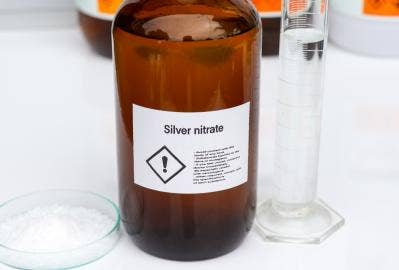






Shelf Life & Expiration of Silver Nitrate
Silver nitrate is one of the more chemically stable reagents used in laboratory and industrial settings, but its longevity depends almost entirely on how it is handled after manufacture rather than on time alone. As a heavy metal salt, the compound itself does not break down through simple aging; instead, degradation is driven by light exposure, heat, and contact with incompatible materials.
The two factors that most affect how long a given supply of silver nitrate remains usable are packaging and storage environment. Light exposure triggers photoreduction of the silver ion to metallic silver, while contact with metal, rubber, or organic residues accelerates breakdown through unwanted redox reactions. Solid silver nitrate is far more forgiving than silver nitrate in solution, which is more susceptible to concentration drift and gradual loss of analytical accuracy over time.
This article covers:
-
How Long Does Silver Nitrate Last?
-
Signs That Silver Nitrate Has Expired or Degraded
-
What to Do If Silver Nitrate Is Expired
-
Proper Storage Extends Shelf Life
How Long Does Silver Nitrate Last?
Chemical Stability
Solid silver nitrate has an indefinite shelf life when stored under proper conditions, since it does not degrade through simple aging the way organic compounds do. Degradation instead occurs through photoreduction, where exposure to light or heat converts the silver ion (Ag⁺) to elemental silver, accompanied by the release of nitrogen oxides. This reaction is the primary driver of quality loss in both solid and dissolved forms.
Purity & Packaging
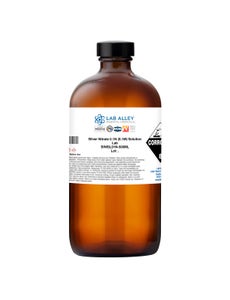
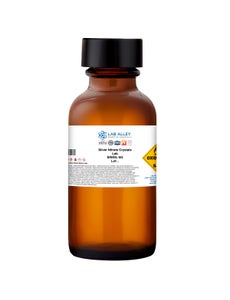
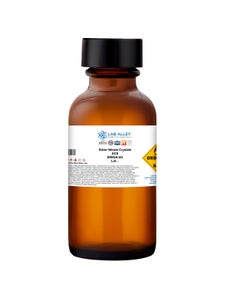
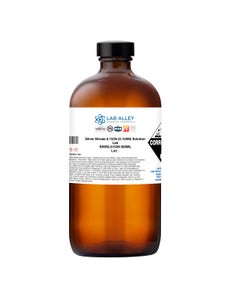
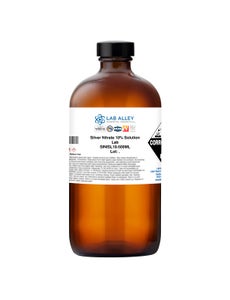
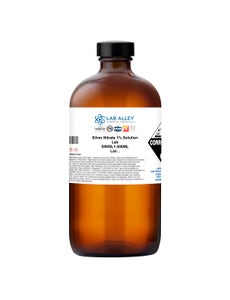
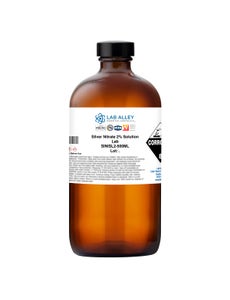
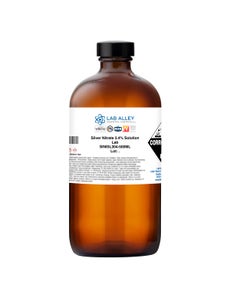
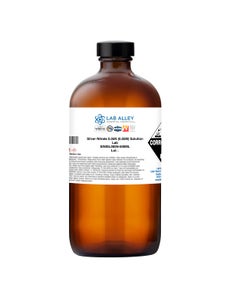
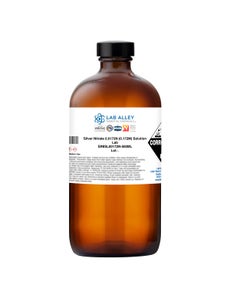
ACS reagent grade and other high-purity grades of silver nitrate tend to remain stable longer than lower-purity industrial grades, since fewer contaminants are present to catalyze decomposition. Packaging material plays an equally significant role: silver nitrate must be stored in amber glass containers, since metal and rubber both react with or reduce the compound on contact, compromising both the product and the container.
Storage Conditions
Silver nitrate should be stored at room temperature, between 59°F and 77°F (15°C to 25°C), in a location shielded from light and moisture. Consistent, dark, cool conditions are what allow a given lot to approach its maximum practical shelf life, while fluctuating temperatures or incidental light exposure shorten it considerably.


Signs That Silver Nitrate Has Expired or Degraded
-
Color Change: Gray, brown, or black discoloration in solid silver nitrate or its solutions indicates that Ag⁺ has been photoreduced to elemental silver. A yellow tinge can signal an earlier stage of the same decomposition process.
-
Precipitation or Crystallization: The appearance of dark gray or black particulates in a silver nitrate solution reflects reduced silver metal forming out of solution, not benign recrystallization, and should be treated as a clear sign of degradation.
-
Concentration Changes: Solutions can drift in concentration over time, particularly when containers are opened repeatedly or sealed improperly, which directly affects the accuracy of titrations and staining procedures relying on a known concentration.
-
Reduced Effectiveness: Degraded silver nitrate produces inconsistent histological staining, inaccurate volumetric titration endpoints, or diminished antimicrobial activity, depending on the application in use.
What to Do If Silver Nitrate Is Expired
Check Manufacturer Guidelines
Solid silver nitrate is often assigned a retest date rather than a fixed expiration date, reflecting its long-term stability when properly stored. Before continued use of older stock, confirm the current Certificate of Analysis and, where possible, verify purity through assay rather than relying on visual inspection or the original manufacture date alone.
Follow Proper Disposal Procedures
Silver nitrate is classified as a hazardous waste due to its silver content and must be disposed of through a licensed hazardous waste contractor. It should never be poured down a drain or discarded with general laboratory waste, since silver compounds are subject to discharge restrictions tied to their environmental toxicity.
Replace with Fresh Stock
Applications such as histological staining, volumetric analysis, and antimicrobial formulation depend on a precisely known concentration and purity. Degraded silver nitrate introduces an error that can compromise diagnostic results, titration accuracy, or treatment efficacy, making timely replacement with verified fresh stock the safer choice once degradation is suspected.
Proper Storage Extends Shelf Life
-
Container Requirements: Silver nitrate should be stored in amber glass with a tight-fitting stopper. Metal, rubber, and other organic container materials are unsuitable, since they react with or reduce the compound on contact.
-
Temperature Control: A storage range of 15°C to 25°C is recommended. Elevated temperatures accelerate decomposition, while freezing offers no benefit and can instead promote unwanted recrystallization.
-
Light & Heat Protection: Silver nitrate is highly sensitive to both UV and visible light, so containers should be kept opaque or amber and positioned away from windows, direct sunlight, and other heat sources.
-
Humidity Control: Solid silver nitrate is hygroscopic under high-humidity conditions, so containers should remain tightly sealed at all times to prevent moisture from accelerating surface decomposition.
-
Evaporation Prevention: Solutions must stay tightly sealed to avoid evaporation, which raises the effective concentration over time and introduces inaccuracy into any application that depends on a known, stable concentration.
Conclusion
Silver nitrate is fundamentally a stable compound, and properly stored solid material can remain usable indefinitely without meaningful loss of purity. The greater risk comes from light exposure, incompatible container materials, and the gradual concentration drift that affects solutions more than solids.
Maintaining amber glass packaging, cool and dark storage conditions, and a tightly sealed container is the most reliable way to preserve both stability and accuracy over time. When visible degradation appears or a retest confirms reduced purity, replacing the stock promptly protects the integrity of staining, titration, and antimicrobial work that depends on it.
For more detailed guidance, explore our Resource Library for comprehensive storage and handling information.
Our Customer Care team is also available for more information and documentation, including chemical Safety Data Sheets.
Need Silver Nitrate You Can Trust?
If you are looking for high-quality silver nitrate for your lab, product line, or research facility, be sure to visit our store to explore our trusted selection and request a quote.
As your trusted partner in chemical supply, Lab Alley is always striving to meet the growing demands of our customers. We want you to be able to access all of your chemical needs in one place, along with streamlined online ordering and fast shipping.
Due to popular demand from our valued clientele, Lab Alley's silver nitrate is available in a range of purities and packaging options to suit various commercial, laboratory, and personal needs.