




How to Treat Silver Nitrate
Silver nitrate is one of the more reactive salts handled in laboratory and industrial settings, and spent solutions cannot simply be poured down the drain. The compound dissociates readily in water, releasing silver ions that are toxic to aquatic organisms even at trace concentrations and are classified as a hazardous metal under federal waste regulations. Treatment focuses on pulling that silver out of solution, either through precipitation or recovery, rather than adjusting pH as would be done with an acid or base.
This treatment requirement comes up most often in photographic processing, electroplating, medical and dental applications, and analytical chemistry labs that use silver nitrate for titrations or precipitation reactions. Any facility generating silver-bearing waste streams needs a defined process for getting that silver out before discharge, both to meet pretreatment standards and to avoid contaminating wastewater systems.


In this article, we'll explore:
-
Why Treat Silver Nitrate?
-
How to Treat Silver Nitrate
-
Safety Precautions During Treatment
-
Special Considerations
Why Treat Silver Nitrate?
Safety & Spill Response
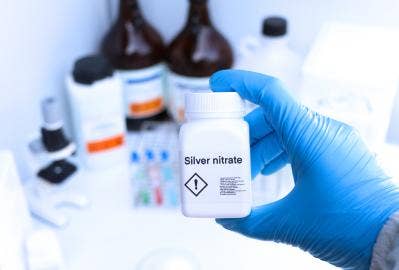
Silver nitrate is a strong oxidizer that can react with organic materials and intensify a fire if it contacts combustible debris. Direct contact causes chemical burns, and the compound stains skin and surfaces black on exposure, a reaction that is difficult to reverse and can persist for days or weeks. These hazards make uncontrolled spills a higher-priority cleanup than many other lab chemicals, since delayed response increases both the burn risk and the extent of staining.
Industrial & Laboratory Use
Spent silver nitrate solutions from photographic fixing baths, plating operations, and medical procedures cannot go directly into drains and must be treated first. Many facilities are also required to recover the silver content, both because regulations demand it and because reclaimed silver has resale value that offsets disposal costs. This dual incentive means treatment processes in industrial settings are often built around recovery rather than simple disposal.
Environmental Protection
Dissolved silver ions are acutely toxic to fish and other aquatic life at concentrations measured in micrograms per liter, making silver one of the more tightly controlled metals in wastewater discharge. The EPA and local industrial pretreatment programs typically cap silver discharge at 0.1 to 0.5 mg/L, depending on the receiving water body and permit conditions. Facilities that fail to treat silver-bearing waste before discharge risk violating these limits and damaging local aquatic ecosystems.
How to Treat Silver Nitrate
Step 1: Identify the Chemical Properties
Silver nitrate solutions are mildly acidic, typically in the pH 5 to 6 range, and the salt is highly soluble in water, meaning silver stays dissolved unless actively precipitated. The concentration and total volume of the waste stream determine how much precipitating agent is needed, so an accurate assessment of both is necessary before treatment begins. Organic contaminants in the waste stream can also interfere with precipitation efficiency and should be identified ahead of time.
Step 2: Select Appropriate Treatment Agents
Several agents can be used to pull silver out of solution, depending on the concentration of the waste and the equipment available:
-
Sodium chloride (NaCl): reacts with dissolved silver to form insoluble silver chloride; low-cost and widely used for routine lab-scale treatment
-
Hydrochloric acid, dilute (HCl): also precipitates silver chloride and allows more precise stoichiometric control when exact dosing matters
-
Sodium sulfide (Na₂S): forms silver sulfide and works well on very dilute solutions, but can generate hydrogen sulfide gas if the solution is acidic, so it requires careful pH awareness during use
-
Electrolytic recovery: used at industrial scale to reclaim metallic silver directly from concentrated solutions before any remaining liquid undergoes final treatment
Step 3: Follow the Treatment Procedure
The standard procedure for chemical precipitation follows a consistent sequence regardless of which agent is chosen:
-
Add the precipitating agent, most commonly dilute sodium chloride solution, slowly to the silver nitrate waste while stirring continuously
-
Allow the resulting precipitate to settle, or filter it out using appropriate filtration media
-
Decant or filter the clarified supernatant and test it for residual silver before any disposal step
-
Wear full PPE throughout the entire procedure, from initial addition through final filtration
Step 4: Monitor and Validate
Treated effluent should be tested for residual silver using ICP-MS, atomic absorption spectroscopy, or silver-specific test strips, depending on what level of precision the facility requires. The goal is to bring residual silver below the applicable discharge limit, commonly under 0.5 mg/L, before the water leaves the treatment process. Every batch should be documented, including the quantity of reagent used, the test results obtained, and the date of disposal, since this record supports regulatory compliance and internal quality control.
Step 5: Waste Disposal
Silver chloride precipitate generated during treatment is classified as hazardous waste under RCRA, listed under the D011 waste code for silver. This material must be containerized, labeled appropriately, and picked up by a licensed hazardous waste contractor rather than disposed of as ordinary solid waste. Some facilities route their silver chloride sludge to specialized silver refiners instead, which allows the silver to be reclaimed and provides a partial offset to disposal costs.
Safety Precautions During Treatment
-
Personal Protective Equipment: Wear chemical-resistant gloves made of nitrile or neoprene, splash-proof goggles, a lab coat or chemical apron, and closed-toe shoes during all handling and treatment steps. A face shield is recommended when working with concentrated silver nitrate solutions.
-
Ventilation: Perform treatment in a fume hood or otherwise well-ventilated space, particularly when sodium sulfide is the chosen treatment agent. Silver nitrate itself has low vapor pressure, but byproducts from certain reactions can release irritating gases.
-
Spill Response: Use dry sand, vermiculite, or another inert absorbent to contain spills, and avoid paper or other organic materials that can react with the oxidizer. Collect all contaminated absorbent in a sealed, labeled waste container, and never rinse silver nitrate into a drain untreated.
-
Emergency Preparedness: An eyewash station and safety shower should be reachable within ten seconds of any area where silver nitrate is handled. Keep a Class ABC fire extinguisher nearby, since silver nitrate's oxidizing properties can accelerate combustion if it contacts nearby organic material.
Special Considerations
Silver Recovery Value
High-concentration silver nitrate waste often carries meaningful recovery value, which changes how facilities approach treatment. Electrolytic recovery or a contract with a silver refiner can reclaim that value while still meeting disposal requirements, and this approach is standard practice in photographic processing and electroplating operations where silver-bearing waste streams are a regular byproduct.
Concentration-Dependent Treatment
Dilute silver nitrate solutions, generally below 1 g/L, often need more precise stoichiometric dosing of the precipitating agent to reach compliant effluent levels, since small dosing errors have a larger relative impact at low concentrations. Operators should also avoid adding excess chloride, since very high chloride concentrations can form soluble silver chloride complexes that work against the goal of removing silver from solution.
Staining and Decontamination
Silver nitrate that reduces on skin or surfaces leaves a black stain that does not respond to scrubbing or aggressive cleaning. On skin, the discoloration is cosmetic rather than harmful and fades naturally over one to two weeks as the affected skin cells turn over, so no special decontamination treatment is needed beyond standard first aid for any associated irritation.
Conclusion
Treating silver nitrate waste properly protects both the people handling it and the aquatic ecosystems that would otherwise receive discharged silver. Because this compound does not require pH adjustment, the real work lies in precipitation chemistry or electrolytic recovery, paired with careful monitoring to confirm residual silver falls within regulatory limits.
Facilities that generate silver nitrate waste on a regular basis benefit from a documented treatment protocol, consistent PPE practices, and a reliable relationship with a licensed hazardous waste contractor or silver refiner. Getting this process right keeps operations compliant and turns what would otherwise be a disposal cost into a potential recovery opportunity.
For more detailed guidance, explore our Resource Library.
Our Customer Care team is also available for more information and documentation, including chemical Safety Data Sheets.
Need Silver Nitrate You Can Trust?
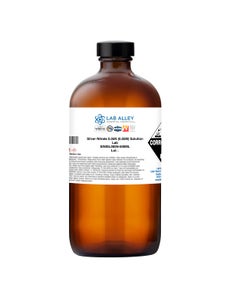
If you are looking for high-quality silver nitratel for your lab, product line, or research facility, be sure to visit our store to explore our trusted selection and request a quote.
As your trusted partner in chemical supply, Lab Alley is always striving to meet the growing demands of our customers. We want you to be able to access all of your chemical needs in one place, along with streamlined online ordering and fast shipping.
Due to popular demand from our valued clientele, Lab Alley's silver nitrate is available in a range of purities and packaging options to suit various commercial, laboratory, and personal needs.