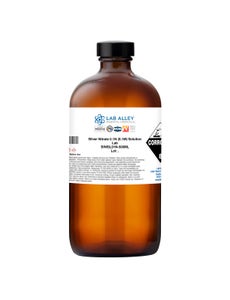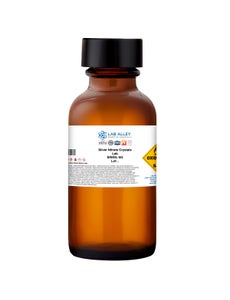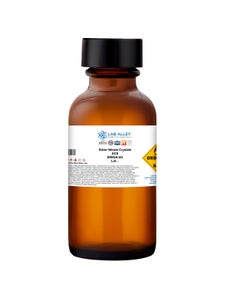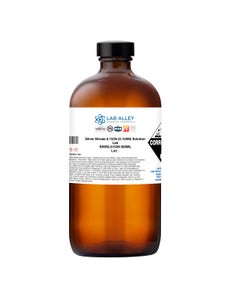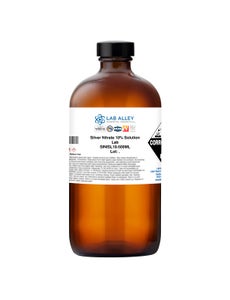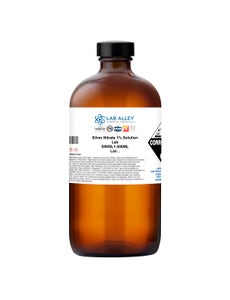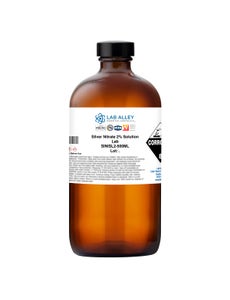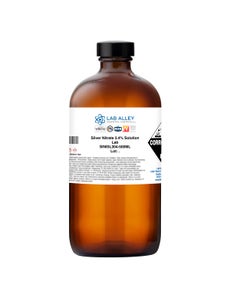






Silver Nitrate Overview
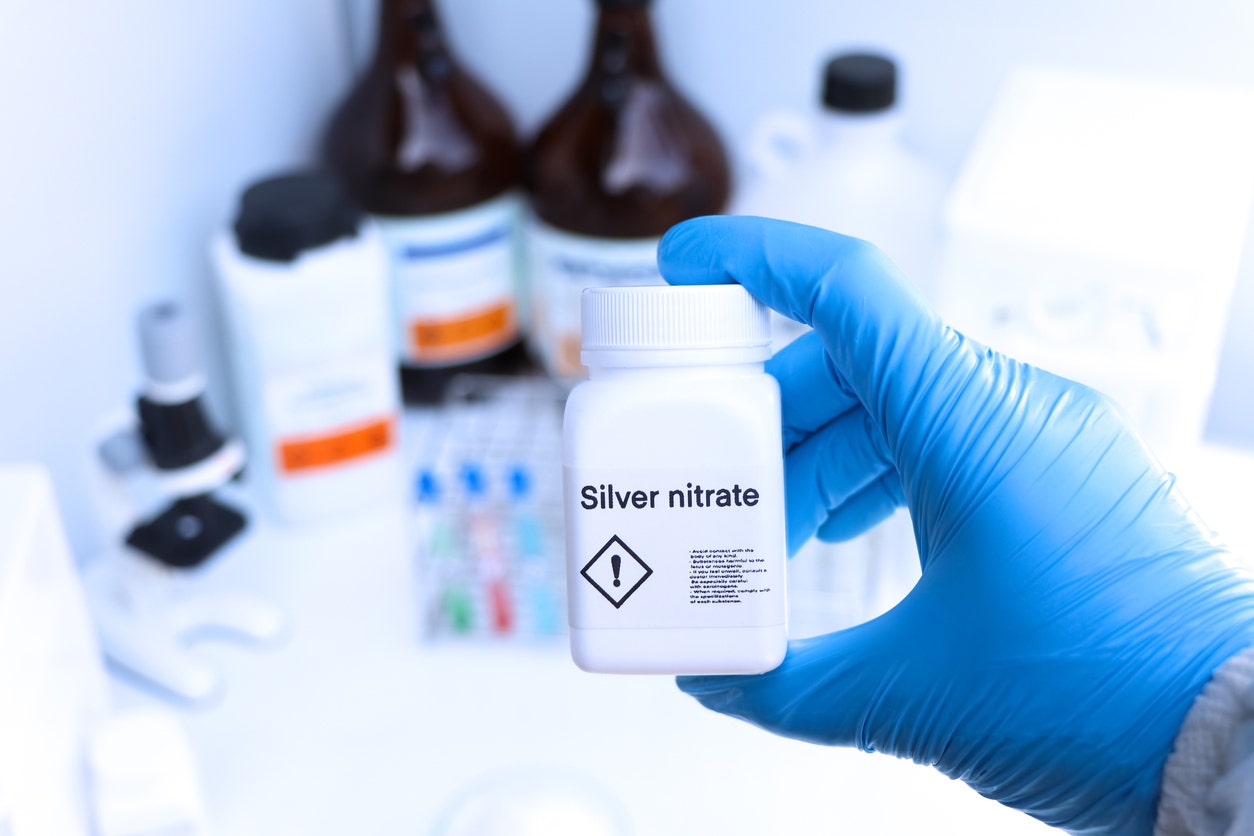
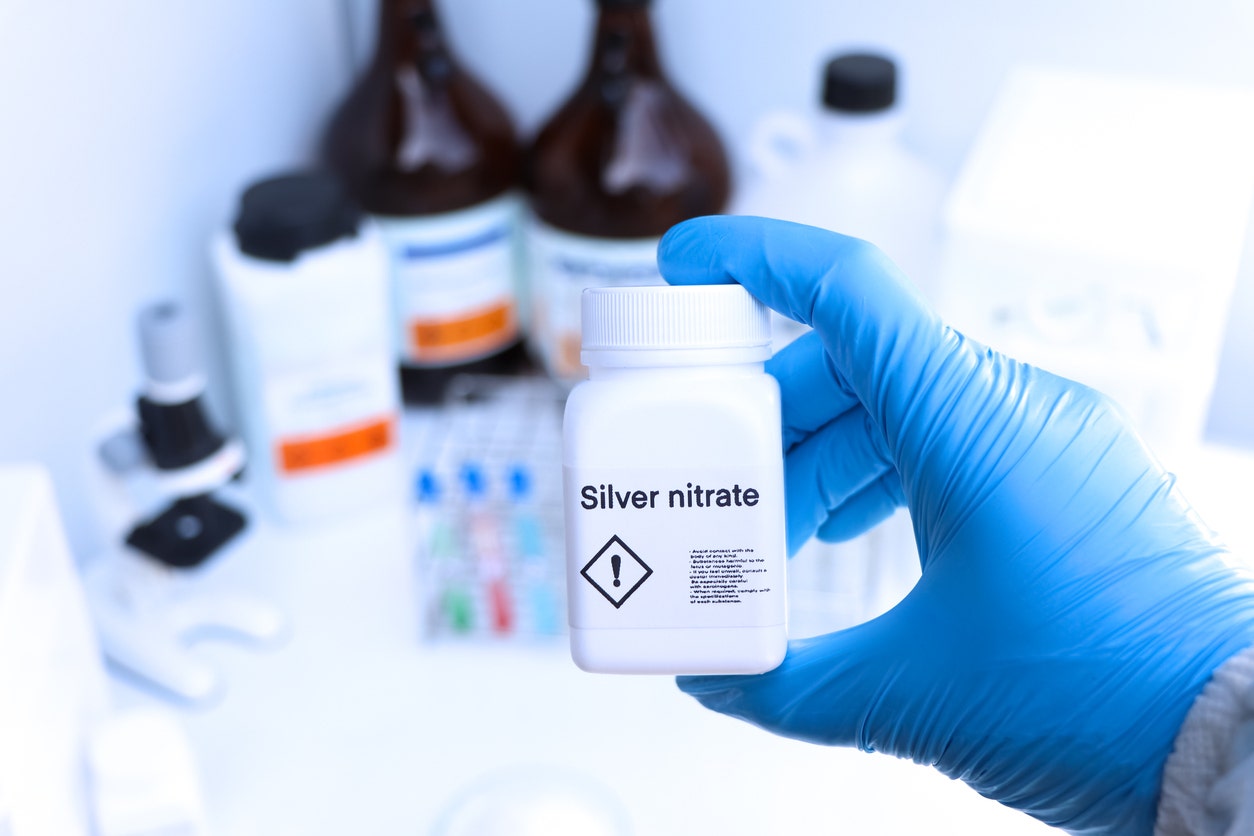
Silver nitrate (AgNO₃) is the most widely used inorganic salt of silver, prized for its high water solubility, strong oxidizing character, and versatility as a precursor to other silver compounds. Known also as lunar caustic in its solid-stick medical form, it has earned a permanent place in analytical chemistry, photography, electronics, and medical applications.
What makes silver nitrate so valuable across such different industries is its predictable, well-characterized reactivity. It dissolves readily in water and several organic solvents, reacts cleanly with halides to form insoluble precipitates, and serves as a dependable source of ionic silver for everything from titration chemistry to antimicrobial coatings.
Its safety profile demands respect rather than fear. Silver nitrate is corrosive and a strong oxidizer, but with proper storage, handling, and PPE, it remains one of the more manageable specialty chemicals in routine laboratory and industrial use.
Properties of Silver Nitrate
Key Facts
-
Compound Name: Silver nitrate
-
Synonyms/Common Names: Nitric acid silver(I) salt, lunar caustic, AgNO₃
-
Chemical Formula: AgNO₃
-
CAS Number: 7761-88-8
-
Molar Mass: 169.87 g/mol
-
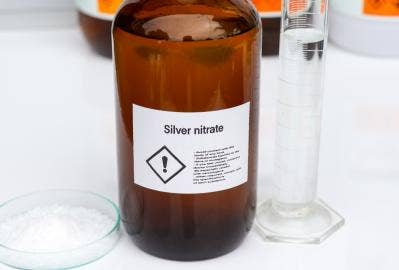
Appearance: Colorless to white crystalline solid, odorless, darkens on exposure to light or organic matter
Density and Behavior Relative to Water
Silver nitrate has a density of 4.35 g/cm³ at 25°C, making it considerably denser than water. This high density reflects the compound's heavy metal content and is a relevant factor when calculating concentrations for solution preparation. In aqueous form, the solution's density scales with AgNO₃ concentration.
Silver nitrate is a colorless to white crystalline compound widely used in laboratory, pharmaceutical, and industrial applications. It functions as an analytical reagent, oxidizing agent, and precursor for other silver compounds used in chemical synthesis, testing, metal treatment, and antimicrobial products. U.S. laboratories and manufacturers sourcing silver nitrate by grade and purity contact Lab Alley at 512-668-9918 for product selection and ordering support.
Melting Behavior and Thermal Decomposition
Silver nitrate melts at 212°C (414°F) and does not have a true boiling point. Instead, it decomposes at approximately 440°C (824°F), releasing nitrogen oxide gases before reaching that threshold. This decomposition behavior means silver nitrate should never be heated in closed or poorly ventilated systems.
Solubility Across Solvents
Silver nitrate is exceptionally soluble in water, dissolving at roughly 2,520 g/L at 25°C, which makes it easy to prepare concentrated stock solutions. It also dissolves in acetone, glycerol, and ammonia, with slight solubility in ethanol. It is insoluble in concentrated nitric acid, a property that is sometimes exploited during purification.
Acidity of Aqueous Solutions
Aqueous silver nitrate solutions are mildly acidic, typically falling in the pH 4.5 to 6.0 range depending on concentration. This acidity stems from the slight hydrolysis of the silver ion rather than the nitrate ion itself. Users preparing buffered or pH-sensitive applications should account for this baseline acidity.
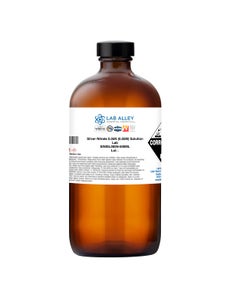
Silver nitrate from Lab Alley is available as a high-purity, colorless to white crystalline solid meeting ACS and reagent-grade specifications for laboratory and industrial applications. Packaging ranges from small laboratory containers to bulk quantities to support research, manufacturing, and commercial supply needs.
Common Uses & Applications
Industrial Applications
Silver nitrate serves as the primary precursor to silver halides used in photographic film production, a role it has held since the earliest days of commercial photography. It is also central to mirror manufacturing via the silvering process, which deposits a reflective silver layer onto glass substrates. Beyond these legacy uses, it remains important in electroplating operations and as a feedstock for synthesizing other silver compounds used downstream in manufacturing.
Scientific and Laboratory Uses
In analytical chemistry, silver nitrate is the reagent of choice for gravimetric chloride determination, where it forms an insoluble silver chloride precipitate that can be measured by mass. It is equally essential to titration methods such as the Mohr and Volhard procedures, both of which rely on silver nitrate's predictable reaction with halide ions. Histology labs use it as a staining agent to visualize specific tissue structures, and it functions as a key synthesis reagent in the growing field of silver nanoparticle research.
Consumer and Household Uses
Dilute silver nitrate solutions appear in certain over-the-counter products designed for wart and skin tag removal, where their caustic action destroys targeted tissue on contact. These consumer formulations use carefully controlled, lower concentrations compared to laboratory or industrial grades.
Specialized Applications
In medicine, silver nitrate is used in wound treatment and antimicrobial dressings, leveraging silver's well-documented antibacterial properties. Water treatment systems incorporate it into germicidal coatings designed to inhibit microbial growth on contact surfaces. The electronics industry uses silver nitrate-based formulations in conductive inks and pastes, and ongoing research has explored its use in root canal irrigation protocols within dental applications.
Fight Your Kidney Stone with This Natural Product Hack
Fight kidney stones. Discover how citric acid naturally prevents stone formation.

Is Lactic Acid Bad? A Look at the Health Science
Is lactic acid bad for you? Debunking myths and revealing its vital role in your body & beyond.
Hospitality Without Hitchhikers: Boric Acid’s Role in Bed Bug Prevention
Protect your hospitality business. Boric acid is key to preventing bed bug infestations.
Safety & Handling
Hazards and Precautions
Silver nitrate carries GHS classifications as an oxidizer (H272) and a corrosive substance (H314), capable of causing skin burns and serious eye damage on contact. It is also classified as an environmental hazard (H400/H410) due to its toxicity to aquatic organisms. Concentrated solutions and the solid form present greater corrosive risk than dilute solutions, and any contact with skin or surfaces produces dark brown to black staining that is effectively permanent.
Personal Protective Equipment
Handling silver nitrate safely requires chemical-resistant gloves made of nitrile or neoprene, along with safety goggles or a face shield to protect against splash exposure. A standard laboratory coat provides an additional barrier against incidental contact. When working with powdered material or concentrated solutions in areas without adequate ventilation, respiratory protection should also be used.
Storage Guidelines
Silver nitrate should be stored in amber or dark glass containers to limit light exposure, which accelerates decomposition and staining. Storage areas should remain cool, dry, and well-ventilated, with the material kept separate from organic materials, reducing agents, and flammable substances. Metal containers should never be used for storage, since silver nitrate can react with many common metals.
Spill and Disposal Procedures
Spills should be contained using an inert absorbent material, avoiding any organic absorbents that could react with the oxidizer. Once contained, the material should be collected and placed into properly labeled hazardous waste containers. Disposal must follow applicable federal, state, and local hazardous waste regulations, and because silver carries recovery value, many waste streams are routed through silver reclamation processes rather than standard disposal.
Fight Your Kidney Stone with This Natural Product Hack
Fight kidney stones. Discover how citric acid naturally prevents stone formation.
Is Lactic Acid Bad? A Look at the Health Science
Is lactic acid bad for you? Debunking myths and revealing its vital role in your body & beyond.
Hospitality Without Hitchhikers: Boric Acid’s Role in Bed Bug Prevention
Protect your hospitality business. Boric acid is key to preventing bed bug infestations.
Silver Nitrate Grades and Pack Sizes
Lab Alley supplies silver nitrate in multiple grades and pack sizes to support laboratory, industrial, and bulk purchasing needs.
Available Grades & Concentrations
-
ACS Grade, for analytical chemistry applications requiring high-purity standards
-
Lab Grade, for general laboratory use, research, and educational applications
-
Reagent Grade, for precise laboratory procedures requiring consistent quality and composition
Pack Sizes & Bulk Availability
-
Laboratory bottles: 5G, 25G, 100G, 250G, and 500G for lab-scale crystalline/solid use
-
Solution bottles: 500ML, 1L, 2.5L, and 4L for standard laboratory and production operations
-
Case quantities available on select SKUs for high-volume purchasing
All silver nitrate products ship in UN-approved, DOT-compliant containers with proper oxidizer and corrosive hazard labeling, and a HAZMAT fee applies to qualifying shipments. Contact Lab Alley to confirm grade availability, request a current COA or SDS, or place an order for your application.
FAQs
What is silver nitrate and how is it produced?
What are the potential side effects of silver nitrate exposure?
How should silver nitrate be stored to prevent degradation?
Silver nitrate should be kept in amber or opaque, airtight glass containers in a cool, dark storage location away from direct light. Both light and heat accelerate decomposition into silver oxide, which causes the material to discolor toward gray or black. Proper storage conditions are the single most effective way to preserve product purity over time.
Does silver nitrate have an expiration date?
Why does silver nitrate stain skin and surfaces black?
Contact between silver nitrate and organic matter, including skin proteins, triggers a photochemical reduction reaction that deposits metallic silver onto the surface. This deposited silver is responsible for the characteristic dark staining associated with the compound. Because the reaction physically embeds silver into the contacted material, the stain does not wash out and instead fades only as the affected skin naturally sheds.