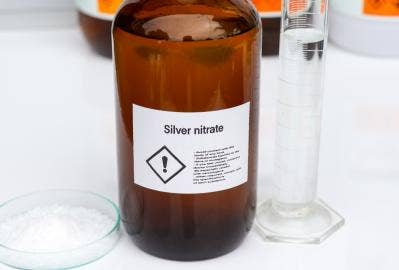






How to Store Silver Nitrate
Silver nitrate (AgNO₃) is an inorganic silver salt widely used in laboratories, water treatment, photography, medical applications, and chemical synthesis. It is valued for its solubility, reactivity with halides, and antimicrobial properties, but these same characteristics make it demanding to store correctly. As a strong oxidizer that is also highly sensitive to light and corrosive to skin and many surfaces, silver nitrate requires storage conditions that differ meaningfully from those of more inert laboratory chemicals.
Storage failures with silver nitrate rarely result in catastrophic incidents, but they reliably produce costly problems: degraded product, contaminated equipment, and permanent staining of surfaces and clothing. Facilities that store silver nitrate in clear containers, near organic materials, or without humidity control often discover the consequences only after the material has darkened or a spill has stained a workbench beyond repair. Understanding the chemical's specific vulnerabilities, rather than applying generic chemical storage practices, is what prevents these outcomes.


In this article we'll review:
-
Recommended Storage Conditions
-
Container & Packaging Requirements
-
Segregation & Compatibility
-
Safe Handling in Storage Areas
-
Regulatory Compliance & Labeling
-
Environmental & Safety Considerations
-
Special Considerations
Recommended Storage Conditions
Temperature
Silver nitrate should be kept at standard room temperature, generally between 59°F and 77°F (15°C and 25°C). Elevated temperatures accelerate the compound's decomposition pathway, increasing the rate at which it breaks down and reduces to metallic silver. Storage areas near heat sources, direct sunlight through windows, or HVAC equipment should be avoided for this reason.
Humidity Control
Silver nitrate is hygroscopic, meaning it readily absorbs moisture from the surrounding air. Containers must remain tightly sealed at all times, since exposure to humid conditions can cause the crystalline solid to cake, clump, or partially dissolve at the surface. Facilities in humid climates should consider supplemental desiccant storage or climate-controlled cabinets to maintain product integrity.
Light Exposure
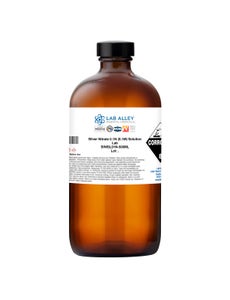
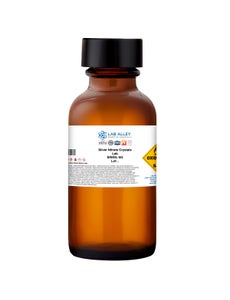
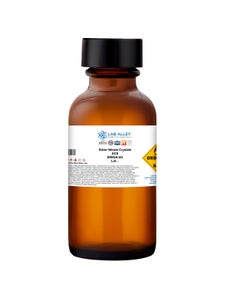
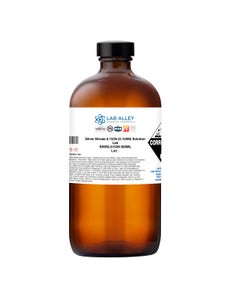
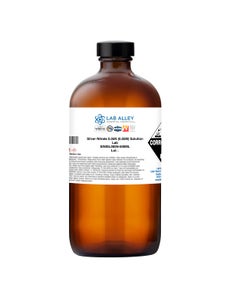
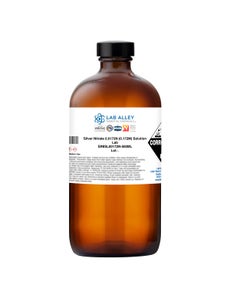
Light sensitivity is one of the defining storage challenges for silver nitrate. Exposure to UV or visible light triggers photoreduction, converting silver ions to metallic silver and causing the compound to darken visibly. For this reason, silver nitrate must be stored in amber glass or otherwise opaque containers, and stockrooms should avoid direct sunlight or unshielded fluorescent lighting wherever possible.
Ventilation
Storage areas for silver nitrate should be well ventilated rather than sealed and airtight at the room level. While the compound itself is stable under normal conditions, thermal decomposition under fire or extreme heat releases toxic nitrogen oxide fumes. Adequate ventilation reduces the risk of fume accumulation in the event of a containment failure.
Storage Duration
Properly stored silver nitrate remains stable for several years without significant loss of purity. The clearest indicator of degradation is visible darkening or discoloration of the crystals or solution, which signals that photoreduction or decomposition has begun. Personnel should visually inspect stock periodically and treat any darkened material as suspect rather than assuming continued potency.
Container & Packaging Requirements
Compatible Materials
Silver nitrate should be stored in amber glass, high-density polyethylene (HDPE), or PTFE containers, all of which resist both the compound's corrosive properties and chemical interaction. Reactive metals, including aluminum, copper, and zinc, must never be used as containers or component materials, since silver nitrate will corrode and react with these metals on contact.
Sealing Requirements
Containers require tight-fitting, corrosion-resistant closures capable of preventing both moisture ingress and light exposure. For concentrated solutions, secondary containment such as a tray or bin is recommended to control any leakage and limit the surface area exposed in the event of a container failure.
Labeling Requirements
Every container must carry a GHS-compliant label identifying the chemical name, concentration, and grade. Labels should include the appropriate oxidizer and corrosive pictograms, along with the date the container was received and, where applicable, the date it was first opened, to support inventory rotation and stability tracking.
Bulk Storage
Bulk quantities of silver nitrate should be held in glass-lined or HDPE tanks rather than metal vessels, with all fittings selected to avoid metal-to-product contact. Bulk storage areas require temperature control consistent with the same room-temperature range used for smaller containers, since large-volume stock is equally susceptible to heat-driven decomposition.
Segregation & Compatibility
Incompatible Substances
Silver nitrate is a strong oxidizer and must be segregated from materials it can react with violently. Contact with organic or flammable materials can result in fire, and reaction with certain salts can produce unstable or hazardous byproducts. Specific substances to keep separated include:
-
Flammable and organic materials
-
Reducing agents
-
Ammonia
-
Acetylene
-
Ethanol
-
Halide salts (chlorides, bromides, iodides)
Storage Grouping
Silver nitrate belongs in an oxidizer storage group and should be physically separated from flammables, combustibles, and reactive metals within the storage area. Many facilities use dedicated oxidizer cabinets, distinct from flammable storage cabinets, to maintain this separation and prevent accidental cross-contact during routine handling.
Flammability & Reactivity Precautions
Although silver nitrate itself does not burn, its oxidizing strength means it can intensify fires that start in nearby combustible materials. Storage areas should keep ignition sources and combustible packaging away from silver nitrate stock, and personnel should treat the surrounding storage environment, not just the chemical itself, as a fire risk factor.
Safe Handling in Storage Areas
PPE Requirements
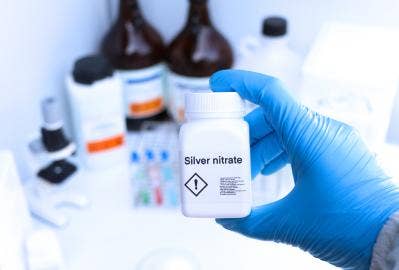
Personnel handling silver nitrate in storage areas should wear nitrile gloves, chemical splash goggles, and a lab coat or chemical-resistant apron. This is driven less by acute toxicity concerns and more by the compound's tendency to cause immediate, permanent black staining on skin, clothing, and any porous material it contacts.
Transfer & Dispensing
Transfers should be performed using glass or PTFE utensils rather than metal scoops, funnels, or spatulas, which can corrode or react with the product. When handling the solid form, personnel should take care to minimize dust generation, both to limit inhalation exposure and to reduce the risk of contamination on surrounding surfaces.
Spill Containment
Combustible absorbents such as sawdust must never be used to contain silver nitrate spills, given the compound's oxidizing properties. Solid spills should be carefully swept up for proper disposal, while liquid spills should be diluted with water before being collected, minimizing the concentration of silver nitrate that contacts surfaces during cleanup.
Emergency Equipment
Storage and handling areas for silver nitrate require accessible eyewash stations and safety showers, given the compound's corrosive effect on skin and eyes. These should be located close enough to the storage area that personnel can reach them within seconds in the event of accidental contact.
Regulatory Compliance & Labeling
OSHA Regulations
Silver nitrate is regulated under OSHA's Hazard Communication Standard, 29 CFR 1910.1200, which governs classification, labeling, and safety data sheet requirements for hazardous chemicals, including corrosives and oxidizers. Facilities storing silver nitrate must ensure their hazard communication program reflects its corrosive and oxidizing classification.
GHS Requirements
Under the Globally Harmonized System, silver nitrate is classified as a Category 1 oxidizer along with skin and eye corrosion hazards. Labels and safety data sheets must reflect the corresponding pictograms and hazard statements, and a complete SDS should accompany all shipments and stock on hand.
NFPA & DOT
For transportation purposes, silver nitrate is classified under DOT hazard class 5.1 as an oxidizer, and shipments above applicable thresholds require corresponding hazard labeling and documentation. NFPA fire diamond ratings for silver nitrate vary by manufacturer and grade, so facilities should confirm the specific rating listed on the current SDS for their product rather than relying on a generic figure.
Industry-Specific Compliance
Pharmaceutical-grade silver nitrate is subject to USP standards and must be handled in accordance with current Good Manufacturing Practice (GMP) requirements where used in regulated drug or medical device applications. Facilities supplying or using pharmaceutical-grade material should confirm grade-specific compliance obligations beyond general laboratory storage practices.
SDS Requirements
A current safety data sheet for silver nitrate must be maintained and readily accessible wherever the chemical is stored or handled. Storage area personnel should be able to locate and reference the SDS without delay, particularly in the event of a spill or exposure incident.
Environmental & Safety Considerations
Fire Suppression
Water spray is an acceptable suppression method around silver nitrate storage, and CO₂ or dry chemical extinguishers are appropriate for fires involving surrounding combustible materials. Because silver nitrate intensifies fires fueled by nearby organics rather than burning itself, responders should focus on removing fuel sources from the vicinity rather than treating the chemical directly as the fire's source.
Secondary Containment
Bulk liquid storage of silver nitrate requires secondary containment using chemically resistant liners or basins to capture any leak before it reaches floor drains. This containment is critical given the compound's environmental toxicity, and runoff into drains or waterways must be prevented at the point of storage, not just during spill response.
Wastewater & Environmental Impact
Silver ions are highly toxic to aquatic organisms even at very low concentrations, making uncontrolled discharge a significant environmental concern. Silver nitrate waste and any contaminated rinse water must never be released to sewer systems and instead require disposal through a licensed hazardous waste contractor.
Electrical Equipment Standards
Because silver nitrate is not flammable and does not generate flammable vapors, explosion-proof electrical equipment is not required for standard storage areas. Standard laboratory or warehouse electrical fixtures are acceptable provided other storage and segregation requirements are met.
Special Considerations
Staining Hazard
Beyond its classification as a corrosive and oxidizer, silver nitrate poses a distinct staining risk that affects storage area design. Contact with skin, benchtops, flooring, or any porous material causes irreversible black or brown discoloration through photoreduction, which facilities should treat as a contamination concern when designing shared storage and handling spaces.
Aqueous Solution Stability
Silver nitrate solutions are inherently less stable over time than the solid crystalline form. Facilities storing prepared solutions for extended periods should verify concentration before use or consider preparing solutions fresh, rather than assuming long-stored solutions retain their original strength.
Key Takeaways
Storing silver nitrate safely comes down to controlling light exposure, preventing contact with incompatible organic and reducing materials, and maintaining strict container and labeling discipline. Amber or opaque containers, room-temperature conditions, and dedicated oxidizer storage away from flammables address the chemical's core vulnerabilities, while consistent PPE use and accessible emergency equipment protect personnel during routine handling.
Facilities that follow GHS labeling requirements, OSHA hazard communication standards, and proper hazardous waste disposal practices will minimize both safety incidents and costly product degradation over time.
For more detailed guidance, explore our Resource Library.
Our Customer Care team is also available for more information and documentation, including chemical Safety Data Sheets.
Need Silver Nitrate You Can Trust?
If you are looking for high-quality silver nitrate for your lab, product line, or research facility, be sure to visit our store to explore our trusted selection and request a quote.
As your trusted partner in chemical supply, Lab Alley is always striving to meet the growing demands of our customers. We want you to be able to access all of your chemical needs in one place, along with streamlined online ordering and fast shipping.
Due to popular demand from our valued clientele, Lab Alley's silver nitrate is available in a range of purities and packaging options to suit various commercial, laboratory, and personal needs.