




Types of Silver Nitrate
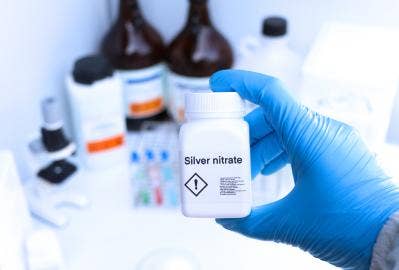
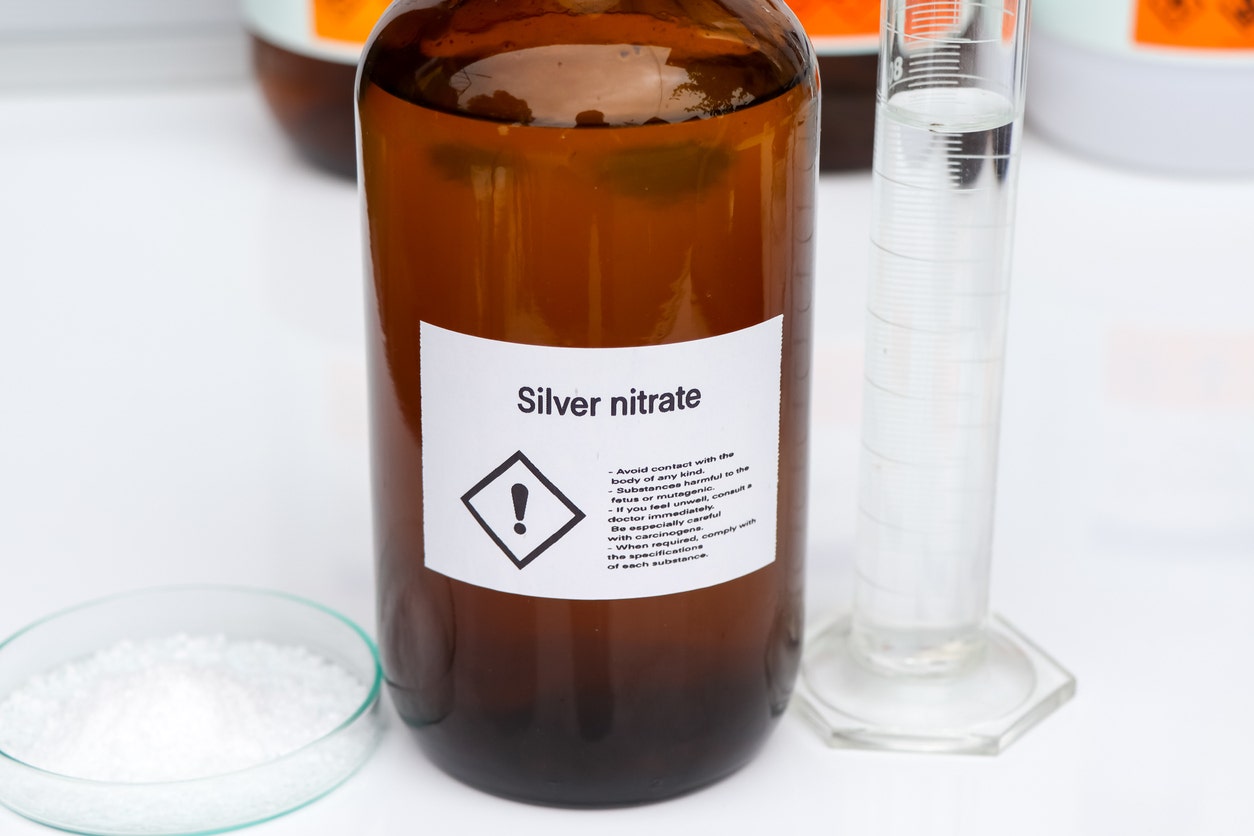
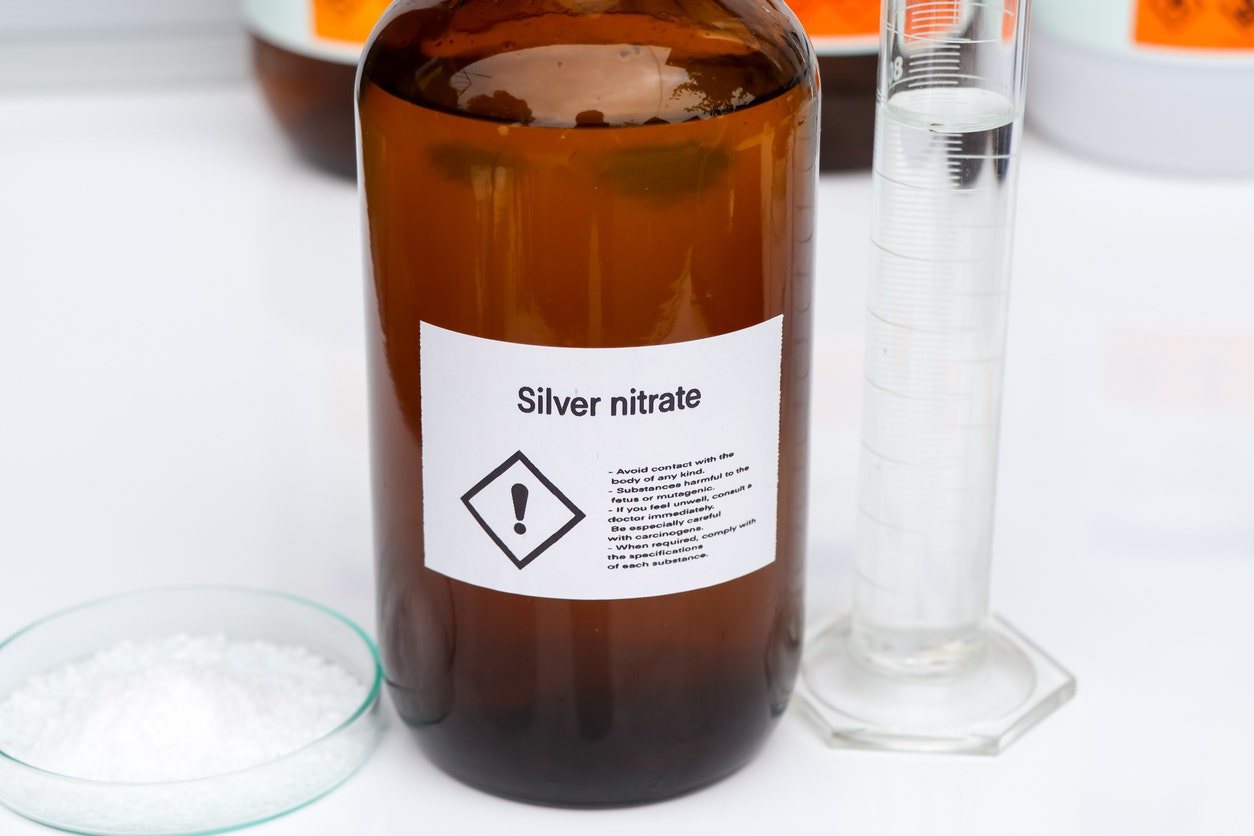
Silver nitrate (AgNO₃) is an inorganic salt available in both solid crystalline and aqueous solution forms. It exists across multiple grades because pharmacopeial, analytical, and industrial standards each define different purity thresholds and impurity tolerances suited to their respective applications, and a grade that performs well in one setting may be entirely unsuitable in another.
Purity level has a direct impact on how silver nitrate performs in photographic, antimicrobial, and analytical settings, with pharmaceutical and ACS grades required wherever regulated or precision work is involved. Selecting the right type comes down to a handful of factors: purity percentage, compliance with USP or ACS specifications, the concentration of the solution required, the sensitivity of the intended application, and cost, and getting any one of these wrong can mean reduced performance, regulatory exposure, or unnecessary expense.
In this article, we'll explore:
-
Common Grades & Purities
-
Certifications & Standards
-
Chemical Forms & Variants
-
Applications Based on Type
-
How to Choose the Right Type
Common Grades & Purities
Pharmaceutical Grade
Pharmaceutical-grade silver nitrate meets USP and BP standards at a purity of 99.8% or higher. This level of purity is required for topical antimicrobial treatments, wound care formulations, and ophthalmic applications, where the product comes into direct contact with sensitive tissue and impurities cannot be tolerated. Because these applications involve direct patient contact, the margin for variability in this grade is far narrower than in any other grade, and suppliers are expected to document purity through formal testing rather than general assurances.
ACS/Reagent Grade
ACS/reagent-grade material is specified at 99.8% to 99.9% purity under ACS guidelines. It's the grade used in titrations, gravimetric analysis, and the preparation of analytical solutions, where consistent, well-characterized purity is necessary to produce accurate and repeatable results. In practice, this means that two batches of ACS-grade silver nitrate from different lots should behave identically in a titration, since any unexpected variation in purity would introduce error into the measurement itself rather than the sample being tested.
Industrial/Technical Grade
Industrial or technical-grade silver nitrate carries a lower purity threshold than either the pharmaceutical or reagent grades. It's suited to mirror silvering, electroplating, and certain photographic processes, applications where trace impurities don't meaningfully affect the outcome and don't justify the added cost of a higher-purity material. This makes technical grade the more economical option for high-volume industrial use, where the priority is functional performance and cost efficiency rather than analytical precision.
Certifications & Standards
REACH Compliance
REACH compliance is relevant for suppliers and buyers operating within the EU. Silver nitrate is a registered substance under REACH, which means buyers sourcing from or into the EU should confirm registration status as part of their procurement process. For buyers operating across multiple markets, this is one of the few certification checkpoints relevant to silver nitrate, since the chemical's other applications fall outside food, dietary, and similar certification frameworks entirely.
Chemical Forms & Variants
Silver nitrate is supplied in a small number of distinct physical forms, each suited to different handling and application needs, and the choice between them is driven largely by how the product will ultimately be applied.
Solid Form
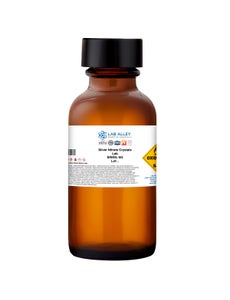
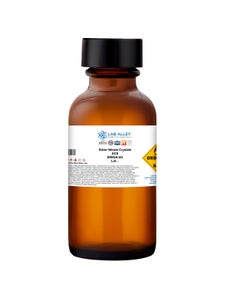
The solid form takes the shape of a white crystalline powder or, in some preparations, fused sticks. It's the standard commercial form of the chemical and remains relatively stable as long as it's stored away from light and organic material, making it the more practical option when a product needs to be stored for extended periods or shipped over long distances before use.
Aqueous Solution
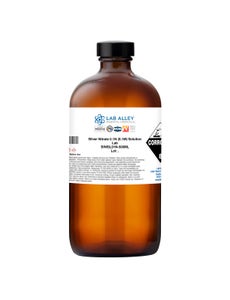
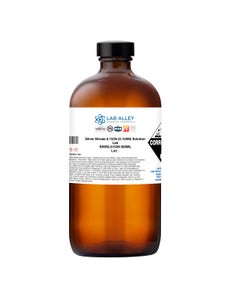
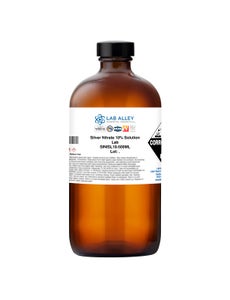
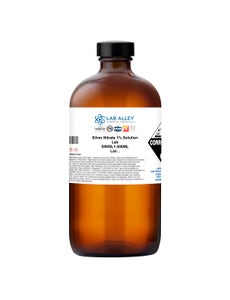
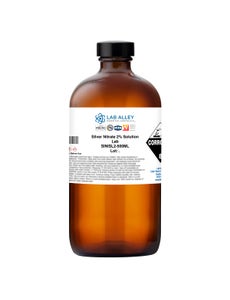
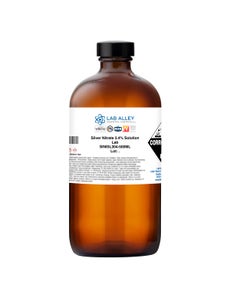
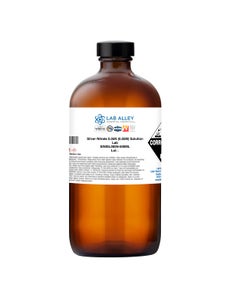
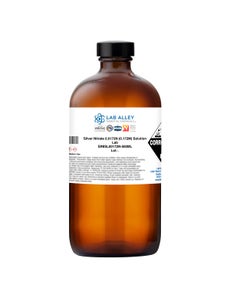
Aqueous solutions are commonly available across a concentration range of 0.5% to 50%. Dilute solutions are used in medicine and photography, while more concentrated solutions are reserved for industrial applications where higher silver content is needed, meaning the same base chemical can be tailored to an entire spectrum of use cases simply by adjusting how much is dissolved in solution.
Silver Nitrate Sticks (Lunar Caustic)
This form fuses silver nitrate with potassium nitrate into a solid stick. It's used specifically for topical cauterization in clinical settings, a use case that calls for a solid, controllable form rather than a liquid one, since a clinician needs to apply the chemical precisely to a small area without it spreading beyond the intended site.
Concentration Variants
Common concentrations include 0.5% solutions for wound care, 1% to 10% solutions for antimicrobial and analytical use, and 25% to 50% solutions for industrial silvering and electroplating. Each concentration range corresponds to a different balance of strength and safety appropriate to its use case, and moving outside the expected range for a given application can mean the difference between an effective treatment and one that causes unintended harm or simply fails to perform.
Applications Based on Type
Pharmaceutical & Healthcare
USP-grade solid or dilute solution is used for pharmaceutical and healthcare applications. This purity level is necessary for topical use, wound care, and the treatment of warts or granulation tissue, where the product is applied directly to the body and any impurity could introduce an unnecessary risk to the patient.
Laboratory & Analytical
ACS/reagent-grade solid is required for laboratory and analytical work. It's used in Mohr and Volhard titrations, halide precipitation, and gravimetric chloride determination, procedures that depend on a reagent of known and consistent purity, since the entire premise of these analytical methods rests on the reagent itself introducing no unaccounted-for variability into the result.
Industrial & Manufacturing
Technical-grade solid or concentrated solution is used across industrial and manufacturing applications. This includes mirror production, electroplating, and the manufacture of photographic emulsions, where the priority is functional performance at industrial scale rather than analytical-level purity, and where the cost savings from using a lower grade can be substantial when purchasing in industrial volumes.
Photography
Technical or reagent-grade silver nitrate is used to sensitize paper and prepare silver halide emulsions. Because the compound is highly light-sensitive, careful handling is required throughout this process to avoid premature reaction, which is part of why this application has historically required tightly controlled, darkroom-style handling conditions from preparation through use.
How to Choose the Right Type
Selecting the right type of silver nitrate starts with matching purity and form to the specific demands of the application, then confirming that compliance and concentration requirements are met.
Match Grade to Application
USP grade should be used for any medical or clinical application, while ACS/reagent grade is the right choice for laboratory and analytical work. Technical grade should only be selected where the purity tolerance of the application genuinely allows for it, and defaulting to a higher grade than necessary, while safe, adds unnecessary cost for the buyer.
Verify Required Certifications
Pharmaceutical applications require confirmed USP or BP compliance from the supplier. For industrial supply into the EU, REACH registration should be verified with the supplier before purchase, since sourcing material without confirmed registration can create compliance problems further down the supply chain.
Select Appropriate Concentration or Form
Pre-made aqueous solutions are the practical choice for medical and photographic applications, where consistency and ease of use matter most and where preparing a solution in-house introduces room for error. Solid form is generally preferred in laboratory settings, where it allows custom concentrations to be prepared as needed and gives the user direct control over the final solution strength.
Common Mistakes
A common mistake is using technical-grade material in clinical or analytical applications, where trace contaminants can affect results or safety, often because the cost difference between grades makes the lower grade tempting without accounting for the application's actual requirements. Another frequent mistake is selecting overly concentrated solutions for wound care, where dilute, carefully controlled dosing is required, and where assuming "stronger is more effective" can lead directly to tissue damage instead.
Key Takeaways
Choosing the correct grade and form of silver nitrate matters because the compound is used across demanding applications in medicine, analytical chemistry, and industrial processing. Pharmaceutical and ACS grades should be the default whenever regulated or precision work is involved, while technical-grade material is appropriate only where purity specifications are less strict. Before sourcing for sensitive applications, buyers should confirm the relevant compliance documentation, particularly USP certification or REACH registration.
For more detailed guidance, explore our Resource Library.
Our Customer Care team is also available for more information and documentation, including chemical Safety Data Sheets.
Find Silver Nitrate You Can Trust
If you are looking for high-quality silver nitrate for your lab, product line, or research facility, be sure to visit our store to explore our trusted selection and request a quote.
As your trusted partner in chemical supply, Lab Alley is always striving to meet the growing demands of our customers. We want you to be able to access all of your chemical needs in one place, along with streamlined online ordering and fast shipping.
Due to popular demand from our valued clientele, Lab Alley's silver nitrate is available in a range of purities and packaging options to suit various commercial, laboratory, and personal needs.