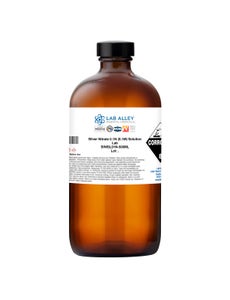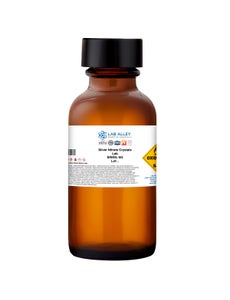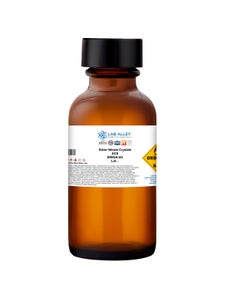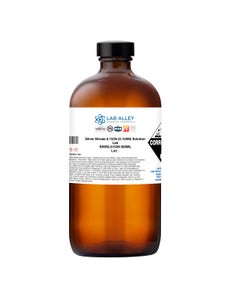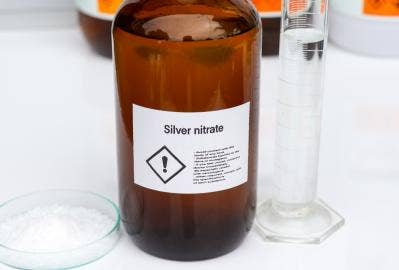






Silver Nitrate Safety & Hazards
Silver nitrate is classified as a corrosive, oxidizing solid that poses serious risks to skin, eyes, and the respiratory system. As an oxidizer, it can also intensify fire when it contacts combustible or organic materials, placing it in a hazard category that demands strict handling discipline.
Anyone working with silver nitrate, including laboratory personnel, production staff, and procurement teams responsible for storage and shipping, needs to understand its corrosive properties and the regulatory framework governing its use. Improper handling can result in severe chemical burns, permanent eye damage, or environmental contamination given its high toxicity to aquatic life.
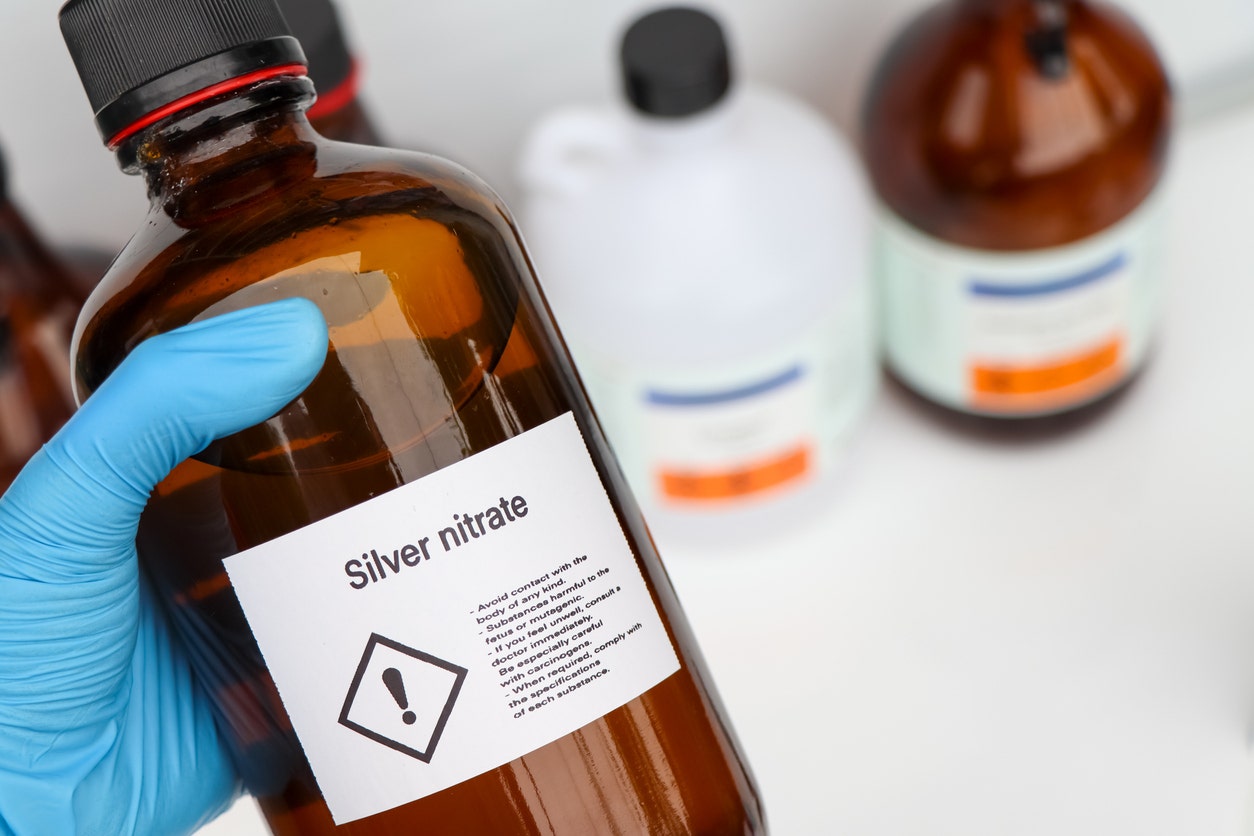
In this article, we'll explore:
-
Chemical Hazards Overview
-
Exposure Risks & Health Effects
-
First Aid Measures
-
Handling & Storage Precautions
-
Spill & Leak Procedures
-
Fire & Explosion Hazards
-
Regulatory & Compliance Information
-
Technical Documents & References
Chemical Hazards Overview
Silver nitrate's hazard profile centers on its corrosive and oxidizing properties rather than flammability. It carries classifications for skin corrosion, serious eye damage, and specific target organ toxicity from both single and repeated exposure.
Hazard Classification
- Oxidizing solid, Category 2.
- Skin corrosion and irritation, Category 1B.
- Serious eye damage and irritation, Category 1.
- Specific target organ toxicity from single exposure, Category 3, affecting the respiratory system.
- Specific target organ toxicity from repeated exposure, Category 2, affecting the liver and kidneys.
- Corrosive to metals, Category 1.
Hazard Classification
- GHS03, flame over circle, indicating oxidizing properties.
- GHS05, corrosion, indicating skin, eye, and metal corrosion potential.
- GHS07, exclamation mark, indicating respiratory irritation risk.
Hazard Classification
- Health: 3.
- Flammability: 0.
- Reactivity: 2.
- Special hazard: OX, denoting oxidizer.
Exposure Risks & Health Effects
Inhalation Risks
Silver nitrate has no measurable vapor pressure as a solid, so airborne exposure typically occurs through dust generated during handling. Inhaled dust causes respiratory irritation, and the respiratory system is identified as the target organ for single-exposure toxicity. Repeated or prolonged exposure to airborne particulates should be avoided through proper ventilation and dust control.
Skin Contact Risks
Contact with skin causes severe burns, consistent with its Category 1B corrosion classification. The chemical is corrosive at essentially all concentrations, though hazards become more pronounced above approximately 5% in solution. A notable visual indicator of exposure is temporary dark brown or black discoloration of the skin where contact occurred.
Eye Contact Risks
Eye contact poses one of the most serious acute risks associated with silver nitrate, with the potential for permanent damage. Symptoms include immediate redness, pain, and tearing, progressing to tissue destruction if not addressed quickly. The Category 1 classification reflects the severity and irreversibility of potential injury.
Ingestion Risks
The oral LD50 in rats exceeds 2,000 mg/kg, placing acute oral toxicity in a relatively low range by comparison to more toxic substances. However, the corrosive nature of silver nitrate means ingestion causes severe swelling and tissue damage independent of systemic toxicity, with risk of stomach or esophageal perforation being the primary concern.
Chronic Effects
Repeated exposure carries a Category 2 specific target organ toxicity classification, with the liver and kidneys identified as target organs. Mutagenic effects have been reported in humans from exposure. Silver nitrate is not classified as a carcinogen by IARC, NTP, ACGIH, or OSHA.
First Aid Procedures
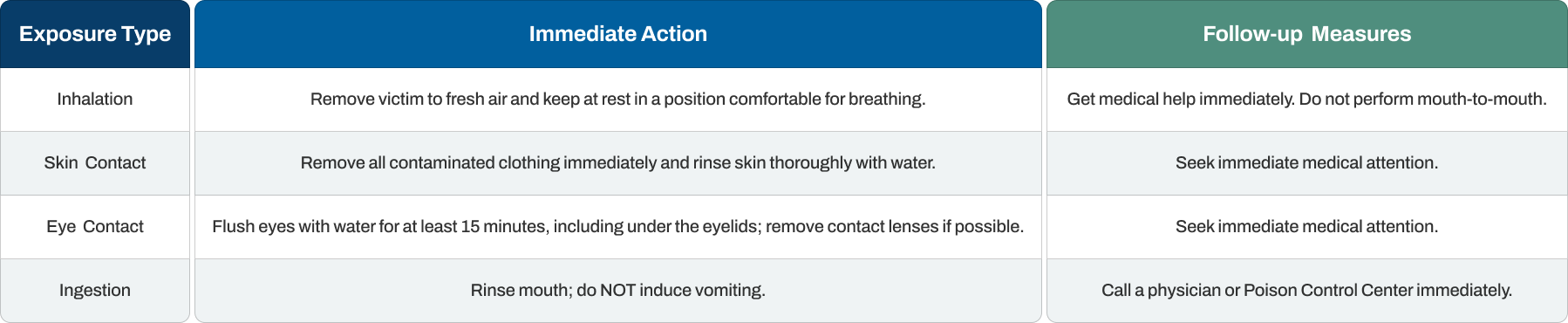
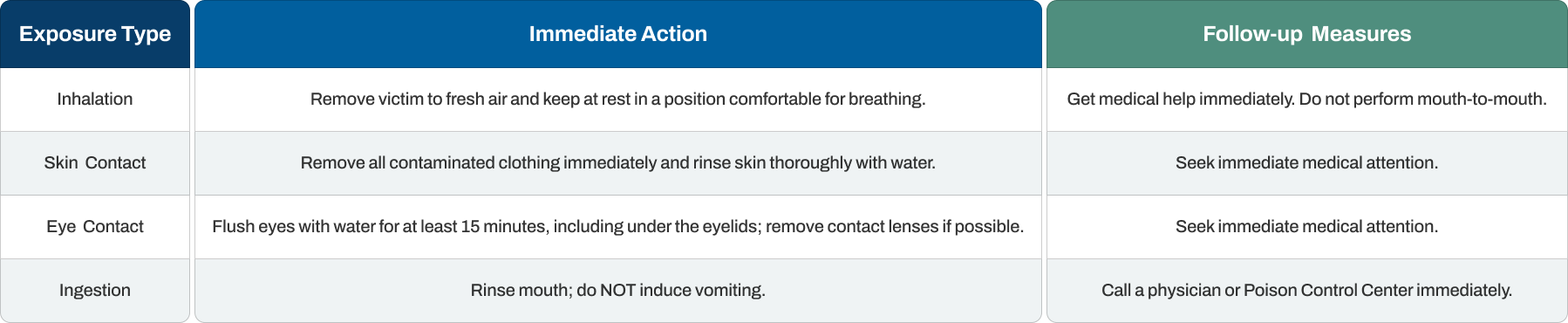
Because silver nitrate is corrosive, emesis is contraindicated in all ingestion cases due to the risk of compounding tissue damage. Speed matters across every exposure route, particularly for eye contact, where delayed flushing increases the likelihood of permanent injury. Anyone responding to an exposure incident should have access to this safety data sheet to share with attending medical personnel.
Handling & Storage Precautions
Safe handling of silver nitrate requires consistent use of personal protective equipment and engineering controls to limit both dust generation and accidental contact.
Safe Handling Procedures
-
Use only under a chemical fume hood
-
Wear chemical safety goggles, chemical-resistant gloves, and full protective clothing
-
Keep away from combustible materials and ignition sources
-
Avoid generating dust during transfer or weighing operations
Storage Conditions
-
Store in a tightly closed container
-
Keep in a cool, dry, well-ventilated area away from light
-
Separate from combustible materials and incompatible substances
-
Store in a locked area to restrict unauthorized access
Incompatible Substances
Silver nitrate reacts with strong reducing agents, strong oxidizing agents, combustible and organic materials, metals, amines, alkalis, ammonium hydroxide, ethanol, and arsenic compounds. Storage areas should be designed to physically separate silver nitrate from all of these substance classes.
Spill & Leak Procedures
Response to a silver nitrate spill should prioritize containment and dust control over speed, since the chemical does not pose volatility concerns but does pose contact and oxidation risks.
Emergency Response Steps
-
Evacuate non-essential personnel from the area
-
Don full PPE, including chemical goggles, gloves, and protective clothing
-
Remove combustible materials from proximity to the spill
-
Ensure adequate ventilation before beginning cleanup
Containment Methods
-
Sweep or vacuum spillage dry rather than using water, which can spread the material
-
Collect material in a sealed, approved container
-
Minimize dust generation throughout the cleanup process
Proper disposal requires treating recovered material as hazardous waste under CERCLA, with generators responsible for confirming classification under 40 CFR 262.11. Silver nitrate should never be discharged to drains, sewers, or waterways, as it is highly toxic to aquatic organisms with long-lasting environmental effects.
Fire & Explosion Hazards
Flammability
Silver nitrate itself is not flammable and has no flash point. However, as a strong oxidizer, it can intensify fire when in contact with combustible or organic materials. It decomposes above 444°C (831°F), releasing hazardous gases.
Extinguishing Media
-
Water
-
Dry chemical
-
Foam appropriate to the surrounding fire
Carbon dioxide should not be used as an extinguishing agent for fires involving silver nitrate.
Flammability
Firefighters should wear full protective gear along with MSHA/NIOSH-approved self-contained breathing apparatus. Thermal decomposition releases nitrogen oxides, so containers should be kept away from heat sources and ignition points to prevent escalation.
Regulatory Information & Compliance
OSHA Regulations
OSHA's permissible exposure limit for silver nitrate is 0.01 mg/m³ as an 8-hour time-weighted average, matching the ACGIH threshold limit value. NIOSH's immediately dangerous to life or health value is 10 mg/m³. Silver nitrate is regulated under the OSHA Hazard Communication Standard, 29 CFR 1910.1200.
EPA & Environmental Impact
Silver nitrate is listed under CERCLA with a reportable quantity of 1 pound and is subject to SARA 313 reporting at a 1.0% threshold. It is also designated a hazardous substance under the Clean Water Act with the same 1-pound reportable quantity. The chemical is very toxic to aquatic organisms, with a 96-hour fish LC50 of 0.029 mg/L, and may cause long-lasting environmental effects. It appears on state right-to-know lists in Massachusetts, New Jersey, Pennsylvania, Illinois, and Rhode Island.
DOT Transportation Regulations
Silver nitrate ships under UN1493 with the proper shipping name "Silver Nitrate." It carries a primary hazard class of 5.1, oxidizer, with a subsidiary hazard class of 8, corrosive, and is assigned to Packing Group II. These classifications apply consistently across DOT, IATA, and IMDG/IMO regulations.
Technical Documents & Resources
Safety Data Sheets (SDS) available from Lab Alley provide detailed safety, handling, and first aid information specific to each concentration and grade.
Certificates of Analysis (COA) are available from Lab Alley upon request and verify product purity and compliance with applicable grade standards.
Technical reports or supporting documentation are included where applicable.
Final Note
Silver nitrate demands careful handling due to its corrosive and oxidizing properties, which create a risk of severe burns, eye damage, and fire when combustibles are present. Proper PPE, controlled storage conditions, and adherence to OSHA, EPA, and DOT requirements are essential to managing these hazards safely. Anyone handling this chemical should be trained on its specific first aid protocols and spill response procedures before working with it directly.
Explore our Resource Library for more information.
Our Customer Care team is also available for more information and documentation, including chemical Safety Data Sheets.
Need Silver Nitrate You Can Trust?
If you are looking for high-quality silver nitrate for your lab, product line, or research facility, be sure to visit our store to explore our trusted selection and request a quote.
As your trusted partner in chemical supply, Lab Alley is always striving to meet the growing demands of our customers. We want you to be able to access all of your chemical needs in one place, along with streamlined online ordering and fast shipping.
Due to popular demand from our valued clientele, Lab Alley's silver nitrate is available in a range of purities and packaging options to suit various commercial, laboratory, and personal needs.