




Polysorbate 80 Overview
Polysorbate 80, widely recognized by its trade name Tween 80 or its chemical designation polyoxyethylene (20) sorbitan monooleate, is a nonionic surfactant used to emulsify, solubilize, and stabilize formulations across the food, pharmaceutical, and cosmetic sectors. It carries the CAS number 9005-65-6 and is produced by reacting oleic acid with sorbitol before ethoxylation, yielding a viscous amber liquid that bridges water- and oil-based ingredients without altering their chemical structure.
What makes polysorbate 80 valuable is its versatility: the same molecule that keeps ice cream and salad dressings from separating also stabilizes monoclonal antibody formulations and solubilizes hydrophobic drug compounds in IV preparations. Its amphipathic structure, a hydrophilic polyoxyethylene chain paired with a lipophilic oleic acid tail, gives it broad compatibility with both aqueous and oil phases.
Polysorbate 80 carries a favorable safety profile for a surfactant of its type. It is not classified as hazardous under most safety data sheets, is approved by the FDA as a direct food additive under 21 CFR 172.840, and is listed in the USP/NF for pharmaceutical use, making it one of the more heavily regulated and well-characterized emulsifiers in commercial use.
Properties of Polysorbate 80
Key Facts
-
Compound Name: Polysorbate 80 (polyoxyethylene (20) sorbitan monooleate)
-
Synonyms/Common Names: Tween 80, PEG(20) sorbitan monooleate, polyoxyethylenesorbitan monooleate, E433
-
Chemical Formula: C64H124O26 (average composition; polysorbate 80 is a mixture)
-
CAS Number: 9005-65-6
-
Molar Mass: ~1,310 g/mol
-
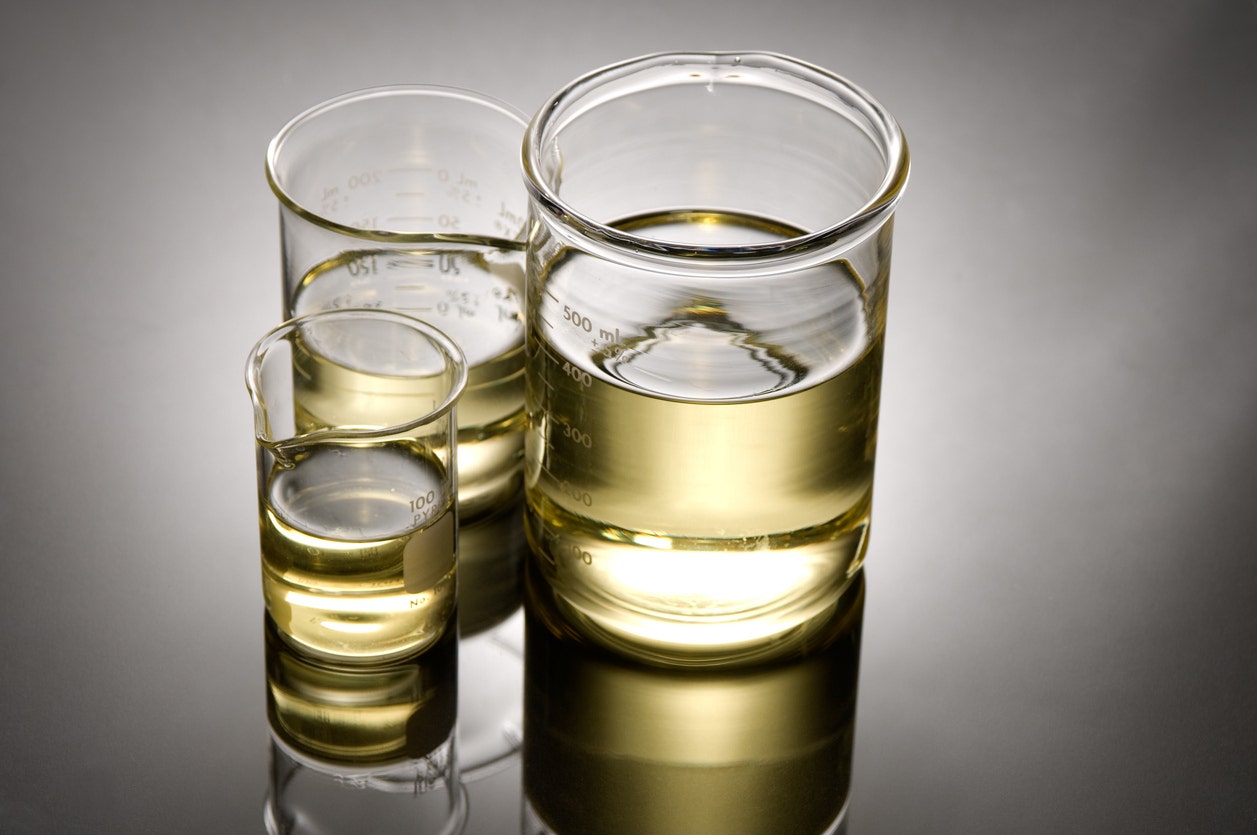
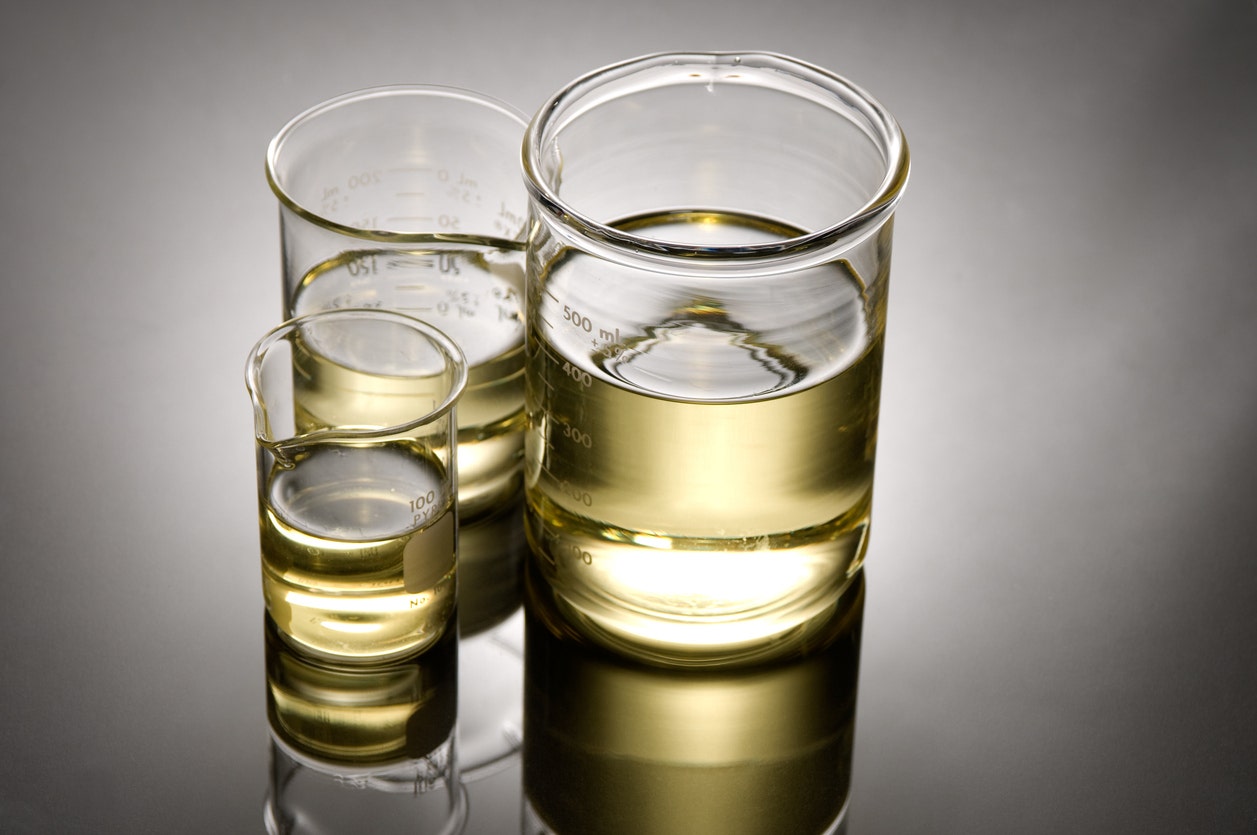
Appearance: Pale yellow to amber, viscous, oily liquid; faint characteristic odor
Density and Behavior Relative to Standard Reference
Polysorbate 80 has a density of approximately 1.06 to 1.07 g/cm³ at 25°C, making it slightly denser than water. This means it will settle beneath an aqueous layer if left unmixed, though its emulsifying action typically prevents this separation in practice. Formulators should account for this density difference when calculating volume-to-weight ratios in batch mixing.
Polysorbate 80 is a nonionic surfactant and emulsifier widely used in food, pharmaceutical, cosmetic, and industrial applications. It functions as an emulsifying, dispersing, and solubilizing agent to improve product stability and consistency in formulations. U.S. laboratories and manufacturers sourcing polysorbate 80 by grade and purity contact Lab Alley at 512-668-9918 for product selection and ordering support.
Boiling Point and Thermal Behavior
The boiling point of polysorbate 80 exceeds 100°C (212°F), and it lacks a sharply defined melting or freezing point due to its nature as a mixture of related esters rather than a single pure compound. This means standard phase-change temperatures are less useful for characterizing the material than for a discrete chemical entity. Practical handling relies more on viscosity and stability data than on classical melting or boiling references.
Solubility Profile
Polysorbate 80 dissolves readily in water, ethanol, methanol, and ethyl acetate, which explains its widespread use as a solubilizing agent for both aqueous and semi-polar systems. It is insoluble in mineral oil and vegetable oils, limiting its direct use in purely nonpolar carrier systems. This solubility pattern is central to its role as a bridge between water and oil phases in emulsion formulations.
pH of Aqueous Solutions
A 5% aqueous solution of polysorbate 80 typically falls in the pH range of 5.0 to 7.0. This mildly acidic to neutral profile makes it compatible with most food and pharmaceutical formulations without requiring pH adjustment. Formulators working with pH-sensitive actives should still confirm compatibility, since the surfactant itself will not meaningfully buffer a formulation outside this range.
Chemical Stability and Reactivity
Polysorbate 80 is chemically stable under normal storage and handling conditions, with no expected hazardous polymerization. It is incompatible with strong oxidizers, strong acids, and strong alkalis, which can degrade the ester linkages over time. The flash point exceeds 100°C, so it is not classified as a fire hazard under typical use and storage conditions.
Polysorbate 80 from Lab Alley is available as a high-purity liquid meeting food-grade and USP specifications for food, pharmaceutical, cosmetic, laboratory, and industrial applications. Packaging ranges from small laboratory containers to bulk drums and totes to support research, manufacturing, and commercial supply needs.
Common Uses & Applications
Industrial Applications
Polysorbate 80 functions as a surfactant and emulsifier across a range of manufacturing contexts, including soap production and textile processing. Its ability to disperse oils and other hydrophobic materials within aqueous systems makes it useful anywhere consistent mixing of incompatible phases is required. Manufacturers value it for maintaining formulation uniformity across production runs.
Scientific and Laboratory Uses
In research settings, polysorbate 80 is used for cell lysis, nuclei isolation, and protein solubilization work. Its nonionic character makes it gentler on biological structures than ionic detergents, which is why it appears frequently in cell biology and biochemistry protocols. It is also used in microbiological media to help disperse lipophilic compounds for growth studies.
Consumer & Household Uses
Polysorbate 80 is a common emulsifier in food products such as ice cream, salad dressings, baked goods, and sauces, where it prevents oil and water phases from separating. This keeps textures smooth and consistent from the first use of a product to the last. Its FDA-approved status as a direct food additive under specified concentration limits supports its continued use in retail food formulations.
Specialized Applications
In pharmaceuticals, polysorbate 80 serves as an excipient in vaccines, IV formulations, and oral liquid dosage forms, where it stabilizes proteins and solubilizes active ingredients that would otherwise resist uniform dispersion. In cosmetics and personal care products, it acts as a solubilizer and stabilizer, helping fragrances and oils blend evenly into water-based formulations. Both applications depend on the same core surfactant mechanism, adapted to the specific stability requirements of each product category.
Fight Your Kidney Stone with This Natural Product Hack
Fight kidney stones. Discover how citric acid naturally prevents stone formation.

Is Lactic Acid Bad? A Look at the Health Science
Is lactic acid bad for you? Debunking myths and revealing its vital role in your body & beyond.
Hospitality Without Hitchhikers: Boric Acid’s Role in Bed Bug Prevention
Protect your hospitality business. Boric acid is key to preventing bed bug infestations.
Harnessing Silica Sulfuric Acid to Enhance Concrete Durability
Enhance concrete longevity. Silica sulfuric acid improves strength and chemical resistance.
Safety & Handling
Hazards and Precautions
Polysorbate 80 is generally regarded as low hazard, and most safety data sheets do not assign it a GHS classification. Some cosmetic-grade formulations note the potential for mild skin or eye irritation with prolonged or repeated contact, so standard precautions remain appropriate. It is not expected to pose acute toxicity concerns under normal handling conditions.
Personal Protective Equipment
Chemical-resistant gloves and safety glasses are recommended for routine handling to prevent prolonged skin or eye contact. Respiratory protection is not typically required given the material's low volatility. Standard laboratory or production-floor PPE protocols are generally sufficient for handling this material.
Storage Guidelines
Polysorbate 80 should be stored in tightly sealed containers, protected from direct sunlight, heat, and open flame. An ideal storage temperature range is 15 to 30°C, which helps preserve viscosity and prevents accelerated oxidation of the ester linkages. Proper container closure also limits moisture uptake, which can affect formulation performance over time.
Spill and Disposal Procedures
Spills should be absorbed using an inert absorbent material and collected for disposal in accordance with local and federal regulations. The material is suitable for incineration as a disposal method. Because it is not classified as hazardous waste under most jurisdictions, disposal requirements are generally straightforward, though facility-specific waste protocols should still be followed.

How to Safely Dispose of Sulfuric Acid
Sulfuric acid is one of the most common acidifying reagents and sulfur sources, essential across multiple industries. At the same time, it is also a toxic and highly hazardous chemical reagent, requiring safe handling and disposal by trained personnel.
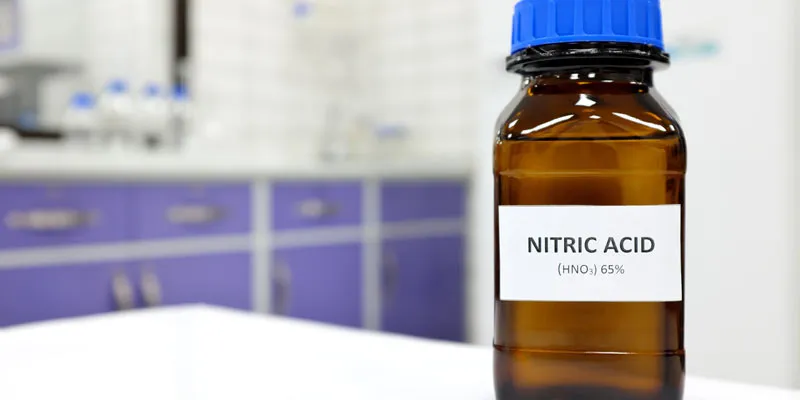
How To Use Nitric Acid Safely
Nitric acid is a corrosive chemical and harmful to humans. Its contact with skin and eyes can cause serious burns. Affected skin will require flushing with soap and lukewarm water for at least 30 minutes.
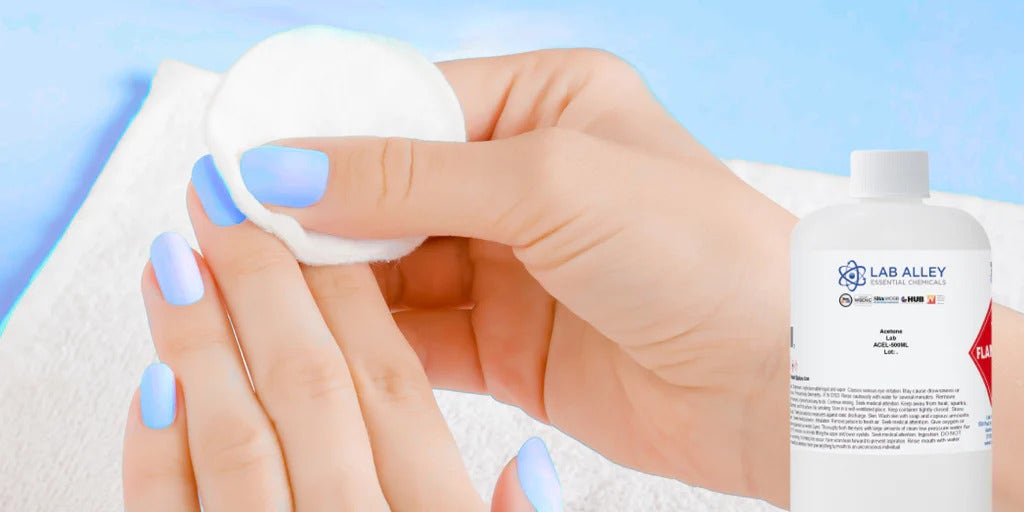
Acetone Safety: Proper Storage and Disposal Methods
Acetone is a staple chemical solvent in most laboratories. It is also perhaps one of the most recognizable chemicals to the layperson, best known as the pungent solvent comprising nail polish remover.
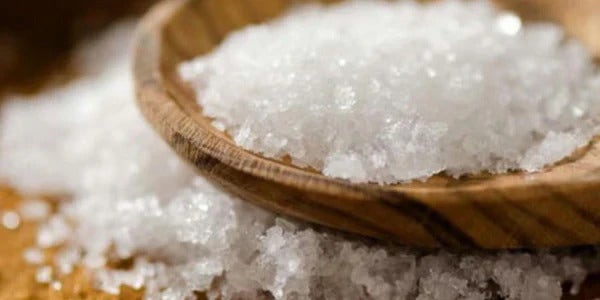
How to Use Potassium Iodide Safely and Where to Buy it Online
Potassium Iodide Powder, also known as Potassium Salt of Hydriodic Acid, Iodic Acid Potassium Salt, Potassium Monoiodide, and Knollide, has the chemical formula KI. It appears as a white crystalline powder, odorless, and is soluble in water at ambient conditions.
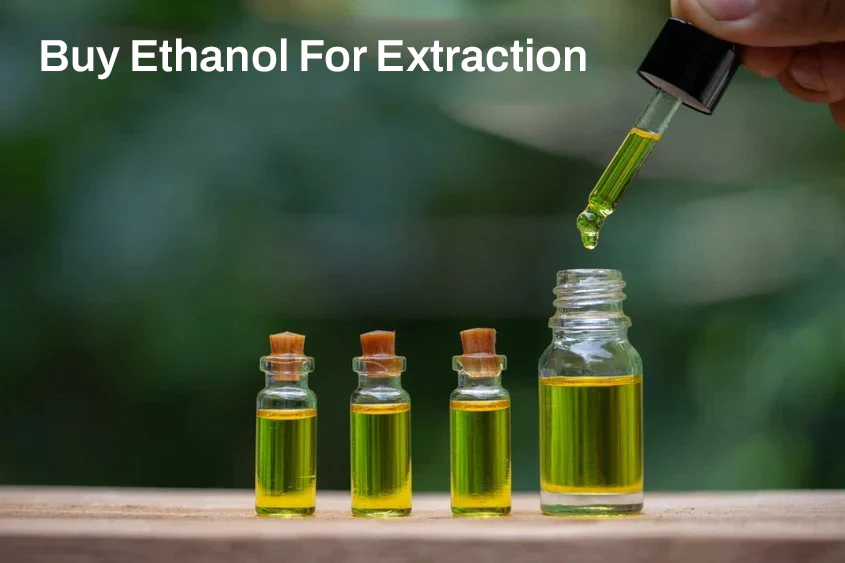
Medicinal Oils Derived From Plants
You can order food-grade ethanol, extraction-grade ethanol, ACS-grade ethanol, FCC-grade ethanol, USP grade ethanol, HPLC-grade ethanol and kosher ethanol from Lab Alley. Perform ethanol (EtOH) extraction at ultra-low temperatures for the best yields.
Ethanol extraction is a cost-effective way to use ethanol as an industrial solvent to produce high-quality botanical extracts from large volumes of medicinal herbs or plants.
Polysorbate 80 Grades and Pack Sizes
Lab Alley supplies polysorbate 80 in grades suited to food, pharmaceutical, and RSPO-compliant formulation needs.
Available Grades & Concentrations
-
Food Grade, Kosher, Halal for food and beverage emulsification
-
Derived from Palm, NF/FCC Grade, RSPO, Kosher, Halal for pharmaceutical, food, and RSPO-compliant formulations
Pack Sizes & Industrial Availability
-
Laboratory bottles: 500mL and 1L for lab-scale use
-
Commercial containers: 1 gallon and 4L for standard operations
-
Industrial drums: 5-gallon and 55-gallon (Food Grade); 5-gallon and 50-gallon (NF/FCC Palm-Derived Grade) for high-volume applications
-
Case quantities available for bulk purchasing
Polysorbate 80 is not DOT-regulated as a hazardous material, and all Lab Alley containers ship with COAs and SDSs available on request. Contact Lab Alley's procurement support team to confirm grade specifications and lead times for your order.
FAQs
What is Polysorbate 80 and how is it produced?
Is Polysorbate 80 safe for food and pharmaceutical use?
How should Polysorbate 80 be stored to prevent degradation?
Store polysorbate 80 in a tightly sealed container away from direct sunlight, heat sources, and open flame, ideally between 15 and 30°C. Exposure to elevated temperatures or prolonged air contact can accelerate oxidation of the ester linkages, affecting both appearance and performance. Proper container closure also limits moisture absorption, which can alter viscosity and formulation behavior.
Does Polysorbate 80 have an expiration date?
What is the difference between Food Grade and NF/FCC Grade Polysorbate 80?
Food Grade polysorbate 80 is manufactured to meet food-safety specifications suitable for direct addition to food products, while NF/FCC Grade meets both National Formulary standards for pharmaceutical use and Food Chemicals Codex standards for food use. The palm-derived NF/FCC grade also carries RSPO certification, reflecting sustainable sourcing of the underlying oleic acid feedstock. Both grades carry Kosher and Halal certification, but the intended application and regulatory framework differ.