





Types of Formaldehyde: Understanding Grades, Forms, and Applications
Formaldehyde, also known as methanal (chemical formula CH₂O), is a colorless, pungent gas that is highly reactive and commonly supplied as an aqueous solution called formalin. As a known human carcinogen with widespread industrial and scientific uses, formaldehyde comes in various types differentiated by concentration levels, purity requirements, stabilization methods, and specific formulation needs.
The distinction between formaldehyde types matters significantly because they are not interchangeable. A pharmaceutical-grade formaldehyde suitable for vaccine production differs fundamentally from technical-grade formaldehyde used in resin manufacturing, even though both contain the same basic chemical compound. Understanding these differences becomes essential for anyone purchasing or working with formaldehyde across healthcare, research, or industrial settings.
Key factors for choosing a type include required concentration and purity, regulatory compliance needs, intended application, and compatibility with stabilization additives such as methanol. Different grades and certifications directly impact whether formaldehyde is suitable for industrial processes, laboratory analysis, pharmaceutical manufacturing, or specialized applications like electronics. Making the wrong choice can result in contaminated results, regulatory violations, or compromised product quality.
In this article, we’ll explore:
- Common Grades & Purities of Formaldehyde
-
Certifications & Standards
-
Chemical Forms & Variants
-
Applications Based on Type
-
How to Choose the Right Type of Formaldehyde
Common Grades & Purities of Formaldehyde
Formaldehyde is manufactured in different purity levels to meet the specific requirements of various industries. Each grade undergoes distinct processing and quality control measures to ensure it performs effectively in its intended application while meeting relevant safety and regulatory standards.
Food Grade
Formaldehyde is not used as a food additive and is prohibited in food contact applications due to its toxicity and carcinogenic properties. Regulatory agencies strictly forbid its use in any direct food applications, and any historical uses have been discontinued due to serious safety concerns regarding human consumption.
Pharmaceutical Grade
Pharmaceutical-grade formaldehyde meets stringent USP/NF standards for controlled medical applications. Healthcare and pharmaceutical manufacturing depend on this highly purified form primarily for vaccine production, where it inactivates pathogens while preserving antigenic properties. This grade also serves as an intermediate in pharmaceutical synthesis, operating under strict regulatory controls to ensure consistent purity and minimal contaminants, thereby promoting patient safety and regulatory compliance.
ACS/Reagent Grade
High-purity formaldehyde solutions, typically with a concentration of 37-40% and stabilized with methanol, meet American Chemical Society specifications for scientific work. Laboratory professionals depend on this grade for tissue fixation in histology, analytical procedures in chemistry, and biochemical research applications. The controlled composition ensures reproducible outcomes in diagnostic work and sensitive laboratory procedures where impurities could compromise results.
Industrial/Technical Grade
Standard purity formaldehyde solutions ranging from 37-50% concentration serve manufacturing operations where ultra-high purity isn't essential. This economical option delivers reliable chemical properties for resin production, adhesive manufacturing, textile processing, and wood treatment. The formulation provides consistent performance for large-scale industrial operations while maintaining cost-effectiveness.
Electronic Grade
Ultra-high purity formaldehyde with minimal metal ion contamination addresses semiconductor manufacturing requirements. This specialized grade prevents contamination issues that could damage electronic components or reduce manufacturing yields. The precision formulation meets stringent cleanliness standards essential for electronics fabrication and sensitive technological applications.
Certifications & Standards
When formaldehyde is used in regulated industries or sensitive applications, certifications and compliance standards become as critical as purity levels. These standards ensure the product meets specific industry requirements and regulatory frameworks for safety, efficacy, and environmental compliance.
Kosher & Halal Certified
Religious dietary certifications don't apply to formaldehyde, given its classification as a toxic, carcinogenic chemical rather than a consumable product. The compound's hazardous nature precludes it from religious food certification programs entirely.
Organic Certified
Synthetic chemicals like formaldehyde cannot receive organic certification under USDA or EU regulations. These certifications apply exclusively to agricultural products and natural substances, not laboratory-synthesized chemical compounds.
Non-GMO & Allergen-Free
These designations have no relevance to formaldehyde since it's a simple chemical compound produced through industrial synthesis rather than biological processes. GMO and allergen classifications apply to agricultural or biological materials, not synthetic chemicals.
REACH / RoHS Compliant
European Union sales require compliance with REACH registration requirements, including detailed safety documentation, exposure assessments, and risk management measures. The compound may face restrictions under RoHS in certain electronic applications due to toxicity concerns. Manufacturers must register formaldehyde uses and maintain comprehensive safety data to meet EU chemical safety standards.
Pharmaceutical and Laboratory Standards
USP/NF certification ensures pharmaceutical formaldehyde meets strict purity specifications for medical applications. ACS specifications define reagent requirements for laboratory and analytical work. These certifications guarantee the product meets industry standards, regulatory frameworks, and safety expectations, with documentation and traceability as essential components.
Chemical Forms & Variants
Formaldehyde is available in multiple physical and chemical forms, each offering specific advantages for different handling, storage, and application requirements. The choice of form affects handling safety, storage stability, and ease of use in various processes.
Formalin Solutions
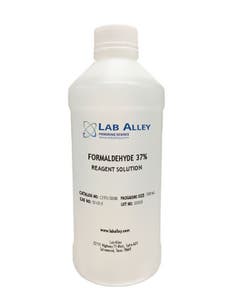
Aqueous formaldehyde solutions called formalin typically contain 37-40% formaldehyde with 6-15% methanol as a stabilizer. This represents the most common commercial form used across industrial, pharmaceutical, and laboratory applications.
The methanol prevents polymerization into paraformaldehyde, which would precipitate from the solution and reduce effectiveness. Alternative stabilizers like carbamide or glycols serve specific applications where methanol creates problems.
Paraformaldehyde
This solid, polymerized form contains 95-97% formaldehyde equivalent and appears as a white powder. Heating or dissolution releases active formaldehyde for applications requiring gaseous formaldehyde rather than liquid solutions. The solid form offers storage and transport advantages with lower vapor hazards compared to formalin solutions, though it requires processing to release usable formaldehyde.
Concentrated Solutions
Higher concentration solutions up to 55% formaldehyde serve industrial applications where dilute solutions prove impractical or inefficient. These specialized formulations deliver increased formaldehyde content for large-scale processes but require extra precautions due to elevated vapor hazards and greater chemical reactivity. They typically appear in industrial operations with appropriate engineering controls and safety systems.
Stabilization Methods
Methanol at 6-15% concentration represents the standard stabilizer, preventing polymerization and maintaining solution stability during storage and transport. Alternative stabilizers like carbamide or glycols address specific situations where methanol interferes with downstream processes or analytical procedures. Each stabilizer system offers different performance characteristics and compatibility with various applications.
Formaldehyde Applications Based on Type
Different grades and forms of formaldehyde serve distinct purposes across various industries. Understanding these applications helps ensure you select the most appropriate type for your specific needs while maintaining safety and regulatory compliance.
Food & Beverage
No food applications exist for formaldehyde due to its toxicity and carcinogenic properties. Historical uses have been discontinued, and current regulations strictly prohibit formaldehyde as a food additive or in food contact applications. Any historical food-related uses are now banned due to serious safety concerns.
Industrial Manufacturing
Technical-grade formaldehyde drives resin production, including phenol-formaldehyde and urea-formaldehyde resins that form the foundation for adhesives, plywood, particleboard, and molded plastics. Manufacturing operations employ it for textile treatment, providing wrinkle resistance, paper treatment, enhancing wet-strength, and wood preservation, protecting against decay and insects. These applications exploit formaldehyde's reactivity and preservative qualities for large-scale production.
Pharmaceuticals & Healthcare
Pharmaceutical-grade formaldehyde inactivates pathogens in vaccine manufacturing, ensuring killed or inactivated vaccines remain safe while maintaining antigenic properties. This critical application demands the highest purity standards and strict regulatory oversight.
The compound also functions as an intermediate in pharmaceutical synthesis, where it transforms into other pharmaceutical ingredients under controlled conditions. All pharmaceutical uses must comply with FDA regulations and good manufacturing practices.
Scientific Research & Lab Work
ACS/Reagent-grade formaldehyde provides essential tissue fixation capabilities for histology, preserving cellular structures for microscopic examination. Pathology laboratories depend on formalin for specimen preservation and diagnostic procedures.
Analytical chemistry uses high-purity formaldehyde for chemical analysis, quality control testing, and research requiring consistent composition. Biochemical research employs it for protein cross-linking studies, DNA-protein interaction research, and molecular biology applications.
Electronics and Specialty Applications
Electronic-grade formaldehyde with minimal metal contamination serves semiconductor manufacturing and electronics production, demanding the highest cleanliness standards. Specialty applications include photographic chemicals, specific chemical synthesis processes, and technical uses requiring particular purity levels or formulation characteristics.
How to Choose the Right Type of Formaldehyde
Selecting the appropriate formaldehyde type requires careful consideration of your specific application, regulatory requirements, and handling capabilities. The right choice ensures optimal performance while maintaining safety and compliance standards.
Consider the required concentration and purity for your application: ACS/Reagent grade for laboratory work requiring high purity, pharmaceutical grade for regulated medical applications where documentation matters, and technical grade for industrial manufacturing, balancing cost-effectiveness with reliable performance.
Regulatory compliance is critical, especially for pharmaceutical, medical, or research applications where documentation and purity standards face strict enforcement. Industrial applications may have different compliance requirements based on environmental regulations and workplace safety standards.
Stabilizer compatibility must be evaluated, as methanol stabilizers can interfere with certain analytical procedures or downstream processes. Assess whether standard methanol-stabilized formalin suits your needs or if alternative stabilizers are necessary.
Understand proper handling requirements: formaldehyde is toxic, carcinogenic, and requires appropriate ventilation, personal protective equipment, and safety protocols regardless of grade. Higher concentrations demand more stringent safety measures and engineering controls.
Storage considerations are important as formaldehyde solutions can polymerize over time, losing effectiveness if not stored properly at controlled temperatures. Evaluate your storage capabilities and select forms that remain stable under available conditions.
Avoid using lower grades in applications requiring higher purity to prevent contamination or regulatory non-compliance issues. Using industrial-grade formaldehyde in pharmaceutical or analytical applications can compromise results and violate regulations.
Always review the Safety Data Sheet (SDS) and ensure you understand specific hazards, handling requirements, and emergency procedures. The carcinogenic nature of formaldehyde demands that selection decisions prioritize safety alongside performance and cost considerations.
Compliance with applicable regulations protects your organization from legal issues while ensuring proper safety practices for this carcinogenic material. Since formaldehyde faces strict regulatory oversight, staying current with requirements becomes an ongoing responsibility.
Need Help Finding the Right Type of Formaldehyde?
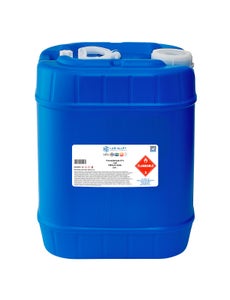
Lab Alley offers formaldehyde in multiple grades and forms, backed by the necessary documentation and certifications. Whether you need it for manufacturing, laboratory research, agriculture, or regulated industries, our products meet high-quality and safety standards.
For more detailed guidance, explore our Resource Library.
Our Customer Care team is also available for more information and documentation, including chemical Safety Data Sheets.
Find Formaldehyde You Can Trust
If you are looking for high-quality formaldehyde for your lab, product line, or research facility, be sure to visit our store to explore our trusted selection and request a quote.
As your trusted partner in chemical supply, Lab Alley is always striving to meet the growing demands of our customers. We want you to be able to access all of your chemical needs in one place, along with streamlined online ordering and fast shipping.
Due to popular demand from our valued clientele, Lab Alley's formaldehyde is available in a range of purities and packaging options to suit various commercial, laboratory, and personal needs.