





How to Store Magnesium Chloride
Magnesium chloride is a hygroscopic salt that absorbs moisture quickly from the air. This property makes proper storage essential to maintain stability, prevent clumping, and ensure safe handling.
Without the right precautions, magnesium chloride can lose effectiveness and present unnecessary safety risks. By managing environmental conditions, using appropriate containers, and following chemical compatibility guidelines, you can extend shelf life and protect workplace safety.
This guide reviews the best practices for storing magnesium chloride, including environmental controls, container requirements, segregation, handling protocols, and regulatory compliance. Applying these recommendations helps preserve product quality, minimize hazards, and ensure compliance with applicable regulations.


In this article, we’ll examine
1. Recommended Storage Conditions
2. Container & Packaging Requirements
3. Segregation & Compatibility
4. Safe Handling in Storage Areas
5. Regulatory Compliance & Labeling
Recommended Storage Conditions
The safety and integrity of magnesium chloride depend on controlling environmental factors such as temperature, humidity, light exposure, and ventilation. Managing these conditions prevents degradation and keeps the chemical in optimal condition.
Temperature
Solid magnesium chloride should be stored at stable, cool temperatures, while aqueous solutions should be kept between 2°C and 8°C to maintain chemical integrity. Large temperature fluctuations can increase the risk of moisture absorption and product breakdown. Storage areas should be away from heat sources or equipment that produces heat.
Humidity Control
Because magnesium chloride readily attracts moisture, humidity control is essential. Airtight, moisture-proof containers are required to keep the product dry. Adding desiccants provides extra protection by absorbing residual moisture and preventing clumping or dissolution over time.
Light Exposure
Direct sunlight and excessive artificial lighting can degrade magnesium chloride during extended storage. To prevent light damage, place containers in shaded areas or use opaque or UV-resistant packaging for long-term storage.
Ventilation
Good air circulation in storage areas helps reduce dust buildup and maintain a safe working environment. Adequate ventilation also limits the concentration of airborne particles, which can be hazardous if inhaled.
Storage Duration
Although magnesium chloride has a long shelf life when stored correctly, it should be inspected periodically during extended storage to check for signs of moisture ingress or quality degradation.
Container & Packaging Requirements
When storing magnesium chloride, the choice of container and proper sealing methods are critical to prevent moisture penetration, leaks, and contamination.
Materials
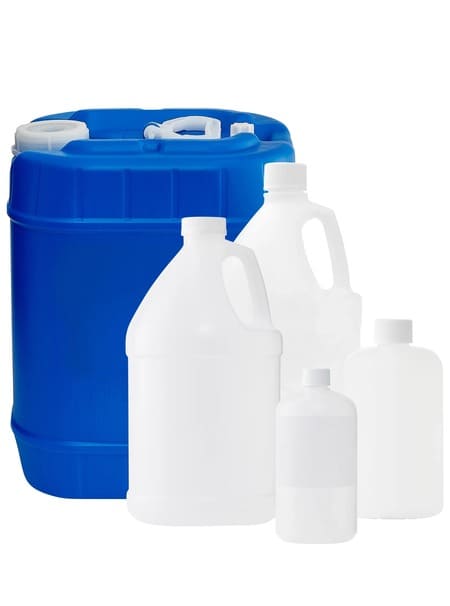
Magnesium chloride should be stored in containers made from sturdy plastic, glass, or lined metal drums. These materials provide resistance to moisture and help preserve the chemical’s stability. Containers made of unlined or reactive metals should be avoided because they can compromise product integrity.
Sealing
All containers should be tightly closed with screw caps or lids to block air and humidity. For bulk storage, secondary containment systems are recommended to ensure that spills or leaks remain controlled and do not spread. Regular inspection of seals helps verify that the product remains fully protected.
Labeling
Every container should display a clear, GHS-compliant label with the chemical name, hazard symbols, handling instructions, and either an expiration date or batch number. Proper labeling supports safe handling, maintains compliance, and allows for accurate tracking of inventory.
Segregation & Compatibility
Even when stored correctly, how magnesium chloride is handled during transport and transfer is critical for safety.
-
Personal Protective Equipment (PPE): Personnel should always wear chemical-resistant gloves and protective goggles when handling magnesium chloride. If dust or aerosols are present, respiratory protection is also necessary. Lab coats or protective clothing prevent contamination of personal items and surfaces, while consistent training reinforces correct PPE use.
-
Transport and Transfer: When transferring magnesium chloride between containers, careful pouring or the use of transfer pumps reduces spills and dust release. Transport within facilities should use sealed containers that resist impact. Secondary containment, such as trays or carts with raised edges, provides an extra layer of protection against leaks.
-
Emergency Preparedness: Spill kits containing absorbent materials and neutralizers must be available in all storage areas. Clear response procedures for leaks or spills should be established, and employees trained to follow evacuation steps if necessary. Fire extinguishers should be present in areas where magnesium chloride is stored alongside flammable materials. Regular drills ensure staff are prepared to act effectively in emergencies.
Safe Handling in Storage Areas
Even when stored correctly, how magnesium chloride is handled during transport and transfer is critical for safety.
-
Personal Protective Equipment (PPE): Personnel should always wear chemical-resistant gloves and protective goggles when handling magnesium chloride. If dust or aerosols are present, respiratory protection is also necessary. Lab coats or protective clothing prevent contamination of personal items and surfaces, while consistent training reinforces correct PPE use.
-
Transport and Transfer: When transferring magnesium chloride between containers, careful pouring or the use of transfer pumps reduces spills and dust release. Transport within facilities should use sealed containers that resist impact. Secondary containment, such as trays or carts with raised edges, provides an extra layer of protection against leaks.
-
Emergency Preparedness: Spill kits containing absorbent materials and neutralizers must be available in all storage areas. Clear response procedures for leaks or spills should be established, and employees trained to follow evacuation steps if necessary. Fire extinguishers should be present in areas where magnesium chloride is stored alongside flammable materials. Regular drills ensure staff are prepared to act effectively in emergencies.
Regulatory Compliance & Labeling
Safe storage of magnesium chloride must comply with safety, transportation, and environmental standards.
-
OSHA and GHS: Containers must carry hazard communication labels in line with OSHA and GHS requirements. These labels should identify the chemical, display hazard symbols, and list handling instructions. Safety Data Sheets (SDS) must remain accessible to all personnel.
-
DOT: The Department of Transportation (DOT) regulates packaging, marking, and labeling for transporting magnesium chloride. Containers must be secured against leaks, and transport staff should follow strict handling protocols.
-
Other Standards: Additional requirements depend on location and sector. U.S. facilities must meet EPA environmental rules and NFPA storage guidelines. European operations are subject to REACH standards for chemical safety. Accurate recordkeeping is necessary for audits and inspections, ensuring compliance across all relevant regulations.
Key Takeaways
Magnesium chloride should be stored in airtight, moisture-proof containers at cool, stable temperatures and away from direct light. It must be kept separate from incompatible chemicals and handled with proper PPE. Regular inspections, safe handling practices, and adherence to all applicable regulations ensure long-term stability and workplace safety.
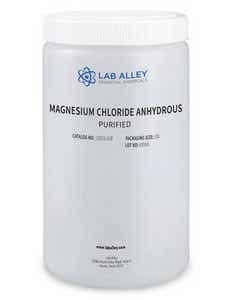
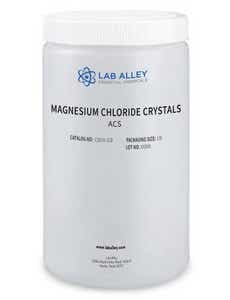
Lab Alley supplies high-quality magnesium chloride in packaging that supports safe storage, transport, and compliance. Whether you are a manufacturer, researcher, or formulator, we offer bulk sizes, SDS documentation, and expert support to help you store and handle your materials with confidence.
For more detailed guidance, explore our Resource Library.
Our Customer Care team is also available for more information and documentation, including chemical Safety Data Sheets.
Need Magnesium Chloride You Can Trust?
If you are looking for high-quality magnesium chloride for your lab, product line, or research facility, be sure to visit our store to explore our trusted selection and request a quote.
As your trusted partner in chemical supply, Lab Alley is always striving to meet the growing demands of our customers. We want you to be able to access all of your chemical needs in one place, along with streamlined online ordering and fast shipping.
Due to popular demand from our valued clientele, Lab Alley's magnesium chloride is available in a range of purities and packaging options to suit various commercial, laboratory, and personal needs.