





How to Store Dimethyl Sulfoxide
Dimethyl sulfoxide, commonly known as DMSO, is a polar aprotic solvent widely used across pharmaceutical, industrial, and research applications for its ability to dissolve both hydrophilic and hydrophobic compounds. Its chemical properties make it valuable in formulation work, cleaning processes, and as a reaction medium, but those same properties create storage demands that differ from many other laboratory solvents.
Proper storage protects both the integrity of the material and the safety of personnel who handle it. DMSO's strong affinity for atmospheric moisture means that even brief exposure to open air can alter its purity, which matters for applications requiring anhydrous conditions. Its tendency to solidify near room temperature and its unusual capacity to carry dissolved substances through skin add further considerations that a standard solvent storage protocol would not address.


In this article, we'll review:
-
Recommended Storage Conditions
-
Container & Packaging Requirements
-
Segregation & Compatibility
-
Safe Handling in Storage Areas
-
Regulatory Compliance & Labeling
Recommended Storage Conditions
Temperature
DMSO should be stored between 20°C and 25°C to maintain its liquid state and prevent unnecessary handling complications. Below 18.5°C, the material solidifies into a wax-like solid, a change that does not damage the product but can interfere with dispensing and transfer operations. If solidification occurs, warm the container gradually rather than exposing it to a direct flame or microwave, both of which can create localized overheating and uneven remelting.
Humidity Control
DMSO is highly hygroscopic and will actively draw moisture from the surrounding air whenever a container is left open or improperly sealed. This moisture uptake can compromise the material for uses that depend on anhydrous conditions, so containers should be sealed immediately after each use rather than left open during pauses in a work session. Facilities working with DMSO regularly should treat resealing as a standard step in every transfer procedure, not an optional precaution.
Light Exposure
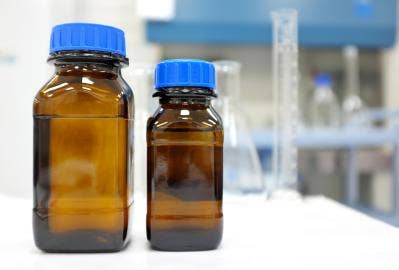
Storage guidance for DMSO calls for protection from light exposure to preserve product stability over time. Amber or other opaque containers reduce the risk of light-driven degradation, particularly for materials stored for extended periods. Facilities using clear containers should position storage areas away from direct sunlight and strong artificial lighting sources.
Ventilation
Storage areas for DMSO should maintain adequate ventilation at all times. When ventilation is insufficient, vapors can accumulate and form a flammable or explosive vapor-air mixture, a risk that becomes more pronounced in enclosed or poorly circulated spaces. Routine airflow checks in storage rooms help confirm that ventilation systems are functioning as intended.
Storage Duration
Under the recommended storage conditions described above, DMSO remains stable for extended periods without special stabilizers or additives. Personnel should periodically inspect stored material for yellowing or changes in odor, both of which can indicate that degradation has begun. Any container showing these signs should be evaluated before use rather than assumed to still meet quality specifications.
Container & Packaging Requirements
Compatible Materials
Glass, high-density polyethylene (HDPE), and stainless steel are all suitable materials for DMSO storage containers. These materials resist the solvent properties of DMSO and do not react with or degrade in its presence. Containers made from materials not confirmed as compatible with strong solvents should be avoided, since DMSO can compromise the structural integrity of unsuitable plastics or coatings over time.
Sealing Requirements
Containers holding DMSO must remain tightly closed at all times outside of active use. Because the material is hygroscopic, even short periods with a loose or open closure allow measurable moisture ingress. A consistent sealing practice, checked at the end of every transfer or dispensing task, is the most effective way to prevent this.
Labeling Requirements
Every container of DMSO should carry GHS-compliant labeling that includes the appropriate hazard pictograms, concentration or grade information, and clear batch or expiration tracking. This labeling supports both safety compliance and inventory management, allowing personnel to quickly identify material age and specification without opening the container. Facilities managing multiple grades of DMSO should apply labeling consistently to avoid mix-ups during retrieval.
Bulk Storage
Bulk quantities of DMSO should be kept in cool, dry, well-ventilated warehouse areas that mirror the conditions recommended for smaller containers. Maintaining container integrity at bulk scale is particularly important, since a compromised seal on a large vessel exposes a proportionally greater volume of material to moisture pickup. Regular inspection of bulk storage vessels helps catch seal or container issues before they affect a significant quantity of product.
Segregation & Compatibility
Incompatible Substances
DMSO should be stored away from several classes of reactive chemicals that can cause hazardous reactions on contact. Personnel should keep the following materials separated from DMSO storage areas:
-
Strong acids
-
Strong oxidizing agents
-
Strong reducing agents
-
Acid chlorides
-
Phosphorus halides
Maintaining physical separation from these substances during storage, not just during active use, reduces the risk of accidental contact.
Storage Grouping
DMSO should be grouped with other compatible solvents and kept apart from storage areas designated for oxidizers or reactive and corrosive materials. This grouping approach limits the chance of cross-contamination or accidental mixing during routine storage area activity. Facilities using color-coded or zone-based storage systems should assign DMSO to a zone consistent with its compatibility profile.
Flammability & Reactivity Precautions
DMSO is classified as a combustible liquid under GHS Category 4, which requires storage areas to be kept away from heat sources, sparks, open flames, and other ignition sources. Personnel should also take care not to heat DMSO above 190°C under any circumstances, as this threshold marks a point at which decomposition and ignition risk increase. These precautions apply throughout storage, not only during active handling or transfer.
Safe Handling in Storage Areas
PPE Requirements
Personnel working in DMSO storage areas should wear chemical-resistant gloves and splash goggles at all times. DMSO's ability to enhance dermal absorption means that glove selection carries more weight than it would for a typical solvent, since a breach in glove material can allow both DMSO and anything dissolved in it to pass through the skin quickly. Any skin contact should be addressed with prompt decontamination rather than delayed until the end of a task.
Transfer & Dispensing
Transferring or dispensing DMSO should be done using non-sparking tools to minimize ignition risk in areas where vapors may be present. Explosion-proof electrical and ventilating equipment should be used wherever transfer operations take place, particularly in enclosed storage or dispensing rooms. These precautions align with the broader ventilation and flammability considerations already built into DMSO storage practices.
Spill Containment
Spilled DMSO should be absorbed using inert absorbent material and the affected area should be washed thoroughly with soap and water. Because DMSO is hygroscopic, any residue left behind after an incomplete cleanup can reattract moisture from the surrounding air, so personnel should confirm the area is fully clean rather than assuming a visible wipe-down is sufficient. Spill response supplies should be kept accessible near storage areas to allow a quick response.
Emergency Equipment
Storage and handling areas for DMSO should have an eyewash station and safety shower readily accessible. Given DMSO's capacity to carry dissolved substances through skin, quick access to these fixtures is important for limiting exposure duration in the event of accidental contact. Equipment should be checked regularly to confirm it remains in working order.
Regulatory Compliance & Labeling
OSHA Regulations
DMSO does not have an established OSHA permissible exposure limit (PEL). In the absence of a specific PEL, facilities should follow general chemical storage and hazard communication requirements under 29 CFR 1910.1200, which govern labeling, safety data sheet access, and employee training for hazardous chemicals in the workplace.
GHS Requirements
Labeling for DMSO should reflect its GHS classification as a combustible liquid, Category 4, including the associated hazard pictograms and hazard statements. This classification informs both the physical labeling on containers and the broader hazard communication program a facility maintains for personnel who handle the material.
Industry-Specific Compliance
Pharmaceutical or USP-grade DMSO may carry additional handling requirements tied to its specific grade designation. Facilities working with pharmaceutical-grade material should confirm that their storage practices align with any grade-specific specifications provided by their supplier or required by their quality system.
SDS Requirements
A current safety data sheet for DMSO should be maintained and readily accessible at both storage and use locations. Keeping the SDS up to date and within reach ensures personnel have immediate access to hazard, handling, and emergency response information whenever they are working with the material.
Conclusion
Storing DMSO correctly comes down to managing a handful of interconnected factors: keeping temperature within range, preventing moisture exposure, and maintaining the container and segregation practices that keep the material both stable and safe to handle. These requirements are not especially burdensome on their own, but they do require consistent attention, since a single lapse, such as an unsealed container or a missed ventilation check, can compromise either product quality or personnel safety.
Facilities that build these practices into routine storage and handling procedures will find that DMSO presents few surprises. The material's hygroscopic nature and dermal absorption properties are well understood and manageable with the storage conditions, container choices, and PPE practices outlined above.
For more detailed guidance, explore our Resource Library.
Our Customer Care team is also available for more information and documentation, including chemical Safety Data Sheets.
Need Dimethyl SulfoxideYou Can Trust?
If you are looking for high-quality dimethyl sulfoxide for your lab, product line, or research facility, be sure to visit our store to explore our trusted selection and request a quote.
As your trusted partner in chemical supply, Lab Alley is always striving to meet the growing demands of our customers. We want you to have all your chemical needs in one place, with streamlined online ordering and fast shipping.
Due to popular demand from our valued clientele, Lab Alley's dimethyl sulfoxide is available in a range of purities and packaging options to suit various commercial, laboratory, and personal needs.