





How to Store Ethyl Ether
Ethyl ether, also known as diethyl ether, is a clear, volatile solvent widely used in laboratories, pharmaceutical manufacturing, and extraction processes. Its extremely low flash point and boiling point make it one of the most flammable common solvents in routine use, and its tendency to form explosive organic peroxides when exposed to air and light adds a second, less visible hazard that develops over time in storage.
Because these two risks compound each other, ethyl ether cannot be stored the way most other solvents are. Container integrity, temperature control, light exposure, and testing schedules all directly affect how safely it can be kept on hand, and lapses in any one of these areas can turn a routine storage container into a serious hazard.


In this article, we'll explore:
-
Recommended Storage Conditions
-
Container & Packaging Requirements
-
Segregation & Compatibility
-
Safe Handling in Storage Areas
-
Regulatory Compliance & Labeling
-
Environmental & Safety Considerations
-
Special Considerations
Recommended Storage Conditions
Temperature
Ethyl ether should be stored in a cool area, ideally between 2 and 8°C, using a refrigerator specifically rated for flammable liquid storage. A standard household refrigerator must never be used, since its internal components include switches and other potential ignition sources that can trigger vapor combustion inside the unit.
Humidity Control
Moisture is not a significant concern for ethyl ether in storage. The more pressing requirement is keeping containers tightly and continuously sealed, since air exposure, not humidity, drives the formation of hazardous peroxides.
Light Exposure
Ethyl ether should be kept away from direct light or stored in amber or otherwise opaque containers. Ultraviolet and visible light exposure accelerates the photooxidation process that leads to peroxide formation, so limiting light contact directly reduces this risk.
Ventilation
Storage areas need reliable ventilation, since ethyl ether vapors are heavier than air and can travel along floors and low-lying surfaces to reach a distant ignition source. Adequate airflow helps prevent vapor accumulation in enclosed or low-lying spaces where a flash fire could otherwise ignite.
Storage Duration
Unopened containers of ethyl ether are generally stable for approximately 12 months from the date of receipt. Once a container is opened, it should be dated and tested periodically for peroxide formation, and it should be retested or discarded if it remains in use beyond 3 to 6 months.
Container & Packaging Requirements
Compatible Materials
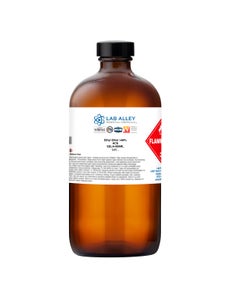
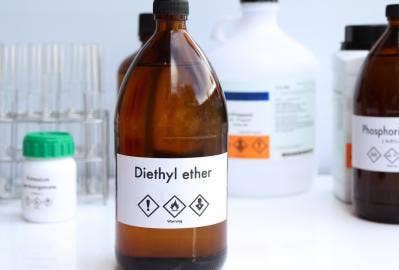
Ethyl ether should be kept in its original manufacturer's packaging, typically amber glass fitted with a peroxide-inhibitor-compatible cap. Containers or closures that promote peroxide formation or degrade on contact with the solvent should be avoided entirely.
Sealing Requirements
Containers require a tight, airtight seal at all times to limit air ingress and reduce vapor loss. Even brief or repeated opening increases the surface area exposed to air, which speeds peroxide development inside the container.
Labeling Requirements
Every container should carry GHS-compliant hazard labeling along with the date it was received and the date it was first opened. These dates are essential for tracking when peroxide testing is due and for identifying containers that have exceeded safe storage timelines.
Bulk Storage
Bulk quantities of ethyl ether require grounded, properly vented tanks rated for flammable liquid storage. Temperature control is necessary to keep bulk storage well below the solvent's boiling point of 34.6°C, preventing excessive vapor pressure buildup within the tank.
Segregation & Compatibility
Incompatible Substances
Ethyl ether must be stored away from materials that could initiate combustion or accelerate peroxide formation. Specific categories to segregate include:
-
Oxidizing agents
-
Strong acids
-
Halogens
-
Heat sources, sparks, and open flames
Storage Grouping
Ethyl ether should be kept in a dedicated flammable liquids storage cabinet, physically separated from oxidizing and reactive chemical groups. Proper grouping prevents accidental cross-contact during routine storage and retrieval.
Flammability & Reactivity Precautions
Ethyl ether is classified as an OSHA and NFPA Class IB flammable liquid due to its low flash point and boiling point. Facilities should keep stored quantities within the limits established under OSHA 1910.106 and ensure storage areas remain free of any ignition sources.
Safe Handling in Storage Areas
PPE Requirements
Personnel handling ethyl ether in storage areas should wear chemical splash goggles, nitrile or neoprene gloves, and flame-resistant clothing. This combination protects against both direct skin and eye contact and the risk of vapor ignition near clothing.
Transfer & Dispensing
Any transfer or dispensing of ethyl ether should include proper grounding and bonding to prevent static discharge, which can ignite vapors even from a small spark. Only non-sparking, explosion-proof equipment should be used during these operations.
Spill Containment
Spills should be managed with inert absorbent material rather than tools or methods that could generate friction, heat, or static electricity. Because ethyl ether is highly flammable and volatile, all ignition sources must be eliminated from the area before cleanup begins.
Emergency Equipment
Storage areas should be equipped with accessible eyewash stations and safety showers in case of contact exposure. A Class B fire extinguisher rated for flammable liquid fires should also be readily available near the storage location.
Regulatory Compliance & Labeling
OSHA Regulations
Ethyl ether storage falls under OSHA's flammable liquids standard, 29 CFR 1910.106, along with the Hazard Communication requirements of 29 CFR 1910.1200. These regulations govern container quantities, cabinet design, and labeling obligations for facilities that store the solvent.
GHS Requirements
Labeling must include GHS pictograms for flammable liquids and health hazards, along with hazard statements addressing peroxide formation. This ensures anyone handling the container understands both the immediate flammability risk and the longer-term storage hazard.
NFPA & DOT
Ethyl ether carries an NFPA 704 rating of approximately Health 1, Flammability 4, and Instability 1, reflecting its severe fire risk. For transport, it is classified under DOT Hazard Class 3 with the designation UN1155.
Industry-Specific Compliance
Ethyl ether storage does not carry food- or pharmaceutical-grade storage exemptions. Facilities across industries follow the same standard industrial requirements that generally apply to flammable liquid storage.
SDS Requirements
A current safety data sheet must be readily accessible at every storage location. Personnel should reference the SDS not only for hazard information but for the peroxide testing schedule specific to the product on hand.
Environmental & Safety Considerations
Fire Suppression
Storage areas should be equipped with fire suppression systems rated for flammable liquid fires. Water alone is not sufficient, since ethyl ether is lighter than water and a fire can spread across the surface if water is used as the primary extinguishing method.
Secondary Containment
Bulk storage installations require secondary containment to catch leaks or spills before they spread and to limit vapor accumulation around the storage area. This containment also reduces the risk of contamination reaching drains or surrounding surfaces.
Wastewater & Environmental Impact
Ethyl ether should never be released into drains or the surrounding environment. Waste disposal follows the EPA RCRA waste code U056, and facilities should route unused or expired material through appropriate hazardous waste channels rather than standard disposal.
Electrical Equipment Standards
All electrical fixtures and equipment in ethyl ether storage areas must meet explosion-proof standards. This includes lighting, switches, and any powered equipment located near the storage cabinet or bulk tank.
Special Considerations
Peroxide Testing Protocol
Opened containers of ethyl ether should be tested for peroxides on a regular schedule, following manufacturer and SDS guidance, before use, before extending storage, and before disposal. This testing is the primary safeguard against the solvent's most distinctive storage hazard.
Crystallization Warning
Visible crystals, films, or residue around a container's cap are a warning sign of peroxide formation. If these are observed, the container should not be opened, moved, or disturbed in any way, and safety personnel should be contacted immediately for professional handling.
Conclusion
Storing ethyl ether safely requires attention to two intersecting hazards: its extreme flammability and its tendency to form explosive peroxides over time. Cool, dark, well-sealed storage combined with proper labeling, segregation, and a consistent peroxide testing schedule addresses both risks and keeps personnel and facilities protected.
Facilities that follow these storage practices, along with the applicable OSHA and DOT requirements, reduce both the immediate fire risk and the longer-term hazard that can develop unnoticed in an aging container. Lab Alley supplies ethyl ether with documentation to support these storage and compliance needs, and can be contacted directly for current SDS information or product-specific guidance.
For more detailed guidance, explore our Resource Library.
Our Customer Care team is also available for more information and documentation, including chemical Safety Data Sheets.
Need Ethyl Ether You Can Trust?
If you are looking for high-quality ethyl ether for your lab, product line, or research facility, be sure to visit our store to explore our trusted selection and request a quote.
As your trusted partner in chemical supply, Lab Alley is always striving to meet the growing demands of our customers. We want you to have all your chemical needs in one place, with streamlined online ordering and fast shipping.
Due to popular demand from our valued clientele, Lab Alley's ethyl ether is available in a range of purities and packaging options to suit various commercial, laboratory, and personal needs.