





MCT Oil Uses & Applications
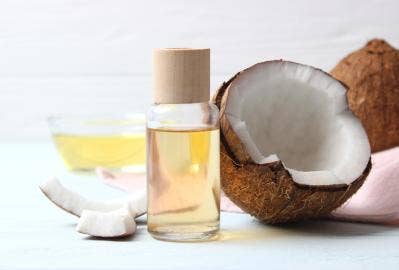
MCT Oil (Medium-Chain Triglyceride Oil) is a clear, odorless liquid fat derived from coconut oil or palm kernel oil, consisting primarily of caprylic acid (C8) and capric acid (C10) fatty acids. Its defining characteristics, such as rapid absorption, efficient metabolism, and stability at room temperature, distinguish it from long-chain triglycerides and drive its adoption across nutritional, pharmaceutical, and industrial applications. The neutral flavor and odor profile make it compatible with a broad range of formulations without affecting the sensory properties of finished products.
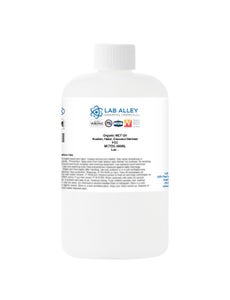
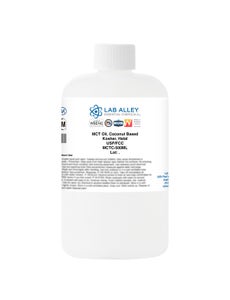
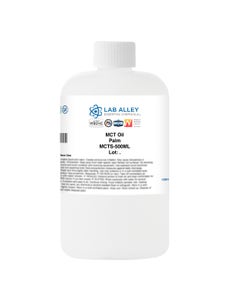
MCT Oil is available in several formulations suited to different application requirements: organic coconut-derived oil meeting USP and FCC standards with Kosher and Halal certifications, palm kernel-derived oil for cost-effective food and supplement use, and coconut-based USP/FCC food-grade oil with full Kosher and Halal compliance. These options serve a wide range of industries, including dietary supplements, functional foods, pharmaceuticals, sports nutrition, personal care, and animal nutrition.


In this article:
-
Medical & Pharmaceutical Uses
-
Food & Beverage Industry
-
Nutritional Supplements & Dietary Products
-
Sports Nutrition & Athletic Performance
-
Personal Care & Cosmetics
-
Infant & Pediatric Nutrition
-
Animal Nutrition & Pet Supplements
-
Functional Food Development
-
Research & Laboratory Applications
-
Industrial & Manufacturing Applications
Medical & Pharmaceutical Uses
Excipient in Drug Formulations
MCT Oil functions as a carrier oil for lipophilic drugs and fat-soluble active compounds in pharmaceutical formulations. Its low viscosity, chemical inertness, and compatibility with a wide range of APIs make it a practical choice for improving solubility and bioavailability in both oral and topical drug delivery systems.
Medical Nutrition & Enteral Feeding
Patients with malabsorption disorders, short bowel syndrome, or critical illness require fat sources that can be absorbed without full gastrointestinal processing. MCT Oil is incorporated into clinical nutrition products and tube feeding formulations because it is hydrolyzed and absorbed more rapidly than conventional long-chain fats, reducing the metabolic burden on compromised digestive systems.
Epilepsy Management
Medium-chain triglycerides have a well-established role in ketogenic diet therapy for drug-resistant epilepsy. By promoting ketone production, MCT Oil supports the neurological environment associated with reduced seizure frequency in both pediatric and adult patients for whom standard pharmaceutical interventions have been insufficient.
Lipid Emulsions
MCT Oil is used as an ingredient in injectable lipid emulsions formulated for parenteral nutrition. In patients who cannot receive adequate nutrition enterally, these emulsions provide a critical source of calories and essential fatty acids delivered directly into the bloodstream.
Fat-Soluble Vitamin Delivery
Vitamins A, D, E, and K require a fat medium for proper absorption. MCT Oil serves as an efficient carrier in supplement and pharmaceutical formulations designed to deliver these nutrients, improving uptake compared to formulations that rely on less readily absorbed lipid vehicles.
Food & Beverage Industry
Functional Beverages
MCT Oil is added to coffee, smoothies, protein shakes, and health-focused drinks to enhance energy content and nutritional value. Its most prominent application in this category is bulletproof-style coffee, where it is blended with butter or ghee to produce a high-fat beverage intended to support sustained energy and satiety in ketogenic and paleo dietary frameworks.
Food Fortification
Manufacturers use MCT Oil to enrich a range of products, such as baked goods, energy bars, and meal replacement formulas, with a concentrated, rapidly metabolized fat source. The oil's neutral profile means it integrates into these products without altering flavor or aroma.
Cooking Oil
With a smoke point of approximately 320°F (160°C), MCT Oil is suitable for light sautéing and medium-heat cooking applications. It is not appropriate for high-heat methods such as deep frying, but it performs well in low-temperature cooking and as a finishing oil.
Salad Dressings & Marinades
MCT Oil's light texture and neutral flavor make it a practical base for low-carbohydrate and ketogenic-friendly salad dressings and marinades. It blends readily with vinegars, herbs, and flavor compounds without adding unwanted taste characteristics to the finished product.
Dairy Alternatives
As demand for plant-based products has grown, MCT Oil has become a common fat component in non-dairy creamers, plant-based coffee creamers, and other dairy alternative formulations. It contributes a rich mouthfeel and stable emulsion behavior that mirrors the functional role of dairy fat.
Nutritional Supplements & Dietary Products
Ketogenic Diet Supplements
MCT Oil is one of the primary fat sources used in ketogenic and low-carbohydrate diet formulations. Unlike dietary carbohydrates and most long-chain fats, medium-chain triglycerides are converted to ketones relatively quickly, providing an energy source that does not trigger a significant insulin response. This makes MCT Oil a core ingredient in products targeting metabolic fat adaptation.
Weight Management Products
MCT Oil appears in meal replacement formulas and weight management supplements based on its potential to support satiety and metabolic function. It is incorporated at defined concentrations to contribute fat calories in a form that is processed differently than longer-chain fats, which has made it a standard ingredient in this product category.
Energy Supplements
Rapid hepatic metabolism means MCT Oil can serve as a fast-acting energy substrate for both mental and physical performance without relying on glucose metabolism. This property positions it as a functional ingredient in energy supplements targeting sustained cognitive clarity and physical output throughout the day.
Brain Health Formulations
Ketones generated from MCT Oil metabolism can cross the blood-brain barrier and serve as an alternative fuel for neurons. This has driven use in cognitive support supplements targeting populations where glucose metabolism may be impaired or where enhanced mental clarity is a stated performance goal.
Nutritional Shakes & Powders
MCT Oil is a standard fat component in protein shakes, meal replacements, and nutritional powder formulations. In powdered formats, it is typically spray-dried onto a carrier substrate to produce a free-flowing powder that disperses readily in liquid without clumping or separation.
Sports Nutrition & Athletic Performance
Pre-Workout Supplements
Athletes and fitness users incorporate MCT Oil into pre-workout formulations as a rapidly available energy source. Because medium-chain triglycerides bypass some of the steps required to metabolize longer-chain fats, they can provide fuel more quickly ahead of training sessions, particularly for those following low-carbohydrate dietary protocols.
Endurance Formulations
For long-duration activities such as running, cycling, and triathlon competition, sustained energy availability is critical. MCT Oil is used in endurance products to provide a fat-based energy source that complements glycogen stores and can help extend performance capacity during prolonged aerobic output.
Post-Workout Recovery
MCT Oil appears in recovery formulations for its role in supporting metabolic recovery and limiting muscle protein breakdown after intense exercise. Combined with protein and other recovery-focused ingredients, it contributes to the caloric and macronutrient profile needed to support tissue repair and glycogen replenishment.
Energy Gels & Bars
Portable sports nutrition products, including energy gels and bars, use MCT Oil as a concentrated fat-based energy source suitable for consumption during training or competition. Its liquid form integrates easily into gel matrices, and its caloric density makes it efficient for high-energy portable formats.
Paint, Coatings & Adhesives Industry
Skin Moisturizers
MCT Oil is used as a lightweight emollient in lotions, creams, and body oils. Its low molecular weight allows for good skin penetration without the greasy residue associated with heavier carrier oils, making it a preferred ingredient in formulations where skin feel and absorption rate are primary performance criteria.
Hair Care Products
In shampoos, conditioners, and hair treatments, MCT Oil contributes moisturizing properties and improves shine and manageability. It is compatible with a range of surfactant and conditioning systems, and its stability at room temperature makes it a reliable ingredient in formulations with extended shelf life requirements.
Massage Oils
MCT Oil is a widely used carrier in massage therapy products. It spreads smoothly, absorbs well, and provides the glide properties required for effective massage application. Its neutral scent makes it suitable as a base for essential oil blends without competing aromatic profiles.
Lip Balms & Beard Oils
In lip care products, MCT Oil contributes a smooth, conditioning texture that supports moisture retention. In beard and facial hair grooming products, it softens coarse hair and conditions the underlying skin. Both applications benefit from their lightweight feel and compatibility with other cosmetic actives.
Body Scrubs
MCT Oil serves as the oil base in exfoliating body scrub formulations, where it combines cleansing action with skin moisturization. As the scrub removes surface skin cells, the oil component conditions the skin simultaneously, reducing the need for a separate moisturizing step.
Infant & Pediatric Nutrition
Infant Formula
MCT Oil is incorporated as a fat component in specialized infant formulas, where its digestibility and absorption characteristics are particularly valuable. It is used in hypoallergenic formulas designed for infants with food sensitivities or allergies, where conventional fat sources may be poorly tolerated or require substitution.
Pediatric Medical Foods
Children with metabolic disorders such as long-chain fatty acid oxidation disorders or fat malabsorption conditions require fat sources that can be processed without full mitochondrial beta-oxidation of long-chain lipids. MCT Oil-based medical foods provide an alternative fat source that these patients can metabolize safely under clinical supervision.
Ketogenic Pediatric Diets
Ketogenic therapy for pediatric epilepsy has a longer clinical history than most dietary interventions in children, and MCT Oil has been a component of these protocols for decades. MCT-based ketogenic formulas allow for higher carbohydrate and protein intake relative to traditional fat-based ketogenic diets while still generating sufficient ketones for therapeutic effect.
Premature Infant Nutrition
Premature infants have immature gastrointestinal systems that limit their capacity to absorb and process conventional dietary fats. MCT Oil is included in formulas and clinical nutrition products for preterm infants because its absorption does not depend on the bile acid and pancreatic lipase activity that full-term infants develop closer to term.
Animal Nutrition & Pet Supplements
Pet Food Supplements
MCT Oil is added to premium pet food formulations and standalone supplements for dogs and cats as a concentrated, easily metabolized energy source. Pet owners and veterinary nutritionists use it to support general health, cognitive function, and coat condition, particularly in animals on grain-free or reduced-carbohydrate diets.
Ketogenic Pet Diets
Therapeutic ketogenic diets for pets with specific health conditions, including certain neurological conditions and cancer management protocols, incorporate MCT Oil as the primary fat source. The same metabolic mechanism that makes MCT Oil useful in human ketogenic therapy applies in veterinary contexts, where ketone availability is the therapeutic target.
Performance Animal Feeds
Working dogs, racing animals, and performance horses have elevated energy demands that benefit from rapidly available fat calories. MCT Oil provides a fuel source that can be incorporated into performance feeds at meaningful concentrations, supporting sustained output in animals with high daily energy expenditure.
Veterinary Diets
Pets with pancreatitis, fat malabsorption, or metabolic disorders may require modified fat intake that reduces the burden on impaired digestive systems. MCT Oil is used in veterinary prescription diets formulated for these conditions, offering a fat source that bypasses some of the processing steps that can be problematic for affected animals.
Functional Food Development
Keto-Friendly Products
MCT Oil is an essential formulation ingredient in the growing category of ketogenic convenience foods, including breads, snack products, and ready-to-eat meals. These products use MCT Oil to achieve target fat-to-carbohydrate ratios while maintaining the texture and palatability that consumers expect from conventional analogs.
Nut Butters
Specialty nut butters, including almond, cashew, and macadamia varieties positioned for ketogenic or high-fat dietary use, incorporate MCT Oil to increase fat density and improve spreadability. The addition enhances nutritional positioning without significantly altering the flavor profile of the base product.
Baking Applications
MCT Oil functions as a substitute for conventional fats in low-carbohydrate and ketogenic baking recipes. Its liquid form at room temperature and neutral taste make it adaptable across a range of baked applications, from muffins and cookies to quick breads, where it contributes fat content and moisture without the need for melting or temperature conditioning.
Confectionery Products
Sugar-free and keto-aligned confectionery products, including chocolate bars, gummies, and specialty desserts, use MCT Oil as a fat component that contributes caloric density and mouthfeel while remaining compatible with low-glycemic sweetener systems. Its stability supports the shelf life requirements of packaged confectionery formats.
Research & Laboratory Applications
Metabolic Research
MCT Oil is an established tool in metabolic research settings for studying ketone production, energy substrate utilization, and the physiological effects of fat-based fuel sources. Controlled administration of medium-chain triglycerides allows researchers to modulate ketone levels in study subjects without the full dietary restrictions of a classical ketogenic protocol.
Nutritional Studies
Clinical trials investigating the effects of MCT supplementation on body composition, cognitive performance, cardiovascular markers, and metabolic parameters rely on standardized MCT Oil preparations to ensure consistent dosing. The availability of characterized, tested formulations is essential for generating reproducible research results.
Pharmaceutical Research
Drug delivery researchers use MCT Oil in the development of lipid-based drug delivery systems, including self-emulsifying drug delivery systems (SEDDS) and nanoemulsions. Its well-characterized solubilization properties and regulatory acceptance as an excipient make it a practical starting point for formulation development work.
Neuroscience Research
The relationship between ketone metabolism and brain function is an active area of investigation, with MCT Oil used to produce controlled elevations in circulating ketones for studies on neurological conditions including Alzheimer's disease, traumatic brain injury, and age-related cognitive decline. Research in this area has been a significant driver of broader clinical and consumer interest in MCT supplementation.
Industrial & Manufacturing Applications
Flavor & Fragrance Carrier
MCT Oil functions as a solvent and carrier for flavoring compounds and essential oils in food and beverage production. Its chemical stability and low reactivity make it an effective diluent that preserves the integrity of sensitive aromatic compounds through processing and storage.
Emulsifier Systems
In both food and cosmetic manufacturing, MCT Oil is incorporated into emulsification systems where a stable, low-viscosity oil phase is required. Its consistent physicochemical properties make it a predictable component in emulsion formulations that must meet tight stability and particle size specifications.
Lubricant Formulations
Food-grade and pharmaceutical-grade lubricants used in production equipment and packaging machinery may incorporate MCT Oil as a base oil where incidental food contact is possible. Its GRAS status and food-grade certifications make it a compliant choice in regulated manufacturing environments.
Surfactant & Plasticizer Production
MCT Oil serves as a raw material in the synthesis of surfactants, specialty plasticizers, and polymer additives. The caprylic and capric acid composition provides a defined fatty acid chain length that produces predictable reaction outcomes in esterification and other oleochemical processes.
MCT Oil Grades and Pack Sizes
Lab Alley offers MCT Oil in multiple grades and formulations to serve the full range of nutritional, pharmaceutical, personal care, and industrial applications.
Available Grades & Formulations
-
Organic MCT Oil, Kosher, Halal, USP/FCC derived from coconut oil for premium supplements, organic food, and pharmaceutical applications
-
MCT Oil derived from palm kernel oil, Kosher certified for cost-effective food and supplement use
-
MCT Oil coconut-based USP/FCC/Food Grade, Kosher and Halal certified for dietary supplements, functional foods, and pharmaceutical applications
Pack Sizes & Industrial Availability
-
Laboratory and consumer bottles: 500 mL, 1 L for personal use and small-scale applications
-
Commercial containers: 1 gallon, 4L, 5 gallons for food service and manufacturing operations
-
Industrial drums: 55 gallons for large-scale food processing and supplement manufacturing
-
Case and pallet quantities available for bulk purchasing and commercial production
-
All products packaged in food-grade containers with proper labeling and certifications
Lab Alley provides Certificates of Analysis (COAs) and Safety Data Sheets (SDSs) with all MCT Oil orders. Contact Lab Alley for volume pricing, bulk availability, and application-specific grade recommendations.
Final Note
MCT Oil's combination of rapid metabolization, broad certification coverage, and formulation flexibility makes it one of the most widely applied functional lipids across both consumer and industrial markets. From clinical nutrition and pharmaceutical drug delivery to sports performance, personal care, and specialty food development, it serves a range of applications that few single ingredients can match. Its continued presence across emerging research areas and high-growth product categories reflects both its established efficacy and its adaptability to evolving formulation requirements.
For more detailed guidance, explore our Resource Library.
Our Customer Care team is also available for more information and documentation, including chemical Safety Data Sheets.
Need MCT Oil You Can Trust?
If you are looking for high-quality MCT oil for your lab, product line, or research facility, be sure to visit our store to explore our trusted selection and request a quote.
As your trusted partner in chemical supply, Lab Alley is always striving to meet the growing demands of our customers. We want you to be able to access all of your chemical needs in one place, along with streamlined online ordering and fast shipping.
Due to popular demand from our valued clientele, Lab Alley's MCT oil is available in a range of purities and packaging options to suit various commercial, laboratory, and personal needs.