





MCT Oil Overview
MCT oil is a refined dietary supplement and food ingredient composed of medium-chain triglycerides, fats built from fatty acid chains of 6 to 12 carbon atoms. Also known as Fractionated Coconut Oil, Caprylic/Capric Triglyceride, and Neutral Oil, it is produced primarily from coconut oil or palm kernel oil through fractionation and is used across nutritional supplements, sports nutrition, medical nutrition, ketogenic diet products, cosmetics, and food manufacturing.
What distinguishes MCT oil from most dietary fats is its metabolic behavior. Because medium-chain fatty acids bypass the lymphatic system and travel directly to the liver via the portal vein, they are oxidized rapidly and serve as a fast-acting energy source. This property makes MCT oil valuable in clinical nutrition, ketogenic therapy, and performance applications where rapid energy availability is a priority.
MCT oil carries a strong safety and regulatory profile. It holds GRAS status for food use, is recognized in the USP/NF for pharmaceutical applications, and is accepted internationally for food, pharmaceutical, and cosmetic use. Its high degree of saturation makes it resistant to oxidation and rancidity, extending both its functional stability and practical shelf life.
Properties of MCT Oil
Key Facts
-
Compound Name: Medium-Chain Triglyceride Oil (MCT Oil)
-
Synonyms/Common Names: MCT Oil, Medium-Chain Triglyceride Oil, Fractionated Coconut Oil, Caprylic/Capric Triglyceride, Neutral Oil
-
Chemical Formula: Mixture of triglycerides; no single molecular formula. Primary components are caprylic acid (C8:0) and capric acid (C10:0) triglycerides.
-
CAS Number: 73398-61-5 (caprylic/capric triglyceride mixture); individual components have separate CAS numbers
-
Molar Mass: Approximately 500–550 g/mol (varies by fatty acid composition)
-
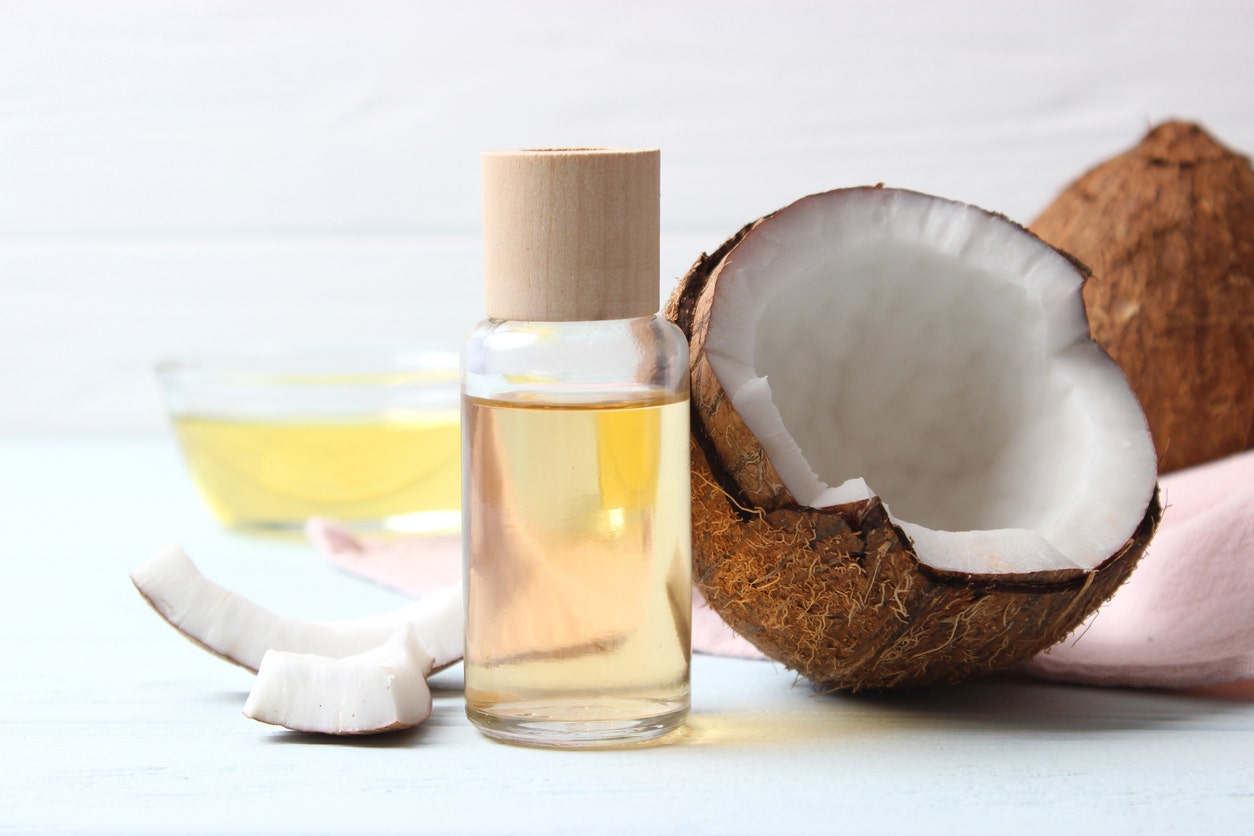
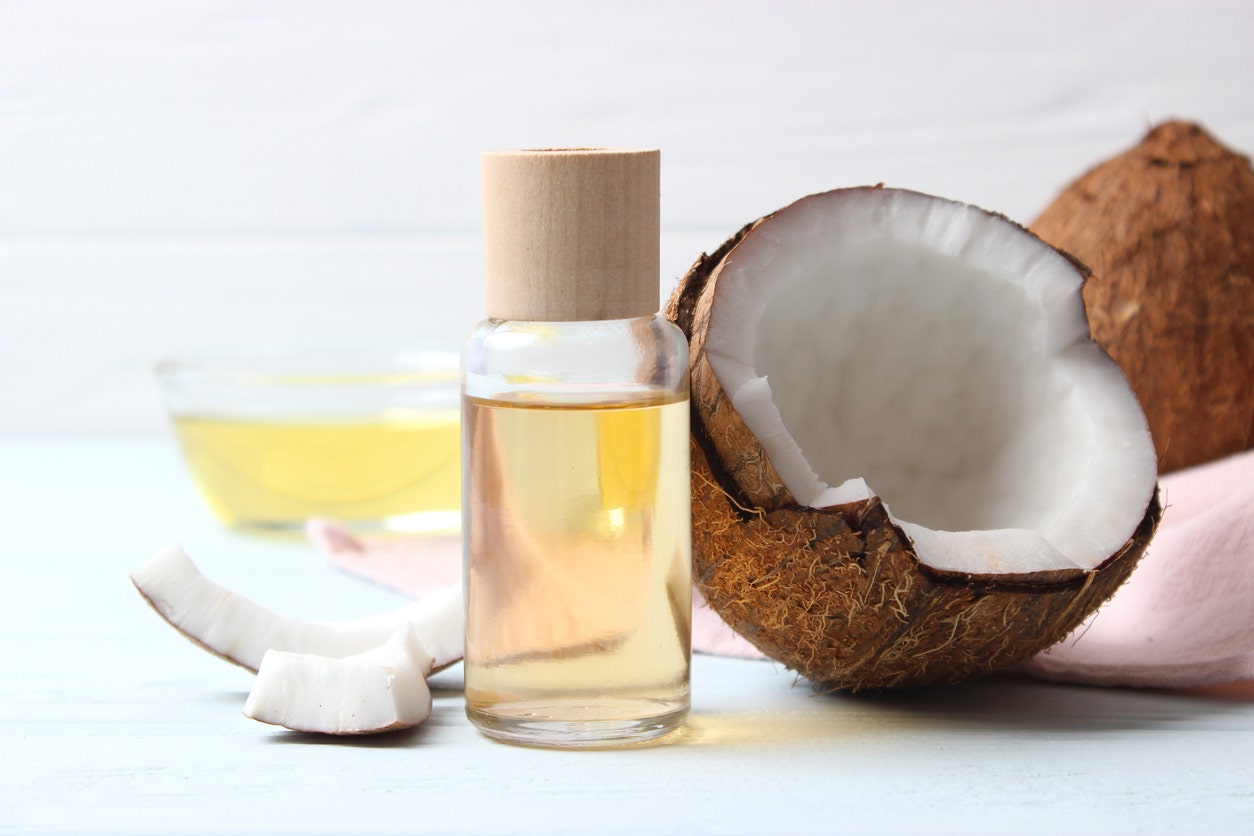
Appearance: Clear, colorless to pale yellow liquid; odorless or nearly odorless
Density and Behavior Relative to Water
MCT oil has a density of 0.94-0.96 g/cm³ at 20°C, with a specific gravity of approximately 0.945, placing it lighter than water. Its viscosity of 25-30 cP at 25°C is notably low for an oil, which contributes to its ease of handling, blending, and use as a carrier in formulations.
MCT oil is a clear, colorless to pale yellow liquid composed of medium-chain triglycerides derived primarily from coconut oil or palm kernel oil. Unlike long-chain fats, MCTs are rapidly absorbed and metabolized by the body, providing a quick source of energy. MCT oil functions as a nutritional ingredient, carrier oil, and formulation aid in food, beverage, dietary supplement, pharmaceutical, and cosmetic applications. Its neutral taste, excellent stability, and efficient metabolism make it a popular ingredient in ketogenic nutrition products, sports supplements, medical nutrition formulas, and personal care products. U.S. laboratories, manufacturers, and formulators sourcing MCT oil by grade and packaging size, contact Lab Alley at 512-668-9918 for product selection and ordering support.
Melting Point, Thermal Stability, and Flash Point
MCT oil melts between -10°C and 0°C (14°F to 32°F), remaining liquid at room temperature and in refrigerated storage. It does not have a true boiling point, decomposing instead of boiling, and retains stability up to approximately 160°C (320°F). The flash point exceeds 110°C (230°F), classifying it as a combustible liquid with low fire hazard under normal handling conditions.
Solubility and Miscibility
MCT oil is insoluble in water but soluble in organic solvents, including ethanol, isopropanol, and chloroform, and it is fully miscible with other oils and fats. This makes it an effective carrier and solubilizer for lipophilic active ingredients in pharmaceutical, cosmetic, and food formulations.
Reactivity and Chemical Stability
MCT oil is highly resistant to oxidation due to its saturated fatty acid composition and does not polymerize under normal conditions. It is compatible with most container materials, including glass, HDPE, PET, and stainless steel, and does not corrode metals. Strong acids or bases can hydrolyze the triglyceride structure through saponification, and prolonged exposure to temperatures above 40°C should be avoided in storage.
MCT oil from Lab Alley is available as a high-purity, clear liquid derived from refined medium-chain triglycerides, suitable for food, dietary supplement, cosmetic, pharmaceutical, and industrial applications. Available in food-grade and USP-grade specifications, it supports nutritional formulations, personal care products, carrier oil applications, and specialty manufacturing processes. Packaging ranges from small laboratory and commercial containers to bulk drums and totes to meet research, production, and large-scale supply requirements.
Common Uses & Applications
Industrial Applications
MCT oil serves as a plasticizer in polymer production, a base oil for lubricants, and a component in surfactant and detergent manufacturing. It is also used in ester synthesis for specialty chemicals, biodegradable hydraulic fluids, and metalworking fluids. In food manufacturing, it functions as a flavor carrier for fat-soluble flavors and nutrients and as a release agent for molding processes.
Scientific and Laboratory Uses
In pharmaceutical research and formulation, MCT oil is a widely accepted excipient used to solubilize poorly water-soluble active pharmaceutical ingredients and as a fill material for softgel capsules. It supports controlled-release formulation work and serves as a vehicle for lipophilic drug delivery in both oral and topical applications. In laboratory settings, it is also used as a carrier oil for essential oil dilution and formulation testing.
Consumer and Household Uses
MCT oil is a staple ingredient in ketogenic diet products, including bulletproof coffee blends, meal replacement beverages, and protein shakes, where it provides rapid energy and supports ketone production. It appears in energy bars, functional snacks, salad dressings, and dairy and non-dairy creamers. In personal care, it is formulated into moisturizers, hair conditioners, massage oils, and lip balms for its lightweight, non-greasy emollient properties.
Specialized Applications
Clinically, MCT oil is used in medical foods for patients with malabsorption disorders, including those with pancreatic insufficiency, Crohn's disease, and celiac disease, as well as in enteral and parenteral nutrition formulations. It plays a role in ketogenic therapy for epilepsy and seizure disorders and is used in premature infant nutrition and in ongoing research into nutritional support for Alzheimer's disease and dementia. In animal nutrition, it is formulated into supplements for livestock, companion animals, and performance animals.
Fight Your Kidney Stone with This Natural Product Hack
Fight kidney stones. Discover how citric acid naturally prevents stone formation.

Is Lactic Acid Bad? A Look at the Health Science
Is lactic acid bad for you? Debunking myths and revealing its vital role in your body & beyond.
Hospitality Without Hitchhikers: Boric Acid’s Role in Bed Bug Prevention
Protect your hospitality business. Boric acid is key to preventing bed bug infestations.
Harnessing Silica Sulfuric Acid to Enhance Concrete Durability
Enhance concrete longevity. Silica sulfuric acid improves strength and chemical resistance.
Safety & Handling
Hazards and Precautions
MCT oil is not classified as a hazardous substance under OSHA HazCom and holds GRAS status for food use, with an oral LD50 exceeding 5,000 mg/kg in rats. Ingestion at recommended amounts (typically 1–3 tablespoons per day) is well tolerated; excessive intake, particularly without gradual introduction, may cause nausea, diarrhea, cramping, or bloating. Mist or aerosol inhalation may cause mild respiratory irritation, and liquid contact with eyes may produce mild irritation; both resolve with standard first-aid measures. If aspirated into the lungs, MCT oil may cause chemical pneumonitis; vomiting should not be induced if swallowed.
Personal Protective Equipment
Safety glasses are recommended for industrial handling but are not required for routine food supplement or consumer use. Gloves are not necessary under normal conditions; nitrile or latex gloves are appropriate for hygiene purposes or extended industrial contact. Respiratory protection is not required under normal use conditions, and standard mechanical ventilation is adequate for industrial processing environments.
Storage Guidelines
MCT oil should be stored in tightly sealed containers in a cool, dry location away from direct sunlight and heat, with an optimal temperature range of 15–30°C (59–86°F). Refrigeration is not required but is acceptable; the oil may become slightly cloudy or semi-solid at low temperatures and will reliquefy without quality loss at room temperature. Avoid prolonged exposure to temperatures above 40°C (104°F). Properly stored in unopened containers, shelf life is typically 1–2 years.
Spill and Disposal Procedures
In the event of a spill, contain the material and absorb it with an inert absorbent such as sand, vermiculite, or diatomaceous earth; transfer to an appropriate container and clean the area with detergent and water. Spilled MCT oil creates a slip hazard, so thorough floor cleaning is essential. MCT oil is not classified as hazardous waste and may be disposed of following standard edible oil disposal methods, including composting or transfer to rendering facilities. It is not subject to CERCLA, RCRA, or SARA Title III reporting requirements.

How to Safely Dispose of Sulfuric Acid
Sulfuric acid is one of the most common acidifying reagents and sulfur sources, essential across multiple industries. At the same time, it is also a toxic and highly hazardous chemical reagent, requiring safe handling and disposal by trained personnel.
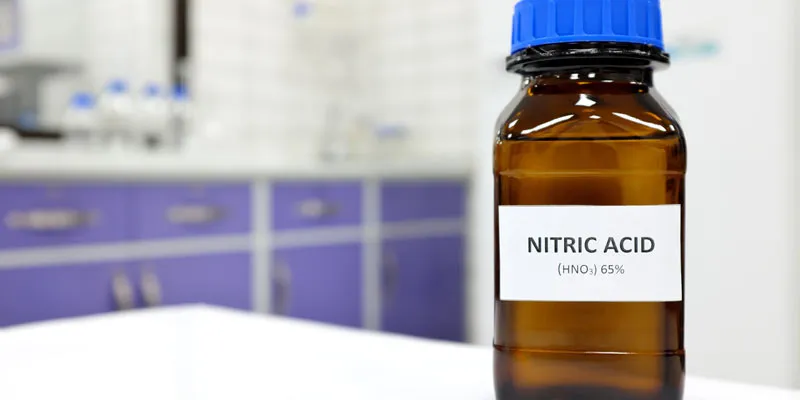
How To Use Nitric Acid Safely
Nitric acid is a corrosive chemical and harmful to humans. Its contact with skin and eyes can cause serious burns. Affected skin will require flushing with soap and lukewarm water for at least 30 minutes.

Acetone Safety: Proper Storage and Disposal Methods
Acetone is a staple chemical solvent in most laboratories. It is also perhaps one of the most recognizable chemicals to the layperson, best known as the pungent solvent comprising nail polish remover.
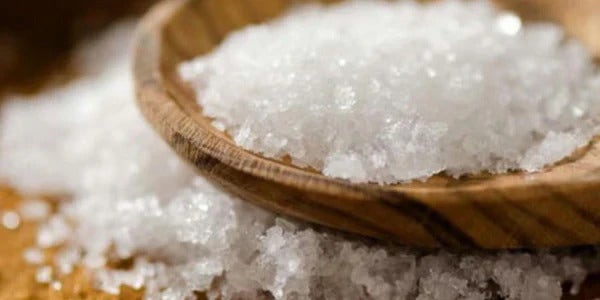
How to Use Potassium Iodide Safely and Where to Buy it Online
Potassium Iodide Powder, also known as Potassium Salt of Hydriodic Acid, Iodic Acid Potassium Salt, Potassium Monoiodide, and Knollide, has the chemical formula KI. It appears as a white crystalline powder, odorless, and is soluble in water at ambient conditions.
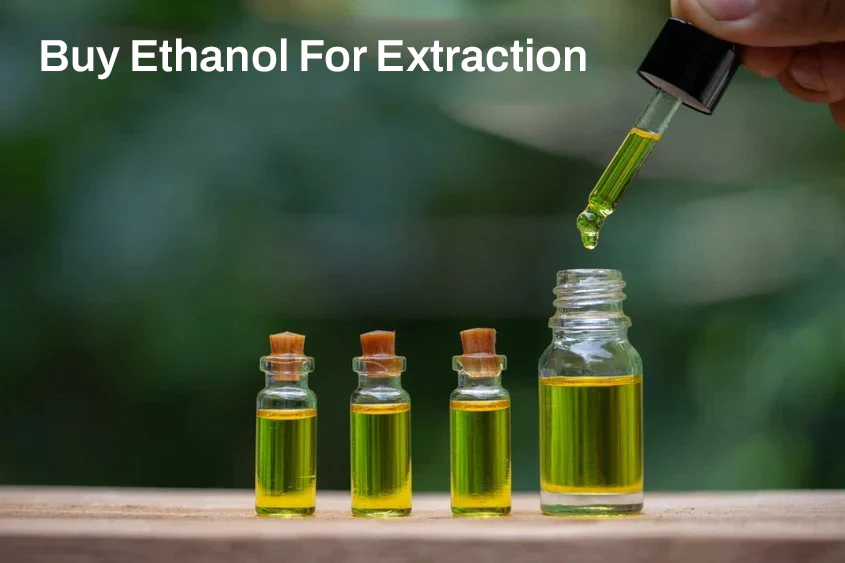
Medicinal Oils Derived From Plants
You can order food-grade ethanol, extraction-grade ethanol, ACS-grade ethanol, FCC-grade ethanol, USP grade ethanol, HPLC-grade ethanol and kosher ethanol from Lab Alley. Perform ethanol (EtOH) extraction at ultra-low temperatures for the best yields.
Ethanol extraction is a cost-effective way to use ethanol as an industrial solvent to produce high-quality botanical extracts from large volumes of medicinal herbs or plants.
MCT Oil Grades and Pack Sizes
Lab Alley supplies MCT oil in multiple grades to serve pharmaceutical, food, cosmetic, and industrial applications.
Available Grades & Concentrations
-
Pharmaceutical Grade USP/NF for medical and pharmaceutical applications
-
Food Grade FCC for dietary supplements and food products
-
Cosmetic Grade for personal care products
-
Organic Certified (USDA organic or equivalent) for organic food products and supplements
-
100% C8 (pure caprylic acid triglyceride) for ketogenic supplements and sports performance
-
C8/C10 Blend (most common) for general nutritional supplements and food products
-
Kosher Certified
-
Halal Certified
Certificates of analysis and specification sheets are available for all grades.
Pack Sizes & Bulk Availability
-
Laboratory bottles: 500 mL and 1 L for lab-scale use
-
Commercial containers: 1 gallon and 5 gallons for standard operations
-
Industrial drums: 55-gallon drums for high-volume applications
-
Bulk totes: 275-gallon totes for large-scale operations
-
Full truckload quantities available
-
Consumer packaging with dosing caps available
-
Bulk quantities for food manufacturing and supplement production are available by special order
-
Food-grade and pharmaceutical-grade available in all sizes
MCT oil is non-hazardous and not subject to special DOT shipping restrictions. Contact Lab Alley for bulk pricing, custom pack sizes, or documentation requests.
FAQs
What is MCT oil and how is it produced?
What are the potential side effects of MCT oil?
How should MCT oil be stored to prevent degradation?
MCT oil should be kept in a tightly sealed container in a cool, dry location away from heat and direct sunlight, within an optimal temperature range of 15–30°C (59–86°F). Its high degree of saturation makes it significantly more resistant to oxidative degradation and rancidity than unsaturated vegetable oils. Refrigeration is not required, though if stored cold, any cloudiness or mild solidification will reverse at room temperature.
Does MCT oil have an expiration date?
What is the difference between C8, C10, and C8/C10 blend MCT oils?
C8 (caprylic acid triglyceride) is the most rapidly absorbed of the medium-chain triglycerides and is converted to ketones at the highest rate, making it the preferred choice for ketogenic and cognitive performance applications. C10 (capric acid triglyceride) is absorbed somewhat more slowly but is more cost-effective and is well suited for general nutritional use. C8/C10 blends, typically formulated at a 60/40 or 50/50 ratio, represent the most common commercial form, balancing rapid ketone production with cost efficiency and digestive tolerability.