




Methanol Uses & Applications
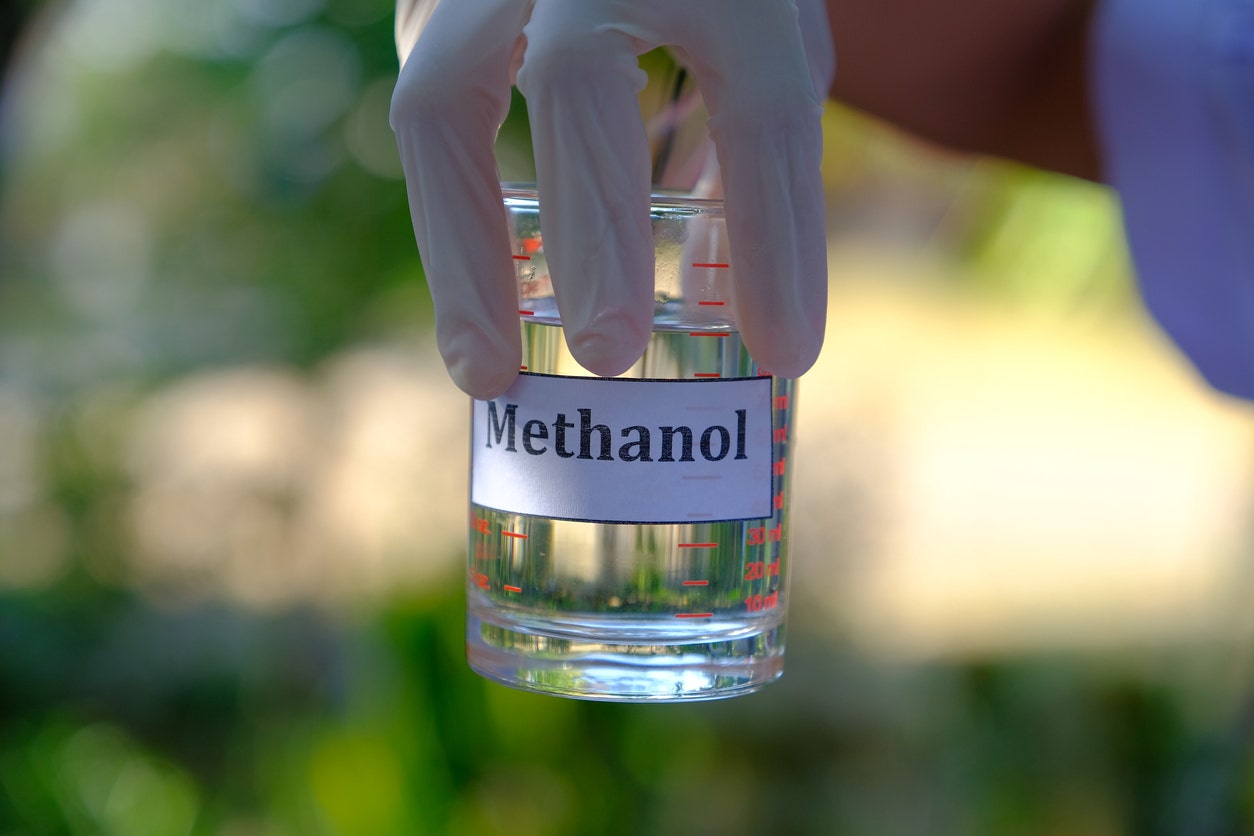
Methanol (CH₃OH), also known as methyl alcohol or wood alcohol, is a colorless, volatile, flammable liquid that mixes completely with water and most organic solvents. Its simple polar structure gives it low viscosity and high reactivity, properties that make it equally effective as a solvent, a chemical reactant, and an energy carrier. These characteristics place methanol among the highest-volume industrial chemicals produced worldwide.
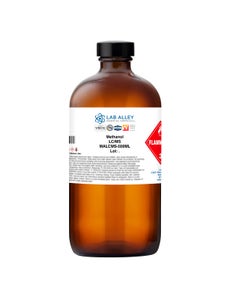
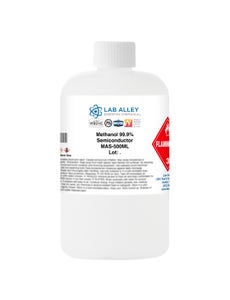
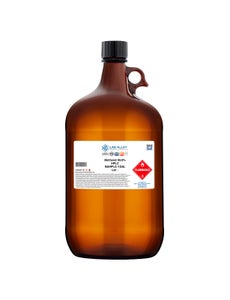
Lab Alley supplies methanol across a range of grades, from general Lab Grade through Semiconductor/Electronic and LC/MS Grade, meeting the needs of chemical manufacturers, analytical laboratories, and energy-sector buyers. Industries relying on methanol span chemical synthesis, wastewater treatment, marine fuel production, and automotive fluid formulation, reflecting its versatility as both a feedstock and a functional ingredient.
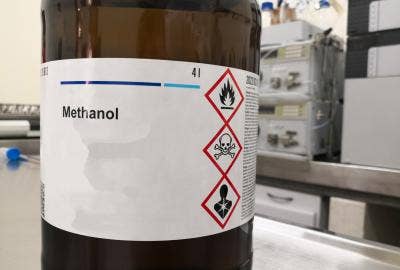
Methanol is flammable and toxic by ingestion, inhalation, and skin absorption, so it is classified and shipped as a Class 3 flammable liquid under DOT regulations. Buyers should select the grade and handling protocol appropriate to their application and consult the applicable Safety Data Sheet before use.
This article covers:
-
Industrial Applications
-
Scientific & Laboratory Uses
-
Environmental & Water Treatment
-
Fuel & Marine Energy Applications
-
Antifreeze & Fuel-System Applications
-
Methanol Grades and Pack Sizes
Industrial Applications
Manufacturing & Processing
Methanol functions as a solvent in the production of paints, coatings, inks, resins, and adhesives, where its strong solvency power and fast evaporation rate help control viscosity and application properties. Manufacturers use it to dissolve resin systems during formulation and to adjust drying characteristics in finished coatings.
Its compatibility with a wide range of organic compounds makes it a dependable processing solvent across these product categories. Because it evaporates cleanly without leaving residue, it also supports consistent film formation in coating and ink applications.
Chemical Synthesis
Methanol serves as a primary feedstock for several major industrial chemicals. It is oxidized to produce formaldehyde, a building block for resins and adhesives, and carbonylated to produce acetic acid, a process used at industrial scale to supply the chemical and food-packaging sectors.
It also serves as a precursor for methyl tert-butyl ether (MTBE), dimethyl ether, and olefins through the methanol-to-olefins process, which converts methanol into ethylene and propylene for plastics manufacturing. These derivative pathways make methanol one of the most structurally versatile feedstocks in the chemical industry, supporting products far removed from the original alcohol itself.
Petroleum & Energy
In the oil and gas sector, methanol is injected into pipelines as a gas hydrate inhibitor, preventing the formation of ice-like solids that can block flow in subsea and long-distance transport lines. This application is especially valuable in cold-climate and deepwater operations, where hydrate formation poses an ongoing operational risk.
Methanol also serves as a feedstock in biodiesel production through transesterification, reacting with triglycerides to generate fatty acid methyl esters. Its dual role as a flow-assurance chemical and a renewable fuel input reflects its broad utility across the energy value chain.
Scientific & Laboratory Uses
Analytical Reagent
Methanol is a standard mobile phase component in high-performance liquid chromatography (HPLC) and gas chromatography (GC), where its polarity and low UV absorbance support clean separations across a wide range of analytes. Laboratories rely on chromatography-grade methanol to minimize background interference and maintain reproducible retention times.
Its miscibility with water allows it to be blended into gradient elution methods with predictable results. These qualities make it a routine choice for analytical methods used in quality control, environmental testing, and pharmaceutical analysis.
Solvent in Laboratory Processes
Beyond chromatography, methanol is used throughout general laboratory work to dissolve organic compounds, support recrystallization, and extract target compounds from solid or liquid matrices. Its low boiling point allows it to be removed easily by evaporation once it has served its purpose, which is useful in sample preparation and compound isolation.
Chemists also use it as a washing solvent for glassware and reaction vessels due to its ability to dissolve a wide range of organic residues. These properties make it one of the more frequently stocked solvents in research and quality control labs.
Specialized Research Applications
Methanol is used as a fixative in histology, cytology, and molecular biology protocols, where it preserves cell and tissue morphology for downstream analysis. It is commonly applied to fix blood smears before staining and to fix proteins onto membranes following western blot transfer. Its fast penetration and dehydrating action help stabilize cellular structures without the harsher effects associated with some other fixatives. Researchers favor it for applications where sample integrity needs to be maintained through subsequent processing steps.
Environmental & Water Treatment
Water & Wastewater Treatment
Methanol is widely used as a supplemental carbon source in biological denitrification at municipal and industrial wastewater treatment facilities. When wastewater lacks sufficient organic carbon to sustain denitrifying bacteria, operators dose methanol ahead of the anoxic treatment stage to support the conversion of nitrate to nitrogen gas.
This approach is used across treatment plants of varying scale, valued for its consistent performance and relatively low cost compared to other supplemental carbon sources. Methanol's effectiveness and availability have made it one of the most commonly selected options for this purpose.
Biodegradability & Environmental Impact
Methanol breaks down relatively quickly in soil and water through microbial action, which limits its persistence compared to many other industrial solvents. This biodegradability is part of why it is favored as a wastewater treatment input rather than a contaminant of concern in that context.
Its environmental fate still requires careful handling at the point of use, since large spills can pose localized risks to aquatic life and groundwater before natural degradation occurs. Overall, its breakdown profile supports its continued use in regulated industrial and treatment applications.
Fuel & Marine Energy Applications
Marine Fuel
Methanol is being adopted by the shipping industry as a lower-emission alternative to traditional marine fuels, with new vessel construction and retrofit programs incorporating methanol-capable engines. It burns with reduced sulfur oxide and particulate emissions compared to conventional heavy fuel oil, helping shipping operators work toward tightening international emissions standards.
As more vessels enter service with methanol-compatible propulsion systems, interest in the fuel continues to build across the maritime sector. Expanding bunkering infrastructure at key ports is expected to support this shift further.
Biodiesel Production
In biodiesel manufacturing, methanol reacts with triglycerides from vegetable oils or animal fats in a transesterification reaction, producing fatty acid methyl esters (FAME) alongside glycerin as a byproduct. The resulting biodiesel can be used directly or blended with petroleum diesel, offering a renewable fuel option with combustion characteristics compatible with existing diesel engines. Methanol's role as the alcohol input in this reaction makes it a foundational component of biodiesel supply chains. Its reactivity and availability have supported steady growth in biodiesel production capacity.
Fuel Blending
Methanol has historically been used in flex-fuel blends such as M85, which combines high concentrations of methanol with gasoline for use in specially designed flexible-fuel vehicles. It has also served as a component in certain fuel formulations where its high octane rating contributes to improved combustion performance.
While methanol fuel blending has seen more limited adoption in some markets compared to ethanol-based alternatives, it remains an area of ongoing interest as fuel diversification strategies evolve. Its established production infrastructure positions it as a readily available option should blending demand increase.
Antifreeze & Fuel-System Applications
Gas-Line Antifreeze
Methanol is a common active ingredient in gas-line antifreeze products, which are added to vehicle fuel tanks to prevent water condensation from freezing and blocking fuel lines in cold weather. Because methanol lowers the freezing point of any residual water in the fuel system and mixes readily with gasoline, it provides a straightforward preventive measure for vehicle owners in colder climates.
This application has made it a familiar product on store shelves during winter months, particularly in regions with sustained freezing temperatures. Its effectiveness and low cost have kept it in steady use for this purpose for decades.
Windshield Washer Fluid
In windshield washer fluid, methanol functions as a freeze-point depressant, helping the fluid remain liquid and functional in cold weather rather than freezing in the reservoir or lines. Formulators adjust methanol concentration based on the intended climate rating of the product, with higher concentrations used in fluids designed for more extreme cold.
This application depends on methanol's miscibility with water and its ability to meaningfully lower the solution's freezing point even at moderate concentrations. The result is a reliable, inexpensive solution for maintaining windshield visibility across seasonal temperature changes.
Methanol Grades and Pack Sizes
Lab Alley supplies methanol in grades suited to laboratory, industrial, and electronics-manufacturing applications, with Certificates of Analysis (COAs) and Safety Data Sheets (SDSs) provided for every product to support quality verification and safe handling.
Available Grades & Formulations
-
ACS/USP/NF Grade for general laboratory and reagent-chemical use
-
Lab Grade for routine laboratory and general-purpose applications
-
HPLC Grade for liquid chromatography mobile phase use
-
LC/MS Grade for high-sensitivity mass spectrometry applications
-
Semiconductor/Electronic Grade for wafer cleaning and electronics manufacturing
-
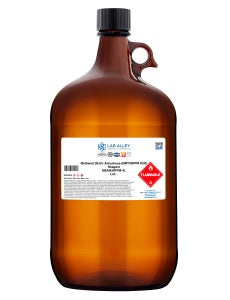
Anhydrous Reagent Grade for moisture-sensitive reactions
-
Pesticide Residue Grade for trace pesticide-residue analytical testing
Pack Sizes & Availability
-
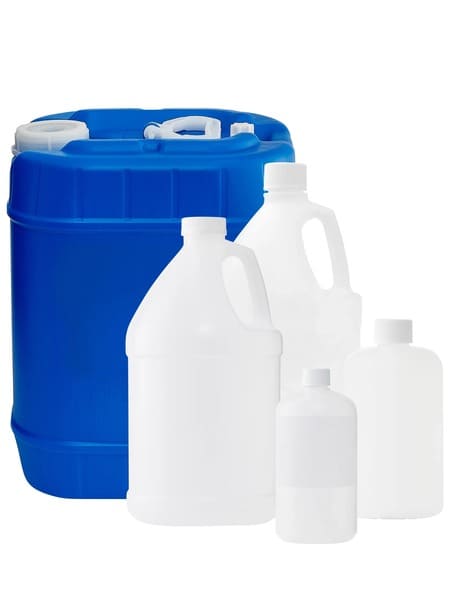
Laboratory bottles: 500mL and 1L for lab-scale use
-
Commercial containers: 1gal, 4L, and 4 x 4L Case for standard operations
-
Industrial drums: 5Gal and 55Gal for high-volume applications
-
Bulk: 270Gal available for large-scale industrial and commercial buyers
-
All containers are UN-approved and DOT-compliant with proper Class 3 Flammable Liquid labeling
Customers with questions about grade selection, bulk availability, or documentation requirements can contact Lab Alley directly for product guidance and ordering support.
Final Note
Methanol's combination of chemical reactivity, solvency, and miscibility with water gives it a role in an unusually wide range of industries, from chemical manufacturing and wastewater treatment to marine fuel and automotive fluids. Its use as a feedstock for major downstream chemicals, a dependable laboratory solvent, and an emerging alternative fuel underscores its continued relevance across both established and growing markets.
Lab Alley supports this range of applications with methanol available across multiple grades and pack sizes, backed by COAs and SDSs for every order. Buyers working in research, manufacturing, or energy can rely on consistent product quality and documentation to meet their specific application requirements.
For more detailed guidance, explore our Resource Library.
Our Customer Care team is also available for more information and documentation, including chemical Safety Data Sheets.
Need Methanol You Can Trust?
If you are looking for high-quality methanol for your lab, product line, or research facility, be sure to visit our store to explore our trusted selection and request a quote.
As your trusted partner in chemical supply, Lab Alley is always striving to meet the growing demands of our customers. We want you to be able to access all of your chemical needs in one place, along with streamlined online ordering and fast shipping.
Due to popular demand from our valued clientele, Lab Alley's methanol is available in a range of purities and packaging options to suit various commercial, laboratory, and personal needs.