




Shelf Life & Expiration of Methanol
Methanol does not have a true expiration date in the conventional sense. Chemically pure methanol does not decompose under standard storage conditions, so its stability profile differs from many organic solvents with defined degradation timelines.
The primary threat to methanol's quality over time is not internal breakdown but external contamination. Because methanol is highly hygroscopic, it readily absorbs moisture from the surrounding air when a container is left open or improperly sealed, diluting its purity and potentially compromising performance in sensitive applications. Temperature control and container compatibility also play a direct role in preserving both product integrity and safe handling, particularly given methanol's low flash point and flammability.
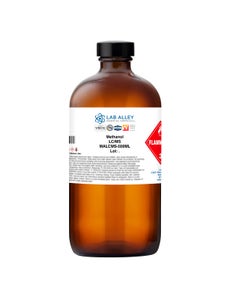
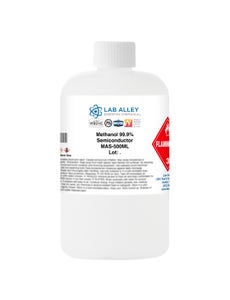
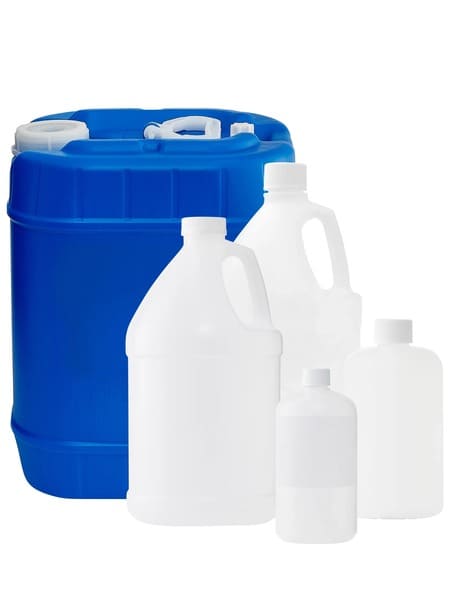
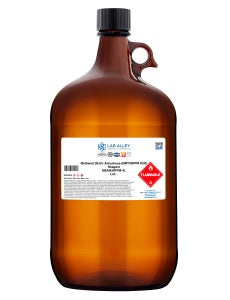
Packaging choice matters as much as storage environment. Methanol's solvent strength means it can dissolve plasticizers found in some plastics, which can introduce contamination into the product itself. Selecting the right container material from the outset is one of the most effective ways to protect purity over extended storage periods.
This article covers:
- How Long Does Methanol Last?
- Signs That Methanol Has Expired
- What to Do If Methanol Has Expired
- Proper Storage Extends Shelf Life
How Long Does Methanol Last?
Chemical Stability
Methanol has no inherent degradation mechanism that causes it to break down on its own. When kept sealed and free from contamination, it retains a stable molecular structure and can be stored indefinitely without loss of chemical integrity. Any reduction in quality traces back to moisture or contaminant uptake rather than decomposition of the methanol itself.
Purity & Packaging
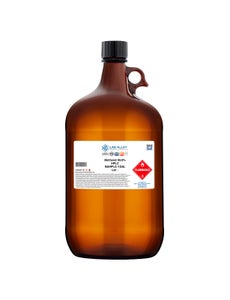
As a hygroscopic compound, methanol absorbs atmospheric moisture whenever it is exposed to air, gradually lowering its concentration and purity. It also acts as a strong solvent capable of dissolving plasticizers present in certain plastic materials, which can both contaminate the product and degrade the container. Glass, stainless steel, and compatible high-density polyethylene (HDPE) are the preferred packaging materials for maintaining purity throughout storage.
Storage Conditions
Methanol should be kept in a cool, well-ventilated space, ideally between 10 and 25°C (50 to 77°F). Its flash point of 12°C (53.6°F) is low enough that storage areas must stay clear of heat sources, sparks, and open flame. Holding temperatures within this range supports both long-term purity and safe handling.


Signs That Methanol Has Expired or Degraded
-
Color Change: Pure methanol remains colorless. Any discoloration or yellowing indicates contamination has occurred rather than natural aging.
-
Concentration Changes: Moisture absorption through an unsealed or poorly sealed container lowers methanol's purity over time, even without any visible change in appearance.
-
Reduced Effectiveness: Elevated moisture content or trace contaminants can compromise performance in analytical, solvent, and fuel applications where purity directly affects results.
What to Do If Methanol Is Expired
Check Manufacturer Guidelines
Review the certificate of analysis (COA) and any retest recommendations provided by the supplier. Most manufacturers do not assign a fixed expiration date to methanol stored under proper conditions, so current purity verification matters more than a calendar date. Confirm purity through testing before use in any application sensitive to moisture or trace contamination.
Follow Proper Disposal Procedures
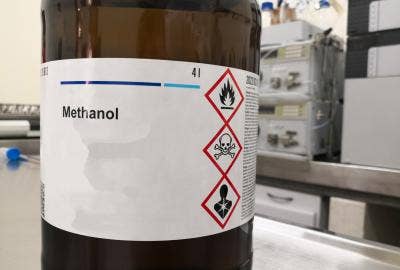
Methanol is classified as an RCRA hazardous waste under ID U154 due to its ignitability. For transport, it carries the DOT classification UN1230, Hazard Class 3 (flammable liquid), Packing Group II. Degraded or contaminated methanol should be routed through a licensed hazardous waste handler rather than disposed of as ordinary waste.
Replace with Fresh Stock
For applications requiring high purity, such as analytical work, reagent-grade use, or chemical synthesis, replacing compromised methanol with fresh stock is often the more practical choice. Even small amounts of moisture or contamination can skew results or reduce process reliability in these contexts.
Proper Storage Extends Shelf Life
-
Container Requirements: Use tightly sealed glass, stainless steel, or compatible HDPE containers. Avoid materials containing plasticizers that methanol can dissolve, as this can contaminate the product and weaken the container over time.
-
Temperature Control: Maintain storage temperatures between 10 and 25°C (50 to 77°F). Avoid heat sources given methanol's low flash point and flammability.
-
Light & Heat Protection: Methanol has minimal sensitivity to light, so heat and ignition sources present the greater risk given its 12°C (53.6°F) flash point.
-
Humidity Control: Because methanol is hygroscopic, containers should stay sealed at all times to prevent moisture absorption and the resulting purity loss.
-
Evaporation Prevention: Methanol's high volatility means caps and seals must be tightened immediately after each use to prevent evaporation and concentration drift, particularly in containers that are opened repeatedly.
-
Fire Safety: Methanol is highly flammable and classified as DOT Class 3. Store it away from ignition sources, sparks, and open flames, and ensure storage areas have adequate ventilation.
Conclusion
Methanol does not degrade on its own when properly sealed and stored. The real risks to its quality come from moisture absorption, container incompatibility, and improper temperature control, all of which are preventable through consistent storage practices.
Verifying purity through COA review rather than relying on a fixed shelf life, pairing that with disposal procedures suited to its hazardous classification, and replacing stock when contamination is suspected keeps methanol safe and effective for its intended applications. Consistent attention to sealing, temperature, and fire safety extends its usable life well beyond what calendar-based expiration tracking alone would suggest.
For more detailed guidance, explore our Resource Library for comprehensive storage and handling information.
Our Customer Care team is also available for more information and documentation, including chemical Safety Data Sheets.
Need Methanol You Can Trust?
If you are looking for high-quality methanol for your lab, product line, or research facility, be sure to visit our store to explore our trusted selection and request a quote.
As your trusted partner in chemical supply, Lab Alley is always striving to meet the growing demands of our customers. We want you to be able to access all of your chemical needs in one place, along with streamlined online ordering and fast shipping.
Due to popular demand from our valued clientele, Lab Alley's methanol is available in a range of purities and packaging options to suit various commercial, laboratory, and personal needs.