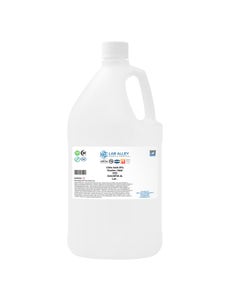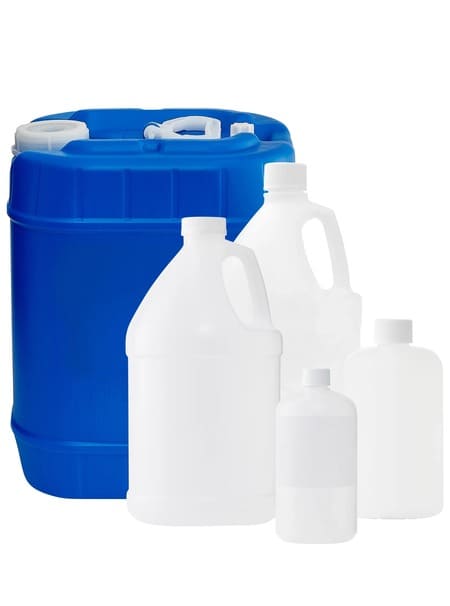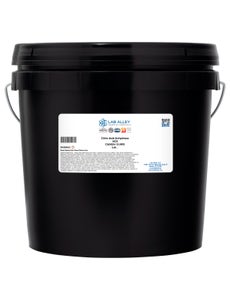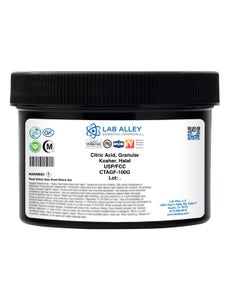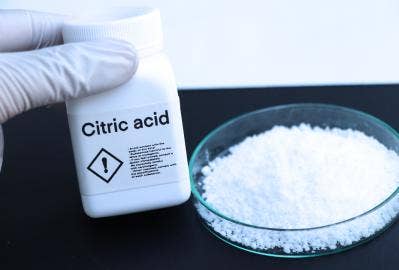






Types of Citric Acid
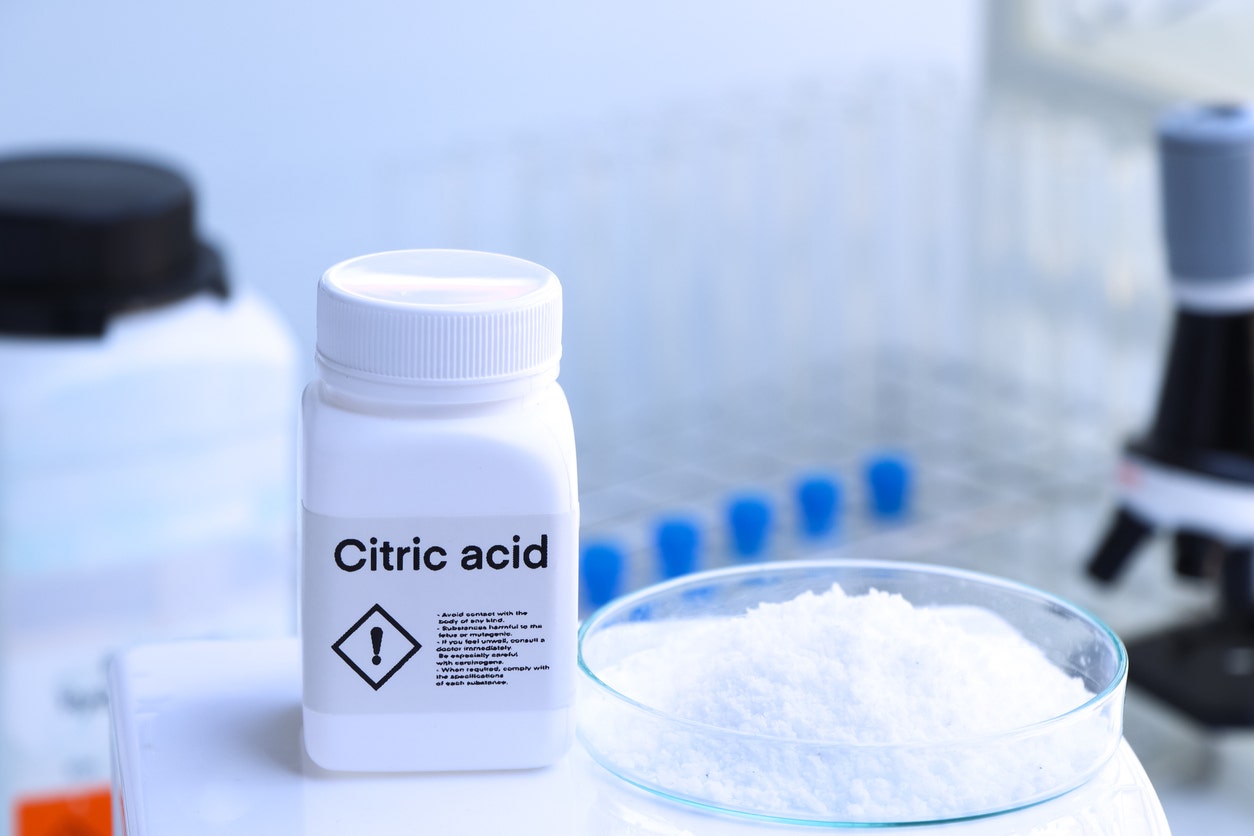
Citric acid (C₆H₈O₇) is a naturally occurring organic acid found abundantly in citrus fruits and produced commercially through fermentation processes using Aspergillus niger mold or chemical synthesis. It exists in various grades, concentrations, and hydrated forms, which differ by purity, water content, and intended application, influencing their suitability for food, pharmaceutical, cosmetic, and industrial uses.
Although chemically the same compound, citric acid is available in different grades, forms, and certifications that are not interchangeable. These variations determine whether the product is safe for human consumption, effective for cosmetic applications, or suitable for industrial processes. Different grades address specific needs: food grade is GRAS-certified for use in food preservation and flavoring, pharmaceutical grade meets strict purity standards for medical applications, cosmetic grade is formulated for skincare applications, and industrial grade serves manufacturing and cleaning processes.
Selecting the right type involves evaluating factors such as purity level, concentration, hydration state (anhydrous vs. monohydrate), regulatory compliance, buffering capacity requirements, and intended application. A careful selection process helps ensure performance, safety, and compliance in every application, from food preservation to pharmaceutical formulations and industrial cleaning.
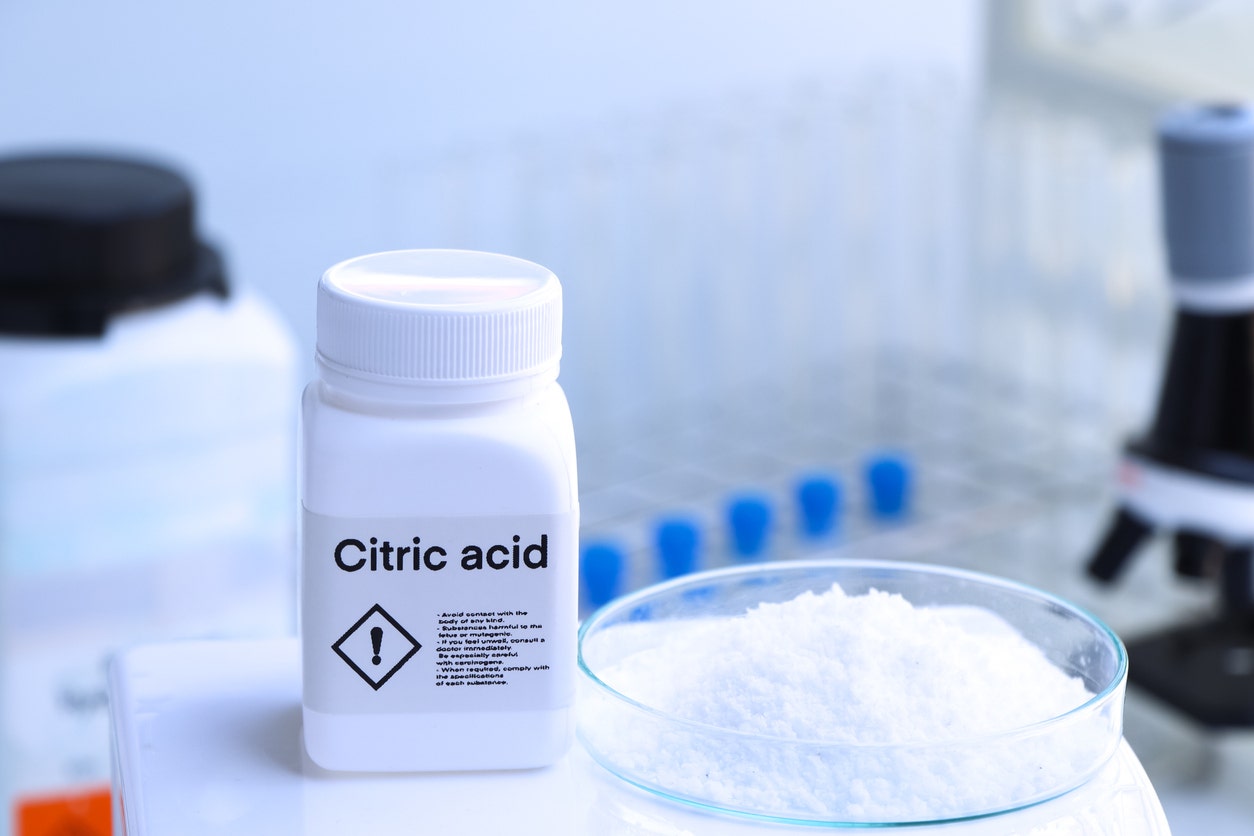
In this article, we’ll explore:
- Common Grades & Purities of Citric Acid
-
Certifications & Standards
-
Chemical Forms & Variants
-
Applications Based on Type
-
How to Choose the Right Type of Citric Acid
Common Grades & Purities of Citric Acid
Citric acid is manufactured in different purity levels to meet the specific requirements of various industries. Each grade undergoes distinct processing and quality control measures to ensure it performs effectively in its intended application while meeting relevant safety and regulatory standards.
Food Grade (FCC)
Food-grade citric acid meets stringent FDA standards, ensuring it is both safe and effective for human consumption. This GRAS-certified form is essential for food preservation, acidulation, and pH adjustment in food and beverage applications.
Food manufacturers rely on its consistent quality and controlled impurity limits to ensure product safety and flavor profiles. The precise formulation contains 99.5-100.5% citric acid with strict controls on heavy metals and microbial contamination, supporting proper performance while maintaining food safety standards.
Pharmaceutical Grade (USP)
Pharmaceutical-grade citric acid meets United States Pharmacopeia standards for medical applications, injectable solutions, and pharmaceutical manufacturing. This high-purity form undergoes rigorous testing to ensure it meets strict heavy metal and microbial limits required for medical use.
Healthcare and pharmaceutical manufacturers depend on its consistent composition and low contaminant levels to ensure patient safety and therapeutic efficacy. The precise purity supports proper formulation while minimizing risks associated with impurities in medical applications.
Cosmetic Grade
Cosmetic-grade citric acid is specifically purified for alpha-hydroxy acid (AHA) applications in skincare products, meeting cosmetic industry purity and safety standards for topical use. This formulation balances effectiveness with skin compatibility, ensuring safe exfoliation and anti-aging benefits. Cosmetic manufacturers rely on their consistent quality to create products that deliver results while meeting safety requirements for direct skin contact.
Industrial/Technical Grade
Industrial-grade citric acid offers standard purity for manufacturing processes, cleaning applications, textile treatment, and chemical synthesis, where food or pharmaceutical purity is not required. This cost-effective option provides reliable chemical properties for uses such as descaling, chelation, and pH control, where high purity isn't essential but consistent performance remains important. It maintains adequate quality for technical applications while offering economic advantages for large-scale industrial use.
ACS Reagent Grade
ACS reagent-grade citric acid represents ultra-high purity meeting American Chemical Society standards for analytical and research applications. This form contains minimal impurities that could interfere with analytical procedures, making it essential for laboratory work requiring precise results. Research institutions and analytical laboratories rely on its exceptional purity for experiments, quality control testing, and scientific investigations where contaminants could compromise data integrity.
Certifications & Standards
When citric acid is used in regulated industries or sensitive applications, certifications become as critical as purity levels. These standards ensure the product meets specific industry requirements and regulatory frameworks for safety, efficacy, and quality compliance.
GRAS Certification
Generally Recognized as Safe status by the FDA for food applications, ensuring safety for human consumption in specified quantities. This certification confirms that citric acid can be used in food products without posing health risks when used according to good manufacturing practices.
USP/EP/BP Standards
United States Pharmacopeia, European Pharmacopoeia, and British Pharmacopoeia compliance for pharmaceutical and medical applications. These international standards ensure consistent quality across global pharmaceutical markets, meeting strict requirements for purity, testing methods, and acceptable impurity levels.
FCC Standards
Food Chemicals Codex certification for food-grade quality and purity, setting specifications for identity, assay, and impurities. This standard provides detailed requirements that food-grade citric acid must meet, including acceptable limits for arsenic, lead, and other potential contaminants.
Kosher/Halal Certification
Religious dietary compliance for food and pharmaceutical applications, ensuring adherence to dietary laws. These certifications verify that production processes meet religious requirements, making products suitable for consumers following kosher or halal dietary practices.
Organic Certification
USDA organic compliance for use in organic food processing and manufacturing, derived from approved organic sources. This certification ensures that citric acid used in organic products meets organic standards throughout production, from raw materials through final processing.
ISO Quality Standards
International quality management compliance for manufacturing and processing facilities, ensuring consistent quality control. ISO certification demonstrates that manufacturers maintain systematic quality management processes, providing confidence in product consistency and reliability.
Non-GMO Certification
Verification that citric acid is produced without genetically modified organisms, important for natural and organic product formulations. This certification addresses consumer demand for products free from genetic modification, confirming that fermentation processes use non-GMO microorganisms.
These certifications help guarantee the product meets industry standards, regulatory frameworks, and safety expectations across different applications.
Chemical Forms & Variants
Citric acid is available in multiple physical and chemical forms, each offering specific advantages for different handling, storage, and application requirements. The choice of form affects dissolution rate, stability, and ease of use in various processes.
Citric Acid Anhydrous
The water-free crystalline form (C₆H₈O₇) with molecular weight 192.12 g/mol is preferred for moisture-sensitive applications and dry formulations. Anhydrous citric acid offers more rapid dissolution and greater stability in dry conditions, making it ideal for powdered beverage mixes, dry pharmaceutical formulations, and applications where water content must be minimized. This form provides maximum citric acid concentration per unit weight, offering economy in shipping and storage.
Citric Acid Monohydrate
This form contains one water molecule per citric acid molecule (C₆H₈O₇·H₂O) with a molecular weight of 210.14 g/mol, making it more stable in humid conditions and commonly used in liquid formulations. The bound water molecule enhances stability during storage in humid environments, preventing the caking problems that can affect anhydrous forms. Monohydrate citric acid works particularly well in applications where some water content is acceptable or beneficial for processing.
Aqueous Solutions
Pre-dissolved citric acid solutions are available in various concentrations (25%, 50%, 75%) for direct liquid applications, eliminating the need for dissolution in manufacturing processes. These ready-to-use formulations work particularly well in beverage production, industrial cleaning systems, and automated dosing applications where precise liquid dosing is essential. Solutions reduce handling time and ensure uniform distribution in final products.
Trisodium Citrate
This neutralized salt form (Na₃C₆H₅O₇) is used in food preservation, pharmaceuticals as an anticoagulant, and as an emulsifying agent in processed foods. Trisodium citrate provides buffering capacity while offering different solubility and taste characteristics compared to citric acid itself. The fully neutralized form eliminates acidity while retaining chelating and buffering properties valuable in many applications.
Sodium Citrate (Monosodium/Disodium)
Partially neutralized forms are used for specific pH buffering applications and as components in oral rehydration solutions. These intermediate salts provide precise pH control for applications requiring specific acidity levels between fully acidic citric acid and fully neutralized trisodium citrate. Medical applications particularly benefit from these forms for controlling electrolyte balance.
Potassium Citrate
This potassium salt is used in pharmaceutical applications for kidney stone prevention and as a low-sodium alternative in food applications. Potassium citrate provides similar buffering and chelating properties to sodium citrate while delivering potassium rather than sodium, making it valuable for dietary sodium reduction and specific medical conditions requiring potassium supplementation.
Calcium Citrate
This calcium salt is used as a nutritional supplement, pharmaceutical excipient, and food fortification agent with excellent bioavailability. Calcium citrate offers superior absorption compared to some other calcium forms, making it particularly valuable in supplements for bone health. The citrate form remains soluble across a wider pH range than calcium carbonate, enhancing absorption even when stomach acid is reduced.
Citric Acid Applications Based on Type
Different grades and forms of citric acid serve distinct purposes across various industries. Understanding these applications helps ensure you select the most appropriate type for your specific needs while maintaining safety and regulatory compliance.
Food & Beverage
Food-grade citric acid serves as a preservative, acidulant, pH regulator, and flavor enhancer in soft drinks, candies, jams, canned foods, and dairy products. It provides the characteristic tartness in beverages while extending shelf life through antimicrobial action and pH control.
Food manufacturers depend on its ability to enhance flavors, stabilize formulations, and prevent oxidation that causes discoloration and off-flavors. The compound's chelating properties bind metals that could otherwise catalyze spoilage reactions, making it invaluable for maintaining product quality throughout distribution and storage.
Pharmaceuticals & Healthcare
Pharmaceutical-grade citric acid is used in IV solutions, effervescent tablets, oral medications, and as an excipient in drug formulations. Its buffering capacity helps maintain stable pH in injectable solutions, ensuring drug stability and patient safety.
Sodium citrate serves as an anticoagulant in blood collection tubes, preventing clotting during laboratory testing and blood banking. The compound's role in pharmaceutical formulations extends to improving drug solubility, masking bitter tastes, and providing controlled-release properties in tablet formulations.
Cosmetics & Personal Care
Cosmetic-grade citric acid functions as an alpha-hydroxy acid (AHA) for exfoliation, anti-aging treatments, pH adjustment in skincare formulations, and a chelating agent in personal care products. Its ability to gently remove dead skin cells promotes cell renewal and improves skin texture.
Formulation chemists rely on citric acid for precise pH control in shampoos, conditioners, and lotions, ensuring products remain stable and effective while being gentle on skin and hair. The chelating properties prevent metal ions from degrading fragrances and causing discoloration in cosmetic formulations.
Industrial Manufacturing
Technical-grade citric acid is used in cleaning formulations, textile processing, metal treatment, water treatment, and as a chelating agent in detergents and industrial cleaners. Its descaling abilities remove mineral deposits from equipment, pipes, and heat exchangers without the harsh corrosion associated with stronger acids.
Industrial cleaning products leverage citric acid's biodegradability and relative safety compared to mineral acids, meeting environmental regulations while maintaining effective cleaning performance. Textile processors use it for pH adjustment and metal removal during dyeing and finishing operations.
Agriculture
Agricultural applications use citric acid for soil pH adjustment, irrigation system cleaning, and as a component in fertilizer formulations to improve nutrient availability. Its chelating properties enhance micronutrient uptake by keeping iron, zinc, and other minerals in soluble forms that plants can absorb.
Farmers use citric acid solutions to clean drip irrigation systems, removing mineral scale that clogs emitters without damaging system components. When incorporated into fertilizers, it improves the efficiency of nutrient delivery to crops.
Electronics
High-purity grades are used in semiconductor cleaning processes and circuit board manufacturing, where metal contamination must be minimized. The electronics industry relies on citric acid's ability to remove flux residues and metal oxides without leaving conductive residues that could cause circuit failures. Its compatibility with sensitive electronic components and subsequent easy rinsing make it valuable for precision cleaning applications where even trace contamination could compromise product performance or reliability.
How to Choose the Right Type of Citric Acid
Selecting the appropriate citric acid type requires careful consideration of your specific application, regulatory requirements, and handling preferences. The right choice ensures optimal performance while maintaining safety and compliance standards.
Match Grade to Intended Use
Food grade (FCC) should be selected for food applications, pharmaceutical grade (USP) for medical use, cosmetic grade for skincare products, and industrial grade for manufacturing and cleaning applications. Using the appropriate grade ensures regulatory compliance while avoiding unnecessary costs from over-specification.
Verify Required Certifications
GRAS status should be confirmed for food use, USP compliance for pharmaceuticals, organic certification for organic products, and kosher/halal certification as needed for specific markets. These certifications demonstrate that your supplier meets all relevant quality and safety standards.
Select Appropriate Hydration Form
Anhydrous citric acid should be chosen for moisture-sensitive applications and rapid dissolution requirements, monohydrate for humid conditions and liquid formulations, or aqueous solutions for direct liquid use without dissolution steps. The hydration state affects both handling characteristics and performance in final applications.
Consider Concentration Requirements
Higher concentrations (50-75% solutions) work best for industrial cleaning, specific concentrations are required for beverage formulations, and precise levels are essential for pharmaceutical applications. Concentration directly impacts dosing calculations and storage requirements.
Review Regulatory Compliance
FDA approval should be confirmed for food use, pharmaceutical regulations for medical applications, cosmetic regulations for personal care products, and environmental regulations for industrial use. Compliance documentation protects against regulatory issues and ensures market access.
Evaluate Supplier Qualifications
Suppliers should be verified to provide proper documentation, certificates of analysis, and maintain appropriate quality systems for your industry. Technical support for application-specific requirements helps ensure successful implementation and troubleshooting when needed.
Finally, always review the Safety Data Sheet (SDS) and ensure proper storage and handling according to the specific citric acid type. Proper storage conditions help maintain product integrity and ensure consistent performance throughout its shelf life, preventing quality issues that could affect final product performance or safety.
Need Help Finding the Right Type of Citric Acid?
Lab Alley offers citric acid in multiple grades and forms, backed by the necessary documentation and certifications. Whether you need it for manufacturing, laboratory research, agriculture, or regulated industries, our products meet high-quality and safety standards.
For more detailed guidance, explore our Resource Library.
Our Customer Care team is also available for more information and documentation, including chemical Safety Data Sheets.
Find Citric Acid You Can Trust
If you are looking for high-quality citric acid for your lab, product line, or research facility, be sure to visit our store to explore our trusted selection and request a quote.
As your trusted partner in chemical supply, Lab Alley is always striving to meet the growing demands of our customers. We want you to be able to access all of your chemical needs in one place, along with streamlined online ordering and fast shipping.
Due to popular demand from our valued clientele, Lab Alley's citric acid is available in a range of purities and packaging options to suit various commercial, laboratory, and personal needs.