





Caffeine Uses & Applications: Comprehensive Industry Guide
Caffeine (1,3,7-trimethylxanthine, C₈H₁₀N₄O₂) represents the world's most widely consumed psychoactive substance, a naturally occurring alkaloid stimulant found in coffee beans, tea leaves, cacao pods, and various other plants. This remarkable compound has shaped human culture for centuries while serving critical functions across modern pharmaceuticals, food production, and specialized applications.
Available in both natural extract and synthetic forms, caffeine comes in purity grades ranging from USP pharmaceutical grade to food grade and technical grade specifications. The compound exhibits central nervous system stimulation that enhances alertness and reduces fatigue. Additional properties include metabolic enhancement, bronchodilation effects useful in respiratory treatments, and mild diuretic action. This combination of physiological effects positions caffeine as essential across pharmaceutical formulations, food and beverage production, cosmetic applications, sports nutrition, and industrial chemical processes.
The versatility of caffeine extends beyond its familiar role in morning coffee. Pharmaceutical manufacturers incorporate it into pain relievers and migraine medications. Energy drink producers rely on it for consistent stimulant effects. Cosmetic formulators add it to anti-aging creams and cellulite treatments. Athletes use it to enhance endurance and performance. This broad application spectrum demonstrates caffeine's unique value across diverse industries.
This guide explores how caffeine serves critical applications across:
-
Industrial Applications
-
Scientific & Laboratory Uses
-
Medical & Pharmaceutical Uses
-
Food & Beverage Industry
-
Sports Nutrition & Performance
-
Personal Care & Cosmetics
-
Agriculture & Pesticides
-
Specialized Applications
Industrial Applications
Large-scale manufacturing operations utilize caffeine for pharmaceutical production, chemical synthesis, beverage formulation, and recovery from decaffeination processes. The compound's commercial importance drives substantial industrial demand.
Pharmaceutical Manufacturing
Caffeine serves as an active pharmaceutical ingredient in over-the-counter pain relievers, migraine medications, and stimulant formulations. Combination analgesic products pair caffeine with other pain relievers to enhance therapeutic effectiveness. Manufacturing facilities producing these medications require consistent, high-purity caffeine meeting strict pharmaceutical specifications.
Production volumes for caffeine-containing pharmaceuticals run into billions of doses annually. The compound's well-established safety profile and regulatory acceptance support its continued role in these formulations.
Chemical Synthesis
Starting material applications use caffeine for synthesizing theophylline, theobromine, and other methylxanthine derivatives employed in bronchodilators and respiratory medications. Chemical modification of the caffeine molecule creates related compounds with different pharmacological profiles suited to specific therapeutic needs.
Synthetic chemistry operations value caffeine's reliable structure and available functional groups. The compound provides an economical starting point for creating more specialized pharmaceutical molecules.
Beverage Production
Standardized additive applications in energy drinks, soft drinks, and caffeinated beverages require precise caffeine content for consistent stimulant effects and flavor enhancement. Beverage manufacturers add purified caffeine to achieve target concentrations independent of natural ingredient variations.
Quality control procedures ensure each production batch meets the labeled caffeine content. This standardization delivers the consistent consumer experience that builds brand loyalty and meets regulatory requirements.
Extraction & Decaffeination
Recovery operations capture caffeine as a valuable byproduct from coffee and tea decaffeination processes. Solvent extraction, supercritical CO₂ processing, and water processing methods all yield caffeine that can be purified for pharmaceutical or food applications.
This recovery transforms what would otherwise be waste into a commercially valuable product. Decaffeination facilities often generate substantial caffeine quantities that supply downstream manufacturing operations.
Scientific & Laboratory Uses
Research facilities employ caffeine for investigating neurological function, metabolic processes, cellular mechanisms, and analytical method development. The compound's well-characterized properties make it valuable for scientific investigation.
Neuroscience Research
Research applications study adenosine receptor antagonism, neurotransmitter systems, sleep-wake cycles, and central nervous system function. Caffeine's mechanism of action involves blocking adenosine receptors, creating wakefulness-promoting effects that researchers use to understand sleep regulation and neural signaling.
Scientists investigating cognitive function, attention mechanisms, and neurological conditions frequently incorporate caffeine into experimental protocols. The compound provides a pharmacological tool for probing brain chemistry and neural networks.
Metabolic Studies
Model compound applications investigate metabolic pathways, cytochrome P450 enzyme activity, and pharmacokinetic research. Caffeine undergoes well-characterized metabolism in the liver, making it useful for studying drug metabolism and enzyme function.
Researchers examining individual variations in drug metabolism often use caffeine as a test compound. Differences in how people metabolize caffeine reveal genetic variations in liver enzyme activity.
Cell Culture Applications
Reagent uses include inducing cellular responses, studying cell cycle regulation, and examining metabolic effects in tissue culture systems. Caffeine affects multiple cellular processes, allowing researchers to investigate signaling pathways and cellular mechanisms.
Laboratory protocols for cell biology experiments specify caffeine concentrations that produce desired experimental effects. The compound's solubility and stability in culture media facilitate these applications.
Analytical Standards
Reference standard applications in chromatography, spectroscopy, and quality control testing support beverage and pharmaceutical analysis. Analytical laboratories require high-purity caffeine standards to calibrate instruments and validate testing methods.
Quality control operations for caffeine-containing products rely on reference standards to ensure accurate measurement. Certified reference materials provide traceability to established purity specifications.
Medical & Pharmaceutical Uses
Healthcare applications capitalize on caffeine's stimulant properties, pain-enhancing effects, and therapeutic benefits. The compound serves both standalone and combination roles in medical treatment.
Analgesic Adjuvant
Combination products with acetaminophen, aspirin, or ibuprofen enhance pain relief efficacy in headache, migraine, and general pain management. Caffeine potentiates analgesic effects, allowing lower doses of pain relievers while maintaining therapeutic benefit.
Clinical studies demonstrate that adding caffeine to pain medications improves patient outcomes. The mechanism likely involves increased absorption and central nervous system effects that complement direct pain relief.
Respiratory Medications
Treatment protocols for apnea of prematurity in neonatal care rely on caffeine citrate to stimulate breathing in premature infants. Bronchodilator effects support respiratory function in various conditions requiring airway relaxation.
Neonatal intensive care units maintain caffeine citrate for routine use in premature infant care. The compound's effectiveness and safety profile make it a standard treatment for respiratory complications.
Alertness & Fatigue Management
Over-the-counter stimulant tablets combat drowsiness, enhance alertness, and maintain wakefulness during situations requiring sustained attention. Products marketed for staying awake during driving or studying contain standardized caffeine doses.
Consumer demand for alertness aids supports a substantial market for caffeine tablets. These products provide controlled dosing compared to beverage consumption.
Diuretic Applications
Mild diuretic effects contribute to fluid management formulations and historical medical applications. While not the primary diuretic used in modern medicine, caffeine's ability to increase urine production has therapeutic relevance in specific situations.
Athletic Performance
Ergogenic aid applications in sports medicine support endurance enhancement, fatigue reduction, and performance optimization. Athletes use caffeine strategically before competition to gain performance advantages within permissible limits.
Sports medicine research consistently demonstrates caffeine's benefits for various athletic activities. The compound's legal status and effectiveness make it among the most studied performance enhancers.
Food & Beverage Industry
Food sector applications range from energy drinks to functional foods, leveraging caffeine's stimulant effects and flavor contributions. Regulatory frameworks govern caffeine use in different product categories.
Energy Drinks & Beverages
Primary active ingredient applications provide stimulant effects in energy drinks, shots, and functional beverages at regulated concentrations. These products often contain 80-300mg caffeine per serving, delivering the alertness-enhancing effects consumers expect.
Energy drink formulation balances caffeine content with other ingredients like B vitamins and amino acids. Marketing emphasizes the energy-boosting properties that caffeine primarily delivers.
Soft Drink Formulations
Caffeine present in cola beverages and carbonated drinks contributes flavor and mild stimulant properties. Traditional cola formulations include caffeine both for taste and functional effects that have characterized these beverages for over a century.
Soft drink manufacturers maintain specific caffeine levels that consumers associate with brand identity. Consistent caffeine content ensures the familiar taste and experience.
Functional Foods
Incorporated ingredients in energy bars, gels, chews, and fortified snacks serve athletic performance and alertness applications. Convenience foods targeting active consumers or busy professionals include caffeine for functional benefits beyond basic nutrition.
Product developers formulate functional foods with caffeine levels appropriate for the intended use occasion. Serving sizes and consumption contexts guide formulation decisions.
Coffee & Tea Products
Natural presence in coffee, tea, yerba mate, and guarana provides inherent caffeine content. Additional caffeine in instant coffee and tea concentrates achieves standardization across production batches.
Coffee and tea industries market products based partly on caffeine content. Consumers often select these beverages specifically for their stimulant properties.
Confectionery Products
Ingredient applications in caffeinated gums, mints, candies, and chocolate products deliver energy-boosting effects in convenient formats. These products provide alternatives to beverage consumption for obtaining caffeine.
Confectionery manufacturers target consumers seeking portable, discreet caffeine sources. Product formats range from traditional candies to specialized athletic gums.
Sports Nutrition & Performance
Athletic performance applications leverage caffeine's ergogenic properties to enhance training and competition outcomes. Sports nutrition represents a major growth sector for caffeine-containing products.
Pre-Workout Supplements
Key ingredient formulations enhance energy, improve focus, and optimize exercise performance. Pre-workout products typically contain 150-300mg caffeine combined with other performance ingredients.
Gym-goers and athletes consume pre-workout supplements to maximize training intensity. The caffeine component provides immediate alertness and readiness effects.
Endurance Products
Component applications in endurance gels, sports drinks, and energy chews sustain athletic performance during prolonged exercise. Endurance athletes consume these products during marathons, cycling events, and long training sessions.
Sports nutrition science supports caffeine's effectiveness for endurance activities. Products deliver caffeine in formats convenient for consumption during exercise.
Fat Burning Supplements
Included formulations in thermogenic products and weight management supplements claim metabolic rate enhancement. While caffeine does increase metabolism modestly, the magnitude of fat-burning effects remains debated.
Weight loss supplement manufacturers frequently include caffeine as a key ingredient. Marketing emphasizes thermogenic properties and appetite suppression potential.
Recovery Formulations
Added ingredients in post-workout products maintain alertness and optimize subsequent training sessions. Some athletes use caffeinated recovery products to support afternoon training after morning workouts.
Personal Care & Cosmetics
Beauty and skincare formulations incorporate caffeine for topical effects claimed to improve appearance. The compound's antioxidant and circulation-enhancing properties support various cosmetic applications.
Anti-Cellulite Formulations
Active ingredient applications in topical creams and serums claim to reduce cellulite appearance through lipolytic and circulation-enhancing effects. While scientific evidence for cellulite reduction remains mixed, consumer demand supports substantial product offerings.
Cosmetic manufacturers formulate caffeine concentrations intended to penetrate skin and affect underlying tissues. Marketing emphasizes smoothing and firming benefits.
Eye Care Products
Incorporated ingredients in eye creams and serums target puffiness, dark circles, and signs of fatigue around the eyes. Caffeine's vasoconstrictive effects theoretically reduce swelling and improve appearance.
Anti-aging eye products often prominently feature caffeine on ingredient lists. Consumers associate the ingredient with depuffing and brightening benefits.
Hair Care Applications
Added ingredients in shampoos and scalp treatments claim to stimulate hair follicles and promote scalp circulation. Some evidence suggests caffeine may affect hair growth cycles when applied topically.
Hair care brands market caffeine-containing products for thickening and growth-promoting effects. Formulations target consumers concerned about hair thinning.
Skincare Products
Antioxidant and anti-inflammatory ingredient applications in face serums, lotions, and anti-aging formulations leverage caffeine's protective properties. The compound may help neutralize free radicals and reduce inflammation.
Premium skincare lines include caffeine alongside other active ingredients. Formulation chemists value its stability and compatibility with other cosmetic ingredients.
Agriculture & Pesticides
Agricultural applications utilize caffeine's natural insecticidal properties and effects on plant biology. Both practical pest control and research applications employ caffeine.
Natural Pesticide
Botanical insecticide applications exploit caffeine's natural insecticidal properties against slugs, snails, and certain insects. Caffeine solutions sprayed on plants can deter or kill pests through neurotoxic effects.
Organic gardeners sometimes use caffeine-containing solutions as natural pest control. The compound provides an alternative to synthetic pesticides in some situations.
Plant Growth Research
Studying effects on plant germination, growth regulation, and allelopathic interactions advances agricultural science. Researchers investigate how caffeine influences plant development and competitive interactions.
Agricultural research facilities examine caffeine's role in plant ecology. Understanding these effects contributes to the knowledge of crop science and weed management.
Biopesticide Development
Component applications in organic and natural pesticide formulations derive from plant extracts. Commercial biopesticide developers explore caffeine and related compounds for pest management products.
Specialized Applications
Unique and emerging sectors demonstrate caffeine's expanding role beyond traditional applications. Innovation continues to create new uses for this versatile compound.
Nutraceuticals & Supplements
Standalone dietary supplements or combinations with other nootropics support cognitive enhancement and mental performance. Caffeine pills provide precise dosing for consumers managing intake carefully.
Nootropic stacks frequently include caffeine as a foundational ingredient. Supplement formulators combine it with L-theanine, B vitamins, and other compounds.
Migraine Medications
Specific ingredient applications in prescription and OTC migraine treatments provide vasoconstriction and analgesic potentiation. Migraine sufferers often find caffeine-containing medications more effective than analgesics alone.
Headache specialists recognize caffeine's dual role as both migraine trigger and a treatment. Proper dosing can relieve migraine symptoms effectively.
Weight Management
Thermogenic agent applications in dietary supplements claim metabolic enhancement and appetite suppression. Weight loss formulations commonly feature caffeine as a primary active ingredient.
Scientific evidence supports modest metabolic effects. Consumer expectations often exceed what caffeine realistically delivers for weight management.
Cognitive Enhancement
Nootropic supplement applications improve focus, concentration, memory, and mental alertness in productivity formulations. Students and professionals use caffeine for cognitive performance during demanding tasks.
Caffeine Sources & Forms
Understanding different caffeine sources and forms helps users select the optimal type for their application. Source and processing method influence purity, cost, and suitability for different uses.
Synthetic Caffeine (USP Grade)
Chemically synthesized caffeine meeting United States Pharmacopeia standards offers the highest purity (≥98.5%), consistent quality, and precise dosing. Pharmaceutical formulations, dietary supplements, and applications requiring exact caffeine content prefer synthetic caffeine. Production via chemical synthesis from urea and other precursors ensures batch-to-batch consistency.
Natural Caffeine Extract
Extracted from coffee beans, tea leaves, guarana, or other botanical sources, natural caffeine contains the stimulant along with naturally occurring polyphenols and other plant compounds. Natural and organic products, functional foods, and clean-label formulations favor extracted caffeine. Typical purity runs 95-98% caffeine.
Caffeine Anhydrous
Dehydrated, powdered form with no water content represents the most concentrated form available. Tablets, capsules, powders, and precisely dosed formulations commonly use anhydrous caffeine. This standard form dominates pharmaceutical and supplement manufacturing.
Caffeine Citrate
Pharmaceutical preparation combining caffeine with citric acid offers improved water solubility. Neonatal medicine primarily uses this form for treating apnea of prematurity. Available as oral solution and injectable formulations, caffeine citrate serves specialized medical applications.
Microencapsulated Caffeine
A protective coating on caffeine particles enables controlled release, taste masking, and stability enhancement. Sustained-release formulations, functional foods, and applications that require gradual caffeine delivery use microencapsulated forms.
Caffeine Grades and Pack Sizes
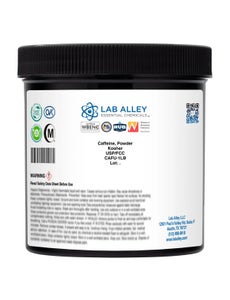
Searching for a reliable source of premium-quality caffeine? Lab Alley supplies superior caffeine products across pharmaceutical, food, nutraceutical, and cosmetic applications. Every batch receives thorough testing to confirm purity and satisfy strict quality standards.
Available Grades & Purities
Lab Alley provides caffeine in multiple forms and specifications:
Grade Specifications:
-
USP Pharmaceutical Grade: Meets United States Pharmacopeia requirements with ≥98.5% purity for pharmaceutical and nutraceutical applications with complete analytical documentation
-
Food Grade: Meets FDA and FCC specifications for food and beverage manufacturing with appropriate certifications
-
Natural Caffeine Extract: Extracted from coffee, tea, and guarana sources for natural and organic product formulations
-
Synthetic Caffeine Anhydrous: Chemically synthesized, dehydrated form for precise dosing applications
-
Caffeine Citrate: Pharmaceutical formulation with enhanced water solubility for specialized medical uses
Available forms include anhydrous powder, monohydrate, citrate, and natural extracts. All pharmaceutical grades meet USP monograph requirements with complete analytical documentation.
Pack Sizes & Industrial Availability
Lab Alley offers caffeine in various container sizes:
-
Laboratory quantities (100g, 500g, 1kg) for research and development applications
-
Commercial packaging (5kg bags, 25kg drums) for moderate production operations
-
Bulk industrial quantities (50kg drums, multi-ton shipments, pallet loads) for large-scale manufacturing
All products are packaged in moisture-resistant containers with proper sealing and desiccant protection. Food-grade and pharmaceutical-grade packaging meet regulatory requirements.
Quality & Compliance
Lab Alley's caffeine products feature:
-
USP grade certificates for pharmaceutical and nutraceutical applications
-
Food-grade certifications meeting FDA and FCC specifications
-
Kosher and Halal certifications available on select grades
-
Certificate of Analysis (COA) including assay, melting point, loss on drying, and heavy metals testing
-
HPLC analysis confirming purity and absence of related compounds
Regulatory Information
Important regulatory considerations for caffeine use:
-
FDA GRAS Status: Generally Recognized as Safe for food and beverage use
-
Beverage Limits: Maximum 0.02% (approximately 71mg per 12 fl oz) for cola-type beverages per FDA 21 CFR § 182.1180; no federal limits for other beverages or energy drinks
-
Labeling Requirements: Proper labeling is required for products containing added caffeine
-
Dietary Supplement Compliance: Must meet FDA 21 CFR Part 111 (cGMP) requirements
Important Note: Caffeine consumption should be monitored, particularly in sensitive populations including children, pregnant women, and individuals with cardiovascular conditions. Regulatory limits vary by country and product category. Always verify caffeine content meets applicable regulations for your intended application and market.
Final Note
Caffeine's exceptional versatility across pharmaceutical formulations, food and beverage products, sports nutrition, cosmetic applications, and specialized uses establishes it as an indispensable compound in modern commerce. From enhancing pain relief in medications to providing the energy boost in morning coffee, from supporting athletic performance to appearing in anti-aging skincare, this alkaloid delivers consistent, well-understood effects across an impressive application range.
For more detailed guidance, explore our Resource Library.
Our Customer Care team is also available for more information and documentation, including chemical Safety Data Sheets.
Need Caffeine You Can Trust?
If you are looking for high-quality caffeine for your lab, product line, or research facility, be sure to visit our store to explore our trusted selection and request a quote.
As your trusted partner in chemical supply, Lab Alley is always striving to meet the growing demands of our customers. We want you to be able to access all of your chemical needs in one place, along with streamlined online ordering and fast shipping.
Due to popular demand from our valued clientele, Lab Alley's caffeine is available in a range of purities and packaging options to suit various commercial, laboratory, and personal needs.