





Ethanol Uses & Applications: Comprehensive Industry Guide
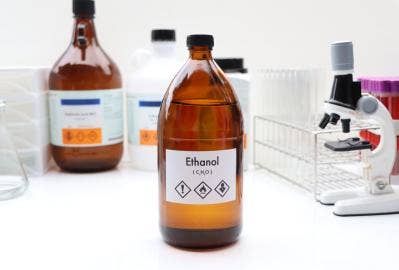
Ethanol (ethyl alcohol, C₂H₅OH) stands as one of the most versatile organic compounds in modern commerce, touching virtually every industry from medicine to manufacturing. This two-carbon alcohol functions as a powerful solvent, effective antimicrobial agent, renewable fuel component, and fundamental building block for countless chemical products.
Production occurs through two primary routes: microbial fermentation of sugar-rich crops like corn and sugarcane, or chemical synthesis from petroleum-derived ethylene. Its presence spans from the hand sanitizer in your pocket to the gasoline in your vehicle, from pharmaceutical formulations to the vanilla extract in your kitchen.
The FDA's approval for consumption, combined with proven antimicrobial properties and excellent dissolving capabilities, makes ethanol uniquely valuable across multiple sectors. Industries appreciate its effectiveness, safety profile when properly handled, and increasing availability from renewable sources.
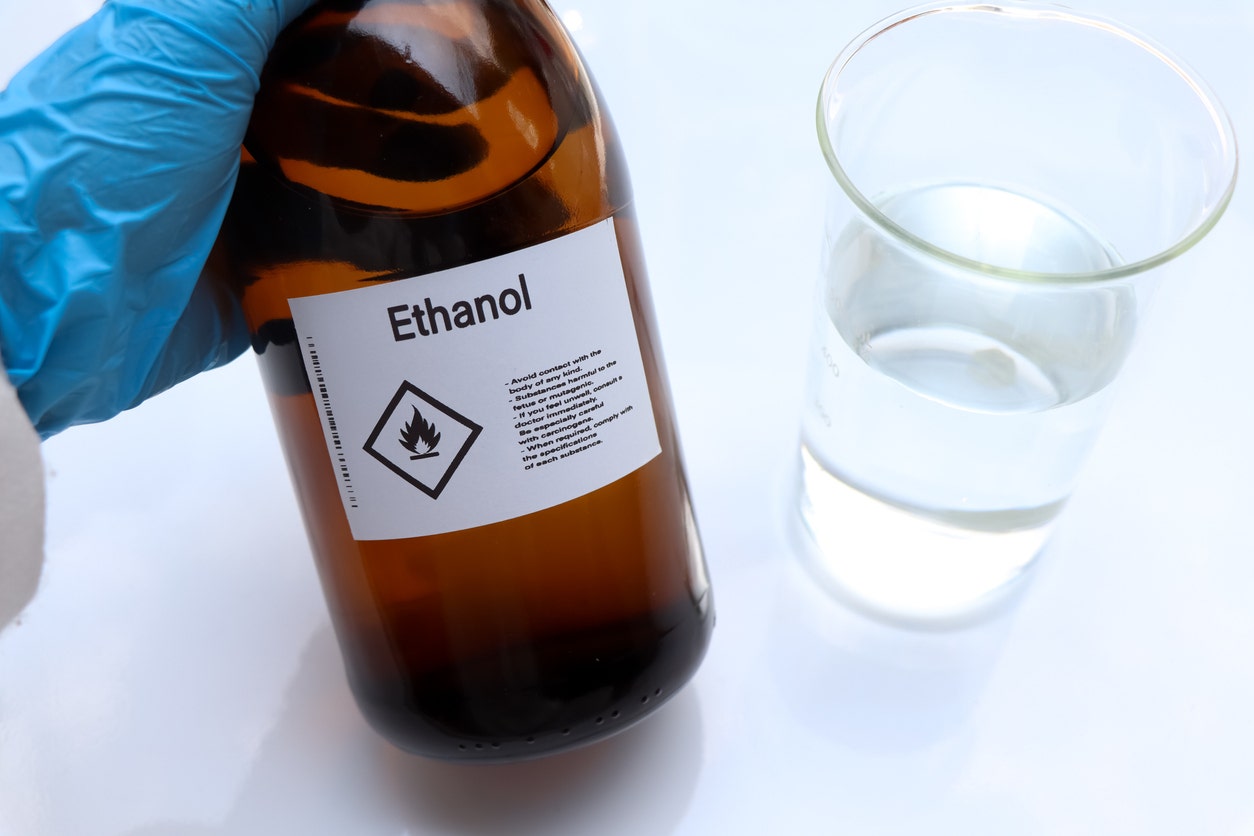
This guide examines ethanol's diverse applications across:
1. Industrial Applications
2. Scientific & Laboratory Uses
3. Medical & Pharmaceutical Uses
4. Food & Beverage Industry
5. Agriculture & Soil Treatment
6. Consumer & Household Uses
7. Environmental & Water Treatment
Industrial Applications
Manufacturing facilities worldwide depend on ethanol for chemical processing, formulation work, and production operations. Its renewable production and predictable behavior make it attractive for companies pursuing both performance and sustainability goals.
Chemical Manufacturing & Synthesis
Ethanol feeds directly into production chains that create ethyl esters, acetaldehyde, acetic acid, and other organic molecules essential to plastics, synthetic rubber, and industrial chemical intermediates. This versatility as a chemical precursor allows manufacturers to develop diverse product lines from a single renewable feedstock.
Companies transitioning away from petroleum-based starting materials find ethanol particularly appealing. Well-established processing methods and equipment compatibility facilitate integration into existing production systems.
Solvent Applications
Manufacturing operations use ethanol to dissolve resins, oils, fats, waxes, and alkaloids in formulating paints, inks, adhesives, and protective coatings. Its moderate polarity handles both water-soluble and oil-soluble substances effectively, simplifying formulation challenges that would require multiple solvents.
The compound evaporates at reasonable rates without requiring extreme temperatures. Compared to harsher alternatives like aromatic hydrocarbons, ethanol presents reduced long-term health concerns when handled with standard industrial precautions.
Fuel & Energy Production
Transportation fuels commonly contain ethanol as an octane booster and oxygenate that promotes cleaner combustion. Gas stations offer E10 (10% ethanol), E15 (15% ethanol), and E85 (85% ethanol) blends, with flex-fuel vehicles accepting higher concentrations.
This application addresses energy independence goals while utilizing agricultural production capacity. Domestic ethanol production reduces imported petroleum dependence and supports farming communities through sustained crop demand.
Surface Coatings & Finishes
Lacquers, shellacs, and varnishes rely on ethanol's quick evaporation and strong dissolving action. Fast drying reduces dust accumulation during curing and accelerates production. The clean evaporation leaves smooth finishes without residue complications.
Lower toxicity compared to methanol or aromatic compounds matters in consumer applications where residual solvents face regulatory scrutiny. This safety advantage, combined with technical performance, explains its continued use in finishing products.
Scientific & Laboratory Uses
Research facilities consume substantial quantities of ethanol for analytical work, synthesis reactions, and specimen preparation. Consistent quality and well-documented properties make it fundamental to scientific operations.
Analytical Reagent
Chromatography and spectroscopy methods frequently employ ethanol for sample preparation, dilution, and mobile phase formulations. Its intermediate polarity and UV transparency make it suitable for separating and detecting numerous compounds in analytical procedures.
High-purity reagent grades eliminate contaminants that could interfere with sensitive measurements. Analytical laboratories require this consistency to produce reliable, reproducible data that meets regulatory and research standards.
Laboratory Solvent
Synthesis reactions often proceed in ethanol when reactants require dissolution in moderately polar media. Crystallization and purification steps exploit its selective dissolving properties to separate desired products from impurities.
Scientists appreciate the favorable safety profile relative to more hazardous alternatives. While proper ventilation and fire precautions remain essential, chronic exposure risks are lower than with many common laboratory solvents.
Histology & Microscopy
Tissue processing for microscopic examination requires dehydration steps that replace cellular water with ethanol before paraffin embedding. Progressive increases in ethanol concentration extract water while preserving tissue structure for thin sectioning and staining procedures.
This preparation method has supported medical diagnosis and biological research for over a century. The reliable results and high-quality specimens make ethanol-based dehydration the standard approach in pathology laboratories worldwide.
Equipment Cleaning
Laboratory glassware cleaning benefits from ethanol's ability to remove organic residues, oils, and biological material. Rapid evaporation eliminates extended drying times, increasing equipment availability. Its antimicrobial action provides additional contamination control, particularly important in sterile technique applications.
Medical & Pharmaceutical Uses
Healthcare applications capitalize on ethanol's antimicrobial properties, solvent capabilities, and established safety documentation. Regulatory acceptance and decades of medical use facilitate its inclusion in diverse therapeutic products.
Pharmaceutical Excipient
Drug manufacturers incorporate ethanol to dissolve active ingredients, stabilize formulations, and extract therapeutic compounds from botanical sources. Tinctures and elixirs maintain drug molecules in solution while preventing microbial contamination during storage.
Many poorly water-soluble medications require ethanol to achieve adequate dissolution and absorption. Formulators optimize alcohol content to balance solubility enhancement with acceptable exposure levels for different patient populations.
Antiseptic & Disinfectant
Rapid microbial killing occurs when ethanol contacts bacteria, fungi, and certain viruses on skin or surfaces. Healthcare providers disinfect injection sites, prepare surgical areas, and clean minor wounds using 60-90% solutions that denature microbial proteins effectively.
Concentrations around 70% provide optimal activity. Pure ethanol actually works less effectively because some water is necessary to facilitate protein denaturation and enhance antimicrobial action.
Injection Solutions
Some injectable medications include ethanol to dissolve active compounds or maintain stability. Vitamin formulations, particularly fat-soluble varieties, may require alcohol for proper solubilization. Pharmaceutical-grade specifications ensure patient safety through rigorous testing for toxic impurities, particularly methanol.
Medical Device Processing
Device manufacturing uses ethanol for removing production residues, reducing bioburden, and processing components destined for patient contact. Its material compatibility and clean evaporation suit it for cleaning plastics, metals, and other medical device materials without leaving problematic residues.
Food & Beverage Industry Applications
Food sector applications range from alcoholic beverages to flavor extraction and equipment sanitation. GRAS status and centuries of safe consumption support its continued role in modern food production.
Beverage Production
Fermentation-produced ethanol creates the alcohol content and contributes to flavor complexity in beer, wine, and distilled spirits. Yeast converts sugars into alcohol and carbon dioxide, with different processes yielding characteristic profiles that define beverage categories and regional traditions.
This represents ethanol's largest and oldest application, with production and consumption deeply embedded in human culture worldwide.
Food Flavoring & Extraction
Natural flavor production requires extracting aromatic molecules from herbs, spices, and botanicals. Ethanol efficiently dissolves these compounds, creating concentrated extracts for foods, beverages, and confections. Its GRAS designation and acceptability in organic certification support its use in premium natural products.
Food Processing Aid
Processing facilities employ ethanol for equipment sanitization and as a functional ingredient in certain applications. Antimicrobial properties help control contamination while meeting food safety requirements. Clean evaporation simplifies sanitation protocols compared to sanitizers requiring water rinses.
Vanilla & Extract Production
Vanilla bean extraction demonstrates ethanol's role in capturing complex flavor profiles. Extended steeping dissolves vanillin and hundreds of supporting compounds that create vanilla's distinctive character. Similar methods produce almond, lemon, peppermint, and numerous other extracts that provide intense flavoring without excess moisture.
Personal Care & Cosmetics
Beauty products leverage ethanol's solvent properties, antimicrobial effects, and sensory characteristics. Consumer expectations for effective, pleasant-to-use products keep alcohol central to cosmetic formulations.
Cosmetic Formulations
Fragrances depend on ethanol to dissolve aromatic oils and deliver scents to the skin. After application, alcohol evaporation leaves behind fragrance compounds that develop into the perfume's characteristic scent. Aftershaves and body sprays create refreshing cooling sensations as alcohol evaporates from the skin.
Personal Care Products
Hand sanitizer effectiveness relies on 60-70% ethanol concentrations that rapidly kill microorganisms. Modern formulations include moisturizers to offset potential skin drying. Mouthwashes use ethanol to dissolve flavoring agents, deliver active ingredients, and provide antimicrobial action.
Hair Care Products
Hair sprays use ethanol as a fast-drying carrier for styling polymers. Quick evaporation after application allows immediate styling without sticky residue. Hair treatments may incorporate alcohol to enhance ingredient penetration into hair shafts, though formulators balance this against potential drying effects.
Skincare Applications
Toners and astringents contain ethanol to remove oil, tighten pores, and deliver active ingredients. Properly formulated products balance alcohol content with moisturizing components. Some acne treatments use ethanol to dissolve medications, control excess sebum, and provide antimicrobial action against acne bacteria.
Household & Consumer Uses
Consumer products in homes everywhere contain ethanol for cleaning, disinfection, and maintenance purposes. Effectiveness, availability, and reasonable cost make it a staple household ingredient.
Cleaning Products
Glass cleaners achieve clarity through ethanol's grease-cutting ability and streak-free evaporation. Multi-purpose cleaners combine ethanol's antimicrobial activity with cleaning power, addressing consumers' desire for products that clean and disinfect simultaneously.
Hand Sanitizers
Portable alcohol-based sanitizers provide convenient hygiene when soap and water aren't accessible. Proper use requires sufficient product to cover all hand surfaces and rubbing until dry.
Automotive Products
Windshield washer fluids incorporate ethanol to prevent freezing in cold climates while providing cleaning action. Alcohol depresses water's freezing point and helps dissolve road film and accumulated dirt. Fuel system additives may contain ethanol to enhance octane and reduce carbon deposits.
Household Antiseptic
Families maintain ethanol-based antiseptics for treating minor injuries and scrapes. Disinfecting shared items like thermometers and tweezers requires simple, reliable methods. Ethanol application followed by air drying provides effective sanitization without complicated procedures.
Agriculture & Veterinary Uses
Agricultural applications support crop protection, animal health, and operational hygiene. Compatibility with sustainable farming practices and regulatory acceptance make ethanol valuable in modern agriculture.
Pesticide Formulations
Many pesticides and herbicides incorporate ethanol as a solvent and carrier for water-insoluble active ingredients. It creates stable formulations that dilute properly for field application while helping ingredients penetrate plant or pest surfaces.
Veterinary Medicine
Animal health products use ethanol in oral solutions, topical treatments, and injectable formulations. Veterinarians disinfect skin before procedures using alcohol-based antiseptics. Farm operations keep ethanol products on hand for routine healthcare procedures and wound treatment.
Plant Extraction
Agricultural research isolates bioactive compounds from plants using ethanol extraction. Natural product manufacturers use similar techniques at a commercial scale for essential oils and botanical supplements, with ethanol recovery through distillation making the process economically viable.
Equipment Sanitization
Dairy operations, feed production, and food processing require regular equipment disinfection. Milking systems need sanitization to prevent mastitis and ensure milk quality. Ethanol-based sanitizers provide effective disinfection with acceptable residues for food-contact applications.
Specialized Ethanol Types
Different applications demand specific characteristics, leading to various specialized formulations. Understanding these distinctions helps match products to intended uses.
Denatured Alcohol
Adding bitter or toxic compounds renders ethanol undrinkable, allowing sale without beverage taxes. This dramatically reduces costs for industrial, fuel, and cleaning applications. Users must verify that denaturant formulas suit their intended applications, particularly in products like cosmetics, where certain denaturants are acceptable while others are prohibited.
Absolute Ethanol
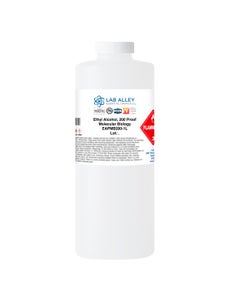
Anhydrous ethanol contains minimal water, typically with a purity of 99% or higher. Achieving this requires specialized processing beyond standard distillation. Electronics manufacturing and water-sensitive chemical reactions require truly anhydrous conditions where the presence of water can cause equipment corrosion or reaction interference.
Reagent Grade Ethanol
Laboratory specifications define reagent-grade purity with strict limits on contaminants that could affect experimental results. Certificates of analysis document actual test results for each production lot, ensuring the consistency needed for reproducible research.
Food Grade Ethanol
FDA specifications govern ethanol for food and beverage use, requiring rigorous testing for toxic impurities like methanol. Production follows strict quality standards, ensuring safety and regulatory compliance for human consumption.
Ethanol Grades and Pack Sizes
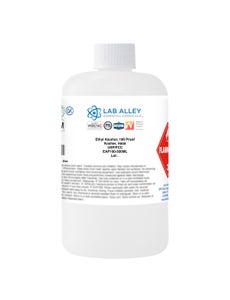
Searching for a reliable source of premium-quality ethanol? Lab Alley supplies superior ethanol solutions across pharmaceutical, food, cosmetic, and industrial applications. Every batch receives thorough testing to confirm purity and satisfy strict quality standards, delivering consistent performance for your varied operational requirements.
Available Grades & Purities
Lab Alley provides ethanol in several grades tailored to meet specific industry needs:
-
Food Grade (FDA-approved): Meets FDA requirements with rigorous controls on methanol and toxic impurities. Suitable for food and beverage manufacturing, flavor extraction, and any application requiring food-grade certification for safe human consumption.
-
USP Grade: Premium-purity ethanol meeting United States Pharmacopeia standards for pharmaceutical and medical use. Perfect for drug formulation, injectable preparations, and situations demanding pharmaceutical-grade quality.
-
ACS Grade: Satisfies American Chemical Society requirements for analytical laboratory applications. Excellent for chromatography, spectroscopy, and analytical chemistry work requiring comprehensive certificates of analysis.
-
Reagent Grade: High-quality ethanol meeting analytical standards for laboratory use. Well-suited for research work, organic synthesis, and situations where reliable composition is critical.
-
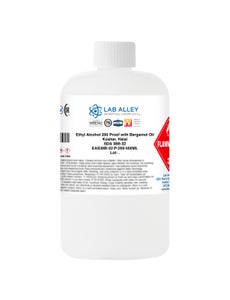
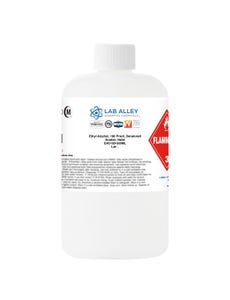
Denatured Alcohol: Ethanol made unsuitable for drinking through denaturant additions, offered in multiple formulations for industrial, cleaning, and fuel uses while eliminating beverage alcohol taxation.
-
Absolute Ethanol (Anhydrous): Premium 99%+ purity ethanol with trace water content for electronics production, specialized chemical processes, and situations requiring completely water-free solvents.
Pack Sizes & Bulk Availability
Lab Alley offers ethanol solutions in various container sizes, accommodating small-scale laboratory work through full production operations:
-
Small laboratory containers (100mL, 500mL, 1L) for research and teaching applications
-
Medium-sized packages (1 gallon, 4L, 5 gallons) for moderate-use situations and development projects
-
High-volume packaging (55 gallons, 275 gallons, tank trucks, rail cars) for large-scale industrial needs
-
Custom packaging solutions for specialized requirements
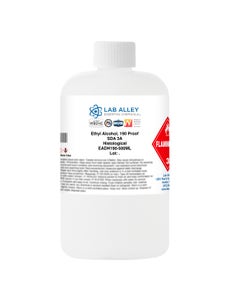
Common concentrations feature 70%, 95%, 99%, and 99.9% solutions throughout Food Grade, USP Grade, ACS Grade, Reagent Grade, and technical specifications. Specialty products feature 200 Proof (anhydrous), 190 Proof, and multiple denatured alcohol formulations created for particular uses.
Ethanol is available in glass, plastic, and metal containers, with selection depending on grade specifications and application requirements.
Every container satisfies rigorous safety, shipping, and regulatory standards to ensure proper handling and product integrity during transport and storage. Reach out to our sales team for up-to-date pricing, product availability, and technical details matching your ethanol needs.
Final Note
Ethanol's exceptional versatility spanning pharmaceuticals, food production, industrial manufacturing, and consumer products establishes it as an indispensable compound in contemporary applications. From enabling renewable fuel alternatives to providing antimicrobial protection and serving as a fundamental chemical building block, this alcohol delivers dependable solutions to challenges across diverse industries.
The compound's documented safety history, FDA approval for consumption, and availability from renewable sources, paired with technical efficacy and established regulatory acceptance, position ethanol for continued prominence. As industries pursue sustainability goals and consumers demand effective products with acceptable safety profiles, ethanol applications continue expanding across traditional and emerging sectors.
For businesses evaluating ethanol integration, collaborating with knowledgeable suppliers like Lab Alley, who grasp technical nuances alongside regulatory landscapes, guarantees smooth adoption while upholding safety protocols and compliance requirements throughout all operational domains.
For more detailed guidance, explore our Resource Library.
Our Customer Care team is also available for more information and documentation, including chemical Safety Data Sheets.
Need Ethanol You Can Trust?
If you are looking for high-quality ethanol for your lab, product line, or research facility, be sure to visit our store to explore our trusted selection and request a quote.
As your trusted partner in chemical supply, Lab Alley is always striving to meet the growing demands of our customers. We want you to be able to access all of your chemical needs in one place, along with streamlined online ordering and fast shipping.
Due to popular demand from our valued clientele, Lab Alley's ethanol is available in a range of purities and packaging options to suit various commercial, laboratory, and personal needs.