





How to Store Dichloromethane (Methylene Chloride)
Dichloromethane (DCM), also called methylene chloride, is a volatile chlorinated solvent with a boiling point of approximately 40°C (104°F). That low boiling point, combined with a vapor density of 2.93 relative to air, makes DCM one of the more demanding common laboratory solvents to store safely. Vapors accumulate at floor level, concentrations rise quickly in enclosed spaces, and exposure at levels exceeding the OSHA permissible exposure limit of 25 ppm TWA carries serious health consequences.
Proper storage goes beyond keeping the container closed. DCM is susceptible to degradation from heat and moisture, reacts with a broad range of incompatible materials, and is classified as a hazardous air pollutant and suspected carcinogen under multiple regulatory frameworks. Stabilizer integrity, container material compatibility, and ventilation design each have a direct bearing on whether the chemical remains usable and whether personnel remain protected.
Grade selection can also influence storage decisions. Pharmaceutical and analytical grades may have stricter purity tolerances that make contamination from improper containers or degraded stabilizers more consequential. The requirements below apply across grades unless otherwise noted.


In this article, we'll explore:
-
Recommended Storage Conditions
-
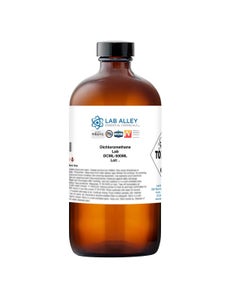
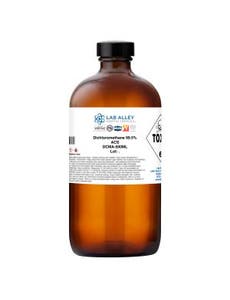
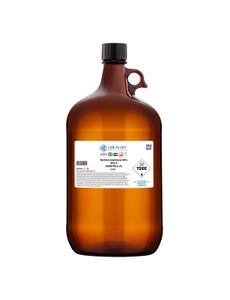
Container & Packaging Requirements
-
Segregation & Compatibility
-
Safe Handling in Storage Areas
-
Regulatory Compliance & Labeling
-
Environmental & Safety Considerations
-
Special Considerations
Recommended Storage Conditions
Temperature
DCM should be stored between 15 and 25°C (59 and 77°F), away from heat sources of any kind. Temperatures above this range accelerate vapor pressure buildup; at 25°C, DCM already exerts a vapor pressure of 57.3 kPa, and any additional heat increases the risk of container pressurization and seal failure. Storage areas should be kept cool and thermally stable, particularly for quantities larger than a few liters.
Humidity Control
Heat and moisture are the two primary contributors to DCM instability. Containers must remain tightly sealed at all times to prevent moisture ingress, which can accelerate hydrolytic decomposition and introduce acidity into the solvent. Even brief exposure to humid air during dispensing should be minimized.
Light Exposure
Store DCM away from direct sunlight and radiant heat sources. UV exposure and elevated temperatures both accelerate decomposition, making shaded or enclosed storage conditions preferable. Opaque or amber glass containers offer an additional layer of protection for long-term storage in laboratory settings.
Ventilation
DCM storage requires well-ventilated areas with floor-level air circulation. Because the vapor density is 2.93 relative to air, vapors settle and collect at low points, creating inhalation hazards and potential for localized high-concentration zones. Storage in enclosed, unventilated, or confined spaces is not acceptable.
Storage Duration
DCM is susceptible to degradation over time, and most commercial grades are formulated with 40 to 150 ppm amylene or a similar stabilizer to slow this process. Signs of degradation include discoloration, off-odor, or measurable acidity in the solvent. Containers should be dated on receipt and at first opening, and older stock should be prioritized for use before newer inventory.
Container & Packaging Requirements
Compatible Materials
Plain mild steel, galvanized steel, lead-lined steel, and glass are all acceptable container materials for DCM. The solvent attacks many forms of plastics, rubber, and coatings, so any container material that has not been verified for compatibility with chlorinated solvents must be avoided. This includes common laboratory plastics such as polyethylene terephthalate (PET) and many grades of rubber used in gaskets and stoppers.
Sealing Requirements
Containers must be kept tightly sealed whenever not in active use. During transport and interim storage, DCM containers should be placed in secondary containment, preferably polyethylene trays or tubs that have been confirmed compatible with chlorinated solvents. This secondary layer catches leaks and limits vapor release in the storage area.
Labeling Requirements
All containers must carry GHS-compliant labels that include the product name, CAS No. 75-09-2, the signal word "Warning," the applicable hazard pictograms (Health Hazard and Exclamation Mark), and the relevant hazard statements. Labels should also include the date received and the date first opened to support degradation monitoring and shelf life tracking.
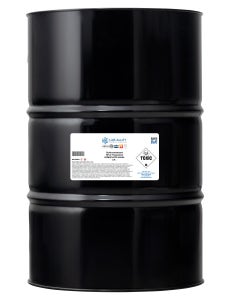
Bulk Storage
Bulk DCM should be stored in steel tanks with appropriate venting designed for chlorinated solvents. Temperature control below 25°C is required to limit vapor pressure. All gaskets, seals, and any internal liners must be verified for compatibility before use; standard rubber gaskets and many plastic components are not suitable.
Segregation & Compatibility
Incompatible Substances
DCM must be stored separately from a range of reactive chemical classes. Incompatible substances include:
-
Strong oxidizers
-
Strong caustics (sodium hydroxide, potassium hydroxide)
-
Liquid oxygen
-
Amines
-
Chemically active metals: aluminum powder, magnesium powder, sodium, potassium
-
Titanium
Contact with these materials can result in fires, violent reactions, or the generation of toxic byproducts.
Storage Grouping
DCM is best grouped with other chlorinated solvents in a dedicated storage cabinet or segregated chemical storage room. It must be kept away from reactive metals and oxidizers regardless of cabinet type. Facilities storing multiple solvent classes should review chemical compatibility groupings to ensure segregation is maintained across all storage areas.
Flammability & Reactivity Precautions
DCM does not have a flash point under standard conditions, but it can form flammable vapor-air mixtures at temperatures above approximately 100°C, with an autoignition temperature of 556°C (1,033°F). The NFPA 704 rating is Flammability 1, Health 2, Reactivity 0. When DCM is involved in a fire or exposed to high heat, it can decompose to produce phosgene, a highly toxic gas; this risk should be communicated to all personnel working in or near storage areas.
Safe Handling in Storage Areas
PPE Requirements
Personnel handling DCM in storage areas must wear chemical splash goggles, Viton or Silver Shield/laminate gloves, and a chemical-resistant lab coat or apron. Nitrile gloves are not recommended for DCM; laminate gloves are preferred, and some users add a nitrile glove over the laminate for improved dexterity. When vapor concentrations may exceed the OSHA PEL of 25 ppm TWA, respiratory protection is required under 29 CFR 1910.134.
Transfer & Dispensing
All transfers should be conducted in a well-ventilated area or inside a fume hood. Closed transfer systems are preferable wherever practicable, and open pouring in confined or poorly ventilated spaces should be avoided entirely. The high volatility of DCM means even small open transfers can produce significant vapor concentrations quickly.
Spill Containment
Spills should be absorbed with universal absorbent pads or granular sorbent rated for chlorinated solvents. Plastic bags are not appropriate for collecting contaminated cleanup material, as DCM can compromise many polymer types. Floor drains must be protected from spill runoff, and all contaminated absorbents must be managed and disposed of as hazardous waste.
Emergency Equipment
An eyewash station and safety shower must be accessible from storage and handling areas without obstruction. A fire extinguisher appropriate for the surrounding materials should be present; CO₂ or dry chemical extinguishers are suitable for DCM storage environments.
Regulatory Compliance & Labeling
OSHA Regulations
DCM is governed by three OSHA chemical-specific standards: 29 CFR 1910.1052 for general industry, 29 CFR 1915.1052 for shipyard employment, and 29 CFR 1926.1152 for construction. The enforceable PEL is 25 ppm as an 8-hour TWA, with a STEL of 125 ppm over any 15 minutes.
GHS Requirements
Required hazard statements include H315 (skin irritation), H319 (serious eye irritation), H336 (may cause drowsiness or dizziness), H351 (suspected carcinogen), and H420 (harms public health and the environment by destroying ozone in the upper atmosphere). The required pictograms are the Health Hazard (exclamation mark over body silhouette) and the Exclamation Mark, with a signal word of "Warning."
NFPA & DOT
The NFPA 704 rating for DCM is 2-1-0 (Health 2, Flammability 1, Reactivity 0). Under DOT regulations, DCM is classified as a hazardous material with UN number 1593, Packing Group III, under Class 6.1 (poisonous substances). Shipments must be labeled and packaged in accordance with applicable DOT requirements.
Industry-Specific Compliance
The EPA classifies DCM as a Hazardous Air Pollutant under the Clean Air Act, and it is subject to SARA Section 313 Toxic Release Inventory reporting requirements under 40 CFR Part 372. The CERCLA reportable quantity is 1,000 lb (454 kg). DCM is also listed as both a Priority Pollutant and a Toxic Pollutant under the Clean Water Act, which has direct implications for spill response and wastewater handling.
SDS Requirements
A current Safety Data Sheet must be maintained and made accessible to all personnel who work in areas where DCM is stored or handled, per OSHA's Hazard Communication Standard at 29 CFR 1910.1200. SDS documents should be reviewed upon receipt of new shipments and updated whenever the supplier revises the document.
Environmental & Safety Considerations
Fire Suppression
Storage areas holding DCM should be equipped with appropriate fire suppression systems. While DCM itself is difficult to ignite under standard conditions, elevated temperature scenarios can produce flammable vapor-air mixtures, and fire decomposition releases phosgene gas. Suppression system design should account for the toxic decomposition products that may be generated in a fire event.
Secondary Containment
Bulk DCM storage requires bermed or diked secondary containment to prevent spill migration to floor drains, soil, or adjacent areas. The containment structure should be sized to hold at least the volume of the largest container in storage. Containment materials must be compatible with chlorinated solvents.
Wastewater & Environmental Impact
DCM is biodegradable under aerobic conditions, but discharge to sewers or surface water is regulated under the Clean Water Act due to its Priority Pollutant and Toxic Pollutant status. Spill runoff and process wastewater containing DCM must not be discharged untreated. Facilities should have documented spill response procedures that specifically address drain protection.
Electrical Equipment Standards
Standard storage conditions for DCM, based on its NFPA flammability rating of 1, do not require explosion-proof electrical equipment. In high-heat environments where vapor-air flammable mixtures could realistically form, appropriately rated electrical equipment should be used as a precaution.
Special Considerations
Stabilizer Integrity
Commercial DCM typically contains 40 to 150 ppm amylene or a comparable stabilizer to prevent oxidative and free-radical degradation. Over time or in the absence of sufficient stabilizer, DCM can generate acidic decomposition products that affect both chemical quality and container integrity. Stabilizer content should be confirmed at the time of sourcing, and material held in long-term storage should be periodically tested for acidity.
Ozone-Depleting Substance
DCM carries GHS hazard statement H420, indicating it harms the ozone layer. While not regulated as strictly as chlorofluorocarbons, some jurisdictions impose additional reporting requirements or usage restrictions for ozone-depleting substances beyond standard U.S. EPA obligations. Procurement and compliance teams should verify applicable local regulations when sourcing or distributing DCM internationally.
Carboxyhaemoglobin Risk
DCM metabolizes to carbon monoxide in the body, which binds to hemoglobin and reduces oxygen-carrying capacity. Personnel with cardiovascular disease, anemia, or cardiac rhythm disorders face a meaningfully higher risk from DCM vapor exposure than the general workforce. Storage area access controls, routine vapor monitoring, and medical surveillance under 29 CFR 1910.1052 are especially important where these individuals may be present.
Key Takeaways
Storing dichloromethane correctly requires coordinated attention across container selection, temperature and ventilation control, chemical segregation, and regulatory compliance. The chemical's low boiling point, high vapor density, and sensitivity to both heat and moisture make storage conditions consequential in ways that go beyond general solvent handling practices.
Personnel working in areas where DCM is stored should be familiar with its specific PPE requirements, the phosgene risk in fire scenarios, and the elevated exposure risk it poses to individuals with underlying cardiovascular conditions.
For more detailed guidance, explore our Resource Library.
Our Customer Care team is also available for more information and documentation, including chemical Safety Data Sheets.
Need Dichloromethane You Can Trust?
If you are looking for high-quality dichloromethane for your lab, product line, or research facility, be sure to visit our store to explore our trusted selection and request a quote.
As your trusted partner in chemical supply, Lab Alley is always striving to meet the growing demands of our customers. We want you to have all your chemical needs in one place, with streamlined online ordering and fast shipping.
Due to popular demand from our valued clientele, Lab Alley's dichloromethane is available in a range of purities and packaging options to suit various commercial, laboratory, and personal needs.