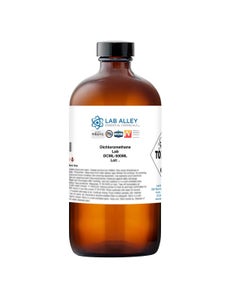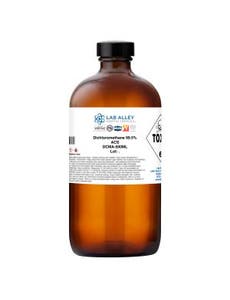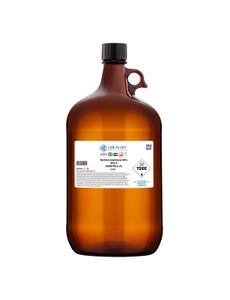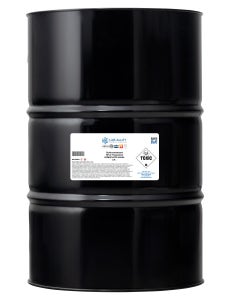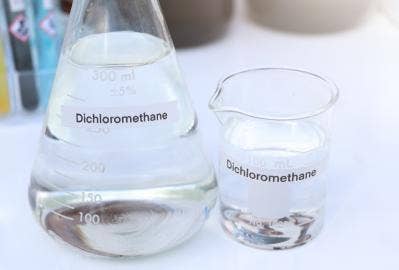






Dichloromethane (Methylene Chloride) Overview
Dichloromethane (DCM), also known as methylene chloride, methylene dichloride, and methylene bichloride, is a colorless, volatile chlorinated solvent with the molecular formula CH₂Cl₂. It is used across pharmaceutical manufacturing, laboratory extraction, industrial cleaning, chemical synthesis, and polymer processing, making it one of the most widely deployed organic solvents in both research and production settings.
DCM's utility comes from a combination of properties that few solvents can match at once: a boiling point of just 39.6°C, moderate polarity that allows it to dissolve both polar and nonpolar compounds, and non-flammability under standard conditions. These characteristics make it especially well-suited for extractions, chromatography, and applications where fast, clean solvent removal is required.
The regulatory landscape for DCM has changed significantly in recent years. In April 2024, the U.S. Environmental Protection Agency (EPA) finalized a rule under the Toxic Substances Control Act (TSCA) banning most consumer and industrial uses, effective July 8, 2024. Continued use is permitted in laboratory settings and select industrial applications under strict Workplace Chemical Protection Program (WCPP) requirements. Buyers and users should verify current compliance obligations before procuring or using DCM.
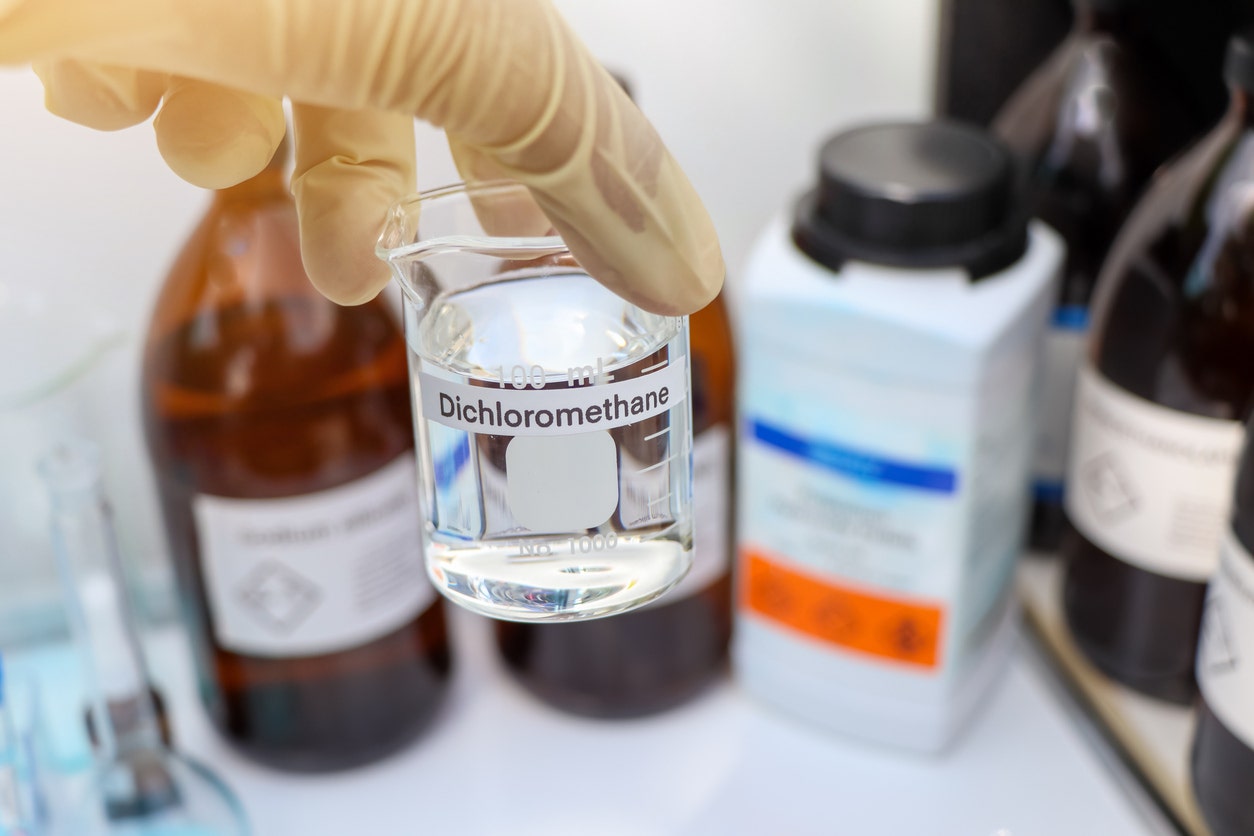
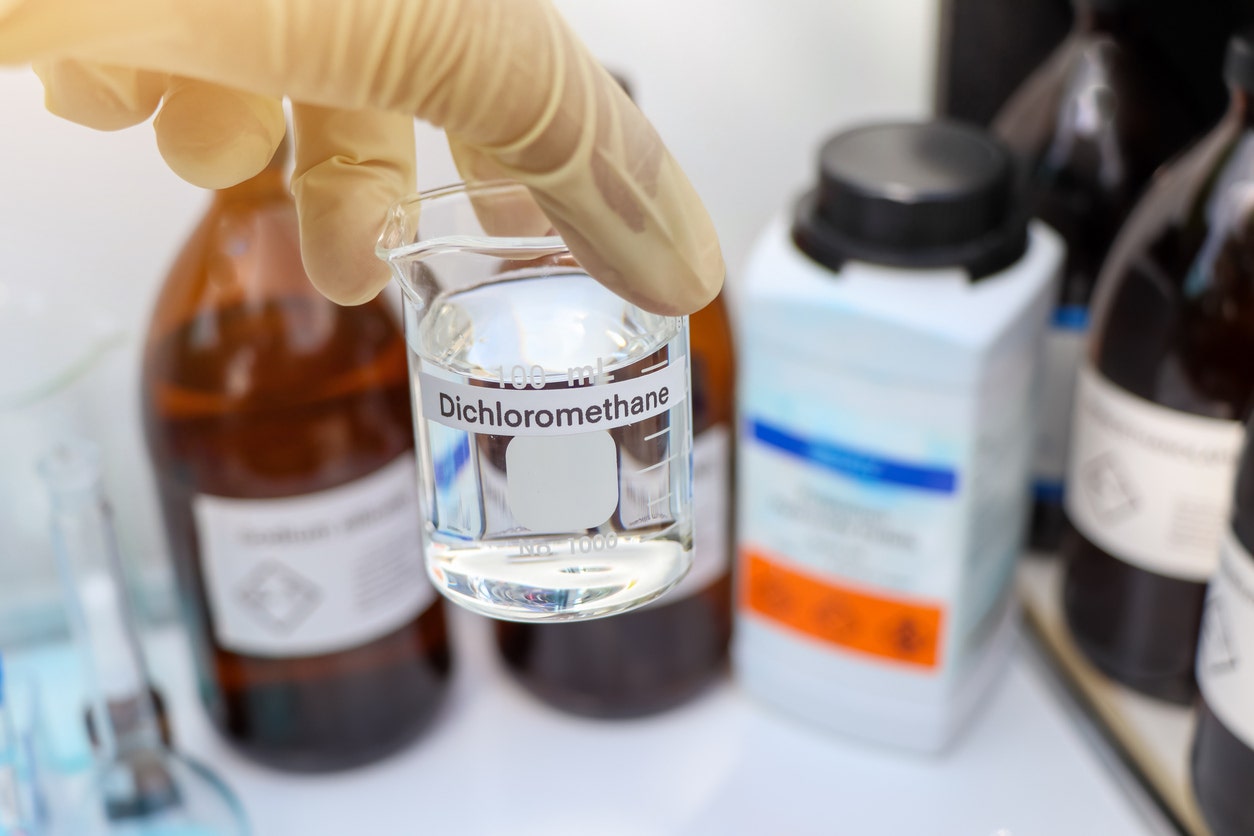
Properties of Dichloromethane
Key Facts
-
Compound Name: Dichloromethane
-
Synonyms/Common Names: Methylene chloride, methylene dichloride, methylene bichloride, DCM, methane dichloride, Aerothene MM, Freon 30, RCRA Waste Number U080
-
Chemical Formula: CH₂Cl₂
-
CAS Number: 75-09-2
-
Molar Mass: 84.93 g/mol
-
Appearance: Colorless liquid; faint, minty, chloroform-like odor
Density and Behavior Relative to Water
DCM has a density of 1.3266 g/cm³ at 20°C, making it significantly heavier than water. In liquid-liquid extraction, this means the DCM phase sinks to the bottom of a separatory funnel, which is the reverse of what chemists encounter with lighter organic solvents like diethyl ether. This behavior is predictable and consistent, which is one reason DCM is a reliable choice for aqueous-organic extractions.
Dichloromethane (methylene chloride) is a clear, colorless, volatile solvent widely used in laboratory, industrial, and manufacturing applications. It functions as a solvent for extraction, chemical processing, paint removal, and cleaning due to its strong solvency and rapid evaporation. U.S. laboratories and manufacturers sourcing dichloromethane by grade and purity contact Lab Alley at 512-668-9918 for product selection and ordering support.
Boiling Point, Melting Point, and Thermal Stability
The boiling point of 39.6°C (103.3°F) is close enough to room temperature that DCM evaporates readily under ambient conditions, facilitating fast solvent removal after extraction or reaction. The melting point is −96.7°C (−142.1°F), so the compound remains liquid across all practical working temperatures. It is thermally stable below 100°C but decomposes at approximately 720°C, producing phosgene, hydrogen chloride, and carbon monoxide during combustion or thermal decomposition.
Solubility and Miscibility
DCM is slightly soluble in water (17.5 g/L at 25°C) and essentially immiscible under most working conditions, which is what makes liquid-liquid extraction practical. It is fully miscible with ethyl acetate, ethanol, hexanes, diethyl ether, chloroform, benzene, and carbon tetrachloride. Its moderate polarity as an aprotic solvent allows it to dissolve a broad range of organic compounds, including oils, fats, waxes, resins, and cellulose acetate, without participating in hydrogen bonding or protic reactions.
Reactivity and Incompatibilities
DCM is non-flammable under standard conditions and chemically stable when stored correctly, but it is not fully inert. It reacts with strong oxidizers, strong bases such as sodium hydroxide and potassium hydroxide, and chemically active metals including potassium, sodium, magnesium, and aluminum powder.
It is also incompatible with liquid oxygen, titanium, and amines; tertiary amines can react with DCM via the Menshutkin reaction to form quaternary salts. Vapors are heavier than air and can accumulate in low-lying areas. On combustion or at elevated temperatures, DCM decomposes to phosgene, hydrogen chloride, carbon monoxide, and carbon dioxide.
Dichloromethane from Lab Alley is available as a high-purity, clear, colorless liquid meeting ACS and reagent-grade specifications for laboratory and industrial applications. Packaging ranges from small laboratory containers to bulk drums and totes to support research, manufacturing, and commercial supply needs.
Common Uses & Applications
Industrial Applications
DCM serves as a process solvent and cleaning agent across multiple manufacturing sectors. It is used in industrial paint stripping and coating removal, metal cleaning and degreasing in electronics and precision instrument manufacturing, and as a blowing agent in polyurethane foam production.
It is also used as a processing solvent for cellulose acetate film and polycarbonate resins, and as a feedstock in the synthesis of difluoromethane (HFC-32), a refrigerant used in low-global-warming-potential blends such as R-407C and R-410A.
Scientific and Laboratory Uses
In laboratory settings, DCM is the workhorse solvent for liquid-liquid extraction, column chromatography, and thin-layer chromatography (TLC). Its moderate polarity and fast evaporation rate make it practical for isolating organic compounds from aqueous matrices and for loading samples onto silica columns.
It is also used as a reaction solvent for organic synthesis, in NMR sample preparation, and in the recrystallization of compounds that are poorly soluble in less polar solvents.
Consumer and Household Uses
Consumer use of DCM in paint and coating removers was banned by the EPA in 2019, and the 2024 TSCA final rule expanded that prohibition to cover all remaining consumer applications. There are no current legal consumer uses of DCM in the United States.
Specialized Applications
DCM is a primary extraction solvent in pharmaceutical manufacturing, where it is used to isolate and purify active pharmaceutical ingredients (APIs), antibiotics, vitamins, and caffeine. It has also been used in the food industry for decaffeinating coffee and tea under strict residue limits, though supercritical CO₂ has largely displaced it in this application.
In agrochemical synthesis and fine chemical manufacturing, DCM functions as a reaction and extraction solvent in closed industrial systems. Laboratory use remains permitted under the 2024 EPA rule, subject to WCPP compliance requirements.
Fight Your Kidney Stone with This Natural Product Hack
Fight kidney stones. Discover how citric acid naturally prevents stone formation.
Is Lactic Acid Bad? A Look at the Health Science
Is lactic acid bad for you? Debunking myths and revealing its vital role in your body & beyond.
Hospitality Without Hitchhikers: Boric Acid’s Role in Bed Bug Prevention
Protect your hospitality business. Boric acid is key to preventing bed bug infestations.
Harnessing Silica Sulfuric Acid to Enhance Concrete Durability
Enhance concrete longevity. Silica sulfuric acid improves strength and chemical resistance.
Safety & Handling
Hazards and Precautions
DCM carries GHS classifications of Skin Irrit. 2, Eye Irrit. 2A, STOT SE 3 (drowsiness and dizziness), and Carc. 2 (suspected carcinogen); the signal word is Danger. IARC classifies it as Group 2B (possibly carcinogenic to humans), and the NTP lists it as reasonably anticipated to be a human carcinogen.
OSHA specifically regulates it as a carcinogen under 29 CFR 1910.1052, with a PEL of 25 ppm TWA and 125 ppm STEL. A critical toxicological mechanism is its partial metabolism to carbon monoxide in the body, which elevates carboxyhemoglobin levels and reduces blood oxygen-carrying capacity; this makes exposure particularly dangerous for individuals with pre-existing cardiac or pulmonary conditions.
The EPA's 2024 WCPP threshold sets an existing chemical exposure limit (ECEL) of 2 ppm and a short-term exposure limit of 16 ppm.
Personal Protective Equipment
Glove selection for DCM requires specific attention: standard nitrile, latex, neoprene, and butyl rubber gloves provide inadequate protection, as DCM permeates disposable nitrile gloves within approximately one minute. Silver Shield® inner gloves worn under nitrile outer gloves provide substantially better protection for hand contact.
Chemical splash goggles or a full-face shield are required where liquid contact with the eyes is possible. For respiratory protection, standard air-purifying respirators with organic vapor cartridges are insufficient because DCM passes through cartridge media; supplied-air respirators or SCBAs are required in environments where engineering controls cannot maintain exposure below OSHA or EPA limits.
A lab coat or chemical-resistant apron should be worn to prevent skin contact.
Storage Guidelines
DCM should be stored in tightly sealed, UN-approved containers below 25°C in a cool, well-ventilated area away from direct sunlight and heat sources. Containers must be compatible with chlorinated solvents; DCM will attack some plastics, rubber, and coatings, and may corrode iron and certain stainless steels in the presence of moisture.
It must be kept away from strong bases, strong oxidizers, and reactive metals, including aluminum and magnesium. Because of its high vapor pressure (approximately 350 mmHg at 20°C), even properly sealed containers should be stored in ventilated cabinets to prevent vapor accumulation.
Spill and Disposal Procedures
In the event of a spill, the area should be ventilated immediately and bystanders moved away from the vapor source. The liquid should be absorbed using inert material such as vermiculite or dry sand; no neutralization is required.
DCM is classified as RCRA hazardous waste U080 and must be disposed of through a licensed hazardous waste contractor via permitted incineration; it should not be poured down drains or vented to the atmosphere. Disposal is subject to EPA TSCA, RCRA, and applicable state environmental regulations. Incineration facilities handling DCM waste should be equipped with acid scrubbers to neutralize hydrogen chloride generated during combustion.
How to Safely Dispose of Sulfuric Acid
Sulfuric acid is one of the most common acidifying reagents and sulfur sources, essential across multiple industries. At the same time, it is also a toxic and highly hazardous chemical reagent, requiring safe handling and disposal by trained personnel.
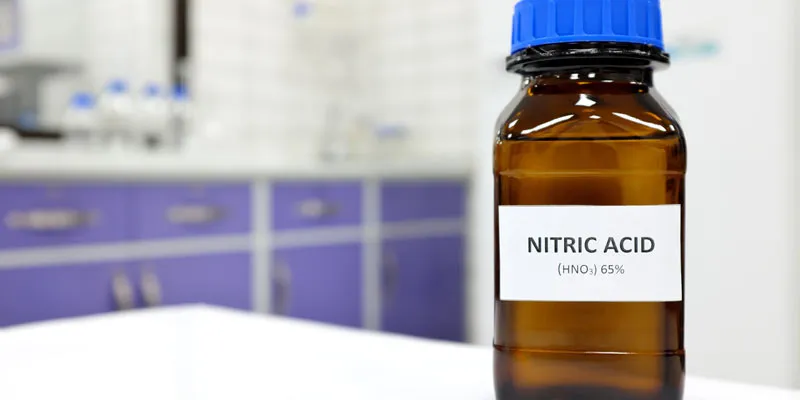
How To Use Nitric Acid Safely
Nitric acid is a corrosive chemical and harmful to humans. Its contact with skin and eyes can cause serious burns. Affected skin will require flushing with soap and lukewarm water for at least 30 minutes.
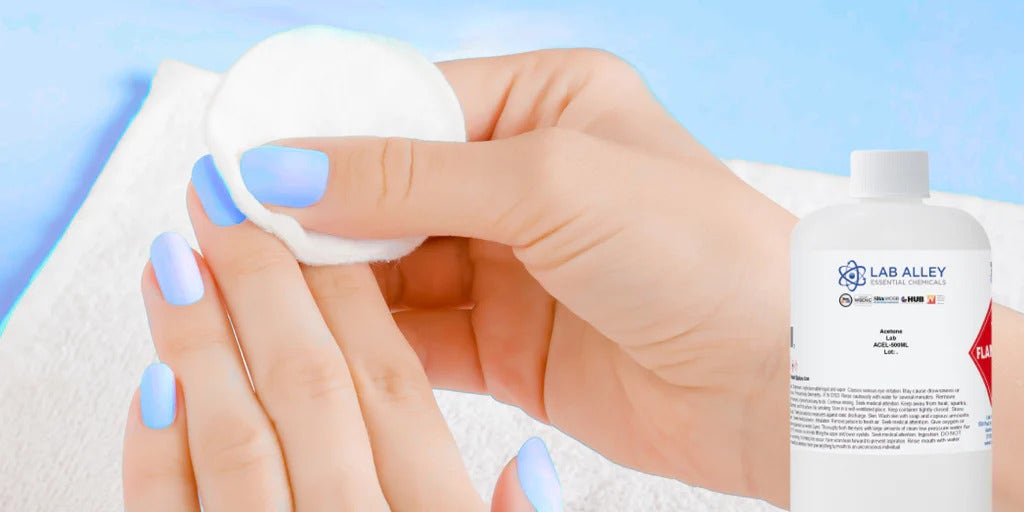
Acetone Safety: Proper Storage and Disposal Methods
Acetone is a staple chemical solvent in most laboratories. It is also perhaps one of the most recognizable chemicals to the layperson, best known as the pungent solvent comprising nail polish remover.
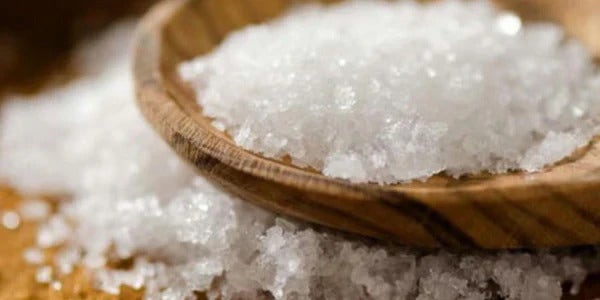
How to Use Potassium Iodide Safely and Where to Buy it Online
Potassium Iodide Powder, also known as Potassium Salt of Hydriodic Acid, Iodic Acid Potassium Salt, Potassium Monoiodide, and Knollide, has the chemical formula KI. It appears as a white crystalline powder, odorless, and is soluble in water at ambient conditions.
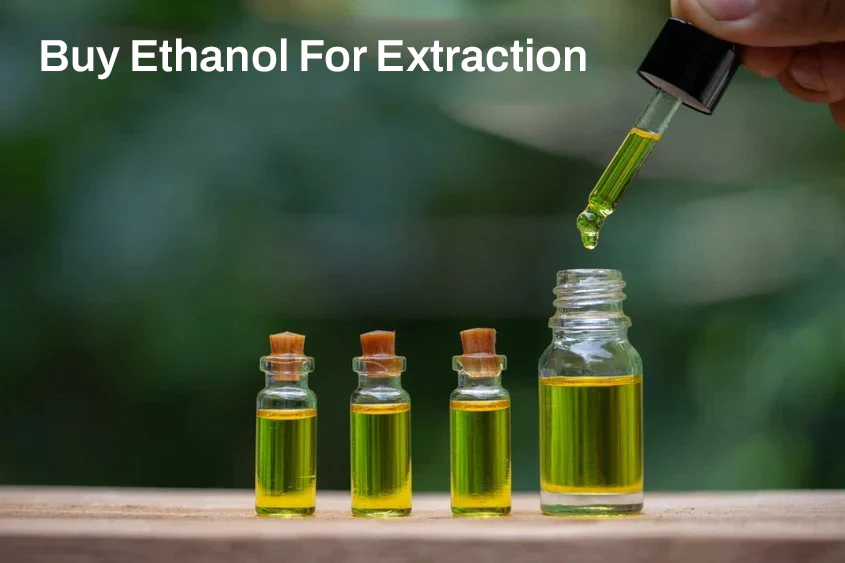
Medicinal Oils Derived From Plants
You can order food-grade ethanol, extraction-grade ethanol, ACS-grade ethanol, FCC-grade ethanol, USP grade ethanol, HPLC-grade ethanol and kosher ethanol from Lab Alley. Perform ethanol (EtOH) extraction at ultra-low temperatures for the best yields.
Ethanol extraction is a cost-effective way to use ethanol as an industrial solvent to produce high-quality botanical extracts from large volumes of medicinal herbs or plants.
Dichloromethane Grades and Pack Sizes
Lab Alley supplies dichloromethane in three grades to serve a range of laboratory, analytical, and industrial applications.
Available Grades & Concentrations
-
Lab Grade for industrial processes, degreasing, solvent welding, resin and polymer processing, and commercial laboratory use
-
ACS Reagent Grade (99.5%) for analytical chemistry, research, and biochemical laboratory applications requiring certified purity
-
HPLC Grade (99%) for chromatography, high-purity extractions, and analytical workflows requiring low UV-absorbing impurities
Pack Sizes & Bulk Availability
-
Laboratory bottles: 500 mL, 1 L, 2.5 L, and 4 L for bench-scale and research use
-
Commercial containers: 1-gallon jugs for standard laboratory and process operations
-
Industrial containers: 5-gallon pails and 55-gallon drums for production-scale use
-
Case and pallet quantities available for bulk purchasing
-
All containers are UN-approved and DOT-compliant with proper Class 6.1 hazardous material labeling (UN 1593, Packing Group III)
DCM ships as a DOT Class 6.1 hazardous material and requires appropriate HAZMAT documentation. Contact Lab Alley for grade-specific COA and SDS documentation, bulk pricing, or questions about compliant ordering under current EPA TSCA requirements.
FAQs
What is dichloromethane and how is it produced?
What are the potential health effects of dichloromethane exposure?
How should dichloromethane be stored to prevent degradation?
DCM should be stored in its original, tightly sealed container below 25°C in a well-ventilated area away from light, heat, moisture, and reactive materials, including strong bases and active metals. Containers must be chemically compatible with chlorinated solvents; DCM degrades certain plastics and rubber and can corrode iron and some stainless steels in the presence of water. Stabilizers such as amylene are commonly added to inhibit trace decomposition during storage, and containers should be inspected for integrity before use.
Does dichloromethane have an expiration date?
What are the current U.S. regulatory restrictions on dichloromethane use?
Under the EPA's final TSCA rule effective July 8, 2024, manufacturing, processing, and distribution of DCM for all consumer uses and most commercial and industrial uses are prohibited. Permitted uses include laboratory chemicals, chemical production in closed systems, polycarbonate manufacturing, battery separator production for electric vehicles, and solvent welding, all subject to mandatory WCPP compliance that includes air monitoring, area demarcation, worker training, and written exposure control plans.
The EPA has set a full compliance target date of May 8, 2029, with phased timelines for different user categories. Buyers and laboratories currently using DCM should review the rule and their specific use category against 40 CFR 751 to confirm compliance status.