





Shelf Life & Expiration of Dichloromethane (Methylene Chloride)
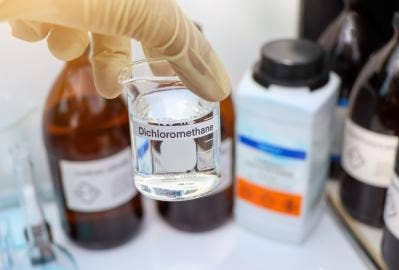
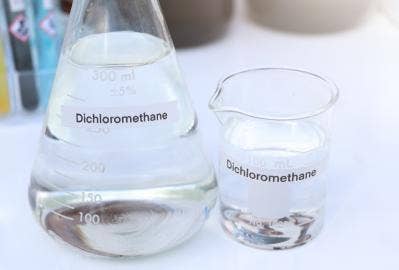
Dichloromethane (DCM) is a chlorinated solvent with strong inherent stability under controlled conditions, but it degrades when exposed to heat, light, oxygen, or moisture. The primary decomposition pathway produces hydrochloric acid and phosgene, both of which introduce safety hazards and compromise solvent performance. Most commercially supplied DCM contains amylene as a stabilizer to slow this process and extend usable shelf life.
Several variables determine how long a given quantity of DCM remains fit for use. The presence and concentration of stabilizer, the grade and initial purity of the product, container material, and storage environment all play a role. Sealed containers in cool, dark, dry conditions consistently outperform those stored carelessly or partially emptied.
DCM's very low boiling point of approximately 40°C (104°F) makes evaporation a practical concern that compounds over time, especially in improperly sealed containers. As solvent is lost to evaporation, stabilizer concentrations shift and any accumulated acidic degradation products become more concentrated. For applications in pharmaceutical synthesis, HPLC, and API purification, even minor purity deviations can affect results, making timely assessment and replacement important.
This article covers:
-
How Long Does Dichloromethane Last?
-
Signs That Dichloromethane Has Expired or Degraded
-
What to Do If Dichloromethane Is Expired
-
Proper Storage Extends Shelf Life
How Long Does Dichloromethane Last?
Chemical Stability
Stabilized DCM typically carries a shelf life of 2 to 3 years when stored in sealed, compatible containers away from light and heat. Degradation proceeds through oxidation, hydrolysis, and photolysis, with hydrochloric acid and phosgene as the principal byproducts.
Unstabilized DCM is considerably more reactive and should be used promptly after opening; once the container is breached and stabilizer concentration drops, degradation accelerates. Most commercial and laboratory grades contain 40 to 150 ppm amylene as a radical scavenger to prevent this.
Purity & Packaging
Higher-purity grades, including ACS reagent and HPLC grade, tend to hold their specifications longer because tighter quality controls reduce the concentration of trace impurities that can seed degradation reactions. Amber glass bottles are the preferred container for laboratory quantities, as they block UV light and are chemically inert to DCM and its acidic decomposition products.
HDPE is an acceptable alternative for larger volumes. Metal containers made of aluminum, zinc, or iron are incompatible; DCM's degradation products corrode these materials, and the resulting contamination accelerates further breakdown.
Storage Conditions
DCM should be stored at room temperature, below 40°C (104°F), in a well-ventilated area away from direct sunlight and ignition sources. Because the boiling point is close to the upper end of the acceptable storage temperature range, even moderate heat can increase vapor pressure within sealed containers and accelerate stabilizer depletion. Dry storage conditions are equally important, as moisture exposure promotes hydrolysis and the buildup of free HCl.


Signs That Dichloromethane Has Expired or Degraded
-
Color Change: Fresh DCM is a colorless, clear liquid. Any yellowing or visible cloudiness indicates contamination or decomposition and the product should be tested or removed from service.
-
Concentration Changes: Decomposition produces free HCl, shifting the acidity of the solvent. A simple pH paper or litmus test can confirm acid buildup before using DCM in pH-sensitive applications such as API synthesis or liquid-liquid extraction.
-
Gas Formation or Pressure Build-up: Bulging containers or audible pressure release when opening indicate that phosgene or HCl gas has accumulated. This is an immediate safety concern; do not open the container outside of a properly functioning fume hood with appropriate respiratory protection in place.
-
Reduced Effectiveness: DCM compromised by acidic degradation products will produce inconsistent results in chromatographic separations and pharmaceutical extractions. In analytical workflows, this can manifest as shifting retention times, poor peak resolution, or contamination of purified fractions.
What to Do If Dichloromethane Is Expired
Check Manufacturer Guidelines
Begin by consulting the Safety Data Sheet, Certificate of Analysis, and the expiration or retest date printed on the container label. Some suppliers provide retest protocols that allow continued use if the solvent passes acidity testing and GC purity analysis following the labeled date. If the product lacks documentation or shows visible signs of degradation, do not rely on retesting alone; proceed directly to disposal.
Follow Proper Disposal Procedures
DCM is classified as an EPA RCRA U-listed hazardous waste under code U080 and must be disposed of as halogenated solvent waste. Collect expired or degraded material in tightly sealed, clearly labeled glass or HDPE containers and arrange pickup through a licensed hazardous waste contractor.
Do not pour DCM down the drain or into general waste streams; it contaminates water supplies and is subject to federal and state environmental regulations. Contact your institution's Environmental Health and Safety office if in-house disposal protocols are required.
Replace with Fresh Stock
HCl contamination from degraded DCM directly affects the outcome of extractions, column chromatography, and pharmaceutical synthesis. For work governed by USP, GMP, or other quality standards, using expired solvent introduces traceability and compliance risks in addition to performance concerns. Fresh, stabilized product from a verified source eliminates both issues and is the straightforward resolution when expired material is identified.
Proper Storage Extends Shelf Life
-
Container Requirements: Store in amber glass or HDPE containers with tight-fitting closures. Avoid aluminum, zinc, and iron; these metals corrode in the presence of HCl produced during degradation, accelerating contamination.
-
Temperature Control: Keep storage temperatures below 40°C (104°F). Because this is also DCM's approximate boiling point, even modest heat increases vapor pressure and the rate of stabilizer depletion; refrigeration is unnecessary for short-term storage.
-
Light & Heat Protection: UV light and elevated temperatures catalyze both oxidative and hydrolytic degradation pathways. Amber glass provides passive UV protection; opaque secondary storage or cabinets offer additional shielding.
-
Humidity Control: Moisture drives hydrolysis and accelerates the formation of free HCl. Store containers in a dry environment and minimize the headspace in partially used bottles by resealing immediately after each use.
-
Evaporation Prevention: DCM has a vapor pressure of approximately 350 mmHg at 20°C, making it highly prone to evaporation from improperly sealed containers. Loss of solvent volume concentrates both stabilizer and any accumulated impurities, shortening usable shelf life and increasing inhalation risk.
Conclusion
Dichloromethane is a stable and reliable solvent when supplied with an appropriate stabilizer, stored in compatible sealed containers, and kept away from heat, light, and moisture. Its 2 to 3 year shelf life under proper conditions makes routine management straightforward, but the consequences of degradation, including HCl and phosgene formation, are serious enough to warrant consistent attention to storage practices and periodic condition assessment.
For laboratories and production facilities where DCM is used in precision applications, the cost of replacing expired solvent is minimal compared to the risk of compromised analytical results, equipment corrosion, or regulatory non-compliance. Consulting the manufacturer's SDS and COA, testing for acidity in long-stored containers, and disposing of expired material through a licensed hazardous waste contractor are the practical steps that keep operations running safely and consistently.
For more detailed guidance, explore our Resource Library for comprehensive storage and handling information.
Our Customer Care team is also available for more information and documentation, including chemical Safety Data Sheets.
Need Dichloromethane You Can Trust?
If you are looking for high-quality dichloromethane for your lab, product line, or research facility, be sure to visit our store to explore our trusted selection and request a quote.
As your trusted partner in chemical supply, Lab Alley is always striving to meet the growing demands of our customers. We want you to be able to access all of your chemical needs in one place, along with streamlined online ordering and fast shipping.
Due to popular demand from our valued clientele, Lab Alley's dichloromethane is available in a range of purities and packaging options to suit various commercial, laboratory, and personal needs.