




Types of Dichloromethane (Methylene Chloride)
Dichloromethane (DCM), also known as methylene chloride (CAS 75-09-2), is a colorless, volatile chlorinated solvent with a mildly sweet odor and a boiling point of 39.6°C. Unlike many industrial chemicals that exist in multiple structural forms, DCM is a single compound (CH₂Cl₂) with no isomers, salt variants, or hydrated forms. Grade distinctions arise entirely from differences in purity level, allowable impurity thresholds, and the regulatory requirements of specific end uses.
Selecting the correct grade is a compliance and performance decision, not a matter of preference. A grade mismatch can introduce trace impurities that interfere with analytical results, violate pharmacopeial residual solvent limits, or place a buyer outside the permitted-use categories established by EPA's 2024 TSCA final rule. Key selection criteria include purity percentage, specific impurity limits (water, free acid, chloroform, non-volatile residue), stabilizer type, and the jurisdiction-specific regulatory framework governing the intended application.
In this article, we'll explore:
-
Common Grades & Purities
-
Certifications & Standards
-
Applications Based on Type
-
How to Choose the Right Type
Common Grades & Purities
Pharmaceutical Grade (USP/NF)
Pharmaceutical grade DCM meets the monograph standards published in the United States Pharmacopeia and/or National Formulary, with a minimum assay of 99.0% CH₂Cl₂, water content not exceeding 0.02%, and controlled limits on hydrogen chloride. It is the required grade for process solvent applications in API synthesis, pharmaceutical extraction, and tablet film coating performed under cGMP conditions, and must comply with ICH Q3C residual solvent guidance as a Class 2 solvent with a permitted daily exposure of 6.0 mg/day.
ACS/Reagent Grade
ACS reagent-grade DCM meets or exceeds purity specifications set by the American Chemical Society, with a minimum purity of 99.5% and tightly defined limits on chloroform, carbon tetrachloride, free acid (as HCl), water, non-volatile matter, and formaldehyde. This is the standard reference grade for analytical chemistry, biochemical research, and general laboratory use where high purity and consistent impurity profiles are required for reproducible results.
HPLC Grade
HPLC-grade DCM is produced to a minimum purity of 99.9% and must meet stringent UV absorbance specifications across a defined wavelength range: Amax of 1.00 at 235 nm, 0.20 at 240 nm, 0.05 at 250 nm, and 0.02 at 260 nm. It is stabilized with amylene or a hydrocarbon stabilizer and is required for high-performance liquid chromatography, gas chromatography, residue analysis, and LC/MS applications where trace UV-absorbing contaminants would otherwise obscure or distort results.
Industrial/Technical Grade
Industrial or technical grade DCM typically falls in the 99.0 to 99.5% purity range, with broader tolerances on impurities compared to laboratory grades. It is used in metal degreasing, urethane foam blowing, adhesive manufacturing, aerosol formulation, and as a process solvent in chemical production where pharmacopeial or analytical purity levels are not required. Buyers procuring technical grade for U.S. applications must confirm that their specific use falls within a permitted category under EPA's 2024 TSCA final rule, which eliminated most consumer and commercial uses.
Certifications & Standards
REACH Compliance
DCM is subject to restrictions under REACH Annex XVII (Entry 59), which prohibits its use in paint strippers within the European Union, with limited derogations available for professional use in member states that elect to grant them. Separately, dichloromethane is listed in Annex II of the EU Cosmetics Regulation as a prohibited ingredient, barring its use in any cosmetic product sold to consumers or professionals in the EU. Suppliers and importers placing DCM on the EU market must document compliance with applicable restrictions.
TSCA/EPA Registration
In the United States, DCM is regulated under the Toxic Substances Control Act. EPA's 2024 final rule under TSCA banned most consumer and commercial uses of methylene chloride, citing unreasonable risk to human health, including acute lethality, neurotoxicity, and chronic cancer risk. Exemptions are retained for laboratory use (subject to a required Workplace Chemical Protection Program), specific industrial and manufacturing applications, and narrowly defined federal uses such as those conducted by NASA and its contractors.
Applications Based on Type
Food & Beverage
Where DCM is used in food processing, a pharmaceutical or food-contact-grade material with controlled residue levels is required. DCM has historically served as a solvent for coffee and tea decaffeination and spice and hops extraction, with the FDA permitting residues up to 10 ppm in roasted decaffeinated coffee. However, the FDA submitted a formal proposal to revoke this food additive authorization in January 2024; buyers should verify current regulatory status with counsel before procuring DCM for any food application.
Pharmaceutical & Healthcare
USP/NF grade is the required specification for pharmaceutical manufacturing applications, including API synthesis, compound extraction and purification, and film coating of solid dosage forms. Because DCM is classified as a Class 2 residual solvent under ICH Q3C, finished drug products must demonstrate that residual DCM does not exceed the permitted daily exposure limit, making grade selection and process controls directly linked to regulatory filing requirements.
Laboratory & Analytical
ACS/Reagent grade is appropriate for general laboratory applications including liquid-liquid extraction, column chromatography, organic synthesis, and sample preparation where trace-level analysis is not required. For chromatographic methods, GC, and LC/MS, HPLC grade is necessary to meet UV absorbance cutoffs and minimize trace organic contaminants that would interfere with detector response or column performance.
Industrial & Manufacturing
Technical or industrial grade is sufficient for large-scale degreasing of metal components, adhesive formulation, aerosol solvent applications, and urethane foam blowing where pharmacopeial or analytical purity standards do not apply. Given the scope of the EPA's 2024 TSCA restrictions, procurement teams should confirm the specific use case is covered by a retained exemption or compliant with the phased implementation timeline before sourcing.
Agriculture
Industrial-grade DCM is registered with the EPA as a postharvest fumigant for grains and strawberries. Use is governed by the specific registered label conditions, and any procurement for this application should account for applicable TSCA exemption status and labeling requirements in the target jurisdiction.
How to Choose the Right Type
Grade selection for DCM requires matching purity and certification requirements to the specific application, while also accounting for the increasingly complex regulatory environment surrounding this chemical. The wrong grade in a controlled manufacturing context carries compliance consequences; the wrong use category in a regulated jurisdiction carries legal ones.
Match Grade to Application
Pharmaceutical synthesis and film coating require USP/NF grade to satisfy compendial standards and ICH Q3C residual solvent requirements. Chromatographic and mass spectrometry methods require HPLC grade for UV performance and trace-impurity control. General research and analytical extractions use ACS/Reagent grade. Metal degreasing, aerosol manufacturing, and industrial processing applications call for technical grade, provided the use remains within a TSCA-permitted category.
Verify Required Certifications
Before purchasing, confirm that the intended use is compliant under the governing regulatory framework. In the U.S., this means verifying alignment with the EPA's 2024 TSCA final rule permitted-use categories. In the EU, it means confirming the application is not restricted under REACH Annex XVII. For pharmaceutical applications, the supplier should be able to provide a certificate of analysis against USP/NF specifications and, where applicable, ICH elemental impurities documentation.
Select Appropriate Concentration or Form
DCM is commercially available only as a pure liquid solvent and is not sold in prediluted aqueous or solution form. Grade is the primary selection variable, not concentration. When evaluating grades at equivalent purity levels, the type of stabilizer should also be considered: amylene and hydrocarbon stabilizers are both used, and stabilizer identity can affect compatibility with specific reagents, downstream processes, or analytical detection methods.
Common Mistakes
The most common procurement error is selecting technical grade for applications that require ACS or USP/NF specifications, particularly in research environments where cost drives purchasing decisions. A related mistake is failing to verify current TSCA permitted-use status before ordering for industrial applications, since exemptions are use-specific and subject to phased compliance timelines.
Buyers sourcing for EU operations sometimes overlook REACH Annex XVII restrictions, particularly for cleaning and surface treatment applications. For food and beverage applications, assuming that FDA authorization for decaffeination use remains in place without checking current rulemaking status is a significant compliance risk given the active proposal to revoke it.
Key Takeaways
Dichloromethane is commercially available in pharmaceutical, ACS/reagent, HPLC, and industrial/technical grades, each defined by specific purity thresholds, impurity controls, and the regulatory standards they satisfy. Because DCM exists as a single compound with no structural variants, grade is the only meaningful differentiator between products, making accurate grade selection essential for both performance and compliance.
The regulatory environment surrounding this chemical has shifted substantially in recent years, with the EPA's 2024 TSCA rule restricting most uses, active rulemaking underway at the FDA, and EU REACH restrictions limiting applications in European markets.
For more detailed guidance, explore our Resource Library.
Our Customer Care team is also available for more information and documentation, including chemical Safety Data Sheets.
Find Dichloromethane You Can Trust
If you are looking for high-quality dichloromethane for your lab, product line, or research facility, be sure to visit our store to explore our trusted selection and request a quote.
As your trusted partner in chemical supply, Lab Alley is always striving to meet the growing demands of our customers. We want you to be able to access all of your chemical needs in one place, along with streamlined online ordering and fast shipping.
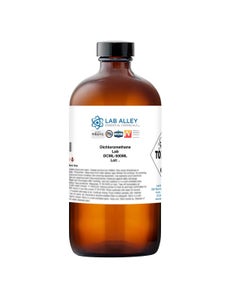
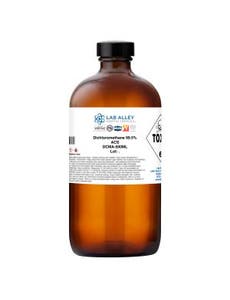
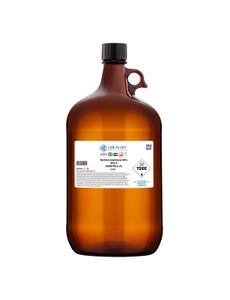
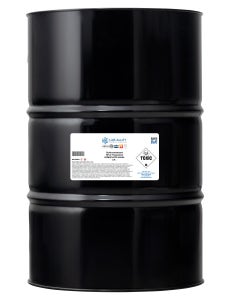
Due to popular demand from our valued clientele, Lab Alley's dichloromethane is available in a range of purities and packaging options to suit various commercial, laboratory, and personal needs.