





How to Store Iodoform
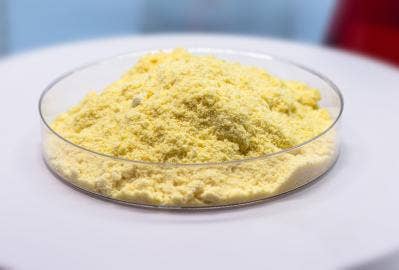
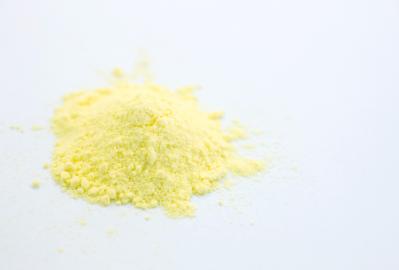
Iodoform, chemically known as triiodomethane (CHI₃), is a pale yellow crystalline solid with a distinctive, pungent odor that has long been used in antiseptic wound care and laboratory applications. Its light sensitivity sets it apart from many other laboratory solids: prolonged exposure to light and air causes gradual decomposition, releasing iodine and hydrogen iodide and altering both the appearance and potency of the material. Because iodoform also reacts with a range of common laboratory chemicals, from strong oxidizers to certain metals, storage planning has to account for both photochemical stability and chemical segregation.


In this article, we'll review:
-
Recommended Storage Conditions
-
Container & Packaging Requirements
-
Segregation & Compatibility
-
Safe Handling in Storage Areas
-
Regulatory Compliance & Labeling
-
Special Considerations
Recommended Storage Conditions
Temperature
Iodoform should be stored at standard room temperature, with no need for refrigeration or specialized climate control under normal conditions. The compound has a melting point of 119 to 121°C, well above typical storage environments, but it decomposes violently near 204°C (400°F), so storage areas should stay well clear of any heat sources or elevated ambient temperatures.
Humidity Control
Moisture in the storage environment can accelerate the breakdown of iodoform, so containers should remain tightly closed at all times. Facilities should choose a dry storage location and avoid areas prone to condensation or humidity swings, since even minor moisture ingress can compromise the material over extended storage periods.
Light Exposure
Light sensitivity is one of the defining storage concerns for iodoform. Direct sunlight or prolonged exposure to ambient light triggers slow decomposition, so the compound should be kept in amber glass or other opaque, light-resistant containers and stored away from windows or direct lighting fixtures.
Ventilation
Storage spaces for iodoform should maintain adequate general ventilation to prevent any accumulation of fine particulates or decomposition vapors. Handling and storage practices should also minimize dust formation, since airborne particles pose both an inhalation risk and a housekeeping concern in shared lab or warehouse spaces.
Storage Duration
Iodoform does not have a fixed universal shelf life, but its condition should be monitored over time rather than assumed stable indefinitely. Personnel should watch for darkening or yellowing beyond the material's normal pale yellow color and for an intensifying pungent odor, both of which indicate that light or air exposure has begun to degrade the compound and release iodine.
Container & Packaging Requirements
Compatible Materials
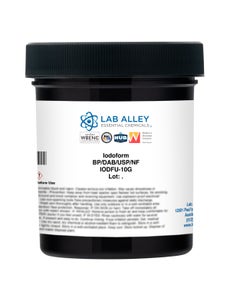
Iodoform should remain in its original light-resistant container whenever possible, since manufacturers typically select packaging specifically suited to the compound's photosensitivity. Amber glass containers or high-quality opaque plastic are both suitable alternatives if repackaging becomes necessary, provided the material offers comparable light-blocking properties.
Sealing Requirements
A tightly sealed closure is essential for limiting the material's exposure to both air and moisture, both of which contribute to gradual decomposition. Screw-cap or similarly secure closures should be checked periodically to confirm they have not loosened or degraded, particularly in containers that are opened and resealed frequently during regular use.
Labeling Requirements
Every storage container should carry clear GHS-compliant labeling, including applicable hazard pictograms and hazard statements drawn from the current safety data sheet. Labels should also identify the material's grade or purity, lot number, and receipt date, allowing facilities to track age and rotate stock appropriately as part of routine inventory management.
Segregation & Compatibility
Incompatible Substances
Iodoform reacts with a number of common laboratory chemicals, and these should never be stored in proximity to it. Facilities should maintain clear separation from the following:
-
Strong oxidizing agents
-
Strong bases
-
Acids
-
Acetone, particularly in the presence of potassium or calcium hydroxide
-
Lithium
-
Magnesium
-
Mercury compounds
-
Silver nitrate
-
Tannin
Storage Grouping
Beyond avoiding direct contact with the substances listed above, iodoform should be grouped within a dedicated storage cabinet separate from oxidizers, reducing agents, and reactive metals as a category. This kind of class-based segregation reduces the risk of accidental cross-contamination during routine storage, retrieval, or inventory handling.
Flammability & Reactivity Precautions
Iodoform is classified as nonflammable according to NIOSH and other literature sources, which simplifies some aspects of its storage compared to flammable solids. That said, reactivity precautions remain important given its potential for violent decomposition at elevated temperatures and its documented incompatibilities, so storage areas should still be designed with heat avoidance and chemical segregation in mind.
Safe Handling in Storage Areas
PPE Requirements
Personnel handling iodoform in storage areas should wear chemical-resistant gloves and safety glasses or goggles at minimum. This protective equipment helps prevent skin and eye contact during routine tasks like inventory checks, container transfers, or repackaging.
Transfer & Dispensing
When transferring or dispensing iodoform, staff should take care to minimize dust generation, since the fine crystalline material can become airborne during pouring or scooping. Performing these tasks in a well-ventilated area, or under local exhaust ventilation where available, further reduces inhalation exposure during the process.
Spill Containment
Any spilled material should be swept or vacuumed into a suitable waste container rather than brushed or handled in a way that raises dust into the air. Choosing containment methods that limit airborne particulates protects both the person managing the spill and others working nearby.
Emergency Equipment
Storage and handling areas for iodoform should have an eyewash station and safety shower readily accessible. Having this equipment in place allows for immediate response in the event of accidental skin or eye contact during storage-related tasks.
Regulatory Compliance & Labeling
OSHA Regulations
OSHA has not established a specific permissible exposure limit (PEL) for iodoform. In the absence of an OSHA-specific limit, the NIOSH recommended exposure limit of 0.6 ppm (10 mg/m³) as an eight-hour time-weighted average serves as the relevant exposure guideline for facilities managing occupational exposure.
GHS Requirements
Storage containers and workplace labels should reflect the hazard statements and pictograms listed on the current safety data sheet, which address concerns such as skin and eye irritation. Keeping labeling consistent with the most recent SDS version ensures personnel have accurate hazard information at the point of storage and use.
NFPA & DOT
Consistent NFPA hazard diamond ratings and DOT transportation classification data for iodoform were not available across the sources reviewed for this article. Facilities with specific transport or fire code documentation requirements should confirm current classification details directly through their safety data sheet or a qualified regulatory resource before finalizing storage area signage.
Industry-Specific Compliance
Medical or pharmacopeial-grade iodoform, such as material used in wound dressings, may be subject to USP or FDA quality standards beyond standard laboratory handling requirements. Facilities working with this grade should confirm the applicable quality system requirements tied to their specific end use.
SDS Requirements
A current safety data sheet for iodoform should be maintained on-site and readily accessible to all personnel who handle or store the material. Keeping the SDS up to date ensures that hazard information, storage guidance, and emergency procedures reflect the most accurate available data.
Special Considerations
Light and Air Sensitivity Over Time
Even brief or intermittent exposure to light and air can contribute to iodoform's gradual decomposition, which shows up as darkening color and a stronger, more pungent odor as iodine is released. This makes it worth reinforcing opaque, sealed containers not just for long-term storage but for short-term handling as well, since cumulative exposure during routine use can have the same degrading effect as extended open storage.
Conclusion
Storing iodoform safely comes down to two central concerns: protecting it from light and air to preserve its stability, and keeping it segregated from the range of chemicals it reacts with. Facilities that maintain tightly sealed, opaque containers in a cool, dry, well-ventilated space, paired with proper labeling and cabinet segregation, will minimize both degradation and reactivity risks over time. For product-specific storage guidance or current safety data sheets, contact Lab Alley directly.
For more detailed guidance, explore our Resource Library.
Our Customer Care team is also available for more information and documentation, including chemical Safety Data Sheets.
Need Iodoform You Can Trust?
If you are looking for high-quality iodoform for your lab, product line, or research facility, be sure to visit our store to explore our trusted selection and request a quote.
As your trusted partner in chemical supply, Lab Alley is always striving to meet the growing demands of our customers. We want you to have all your chemical needs in one place, with streamlined online ordering and fast shipping.
Due to popular demand from our valued clientele, Lab Alley's iodoform is available in a range of purities and packaging options to suit various commercial, laboratory, and personal needs.