





Iodoform Overview
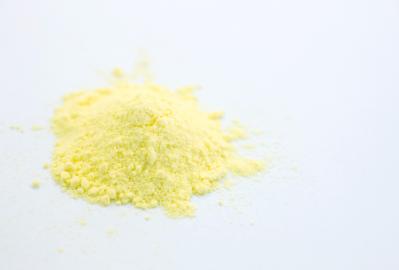
Iodoform is a bright yellow, crystalline organoiodine compound recognized for its distinctive sweetish, medicinal odor and long-standing role as a topical antiseptic. Also known as triiodomethane, it belongs to the family of trihalomethanes and has served laboratories and medical practices for well over a century.
What makes iodoform valuable is its dual identity as both a classic analytical reagent and a practical antiseptic agent. Its characteristic reaction in the iodoform test remains a staple of organic chemistry instruction, while its antimicrobial properties continue to support use in wound care and dental applications where a slow-release iodine source is beneficial.
The compound requires careful handling due to its irritant classification and its tendency to decompose under light and heat, releasing free iodine over time. Understanding its storage requirements and safety profile is essential for any facility working with it at laboratory or production scale.
Properties of Iodoform
Key Facts
-
Compound Name: Iodoform
-
Synonyms/Common Names: Triiodomethane; carbon triiodide hydride
-
Chemical Formula: CHI3
-
CAS Number: 75-47-8
-
Molar Mass: 393.73 g/mol
-
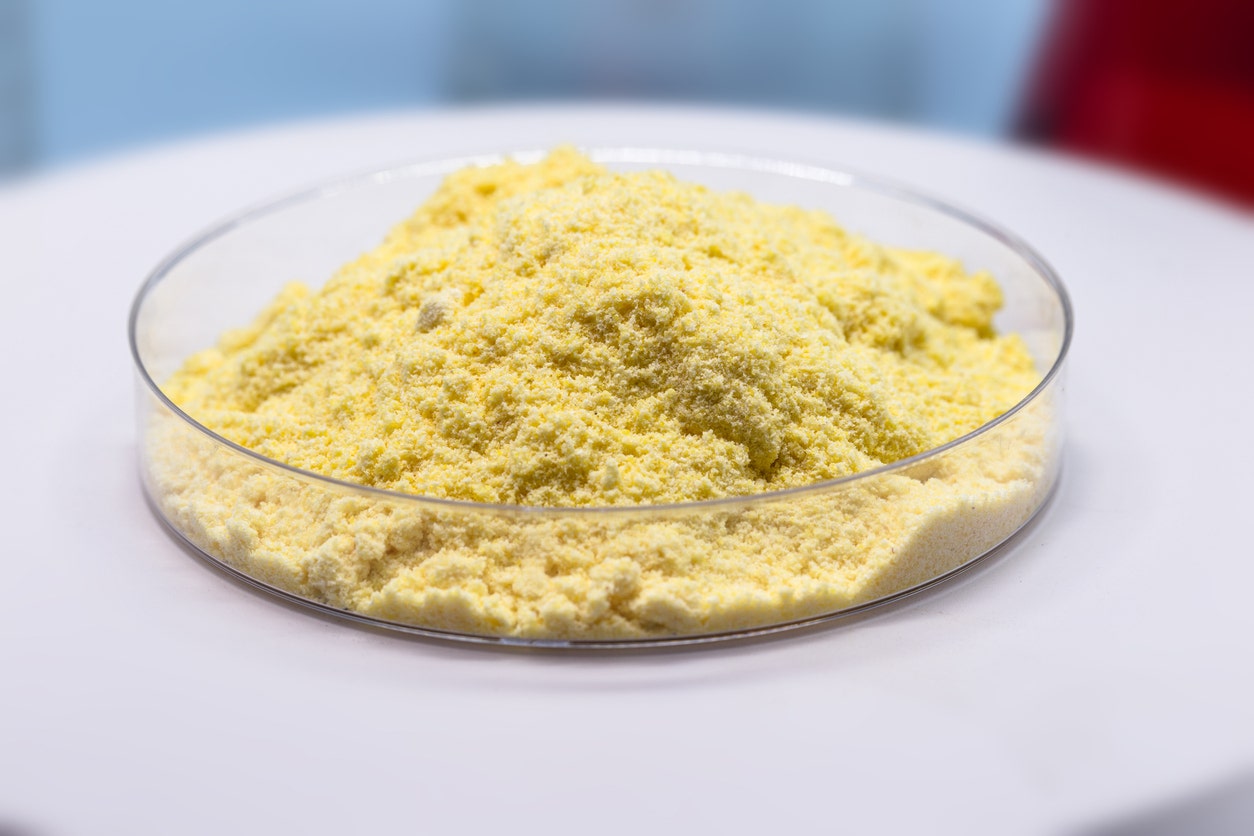
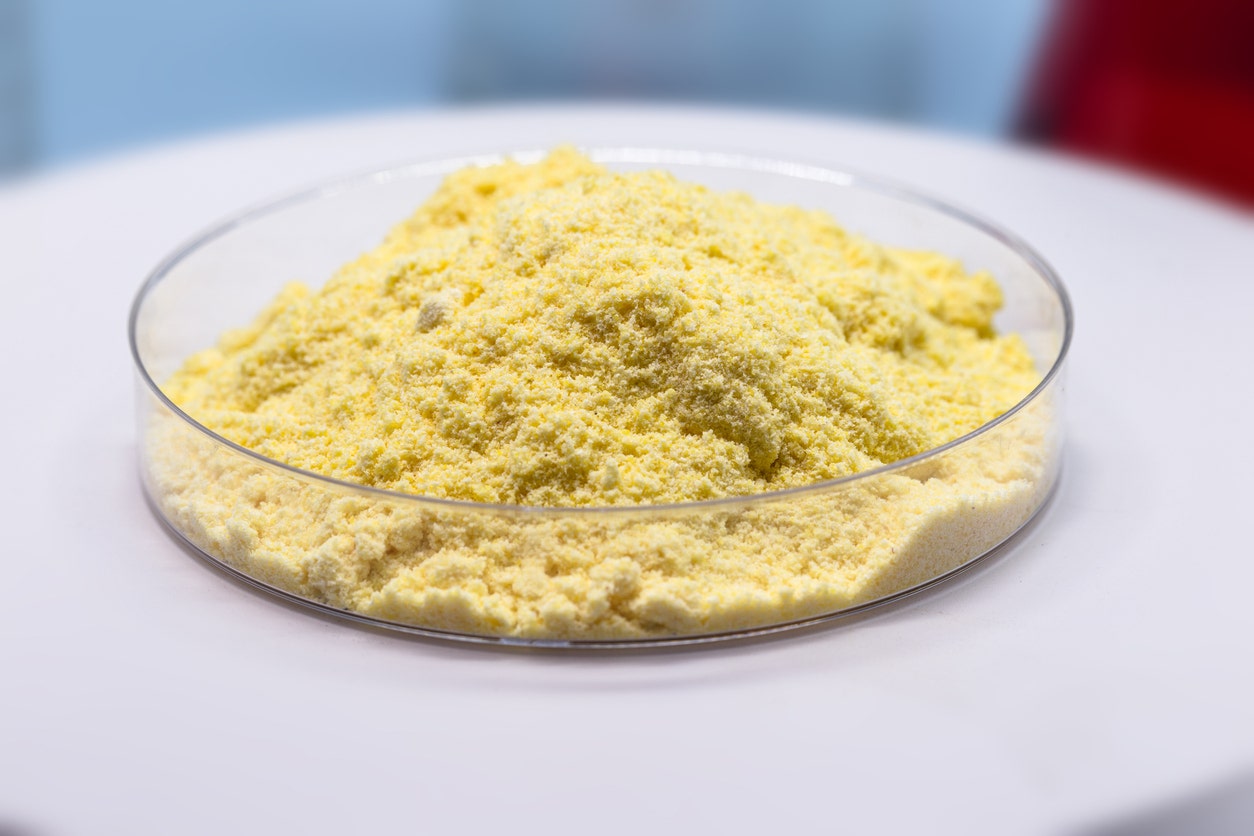
Appearance: Pale to light yellow, opaque crystals or powder with a distinctive saffron-like, sweetish odor
Density and Behavior Relative to Water
Iodoform has a density of 4.008 g/cm³, making it more than four times denser than water. This density difference means solid iodoform will sink rather than float in aqueous mixtures, a relevant consideration during spill cleanup or aqueous processing steps.
Iodoform is a pale yellow, crystalline organoiodine compound with a distinctive sweetish, medicinal odor, used in laboratory, pharmaceutical, dental, and veterinary applications. It functions as a reagent in the iodoform test for methyl ketones, an iodine-releasing antiseptic in wound dressings and root canal pastes, and an intermediate in organic iodine chemistry. U.S. laboratories and manufacturers sourcing iodoform by grade contact Lab Alley at 512-668-9918 for product selection and ordering support.
Melting Point, Boiling Point, and Thermal Decomposition
Iodoform melts at 119°C (246°F) and boils or decomposes near 218°C (424°F). Heating the compound beyond its melting point releases iodine vapor, so any thermal processing should occur in a ventilated environment with vapor containment in place.
Solubility in Water and Organic Solvents
Iodoform is poorly soluble in water, dissolving at roughly 100 mg/L, but it dissolves readily in diethyl ether, acetone, ethanol, and chloroform. This solubility profile makes organic solvents the practical choice for dissolution, extraction, or formulation work involving the compound.
Reactivity, Incompatibilities, and Stability
Iodoform reacts with strong oxidizers, strong bases, lithium, and certain metallic salts such as mercuric oxide and silver nitrate, so these materials must be kept separate during storage and handling. The compound is not classified as flammable under standard conditions, but it is light- and heat-sensitive, gradually decomposing to release free iodine even without direct chemical contact.
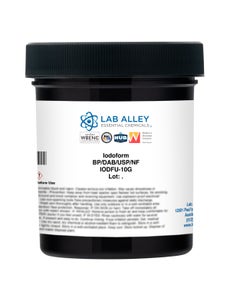
Iodoform from Lab Alley is available as a crystalline solid in BP/DAB/USP/NF grade, suited to pharmaceutical and laboratory applications. Packaging ranges from 500g laboratory containers to 25kg containers to support research, manufacturing, and commercial supply needs.
Common Uses & Applications
Industrial Applications
Iodoform functions as a precursor and intermediate in organic iodine chemistry, supporting the synthesis of other iodinated compounds. Its role in this space is largely upstream, feeding into downstream chemical manufacturing rather than serving as a finished industrial product itself. Facilities working with organoiodine synthesis rely on iodoform as a building block within controlled processes.
Scientific and Laboratory Uses
In the laboratory, iodoform is best known for the iodoform test, a classic qualitative method for identifying methyl ketones and secondary alcohols bearing a methyl group adjacent to a hydroxyl. It also plays a role in radical polymerization chemistry, where it has been used to initiate certain living radical polymerization processes. These applications make it a staple reagent in academic and industrial research settings focused on organic synthesis and analytical method development.
Specialized Applications
Iodoform's most enduring application is as a topical antiseptic and wound-packing agent in medical and dental practice, including its use in root canal therapy pastes. It is similarly used in antiseptic dressings within veterinary medicine, where its slow iodine release supports wound management in animals. This specialized medical role has persisted for decades due to the compound's reliable antimicrobial action when applied externally.
Safety & Handling
Hazards and Precautions
Iodoform carries a GHS Warning classification, with hazard statements covering skin irritation (H315), eye irritation (H319), and respiratory irritation (H335). Its NFPA 704 rating of Health 2, Fire 1, Instability 1 reflects moderate health hazards paired with limited flammability and reactivity concerns. Personnel handling the compound should be aware that dust or vapor generated during processing is the primary route of exposure risk.
Personal Protective Equipment
Chemical-resistant gloves and safety goggles or a face shield are the baseline protective equipment for handling iodoform. When work involves grinding, weighing, or any process likely to generate dust or vapor, a NIOSH-approved respirator should be added to prevent inhalation exposure. Standard laboratory coats or coveralls further reduce the risk of skin contact during routine handling.
Storage Guidelines
Iodoform should be stored in a tightly sealed, light-protected container, ideally under refrigeration, to slow the decomposition process that releases free iodine. Storage areas must keep the compound away from strong oxidizers and incompatible metallic salts to avoid unwanted reactions. Regular inspection of stored containers for discoloration or odor change helps catch degradation before it affects product quality.
Spill and Disposal Procedures
Small spills should be dampened with 60 to 70 percent ethanol before collection to reduce dust dispersal, with all sources of ignition removed from the area first. Contaminated absorbent material and clothing should be sealed in a vapor-tight container for disposal, and surfaces should be washed with ethanol followed by soap and water. Disposal must follow applicable federal, state, and local hazardous waste regulations rather than standard trash channels.
Iodoform Grades and Pack Sizes
Lab Alley supplies iodoform in a compendial grade suited to pharmaceutical, laboratory, and formulation work.
Available Grades & Concentrations
- BP/DAB/USP/NF Grade: compendial-grade iodoform meeting British Pharmacopoeia, DAB, USP, and NF standards
Pack Sizes & Industrial Availability
-
Available in 500g, 1kg, 2.5kg, 12.5kg, and 25kg container sizes
-
Case and pallet quantities available for bulk purchasing
-
All containers are UN-approved and DOT-compliant with proper hazard class labeling
Given its classification and shipping requirements, orders are handled with proper HAZMAT documentation and labeling from dispatch through delivery. Contact Lab Alley directly to discuss bulk quantities, custom pack sizes, or specific compliance documentation for your application.
FAQs
What is iodoform and how is it produced?
What are the potential side effects of iodoform exposure?
How should iodoform be stored to prevent degradation?
Iodoform should be kept in a tightly sealed, light-protected container in a cool location, with refrigeration recommended for extended storage. Both light and heat accelerate decomposition, causing the compound to release free iodine over time. Proper storage conditions directly extend the usable shelf life of the product.
Does iodoform have an expiration date?
Why does iodoform have such a strong, distinctive odor?
The compound's characteristic sweetish, saffron-like smell originates from trace free iodine released as it slowly decomposes, a process that occurs even during normal handling and storage. This odor has historically served as a practical identifier for the compound in clinical and laboratory settings. It also serves as an informal indicator of product age, since the odor tends to intensify as decomposition progresses.