





How to Treat Iodoform
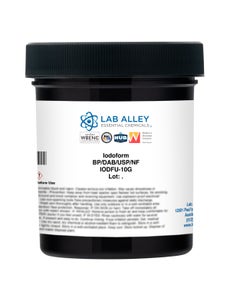
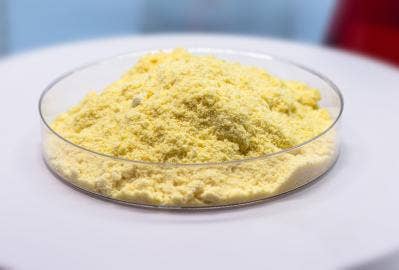
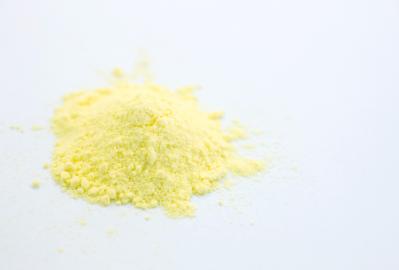
Iodoform (CHI3, also known as triiodomethane) is a yellow crystalline solid with a distinctive, disagreeable odor. Once widely used as a topical antiseptic, it remains present today in surgical and dental packing materials and as a reagent in organic synthesis.
Because iodoform is a stable solid rather than a reactive acid, base, or strong oxidizer, treatment does not involve a chemical neutralization reaction. Instead, safe handling centers on containment, dust control, and proper hazardous waste disposal. This distinction matters for anyone managing spills, expired stock, or contaminated materials in laboratory, industrial, or clinical settings, where the instinct to reach for a neutralizing agent simply does not apply.


In this article, we'll explore:
-
Why Treat Iodoform?
-
How to Treat Iodoform
-
Safety Precautions During Treatment
-
Special Considerations
Why Treat Iodoform?
Safety & Spill Response
Proper treatment of iodoform reduces the risk of inhalation and dust exposure during handling, cleanup, or disposal. Direct or airborne contact with iodoform particulates can cause skin and eye irritation, which makes dust suppression a central part of any response procedure rather than an afterthought. Personnel responding to a release should treat dust control as the primary safety objective from the first step.
Industrial & Laboratory Use
In synthesis, compounding, or packaging environments, controlled handling of iodoform protects both equipment and personnel throughout the process. Because iodoform is listed under Right-to-Know laws in states including Massachusetts, New Jersey, and Pennsylvania, documented handling procedures also support workplace hazard communication compliance. Facilities operating under these requirements benefit from treating consistent handling protocols as part of their regulatory posture, not just a safety best practice.
Environmental Protection
Iodoform must never be released to drains, surface water, or groundwater. It is classified for disposal as hazardous waste, and facilities are required to follow local, regional, and national regulations governing its handling and disposal. This requirement holds regardless of the quantity involved, whether a facility is managing a small laboratory spill or disposing of a larger volume of expired stock.
How to Treat Iodoform
Step 1: Identify the Chemical Properties
Iodoform is a yellow crystalline solid under normal conditions, not a liquid or gas, with a characteristic disagreeable odor that makes it easy to identify during handling or spill response. Its CAS number is 75-47-8. Confirming these basic identifying properties before beginning cleanup helps personnel select the correct containment approach and rules out the need for any liquid-spill or gas-release response measures.
Step 2: Select Appropriate Treatment Agents
Iodoform does not require a chemical neutralizing agent. Management instead relies on physical containment and dust suppression rather than a reactive treatment agent:
-
Dry sweeping or shoveling equipment to consolidate material without dispersing dust
-
Closed, labeled containers suitable for hazardous solid waste
Selecting the right containment equipment ahead of time, rather than during an active spill, keeps the response focused on physical handling rather than searching for a reactive substance that iodoform's chemistry does not call for.
Step 3: Treatment Procedure
Avoiding dust generation is the guiding principle throughout the treatment procedure, from the first contact with spilled material to final disposal.
-
Avoid generating dust during cleanup
-
Sweep or shovel material without dispersing particulates
-
Place material directly into a closed, labeled container for disposal
Each of these actions is meant to keep iodoform particulates out of the air and off surfaces beyond the immediate spill area, which in turn limits the scope of decontamination needed afterward.
Step 4: Monitor and Validate
Once cleanup is complete, confirm that no residual dust or contamination remains on surfaces in the affected area. A visual inspection of the containment area should be the final check before the space is returned to normal use. Documenting the quantity of material recovered and the disposal method used supports accurate waste tracking and gives the facility a clear record of how the incident was resolved.
Step 5: Waste Disposal
Collected iodoform must be disposed of as hazardous waste through an approved waste disposal facility. It should never be released to drains under any circumstances. Facilities should follow applicable local, regional, and national hazardous waste regulations when selecting a disposal method, treating this step as a regulatory requirement rather than a discretionary part of the cleanup process.
Safety Precautions During Treatment
-
Personal Protective Equipment: Wear chemical-resistant gloves, goggles or safety glasses with side shields, and a chemical-resistant apron. Use a respirator with a dust filter for any dust-generating tasks.
-
Ventilation: Ensure adequate ventilation, particularly in confined spaces. The OSHA/ACGIH exposure limit for iodoform is 10 mg/m3 (0.6 ppm) as a time-weighted average.
-
Spill Response: Avoid creating dust when responding to a spill. Sweep or shovel material into a closed container, and keep spill material away from drains and water sources.
-
Emergency Preparedness: Keep eyewash stations and safety showers accessible. Rinse skin or eyes with water for several minutes if contact occurs, and seek medical attention if irritation persists.
Special Considerations
Light and Heat Sensitivity
Iodoform can decompose gradually under light, heat, or moisture exposure, releasing free iodine in the process. For this reason, it should be stored and handled away from these conditions, which helps prevent premature decomposition and the release of iodine before the material is intentionally treated or disposed of.
Medical and Dental Waste Streams
When iodoform is used in wound packing or dental materials, such as BIPP or dry socket dressings, the contaminated dressings generated afterward may require a different disposal path than standard chemical waste. Depending on facility protocol, these materials may need to go through biohazard or medical waste channels instead, which means clinical settings should treat this as a distinct waste stream from laboratory or industrial iodoform waste.
Conclusion
Treating iodoform correctly comes down to disciplined containment rather than chemical reaction. Because it poses no acid, base, or oxidizer hazard, the priority is preventing dust exposure, keeping material out of drains and waterways, and ensuring every step of disposal is documented and compliant with hazardous waste regulations.
Facilities that handle iodoform in synthesis, compounding, or medical packing applications benefit from having these procedures established before a spill or disposal need arises. Clear protocols protect personnel, support regulatory compliance, and reduce the risk of environmental release.
For more detailed guidance, explore our Resource Library.
Our Customer Care team is also available for more information and documentation, including chemical Safety Data Sheets.
Need Iodoform You Can Trust?
If you are looking for high-quality iodoform for your lab, product line, or research facility, be sure to visit our store to explore our trusted selection and request a quote.
As your trusted partner in chemical supply, Lab Alley is always striving to meet the growing demands of our customers. We want you to be able to access all of your chemical needs in one place, along with streamlined online ordering and fast shipping.
Due to popular demand from our valued clientele, Lab Alley's iodoform available in a range of purities and packaging options to suit various commercial, laboratory, and personal needs.