




Trichloroacetic Acid Overview
Trichloroacetic acid, commonly known as TCA, is a white, crystalline, highly corrosive organic acid used across laboratory, industrial, and dermatological settings. Also referred to as trichloroethanoic acid or TCAA, this chlorinated derivative of acetic acid is distinguished by its strength as an acid and its effectiveness as a protein-precipitating reagent in biochemical research.
What makes trichloroacetic acid especially valuable is its versatility across disciplines that otherwise have little overlap. The same chemical properties that make it an effective precipitating agent in a biochemistry lab also make it suitable for chemical peel formulations in dermatology and as a synthesis intermediate in industrial chemistry. Few compounds move this fluidly between research, manufacturing, and clinical use.
That versatility comes with a safety profile that demands respect. Trichloroacetic acid is classified as a severe skin and eye hazard under GHS, and its hygroscopic nature means it requires careful handling and storage to maintain purity and performance. Procurement teams and laboratory personnel working with TCA should plan for its corrosive classification at every stage, from shipping to disposal.
Properties of Trichloroacetic Acid
Key Facts
-
Compound Name: Trichloroacetic acid
-
Synonyms/Common Names: TCA, TCAA, trichloroethanoic acid, Aceto-Caustin
-
Chemical Formula: C₂HCl₃O₂ (CCl₃COOH)
-
CAS Number: 76-03-9
-
Molar Mass: 163.38 g/mol
-
Appearance: White, crystalline, deliquescent solid with a sharp, pungent odor
Density and Behavior Relative to Water
Trichloroacetic acid has a density of 1.62 to 1.63 g/cm³ at 25°C, making it noticeably denser than water. This matters for anyone handling spills or mixing aqueous solutions, since the acid will not float or disperse the way lighter organic compounds do.
Trichloroacetic Acid is a white, crystalline, highly corrosive organic acid widely used in laboratory, industrial, and dermatological applications. It functions as a protein-precipitating reagent and synthesis intermediate in biochemical research, chemical manufacturing, and chemical peel formulations. U.S. laboratories and manufacturers sourcing trichloroacetic acid by grade and purity contact Lab Alley at 512-668-9918 for product selection and ordering support.
Boiling Point and Melting Point
TCA melts between 54°C and 58°C (129°F to 136°F) and boils between 196°C and 197°C (385°F to 387°F). It decomposes as it approaches its boiling point, particularly when water is present, so heating the compound for extended periods is not advisable without controlled conditions.
Solubility
The compound is highly soluble in water, dissolving at a rate of 120 g per 100 mL at 20°C. It also dissolves readily in ethanol and diethyl ether, which gives formulators flexibility when selecting a solvent system for a given application.
pH Level
A 0.5M aqueous solution of trichloroacetic acid has a pH below 1.0, placing it firmly among strong acids. This low pH is central to its effectiveness in protein precipitation and chemical peel applications, where rapid, controlled acidification of tissue or solution is the goal.
Reactivity and Flammability
Trichloroacetic acid is corrosive to most metals and incompatible with strong oxidizers and strong bases. It is hygroscopic and moisture-sensitive, and under heat, combined with moisture, it decomposes to release hydrogen chloride and phosgene, both of which require careful ventilation and containment. The compound itself is not flammable.
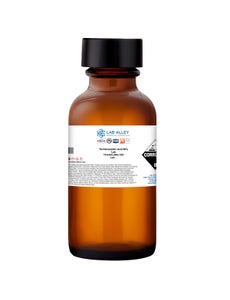
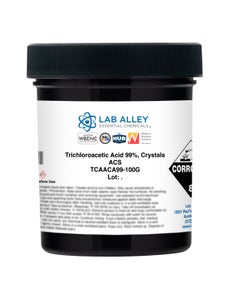
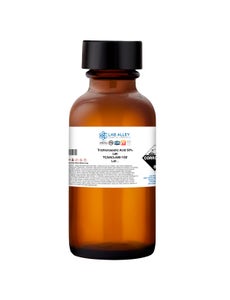
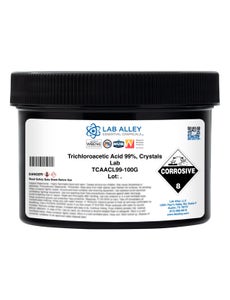
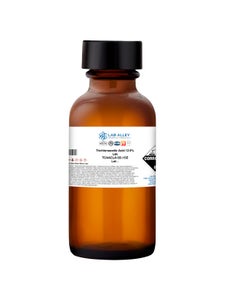
Trichloroacetic Acid from Lab Alley is available as a crystalline solid in grades suited to laboratory, research, and commercial applications. Packaging ranges from small laboratory containers to bulk industrial quantities to support research, manufacturing, and commercial supply needs.
Common Uses & Applications
Industrial Applications
In industrial settings, trichloroacetic acid serves as an intermediate in the synthesis of other chlorinated organic compounds. It also finds use in leather tanning and textile processing, where its acidity and reactivity support specific treatment steps in those workflows. Manufacturers working with chlorinated chemistries often rely on TCA as a building block rather than a finished product.
Scientific and Laboratory Uses
TCA is a standard reagent in biochemistry labs, where it is used to precipitate proteins and nucleic acids out of analysis solutions. Its predictable, concentration-dependent precipitating action makes it a reliable choice for sample preparation protocols. Beyond precipitation work, it also serves as a general-purpose reagent in broader analytical chemistry applications.
Specialized Applications
In dermatology, trichloroacetic acid is formulated into chemical peels used to treat skin texture and pigmentation concerns. It is also applied topically to treat skin and genital warts, as well as certain cervical lesions, where its corrosive action destroys targeted tissue in a controlled clinical setting. These medical applications require precise concentration control and professional administration.
Safety & Handling
Hazards and Precautions
Trichloroacetic acid is classified under GHS as a Skin Corrosion Category 1A and Serious Eye Damage Category 1 hazard, carrying the hazard statement H314 for causing severe skin burns and eye damage. It is also classified as very toxic to aquatic life with long-lasting effects (H410). These hazards apply at all concentrations, so even dilute solutions should be handled with the same caution as the solid form.
Personal Protective Equipment
Anyone handling TCA should wear chemical-resistant gloves, such as nitrile or neoprene, along with chemical splash goggles or a face shield to protect against eye contact. Respiratory protection becomes necessary when dust or mist is generated during handling or transfer. Protective clothing that covers exposed skin rounds out the standard PPE requirements.
Storage Guidelines
TCA should be stored in a tightly sealed, corrosion-resistant container kept in a cool, dry, well-ventilated area. Because the compound is hygroscopic, protecting it from moisture is essential to prevent degradation and maintain product integrity. Storage areas should also keep TCA segregated from strong oxidizers and bases to avoid unwanted reactions.
Spill and Disposal Procedures
In the event of a spill, the material should be contained and absorbed using an inert absorbent, then cautiously neutralized with a mild base under controlled conditions. The neutralized residue should be collected and disposed of as hazardous corrosive waste in accordance with applicable federal, state, and local regulations. Personnel responding to spills should follow the same PPE requirements used during routine handling.
Trichloroacetic Acid Grades and Pack Sizes
Lab Alley supplies trichloroacetic acid in a grade and range of pack sizes built for laboratory, commercial, and industrial buyers.
Available Grades & Concentrations
-
ACS Grade / Lab Grade, suited for analytical, laboratory, and research applications
Pack Sizes & Industrial Availability
-
Laboratory bottles: 1oz, 2oz, 4oz, 100g, 500g, 500mL
-
Commercial containers: 1lbs, 1kg, 2.5kg, 4L
-
Industrial quantities: 12.5kg, 25kg, 50lbs
-
Case and pallet quantities available for bulk purchasing
All containers are UN-approved and DOT-compliant, labeled Hazard Class 8 (Corrosive) under UN1839 for the solid form and UN2564 for solution form, Packing Group II. Contact Lab Alley to confirm current availability and place an order for the grade and pack size your application requires.
FAQs
What is Trichloroacetic Acid and how is it produced?
What are the potential side effects of Trichloroacetic Acid exposure?
How should Trichloroacetic Acid be stored to prevent degradation?
TCA should be kept tightly sealed in a cool, dry location away from moisture, since the compound readily absorbs water from the air. Storage areas should also keep it separated from incompatible materials like strong oxidizers and bases. Proper storage preserves both the purity and the handling safety of the product over time.
Does Trichloroacetic Acid have an expiration date?
What grades of Trichloroacetic Acid does Lab Alley offer?
Lab Alley offers an ACS grade, also referred to as lab grade, suited for analytical and research applications. This grade meets the purity standards laboratories expect for consistent, reliable results in precipitation and analytical work.