





FCC Food Grade isn't one chemical. It's a label that says a chemical was made and tested to the Food Chemicals Codex monograph written for that specific ingredient. Each monograph sets the identity, the assay strength and limits on impurities, and many include tight limits on contaminants such as lead. That's why a bottle of FCC citric acid and a bottle of FCC phosphoric acid are held to different specs. Same grade label, different rulebook.
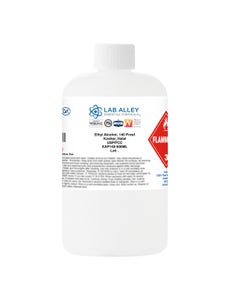
Form and strength vary a lot across this page. Ethanol, hydrogen peroxide, phosphoric acid and citric acid solutions are liquids you measure by volume. Sodium bicarbonate, potassium sorbate and sodium chloride are powders or crystals you weigh. MCT oil and coconut oil are oils. Strength matters as much as grade. Ethanol is sold by proof, hydrogen peroxide runs from 3% to 34% and phosphoric acid from 25% to 85%. Match the strength to your recipe or method, then confirm the grade.