





R&D and laboratory chemicals aren't one chemical family. They're the working set a lab reaches for every day: solvents that dissolve and extract, acids and bases that digest samples and set pH, oxidizers that clean glassware, and solutions you titrate against. What ties them together is documentation. In a research or QC lab, a reagent is only as useful as the paperwork that proves what's in the bottle.
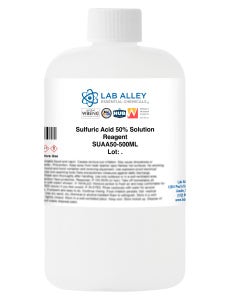
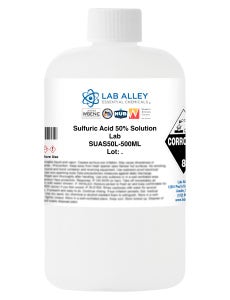
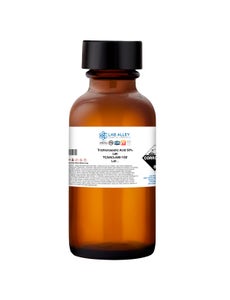
Properties change a lot from one chemical to the next, but a few come up at almost every bench. Volatility is the big one. Acetone boils at about 56°C and dichloromethane at about 40°C, so both evaporate fast and belong in a hood. Ethyl ether is even more volatile and can form peroxides if a bottle sits too long, so date what you open. Water content is the quiet one. Ethanol and water form an azeotrope that caps ordinary distillation at about 95.6% ethanol, which is why 200 proof needs an extra drying step. Strength matters for acids, which are sold at set concentrations such as hydrochloric acid at 37%, nitric acid at 70% and sulfuric acid at 96%. Container choice counts too. Acids typically go in HDPE, while acetonitrile and many other solvents go in amber glass. The Chemical Storage Compatibility Chart lists the right container for each chemical, and the SDS covers flammability and corrosion hazards before you stock anything.