





Glycerin Uses & Applications
Glycerin, also known as glycerol, is a colorless, odorless liquid with the molecular formula C₃H₈O₃. Its viscous, syrup-like consistency and complete miscibility with water and alcohol stem from three hydroxyl groups on its carbon backbone, which give the molecule strong hydrogen-bonding capacity. This structure is responsible for glycerin's defining characteristics: it is hygroscopic, drawing moisture from the surrounding environment, and it carries a mild sweetness with a low order of toxicity, both of which have shaped its use across a wide range of industries.
Each glycerin formulation is suited to a different segment of use, from pharmaceutical compounding and food production to laboratory research and industrial chemical processing. Procurement teams, formulators, and lab personnel rely on this range to source the exact purity and concentration their application calls for without over-purchasing for a lower-stakes use case.
Because glycerin is broadly compatible, non-toxic in typical handling conditions, and readily biodegradable, it has become a default ingredient of choice in formulations where safety, environmental impact, and functional versatility all matter at once.
In this article, we'll explore:
-
Industrial Applications
-
Scientific & Laboratory Uses
-
Medical & Pharmaceutical Uses
-
Food & Beverage Industry
-
Agriculture & Pesticides
-
Consumer & Household Uses
-
Environmental & Water Treatment
-
Antifreeze & Deicing Fluids
-
Tobacco & Vaping Products
-
Explosives & Propellant Manufacturing
-
Glycerin Grades and Pack Sizes
Industrial Applications
Manufacturing & Processing
Glycerin's humectant and plasticizing properties make it a common additive in paper, cellophane, and textile finishing operations, where it helps maintain flexibility and prevent materials from becoming brittle during processing and storage. In tobacco manufacturing, it serves a similar function as a softening agent, keeping raw material pliable through handling. These roles depend less on chemical reactivity and more on glycerin's ability to bind and retain moisture within a substrate over time.
Chemical Synthesis
Glycerin acts as a chemical feedstock in the production of alkyd resins, which are used widely in paints and coatings for their durability and adhesion properties. It also serves as a starting material for polyether polyols, a key input in polyurethane foam manufacturing, as well as for a range of glycerol esters used in plastics, lubricants, and surfactant production. This synthetic versatility comes from the reactivity of its hydroxyl groups, which allow it to participate in esterification and polymerization reactions.
Petroleum & Energy
Glycerin is generated as a major co-product of biodiesel production through the transesterification of fats and oils, and the growth of the biodiesel industry has significantly expanded the available supply of crude glycerin worldwide. This crude material is frequently refined further into higher-value derivatives such as propylene glycol and epichlorohydrin, both of which serve as feedstocks for downstream industrial chemistry. The relationship between biodiesel output and glycerin availability makes it one of the more prominent examples of an industrial by-product being converted into a commercially valuable raw material.
Scientific & Laboratory Uses
Analytical Reagent
In light microscopy, glycerin is used as a mounting medium for slide preparations, valued for its clarity and refractive properties that preserve specimen visibility. It also functions as a component of immersion oils used with high-magnification objectives. These applications rely on glycerin's optical stability and its resistance to drying out under standard laboratory storage conditions.
Solvent in Laboratory Processes
Glycerin is widely used as a cryoprotectant, added to cell cultures, tissue samples, and microbial stocks before freezing to prevent ice crystal formation that would otherwise damage cellular structures. Its ability to lower the freezing point of aqueous solutions while remaining non-toxic to biological material makes it a standard choice in cryopreservation protocols. Beyond this specific role, it also serves as a general-purpose solvent in reagent preparation where a stable, water-miscible carrier is needed.
Specialized Research Applications
Because of its known and consistent viscosity, glycerin is used as a reference standard in viscosity measurement and instrument calibration. It also appears as a component in gel-loading buffers used in agarose and polyacrylamide gel electrophoresis, where its density helps samples settle evenly into wells before a run. These niche but consistent applications reflect glycerin's reliability as a well-characterized reference substance in analytical work.
Medical & Pharmaceutical Uses
Active Pharmaceutical Ingredient (API)
Glycerin functions as an active ingredient in its own right in several therapeutic contexts. It is used in oral and rectal formulations as an osmotic agent to relieve constipation and in oral solutions intended to reduce elevated intraocular and intracranial pressure. In these uses, glycerin's osmotic activity, drawing water across membranes toward the higher-concentration solution, is the mechanism responsible for the therapeutic effect.
Excipient in Drug Formulations
Beyond its direct therapeutic roles, glycerin is a common excipient across a range of drug formulations. It is used as a solvent, sweetening agent, and viscosity modifier in cough syrups, elixirs, and oral suspensions, helping to improve palatability and consistency. Its low toxicity and broad compatibility with active ingredients make it a dependable inclusion in formulations intended for oral administration.
Disinfectant / Antiseptic
While glycerin is not itself classified as a disinfectant, it plays a supporting role in topical antiseptic and wound-care formulations as a humectant and preservative component. It helps maintain moisture at the application site and contributes to product stability over its shelf life. This function is complementary to the active antimicrobial ingredients in these formulations rather than a primary antimicrobial role of its own.
Food & Beverage Industry
Food Additive / Preservative
Glycerin is an approved food additive recognized under the designation E422, used across a wide range of packaged foods. In baked goods and confections, it functions as both a humectant and a preservative, helping products retain moisture and extending shelf stability. Its sweet taste also allows it to contribute mild sweetness without significantly affecting a product's overall sugar content.
Beverage Processing
In beverage manufacturing, glycerin serves as a solvent for flavor compounds and food colorants, helping these ingredients disperse evenly throughout a formulation. It is also used as a low-calorie sweetener in sugar-free and reduced-sugar drink products. Its solubility in water makes it well-suited to aqueous beverage systems without introducing off-flavors or textural inconsistencies.
Nutritional Supplements
Glycerin appears in protein bars and hydration-focused supplement products, where it functions as a bulking and sweetening agent. In sports nutrition formulations specifically, its humectant properties help maintain product texture and moisture retention over the product's shelf life. This combination of functional and sensory benefits has made it a frequent inclusion in supplement product development.
Agriculture & Pesticides
Animal Feed Additive
Crude glycerin, generated in large volumes as a biodiesel co-product, is increasingly used as an energy source in cattle, poultry, and swine feed rations. Its caloric density provides a cost-effective alternative to traditional feed energy sources, and research into its digestibility and metabolic effects across species has supported its growing adoption in commercial feed formulation. This use has become one of the more significant outlets for the glycerin surplus generated by the biodiesel industry.
Consumer & Household Uses
Cleaning & Disinfecting
In household cleaning products, glycerin is included in liquid hand soaps and dish detergents primarily for its moisturizing effect on skin. It helps offset the drying impact of surfactants and cleaning agents that would otherwise strip natural oils from the skin during regular use. This makes it a common formulation choice in personal-contact cleaning products rather than in surface disinfectants.
Personal Care & Cosmetics
Glycerin is one of the most widely used ingredients in personal care formulations, appearing in lotions, soaps, toothpaste, and hair care products as a humectant and emollient. It draws moisture to the skin and hair and helps maintain a smooth, hydrated feel in finished products. Its compatibility with a broad range of other cosmetic ingredients has made it a foundational component across skin care and personal hygiene categories.
Textiles & Leather Treatment
In textile finishing, glycerin is used as a softening and lubricating agent that improves the hand feel and flexibility of fabrics during and after processing. In leather production, it serves a comparable function during tanning, helping to keep leather supple and workable. Both applications depend on glycerin's ability to remain within the material and continue conditioning it over time.
Environmental & Water Treatment
Water & Wastewater Treatment
Glycerin is used as a supplemental carbon source to support biological denitrification in wastewater treatment plants. Denitrifying bacteria require an external carbon source to convert nitrates into nitrogen gas, and glycerin's availability and cost profile have made it a practical option for treatment facilities seeking to meet nutrient removal requirements. This use has grown alongside the increased supply of glycerin from biodiesel production.
Biodegradability & Environmental Impact
Glycerin is readily biodegradable and exhibits low aquatic toxicity, characteristics that have supported its adoption in formulations marketed for their environmental profile. Its natural occurrence as a component of fats and oils contributes to its favorable breakdown pathway in the environment compared to many synthetic alternatives. These properties are a meaningful consideration for manufacturers seeking to reduce the environmental footprint of their formulated products.
Antifreeze & Deicing Fluids
Automotive & Industrial Antifreeze
Glycerin is used as a non-toxic alternative to ethylene glycol in certain antifreeze and coolant blends, particularly where reduced toxicity is a priority for the end application. Its freezing-point depression properties allow it to perform a comparable protective function in coolant systems. This positions it as an option for formulators developing lower-toxicity coolant products for specific industrial or consumer applications.
Aircraft Deicing Fluids
In aviation, glycerin is used as a freezing-point depressant in runway and aircraft deicing formulations, helping prevent ice accumulation on surfaces during cold-weather operations. Its performance characteristics and lower environmental impact relative to some alternative deicing chemicals have supported its inclusion in select deicing fluid formulations. This application requires consistent product quality to meet the performance standards of aviation safety operations.
Tobacco & Vaping Products
Cigarette Manufacturing
Glycerin is used in cigarette manufacturing as a humectant that helps maintain the moisture content of tobacco throughout processing and storage. This moisture retention supports consistent burn characteristics and helps preserve flavor over the product's shelf life. Its role here is functional rather than flavor-driven, focused on maintaining product consistency from production through consumption.
E-Cigarette / Vaping Liquids
Glycerin, often referred to as vegetable glycerin in this context, is a primary base liquid in e-cigarette and vaping formulations, typically used alongside propylene glycol. It contributes to aerosol formation and vapor density when heated, along with a mild sweetness that affects the overall flavor profile of the finished liquid. Its viscosity and stability under heating make it a key structural component of these formulations.
Explosives & Propellant Manufacturing
Nitroglycerin Production
Glycerin serves as the chemical precursor for nitroglycerin, produced through a nitration reaction that has been used in explosives and propellant manufacturing since the nineteenth century. Nitroglycerin derived from glycerin remains a component in the production of dynamite and certain propellant formulations. This application represents one of the earliest and most historically significant industrial uses of glycerin, and it remains relevant in specialized manufacturing contexts today.
Glycerin Grades and Pack Sizes
Lab Alley supplies glycerin across five grades to support pharmaceutical, food, laboratory, and industrial applications, with Certificates of Analysis (COAs) and Safety Data Sheets (SDSs) available for every product.
Available Grades & Formulations
-
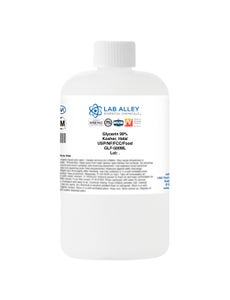
Glycerin 99% USP/NF/FCC Food Grade, Kosher, Halal, suited for pharmaceutical, food, and cosmetic formulation
-
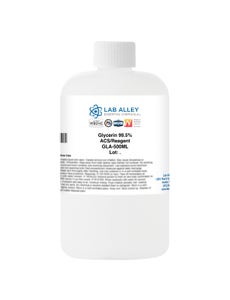
Glycerin 99.5% ACS Reagent Grade, suited for laboratory and analytical applications
-
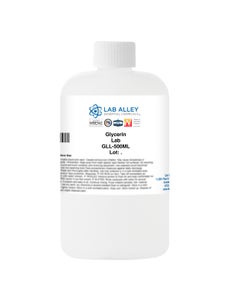
Glycerin Lab/Technical/AR Grade, suited for general laboratory and industrial use
-
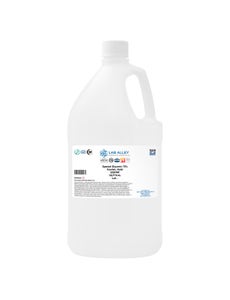
Special Glycerin USP/NF Grade, 70%, Kosher, Halal, suited for diluted pharmaceutical and formulation applications
-
Glycerin RSPO, USP Grade, suited for sustainably sourced pharmaceutical applications
Pack Sizes & Industrial Availability
-
Laboratory bottles: 500mL and 1L for lab-scale use
-
Commercial containers: 1gal, 4L, and 5Gal for standard operations
-
Industrial drums: 55gal and 270Gal for high-volume applications
-
Case and pallet quantities available for bulk purchasing
-
All containers are UN-approved and DOT-compliant with proper labeling
Customers with questions about grade selection or bulk availability can contact Lab Alley directly to confirm the right specification for their application.
Final Note
Glycerin's combination of hygroscopic, humectant, and low-toxicity properties has made it one of the most versatile chemicals in industrial and consumer use, spanning pharmaceuticals, food production, personal care, laboratory research, and specialized manufacturing sectors like explosives and aviation deicing. Its growing availability as a biodiesel co-product has further expanded its role in agriculture, wastewater treatment, and energy-adjacent applications.
For organizations sourcing glycerin across these varied use cases, selecting the appropriate grade and pack size is essential to meeting both performance requirements and regulatory expectations. Lab Alley's range of glycerin grades supports this full spectrum of applications with the documentation and pack sizes customers need to move from evaluation to production.
For more detailed guidance, explore our Resource Library.
Our Customer Care team is also available for more information and documentation, including chemical Safety Data Sheets.
Need Glycerin You Can Trust?
If you are looking for high-quality glycerin for your lab, product line, or research facility, be sure to visit our store to explore our trusted selection and request a quote.
As your trusted partner in chemical supply, Lab Alley is always striving to meet the growing demands of our customers. We want you to be able to access all of your chemical needs in one place, along with streamlined online ordering and fast shipping.
Due to popular demand from our valued clientele, Lab Alley's glycerin is available in a range of purities and packaging options to suit various commercial, laboratory, and personal needs.