





Shelf Life & Expiration of Glycerin
Glycerin is one of the more chemically stable liquids used across pharmaceutical, cosmetic, and food-grade applications, largely because it resists oxidation and does not support microbial growth in its concentrated form. Its shelf life is governed less by chemical breakdown and more by its strong hygroscopicity, which causes it to absorb ambient moisture over time and gradually shift away from its labeled purity.
The primary factors affecting glycerin's usable life are container integrity, storage temperature, and how frequently a container is opened and exposed to air. Because glycerin readily draws in water vapor, even small amounts of repeated air exposure can lower concentration and, in turn, affect performance in applications that depend on precise purity levels.
Grade also affects how shelf life is communicated. USP and Kosher grade glycerin typically ship with a defined retest interval, while technical grade products may follow supplier-specific certificate of analysis guidance rather than a fixed expiration date.


This article covers:
-
How Long Does Glycerin Last?
-
Signs That Glycerin Has Expired or Degraded
-
What to Do If Glycerin Is Expired
-
Proper Storage Extends Shelf Life
How Long Does Glycerin Last?
Chemical Stability
Glycerin is inherently stable at room temperature and does not oxidize or break down readily under normal conditions. Unlike many organic liquids, it does not require stabilizers or preservatives to resist microbial spoilage, since its concentrated form creates an environment that inhibits bacterial and fungal growth.
Degradation, when it occurs, is typically a gradual process driven by moisture uptake rather than a chemical reaction within the glycerin itself. This makes glycerin one of the more forgiving chemicals in terms of long-term storage, provided the container remains sealed.
Purity & Packaging
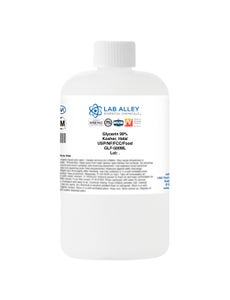
USP and Kosher grade glycerin sealed in its original, unopened container typically carries a recommended shelf life of approximately two years, after which suppliers often recommend retesting key specifications rather than assuming the product has expired. Technical grade glycerin does not always follow the same fixed timeline and should be evaluated against the specific supplier's certificate of analysis.
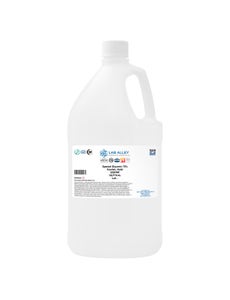
Suitable packaging materials include high-density polyethylene (HDPE), glass, and FDA-approved lined stainless steel for bulk storage. Containers that allow air exchange, such as vented tanks, accelerate moisture absorption and shorten effective shelf life.
Storage Conditions
Glycerin performs best when stored at ambient room temperature, generally between 15 and 30°C (59 to 86°F), in a tightly sealed container. Direct sunlight and excess humidity both work against long-term stability, the former by contributing to discoloration and the latter by feeding glycerin's tendency to absorb water.
Facilities storing glycerin in bulk should prioritize consistent ambient conditions over active heating or cooling, since temperature swings can introduce condensation inside partially filled containers.


Signs That Glycerin Has Expired or Degraded
-
Color Change: Pure glycerin is clear and colorless, so any yellowing or darkening is a visible indicator of oxidation or prolonged heat exposure.
-
Concentration Changes: Because glycerin is highly hygroscopic, extended or repeated exposure to air can dilute the product below its labeled purity, which is often the earliest and most measurable sign of degradation.
-
Microbial Contamination: Concentrated glycerin naturally resists microbial growth, but once moisture uptake dilutes it, the product becomes more hospitable to bacterial or fungal contamination, particularly in containers that have been opened repeatedly.
-
Reduced Effectiveness: Diluted or degraded glycerin performs less reliably as a humectant, solvent, or excipient, which can show up as inconsistent results in cosmetic formulations, pharmaceutical preparations, or food applications where precise concentration matters.
What to Do If Glycerin Is Expired
Check Manufacturer Guidelines
Many suppliers issue a retest date rather than a strict expiration date for glycerin, reflecting the product's underlying chemical stability. After roughly two years, testing key specifications such as purity and water content can determine whether the product remains within spec or whether a certificate of analysis extension is appropriate. This approach avoids discarding usable product based solely on elapsed time.
Follow Proper Disposal Procedures
Glycerin is generally considered non-hazardous under most waste classifications, but bulk quantities or glycerin that has become contaminated should still be handled according to local wastewater and waste disposal regulations. Facilities should confirm disposal requirements with their local authority rather than assuming glycerin can be discharged without restriction, since regulations vary by jurisdiction and by the presence of any contaminants introduced during use.
Replace with Fresh Stock
Replacing degraded glycerin with fresh product ensures accurate concentration in formulations where purity directly affects outcomes, particularly in food, pharmaceutical, and cosmetic applications. Using diluted or contaminated glycerin in these contexts can compromise product stability, shelf life of the finished good, or, in some cases, consumer safety, making replacement the more reliable choice once degradation is confirmed.
Proper Storage Extends Shelf Life
-
Container Requirements: Use tightly sealed containers made of HDPE, glass, or FDA-approved lined stainless steel, and avoid vented tanks or any packaging that allows continuous air exchange.
-
Temperature Control: Store at ambient room temperature; excessive heat can accelerate oxidation, while temperatures below glycerin's freezing point of approximately 17.8°C (64°F) can cause crystallization, which typically reverses with gentle warming.
-
Light & Heat Protection: Keep glycerin away from direct sunlight and heat sources to limit discoloration and reduce the risk of oxidative degradation over time.
-
Humidity Control: Because glycerin is highly hygroscopic, storing it in a low humidity environment and limiting how often containers are opened helps prevent unwanted moisture absorption.
-
Evaporation Prevention: Reseal containers tightly immediately after each use to guard against both moisture ingress and gradual concentration drift.
Conclusion
Glycerin's chemical stability makes it one of the more resilient liquids in a production or laboratory setting, but its hygroscopic nature means shelf life is ultimately a function of moisture control rather than chemical breakdown. Sealed storage, stable ambient temperatures, and minimizing exposure to air are the most effective ways to preserve purity over time.
For facilities relying on precise concentration, retesting glycerin against its certificate of analysis after extended storage offers a more accurate picture of usability than relying on a fixed expiration date alone. Replacing product that shows signs of dilution, discoloration, or contamination helps maintain consistent results across pharmaceutical, cosmetic, and food-grade applications.
For more detailed guidance, explore our Resource Library for comprehensive storage and handling information.
Our Customer Care team is also available for more information and documentation, including chemical Safety Data Sheets.
Need Glycerin You Can Trust?
If you are looking for high-quality glycerin for your lab, product line, or research facility, be sure to visit our store to explore our trusted selection and request a quote.
As your trusted partner in chemical supply, Lab Alley is always striving to meet the growing demands of our customers. We want you to be able to access all of your chemical needs in one place, along with streamlined online ordering and fast shipping.
Due to popular demand from our valued clientele, Lab Alley's glycerin is available in a range of purities and packaging options to suit various commercial, laboratory, and personal needs.