





Glycerin Overview
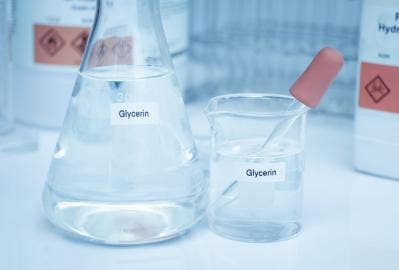
Glycerin, also known as glycerol or 1,2,3-propanetriol, is a colorless, odorless, sweet-tasting liquid found across pharmaceutical, food, cosmetic, and industrial formulations. Chemists refer to the pure compound as glycerol, while glycerin is the term used commercially across its various grades and concentrations. Both plant oils, animal fats, and petrochemical feedstocks serve as production sources, giving suppliers flexibility in sourcing depending on purity requirements and end use.
What sets glycerin apart is its combination of high water solubility, low toxicity, and strong hygroscopic behavior. These properties let it function simultaneously as a humectant, solvent, sweetener, and chemical intermediate, which is why it shows up in products as varied as skincare formulations, pharmaceutical syrups, and industrial resins.
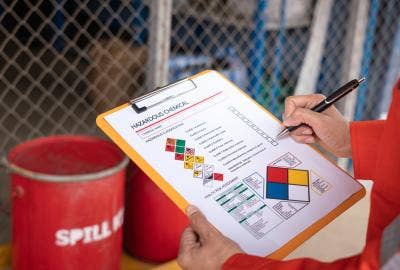
From a regulatory and handling standpoint, glycerin carries a favorable safety profile. Most food and USP grades require no GHS hazard pictograms, and the compound's NFPA flammability rating of 1 reflects its resistance to ignition under normal conditions. This combination of versatility and low hazard makes it a staple raw material across regulated industries.
Properties of Glycerin
Key Facts
-
Compound Name: Glycerin (Glycerol)
-
Synonyms/Common Names: Glycerol, Glycerine, 1,2,3-Propanetriol, Propane-1,2,3-triol, Glyceritol, Trihydroxypropane
-
Chemical Formula: C₃H₈O₃
-
CAS Number: 56-81-5
-
Molar Mass: 92.09 g/mol
-
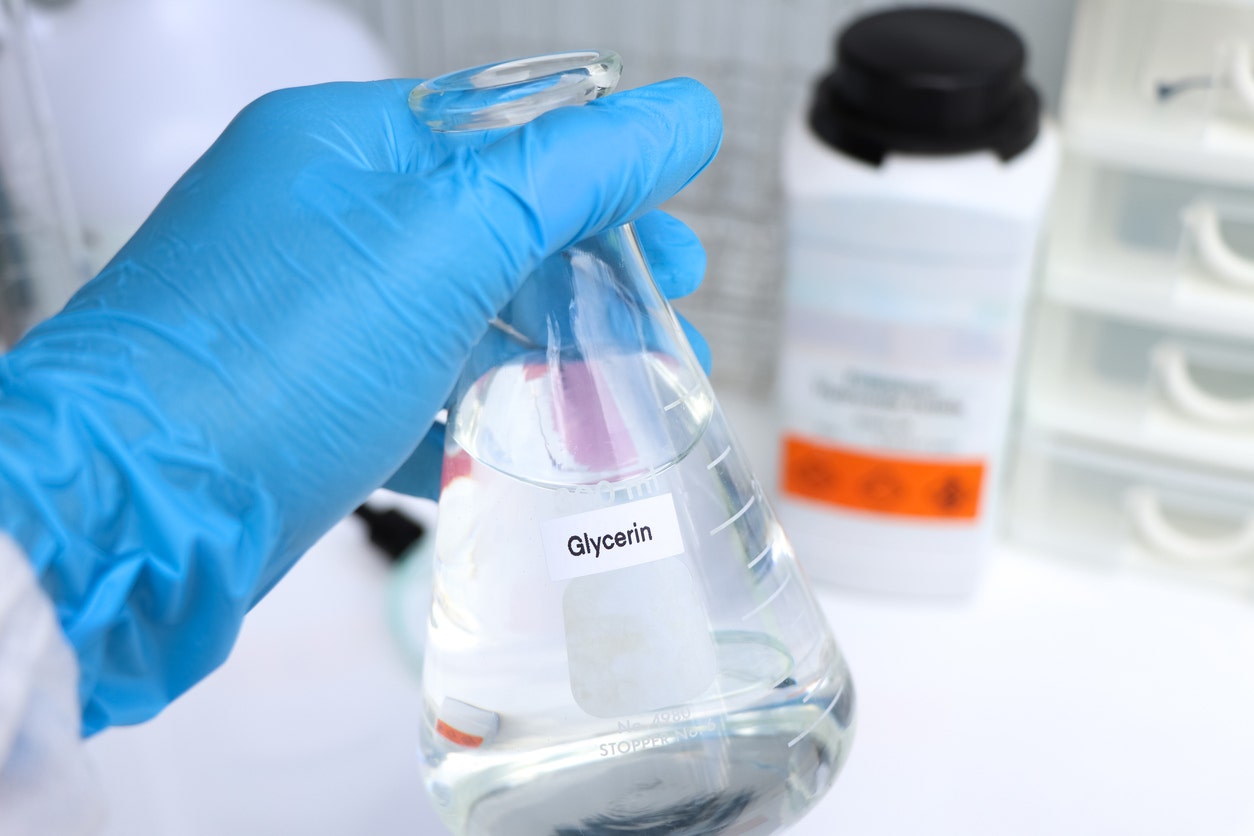
Appearance: Colorless to pale yellow, odorless, viscous liquid with a sweet taste
Density and Behavior Relative to Water
Glycerin has a density of 1.26 g/cm³ at 20°C, making it noticeably denser than water. This higher density is part of why glycerin layers beneath water when the two are combined without mixing, and it also contributes to the compound's characteristic viscosity in concentrated form.
Glycerin is a clear, colorless, odorless, viscous liquid widely used in food, pharmaceutical, cosmetic, and industrial applications. It functions as a humectant, solvent, and carrier in personal care products, medicines, food products, and manufacturing processes. U.S. laboratories and manufacturers sourcing glycerin by grade and purity contact Lab Alley at 512-668-9918 for product selection and ordering support.
Boiling Point and Melting Point
Glycerin boils at 290°C (554°F) and melts at 17.8°C (64°F), meaning it stays liquid at typical room and refrigeration temperatures. The high boiling point reflects strong intermolecular hydrogen bonding between glycerin molecules, which also explains its resistance to evaporation under normal storage conditions.
Solubility
Glycerin is miscible with water and alcohol in all proportions, a direct result of its three hydroxyl groups forming hydrogen bonds with polar solvents. It also dissolves in acetone but remains insoluble in benzene, chloroform, and oils, which limits its use as a solvent for nonpolar compounds.
Reactivity and Stability
Glycerin is stable under normal storage and handling conditions, and its NFPA flammability rating of 1 indicates it does not ignite readily. It is hygroscopic, so it readily absorbs moisture from the surrounding air, and it reacts with strong oxidizers such as concentrated nitric acid to form nitroglycerin, making separation from strong acids and oxidizing agents an important handling consideration.
Glycerin from Lab Alley is available as a high-purity liquid in grades suited to food, pharmaceutical, cosmetic, laboratory, and industrial applications. Packaging ranges from small laboratory containers to bulk drums and totes to support research, manufacturing, and commercial supply needs.
Common Uses & Applications
Industrial Applications
Glycerin serves as a raw material in polyurethane and resin manufacturing, where its multiple hydroxyl groups make it a useful building block for polymer chemistry. It also appears in antifreeze formulations due to its freezing point depression properties. In biodiesel and soap production, glycerin is generated as a byproduct of transesterification and saponification reactions, respectively, and is often recovered and refined for resale into other markets.
Scientific and Laboratory Uses
In laboratory settings, glycerin functions as a cryoprotectant, protecting cells and biological samples from damage during freezing by limiting ice crystal formation. It is also used to increase sample density in gel electrophoresis, helping samples settle properly into wells before a run. Beyond these specialized roles, glycerin serves as a general-purpose laboratory reagent and solvent for a range of experimental protocols.
Consumer & Household Uses
Glycerin is a common moisturizing ingredient in skincare products, where its humectant properties help draw and retain moisture in the skin. In food and beverage applications, it works as both a sweetener and a humectant, helping baked goods and other products maintain moisture and extend shelf life.
Specialized Applications
Pharmaceutical manufacturers rely on glycerin as an excipient in syrups, suppositories, and topical formulations, valuing its solvent properties and mild safety profile. In cosmetics, it functions as both a humectant and texturizing agent across a wide range of formulations. As a food additive, glycerin is recognized under the E422 designation and used as a preservative and sweetener in numerous packaged products.
Safety & Handling
Hazards and Precautions
Most food and USP-grade glycerin is not classified as hazardous under GHS criteria, reflecting its low toxicity and mild handling profile. Concentrated or technical grades may cause mild eye or skin irritation with prolonged contact, so standard laboratory hygiene practices remain appropriate even when working with lower-hazard grades. While glycerin is combustible at elevated temperatures, its resistance to ignition under normal conditions distinguishes it from more volatile solvents.
Personal Protective Equipment
Nitrile or rubber gloves are recommended when handling technical or industrial grades of glycerin, particularly during transfer or mixing operations. Safety glasses provide adequate eye protection for routine handling, since glycerin does not present the acute inhalation or vapor hazards associated with more volatile chemicals. Standard laboratory coats or aprons are sufficient for general use.
Storage Guidelines
Glycerin should be stored in tightly sealed containers in a cool, dry area, away from strong oxidizers and direct sunlight. Because glycerin is hygroscopic, containers left open or improperly sealed will absorb ambient moisture, which can affect concentration and product quality over time. Segregating glycerin from strong acids and oxidizing agents during storage reduces the risk of unwanted reactions.
Spill and Disposal Procedures
Small spills can be absorbed with inert absorbent material and collected for proper disposal. Food and pharmaceutical-grade glycerin generally poses low environmental risk compared to more hazardous industrial chemicals, though disposal should still follow local regulations and facility protocols. Larger spills or those involving technical grades should be handled according to the specific product's safety data sheet.
Glycerin Grades and Pack Sizes
Lab Alley supplies glycerin across multiple grades to meet the needs of pharmaceutical, food, laboratory, and industrial customers.
Available Grades & Concentrations
-
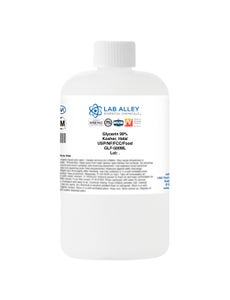
Glycerin 99% USP/NF/FCC/Food Grade, Kosher, Halal for pharmaceutical, food, and personal care formulations
-
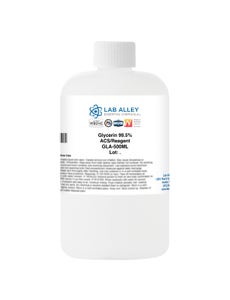
Glycerin 99.5% ACS Reagent Grade for laboratory and analytical use
-
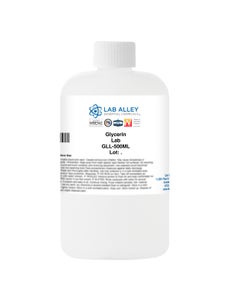
Glycerin Lab/Technical/AR Grade for general laboratory and industrial applications
-
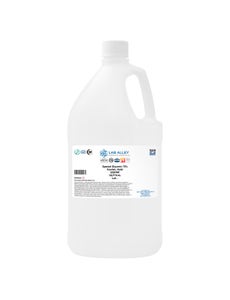
Special Glycerin 70%, USP/NF Grade, Kosher, Halal for diluted-concentration formulation needs
-
Glycerin RSPO, USP Grade for sustainably sourced, palm-derived formulations
Pack Sizes & Industrial Availability
-
Laboratory bottles: 500 mL and 1 L for lab-scale use
-
Commercial containers: 1 gallon and 4 L for standard operations
-
Industrial drums: 5-gallon, 55-gallon, and 270-gallon for high-volume applications
-
Case and pallet quantities available for bulk purchasing
All Lab Alley glycerin containers are UN-approved and DOT-compliant with proper labeling, and every grade ships with SDS and COA documentation available on request. Contact Lab Alley to discuss grade selection, pack size, and bulk pricing for your specific application.
FAQs
What is glycerin and how is it produced?
What are the potential side effects of glycerin exposure?
How should glycerin be stored to prevent degradation?
Glycerin should be kept in tightly sealed, food or pharmaceutical-grade containers stored in a cool, dry location. Because glycerin is hygroscopic, it will absorb moisture from the air if containers are left open, which can dilute concentration and affect product quality. Keeping containers closed between uses is the simplest way to preserve grade integrity over time.
Does glycerin have an expiration date?
Is glycerin the same as glycerol?
Yes, glycerol is the precise chemical name for the compound, while glycerin, sometimes spelled glycerine, is the common commercial term used across industries. The two terms refer to the same underlying chemical structure, though "glycerin" is typically used when referring to a specific commercial grade or concentration rather than the pure chemical form.