




Types of Glycerin
Glycerin, also known as glycerol, is a colorless, odorless, viscous liquid with a sweet taste that serves as a foundational ingredient across food, pharmaceutical, cosmetic, and industrial manufacturing. It exists in multiple grades because the raw material it comes from and the refining process it undergoes vary substantially, ranging from crude byproduct pulled off soap and biodiesel production to highly purified pharmaceutical-grade material distilled to remove trace contaminants.
The grade of glycerin a buyer selects has a direct effect on both product performance and regulatory standing. Purity level, impurity limits such as ethylene glycol and diethylene glycol content, source material, and any certifications tied to the finished product all factor into which type is appropriate. Selecting the wrong grade can mean regulatory noncompliance for ingestible or topical products, or unnecessary cost for applications that don't require pharmaceutical-level purity.
In this article, we'll explore:
-
Common Grades & Purities
- Certifications & Standards
-
Chemical Forms & Variants
-
Applications Based on Type
-
How to Choose the Right Type
Common Grades & Purities
USP/NF Grade
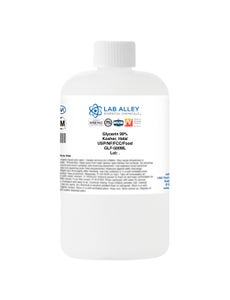
USP/NF grade glycerin meets the purity and identity standards published in the United States Pharmacopeia and National Formulary, with a minimum purity of 99.5% and defined limits on heavy metals, residue on ignition, and chlorinated compounds. Testing also confirms the material falls within accepted limits for ethylene glycol and diethylene glycol, making this grade the standard requirement for pharmaceutical, food, and personal care products intended for human contact or ingestion.
Food Grade (FCC)
Food Grade glycerin meets Food Chemicals Codex standards, which largely overlap with USP/NF specifications on purity and impurity limits. It is used throughout food and beverage manufacturing as a humectant, sweetener, and solvent, and is the grade most buyers reach for when formulating consumable products that don't carry a pharmaceutical labeling requirement.
ACS/Reagent Grade
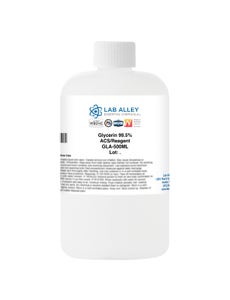
ACS/Reagent grade glycerin is manufactured to American Chemical Society specifications, which prioritize consistent, well-characterized impurity profiles over broad commercial applicability. Laboratories rely on this grade for analytical work where reagent consistency between lots affects the reliability of test results.
Technical/Industrial Grade
Technical/Industrial grade glycerin does not meet USP purity standards but is more refined than crude glycerin, typically purified to a range of 80% to 97% with most methanol, soap, and salt contaminants removed. This grade supports industrial applications such as coatings, adhesives, and lubricants, where pharmaceutical-level purity would add cost without functional benefit.
Crude Glycerin
Crude glycerin is the unrefined byproduct generated during soap saponification or biodiesel production, and it typically carries significant levels of residual water, salts, and methanol. It requires further refining before it can be used in any regulated food, pharmaceutical, or personal care application, and is generally sold as feedstock for downstream purification rather than as a finished product.
Certifications & Standards
GRAS Certification
Glycerin is recognized by the FDA as Generally Recognized as Safe (GRAS) for use as a food additive, which underpins its widespread use as a humectant and sweetener across the food industry.
Kosher & Halal
Kosher and Halal certifications are commonly available for glycerin, particularly for vegetable-derived material used in food, pharmaceutical, and personal care formulations. These certifications confirm that both the source material and the processing methods meet the respective dietary requirements, a consideration that matters most when the glycerin traces back to animal fat rather than plant oil.
Organic Certification
Organic certification is available for vegetable glycerin produced from certified organic feedstocks, such as organic palm, coconut, or soy oil. Buyers formulating organic-labeled finished products need this certification to maintain their own product's organic claims.
Non-GMO Verification
Non-GMO verification matters when glycerin comes from crops such as soy or corn, confirming the feedstock was not genetically modified. Buyers in the natural foods, supplement, or clean-label cosmetics markets typically request this certification.
REACH Compliance
REACH compliance confirms that glycerin sold into the European market has been registered under the EU's REACH chemical regulation framework. Buyers distributing finished products into the EU should confirm this registration status with their supplier before finalizing a purchase.
Chemical Forms & Variants
Glycerin does not exist in meaningfully different physical states at the commercial level, but it is differentiated by concentration and by the raw material it was derived from, both of which affect suitability for a given application.
Concentration Variants
Glycerin is sold at multiple concentrations, including high-purity anhydrous forms in the 99.5% to 99.9% range for pharmaceutical and food use, as well as diluted aqueous solutions such as 70% or 96% glycerin for applications where a lower concentration is called for by formulation requirements or cost considerations. Buyers should confirm which concentration a formulation specifies before ordering, since substituting a diluted solution for anhydrous material without adjusting the formula will change the finished product's water content and performance.
Source-Based Variants
Glycerin is differentiated by its origin as natural, meaning derived from vegetable oil or animal fat, or synthetic, meaning derived from petrochemical feedstocks such as propylene. The finished compound is chemically identical regardless of source, but the distinction matters for buyers whose end products carry vegan, kosher, halal, or sustainability claims that depend on the raw material's origin.
Physical Form
Across all commercial grades, glycerin is a viscous liquid at room temperature and does not have a distinct solid or crystalline commercial form. This consistency simplifies handling and storage planning across grades, since the same general equipment and procedures apply regardless of purity level.
Applications Based on Type
Food & Beverage
Food Grade or USP/NF glycerin is the standard choice for food and beverage formulations, selected for its FCC compliance and low impurity limits when used as a humectant, sweetener, or solvent.
Pharmaceutical & Healthcare
USP/NF grade is required for pharmaceutical formulations, including syrups, suppositories, and topical preparations, because of its strict purity threshold and defined testing for ethylene glycol and diethylene glycol contamination.
Cosmetics & Personal Care
USP/NF grade or vegetable-derived glycerin is preferred in cosmetics and personal care products for its humectant properties, combined with the availability of vegan, kosher, and halal certifications that support ingredient claims on finished labels.
Laboratory & Analytical
ACS/Reagent grade is used in laboratory and analytical settings that require consistent, well-documented purity from lot to lot, supporting reliable results in research and testing applications.
Industrial & Manufacturing
Technical/Industrial grade glycerin supports applications such as antifreeze formulation, lubricants, and general manufacturing processes where pharmaceutical-level purity is unnecessary and would add cost without functional benefit.
How to Choose the Right Type
Selecting the correct type of glycerin comes down to matching purity and certification requirements to the finished product's regulatory category, then confirming the concentration and source align with the formulation.
Match Grade to Application
Any product intended for ingestion, topical use, or pharmaceutical application should specify USP/NF or Food Grade glycerin. Technical grade is appropriate only for applications with no human contact, where the cost savings outweigh the lower purity.
Verify Required Certifications
Buyers formulating products with vegan, kosher, halal, organic, or non-GMO claims need to confirm the specific certification is documented for the lot being purchased, not simply assumed based on the grade name.
Select Appropriate Concentration or Form
Confirm whether a formulation calls for high-purity anhydrous glycerin or a pre-diluted solution before ordering, since the two are not interchangeable without adjusting the rest of the formula to account for water content.
Common Mistakes
Buyers frequently assume all glycerin grades are interchangeable, overlook whether the source material is vegetable, animal, or synthetic when a vegan or religious dietary claim is at stake, and fail to verify that a supplier's material meets current USP monograph limits for ethylene glycol and diethylene glycol before placing an order.
Key Takeaways
Choosing the right type of glycerin starts with identifying what the finished product requires: purity level, certification, concentration, and source material all play a role in whether a given grade is suitable. USP/NF and Food Grade materials cover most applications involving human contact or ingestion, while Technical grade serves industrial uses where cost efficiency matters more than pharmaceutical-level purity.
Buyers should verify certifications and impurity testing directly with their supplier rather than assuming a grade name guarantees compliance, particularly for products carrying vegan, kosher, halal, or organic claims.
For more detailed guidance, explore our Resource Library.
Our Customer Care team is also available for more information and documentation, including chemical Safety Data Sheets.
Find Glycerin You Can Trust
If you are looking for high-quality glycerin for your lab, product line, or research facility, be sure to visit our store to explore our trusted selection and request a quote.
As your trusted partner in chemical supply, Lab Alley is always striving to meet the growing demands of our customers. We want you to be able to access all of your chemical needs in one place, along with streamlined online ordering and fast shipping.
Due to popular demand from our valued clientele, Lab Alley's glycerin is available in a range of purities and packaging options to suit various commercial, laboratory, and personal needs.