




How to Treat Benzalkonium Chloride
Benzalkonium chloride (BAC) is a cationic surfactant and biocide widely used across industrial, laboratory, and institutional settings for its antimicrobial properties. Unlike acids or bases, BAC does not respond to pH-based neutralization; effective treatment requires chemically deactivating its cationic activity rather than adjusting acidity or alkalinity.
Concentrated BAC solutions carry real handling risks. They are corrosive to skin and eyes, toxic to aquatic organisms, and reactive with certain cleaning agents and oxidizers. Facilities that store, use, or discharge BAC solutions need a defined treatment protocol covering deactivation, containment, and disposal to keep personnel safe and stay within environmental discharge limits.


In this article, we'll explore:
-
Why Treat Benzalkonium Chloride?
-
How to Treat Benzalkonium Chloride
-
Safety Precautions During Treatment
-
Special Considerations
Why Treat Benzalkonium Chloride?
Safety & Spill Response
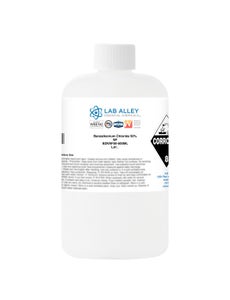
Concentrated BAC solutions, particularly those at or near 50% concentration, are classified as corrosive and can cause severe skin burns and eye damage on contact. Treating a spill before general cleanup begins reduces the risk of corrosive and irritant exposure to personnel handling the affected area. Prompt deactivation also lowers the chance of secondary exposure through contaminated surfaces, tools, or protective equipment that later contacts skin.
Industrial & Laboratory Use
Residual BAC left on surfaces or in process equipment can interfere with subsequent disinfection cycles, since its antimicrobial activity persists until it is chemically inactivated or physically removed. It also reacts with anionic detergents and cleaning agents commonly used in laboratory and production environments, which can compromise both the BAC's effectiveness and the performance of the anionic product. Treating BAC residues between process steps protects downstream cleaning and disinfection protocols from this interference.
Environmental Protection
BAC is classified as very toxic to aquatic life, and untreated discharge poses a direct risk to receiving waters. The compound also resists rapid biodegradation and tends to persist in biosolids, where it can remain bound to sludge for extended periods rather than breaking down quickly in the liquid phase. Because of this persistence and toxicity profile, BAC-containing wastewater requires controlled treatment before any consideration of discharge, and it cannot be assumed to degrade adequately through standard wastewater processes alone.
How to Treat Benzalkonium Chloride
Step 1: Identify the Chemical Properties
BAC is a cationic quaternary ammonium surfactant, and its treatment approach depends heavily on how it is being handled. Commercial BAC solutions are most commonly supplied at concentrations ranging from 10% to 50% in water. Before selecting a treatment method, confirm the concentration of the material involved, the volume that requires treatment, and whether the solution contains any additional formulation components, since these factors determine how much treatment agent is needed and how the material should ultimately be classified for disposal.
Step 2: Select Appropriate Treatment Agents
Because BAC's biocidal activity depends on its cationic charge, deactivation relies on agents that neutralize that charge or physically remove the compound from solution rather than adjusting pH.
-
Anionic surfactants, such as sodium lauryl sulfate, react with BAC's cationic structure and inactivate its antimicrobial and irritant activity. These are typically the first choice for spill and residue treatment.
-
Activated carbon adsorbs residual BAC from solution, making it useful for polishing treated wastewater or handling dilute residues before further processing.
Step 3: Treatment Procedure
Begin by diluting the spilled or excess material to reduce its concentration and handling hazard. Apply the selected anionic surfactant or absorbent material directly to the BAC solution to deactivate its cationic activity and, where applicable, contain the spill footprint. Once deactivation is complete, collect all treated material, including any absorbent used, into labeled hazardous waste containers for disposal rather than attempting to rinse it into standard drains.
-
Dilute the affected material to lower concentration before treatment.
-
Apply anionic surfactant or absorbent to deactivate and contain the spill.
-
Transfer all treated material into labeled hazardous waste containers.
Step 4: Monitor and Validate
Before considering any treated material for discharge, confirm that antimicrobial activity has been lost through appropriate testing methods available to the facility. Document the treatment method used, the volume of material treated, and the outcome of any validation testing performed. This record supports both internal quality control and any regulatory documentation the facility may need to produce.
Step 5: Waste Disposal
Treated BAC residues do not automatically qualify for standard drain disposal; in most cases, they still require handling as hazardous waste. Do not discharge treated or untreated BAC material into drains, sewers, or waterways without explicit authorization from the facility's environmental health and safety team or a licensed waste contractor. Confirm local and facility-specific disposal requirements before finalizing any waste stream classification.
Safety Precautions During Treatment
-
Personal Protective Equipment: Wear chemical-resistant gloves, tightly fitting safety goggles or a face shield, and protective clothing to prevent skin and eye contact with concentrated solutions.
-
Ventilation: Work in a well-ventilated area and avoid breathing mist, vapor, or spray generated during treatment or spill cleanup.
-
Spill Response: Contain spillage immediately, prevent it from entering drains or watercourses, and use inert absorbent material to manage the affected area.
-
Emergency Preparedness: Ensure an eyewash station and safety shower are accessible nearby, and post poison center or physician contact information in the work area.
Special Considerations
Concentration-Dependent Corrosivity
Solutions at or near 50% concentration are classified as corrosive and can cause skin and eye burns on contact. More dilute working solutions carry a lower but still notable irritation risk, so PPE and handling precautions should not be relaxed simply because a solution has been diluted for use.
Chemical Incompatibility
Safety data sheet sources identify BAC as incompatible with strong bases and oxidizing agents. Treatment agents, absorbent materials, and storage areas should be selected and managed to avoid commingling BAC with these substances, since contact can trigger unwanted reactions or hazardous decomposition products.
Conclusion
Treating benzalkonium chloride correctly depends on recognizing what it is: a cationic surfactant that requires chemical deactivation, not acid-base neutralization. Facilities that follow a defined deactivation, containment, and disposal sequence reduce corrosive exposure risk to personnel, protect downstream cleaning and disinfection processes, and prevent untreated BAC from reaching wastewater systems where its toxicity and persistence pose lasting environmental concerns.
Consistent application of these treatment steps, paired with proper PPE and documentation, keeps BAC handling compliant and reduces risk across spill response, laboratory use, and routine disposal.
For more detailed guidance, explore our Resource Library.
Our Customer Care team is also available for more information and documentation, including chemical Safety Data Sheets.
Need Benzalkonium Chloride You Can Trust?
If you are looking for high-quality benzalkonium chloride for your lab, product line, or research facility, be sure to visit our store to explore our trusted selection and request a quote.
As your trusted partner in chemical supply, Lab Alley is always striving to meet the growing demands of our customers. We want you to be able to access all of your chemical needs in one place, along with streamlined online ordering and fast shipping.
Due to popular demand from our valued clientele, Lab Alley's benzalkonium chloride is available in a range of purities and packaging options to suit various commercial, laboratory, and personal needs.