




How and Why to Treat Mannitol
Mannitol is a non-hazardous sugar alcohol that does not require pH adjustment before treatment or disposal, since it has no significant acidic or basic reactivity. This sets it apart from acids and bases, where treatment centers on neutralization. For mannitol, treatment instead centers on containment of its powder form, which carries a combustible dust hazard, and on ensuring controlled release into wastewater systems despite the compound's low toxicity and ready biodegradability.
These considerations apply across spill response, laboratory handling, and end-of-process waste management, making proper treatment protocols relevant to anyone working with mannitol in bulk or powder form.


In this article, we'll explore:
-
Why Treat Mannitol?
-
How to Treat Mannitol
-
Safety Precautions During Treatment
-
Special Considerations
Why Treat Mannitol?
Safety & Spill Response
Fine mannitol dust can accumulate and form explosive concentrations in air. This is the primary hazard associated with the compound, and it shapes how spills and residue should be handled. Cleanup methods must avoid generating or disturbing dust, since even routine handling of accumulated powder can introduce risk if proper precautions are not followed.
Industrial & Laboratory Use
Mannitol is incompatible with strong oxidizing agents and strongly acidic or alkaline solutions. This incompatibility matters throughout the material's lifecycle, from storage through processing to disposal. Equipment and waste streams must keep mannitol segregated from these materials at every stage to avoid unwanted reactions.
Environmental Protection
Mannitol shows no acute aquatic toxicity and is readily biodegradable, which makes it a relatively low-concern compound from an environmental standpoint compared to many industrial chemicals. Even so, this does not remove the need for controlled handling. Undiluted or large-volume releases to sewers are still restricted to protect wastewater treatment capacity, since treatment systems have limits regardless of how biodegradable an individual compound is.
How to Treat Mannitol
Step 1: Identify the Chemical Properties
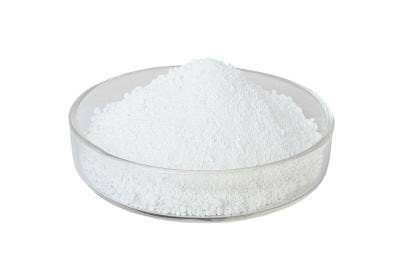
Mannitol is a white crystalline powder or granular solid. It is water-soluble, which affects how it behaves in both spill and wastewater scenarios, and it carries no hazardous classification under GHS. The property that matters most for treatment purposes is its combustibility as a fine dust, which is distinct from its otherwise benign chemical profile.
Step 2: Select Appropriate Treatment Agents
No neutralizing agent is required for mannitol, which simplifies treatment planning compared to acids or bases. Treatment depends instead on the physical form of the waste:
-
Inert absorbents, such as sand or vermiculite, for solid residue.
-
Dry vacuum collection for solid residue.
-
Controlled biological wastewater treatment for dilute aqueous waste, given mannitol's high biodegradability.
Step 3: Treatment Procedure
The treatment procedure follows a straightforward sequence designed around the dust hazard:
-
Collect spilled material by dry sweeping or vacuuming; avoid water jets that could raise dust or disperse product.
-
Place collected material in sealed, labeled containers for subsequent handling.
-
Keep ignition sources away from accumulated dust during the entire cleanup process.
Step 4: Monitor and Validate
Before disposal, confirm the waste stream is free of incompatible oxidizers or strong acids and bases, since contamination at this stage can introduce reactivity risks that mannitol itself does not carry. For aqueous waste, verify local wastewater discharge limits for biochemical and chemical oxygen demand if releasing dilute mannitol solutions to a treatment system, so that disposal stays within the facility's permitted discharge parameters.
Step 5: Waste Disposal
Dispose of mannitol in accordance with local and federal regulations. Mannitol is not classified as a CERCLA or RCRA hazardous substance, which affects how it can be categorized at the point of disposal. Small quantities may qualify for disposal as general solid waste, while larger volumes generated in production or laboratory settings require a licensed waste disposal contractor.
Safety Precautions During Treatment
-
Personal Protective Equipment: Wear safety glasses, chemical-resistant gloves, and a dust mask or respirator whenever handling mannitol powder.
-
Ventilation: Maintain adequate local exhaust or general ventilation in work areas to keep airborne dust concentrations below explosive levels.
-
Spill Response: For large spills, evacuate non-essential personnel before beginning cleanup. Eliminate ignition sources, use non-sparking tools, and avoid raising dust during containment.
-
Emergency Preparedness: Keep an eyewash station and safety shower within reach of any area where mannitol is handled. Have a dry chemical, CO2, or foam fire extinguisher on hand, and avoid water jet application on dust fires.
Special Considerations
Combustible Dust Hazard
Fine mannitol dust presents a dust explosion risk in confined or poorly ventilated spaces. This hazard is specific to the powder form and does not apply to mannitol in solution. Facilities should use grounded, non-sparking equipment and maintain routine housekeeping practices to prevent dust accumulation on surfaces.
Incompatible Materials
Keep mannitol segregated from strong oxidizing agents and strongly acidic or alkaline solutions throughout storage, handling, and treatment. Contact with these materials can produce hazardous decomposition products, including carbon monoxide and carbon dioxide, so segregation remains a standing requirement rather than a one-time precaution.
Conclusion
Treating mannitol safely comes down to managing its physical hazards rather than adjusting its chemistry. Dust containment, segregation from incompatible materials, and controlled disposal of both solid and aqueous waste are what keep facilities compliant and personnel safe, even though the compound itself poses minimal toxicity or environmental risk.
For more detailed guidance, explore our Resource Library.
Our Customer Care team is also available for more information and documentation, including chemical Safety Data Sheets.
Need Mannitol You Can Trust?
If you are looking for high-quality mannitol for your lab, product line, or research facility, be sure to visit our store to explore our trusted selection and request a quote.
As your trusted partner in chemical supply, Lab Alley is always striving to meet the growing demands of our customers. We want you to be able to access all of your chemical needs in one place, along with streamlined online ordering and fast shipping.
Due to popular demand from our valued clientele, Lab Alley's mannitol is available in a range of purities and packaging options to suit various commercial, laboratory, and personal needs.