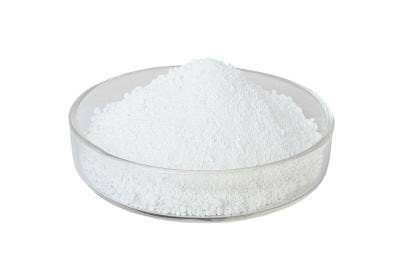






Mannitol Overview
Mannitol, also known as D-mannitol, mannite, or manna sugar, is a naturally occurring sugar alcohol derived from fructose. It plays a central role in pharmaceutical, food, and laboratory settings, where it serves as an osmotic diuretic, a sugar substitute, and a tableting excipient. Its chemical formula, C₆H₁₄O₆, and molar mass of 182.17 g/mol place it among the more established polyols in industrial and research use.
What sets mannitol apart from many other sugar alcohols is its low hygroscopicity paired with mild sweetness and reliable osmotic activity. These properties make it suited to applications that demand consistency under varying humidity and processing conditions, from direct-compression tablets to dry powder inhalers. Its compatibility with a wide range of formulations and processes has made it a standard reagent across laboratory and industrial workflows alike.
Multiple supplier safety data sheets do not classify mannitol as hazardous under GHS, reflecting a favorable safety profile for routine handling. It carries recognized regulatory standing through its food additive designation, E421, and its established use in USP-grade pharmaceutical and nutraceutical products. This combination of low hazard classification and broad regulatory acceptance supports its continued demand across food, pharmaceutical, cosmetic, and industrial markets.
Properties of Mannitol
Key Facts
-
Compound Name: Mannitol (D-Mannitol)
-
Synonyms/Common Names: Mannite, manna sugar, hexitol, D-(-)-mannitol, 1,2,3,4,5,6-hexanehexol; pharmaceutical brand name Osmitrol; food additive designation E421
-
Chemical Formula: C₆H₁₄O₆
-
CAS Number: 69-65-8 (D-mannitol, primary); 87-78-5 used for mannitol with unspecified stereochemistry
-
Molar Mass: 182.17 g/mol
-
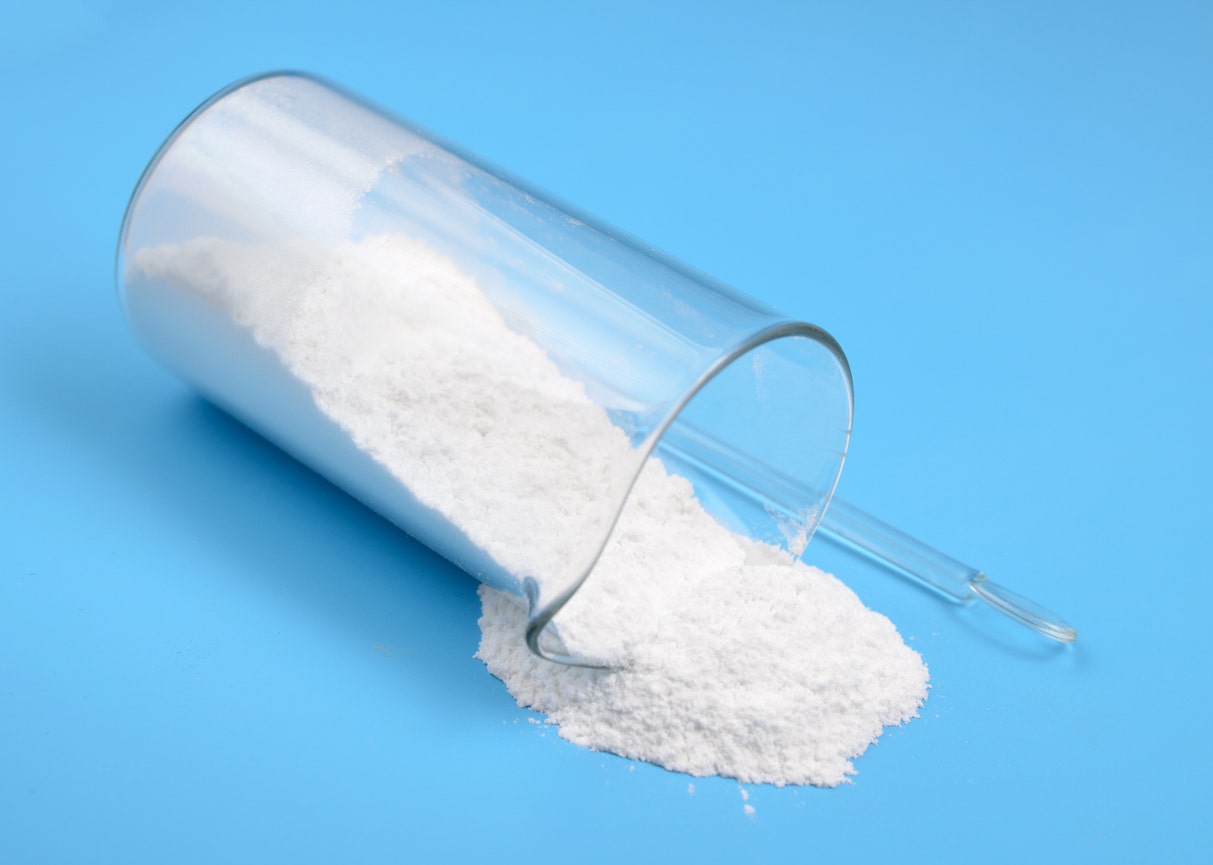
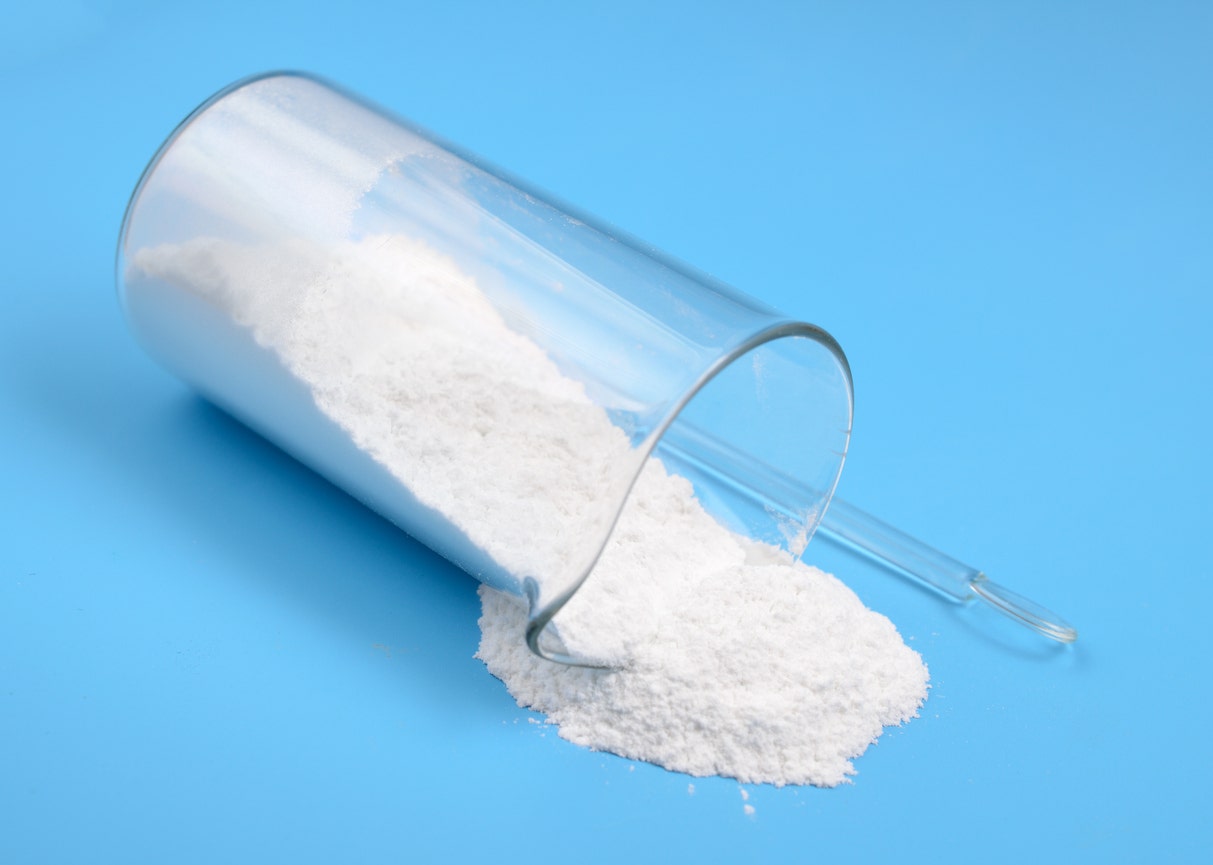
Appearance: White, odorless, crystalline powder or granules
Density and Behavior Relative to Water
Mannitol has a density of approximately 1.5 g/cm³ at 20°C, making it noticeably denser than water. In aqueous mixtures or spill scenarios, this means solid mannitol will sink rather than float, a relevant consideration for handling and cleanup planning.
Mannitol is a white, crystalline, non-hygroscopic sugar alcohol widely used in pharmaceutical, food, and laboratory applications. It functions as an osmotic diuretic, tableting excipient, and low-calorie sweetener in product and formulation contexts across these industries. U.S. laboratories and manufacturers sourcing mannitol by grade and purity contact Lab Alley at 512-668-9918 for product selection and ordering support.
Melting Point and Thermal Behavior
Mannitol melts between 166°C and 170°C (331°F to 338°F). Rather than boiling at atmospheric pressure, it decomposes at elevated temperatures, with decomposition reported near 290°C to 295°C under reduced pressure, so thermal processing above the melting range should account for degradation rather than vaporization.
Solubility in Water and Organic Solvents
Mannitol is freely soluble in water, dissolving to approximately 182 g/L at 20°C, which supports its use in aqueous pharmaceutical and food formulations. It is only slightly soluble in methanol and ethanol and is practically insoluble in ether, limiting its utility in nonpolar extraction or formulation systems.
pH Level in Aqueous Solution
Aqueous solutions of mannitol typically fall between pH 5.0 and 6.5. This near-neutral range makes it compatible with most formulation and process chemistries without requiring significant pH adjustment.
Reactivity and Stability
Mannitol is chemically stable under normal handling and storage conditions, and multiple supplier safety data sheets do not classify it as hazardous under GHS. As a fine powder, however, it is combustible and should be handled with dust-control measures in place. It is incompatible with strong oxidizers, strong reducing agents, and alkali metals, so storage and handling should keep it separated from these materials.
Mannitol from Lab Alley is available as a crystalline powder in grades suited to pharmaceutical, nutraceutical, and laboratory applications. Packaging ranges from small laboratory bottles to bulk industrial containers to support research, manufacturing, and commercial supply needs.
Common Uses & Applications
Industrial Applications
In industrial settings, mannitol serves as a chemical feedstock for resin and derivative synthesis, supporting downstream manufacturing processes that rely on its polyol structure. It is also used as an anti-sticking and dusting agent in manufacturing processes such as chewing gum production, where its non-hygroscopic nature prevents product from adhering to equipment and packaging. These properties make it a practical processing aid wherever moisture control and surface handling are concerns.
Scientific and Laboratory Uses
Laboratories rely on mannitol as a component of mannitol salt agar used in bacteriological culture work, where it supports selective and differential testing. It also functions as an osmotic agent in plant physiology and cell biology research, helping researchers control osmotic pressure in experimental systems. Beyond these roles, it serves as a reference standard in chromatography and analytical testing, supporting method calibration and validation.
Specialized Applications
In pharmaceutical formulation, mannitol is used as an osmotic diuretic and as an excipient in tablets and dry powder inhalers, where its stability and low hygroscopicity support consistent manufacturing outcomes. In food production, it functions as a low-calorie bulk sweetener under its E421 designation and as an anti-caking agent. The cosmetics industry uses it as a humectant and skin-conditioning agent, drawing on its moisture-related properties in topical formulations.
Safety & Handling
Hazards and Precautions
Mannitol is not classified as hazardous under GHS or CLP by multiple supplier safety data sheets, reflecting its generally low-risk profile. It may still cause mild, transient skin or eye irritation on contact, and fine dust generated during handling can irritate the respiratory tract. Bulk handling of mannitol powder also carries a combustible dust hazard, so standard dust-control practices should be observed during transfer and processing.
Personal Protective Equipment
Routine handling calls for safety glasses or goggles and chemical-resistant gloves, such as nitrile, to protect against incidental skin and eye contact. When working with bulk powder in poorly ventilated areas, a dust mask or respirator is recommended to limit inhalation of fine particulate. These precautions align with the low but real irritation and dust-related risks associated with the material.
Storage Guidelines
Mannitol should be stored in a tightly closed container in a cool, dry location to maintain product quality. Its low hygroscopicity limits moisture uptake compared to many other polyols, but containers should still be protected from humidity to prevent caking or quality loss over time. Storage areas should also keep mannitol away from strong oxidizers, consistent with its known incompatibilities.
Spill and Disposal Procedures
Spilled mannitol should be swept up and collected in a suitable container, with care taken to avoid generating airborne dust during cleanup. Disposal should follow applicable local, state, and federal regulations for the facility handling the material. Mannitol is not listed as RCRA hazardous waste, which simplifies disposal planning relative to many regulated chemical products.
Mannitol Grades and Pack Sizes
Lab Alley supplies mannitol in a USP grade formulated for pharmaceutical, nutraceutical, and general laboratory use, with an assay range of 97.0 percent to 102.0 percent.
Available Grades & Concentrations
- USP Grade (97.0 to 102.0 percent assay) for pharmaceutical, nutraceutical, and general laboratory use
Pack Sizes & Industrial Availability
-
Laboratory bottles: 500 g and 1 lb for lab-scale use
-
Commercial containers: 1 kg, 2.5 kg, and 12.5 kg for standard operations
-
Industrial/bulk: 25 kg and 50 lb for high-volume applications
Because mannitol is not classified as hazardous under GHS, it is not subject to the special HAZMAT shipping requirements that apply to many regulated chemicals, supporting straightforward ground and air transport. For pricing, certificates of analysis, or help selecting the right pack size, contact Lab Alley directly to speak with a product specialist.
FAQs
What is mannitol and how is it produced?
What are the potential side effects of mannitol exposure?
How should mannitol be stored to prevent degradation?
Mannitol should be kept in a tightly sealed container in a cool, dry area to preserve product quality. Its naturally low hygroscopicity limits moisture absorption when containers are properly sealed, reducing the risk of caking or clumping over time. Keeping it away from strong oxidizers during storage also helps maintain stability. These practices extend shelf life and preserve the material's handling characteristics.
Does mannitol have an expiration date?
How does mannitol differ from sorbitol?
Mannitol and sorbitol are both six-carbon sugar alcohols sharing the same chemical formula, but they differ in the spatial orientation of their hydroxyl groups. Mannitol is non-hygroscopic, which gives it an advantage in applications sensitive to moisture uptake, such as tablet manufacturing. Sorbitol, by contrast, is hygroscopic and tends to absorb moisture more readily. Mannitol is also less sweet than sorbitol, which influences formulation choices in food and pharmaceutical products.