




How to Safely Dispose of Mannitol
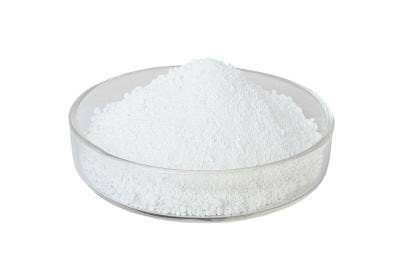
Mannitol is a sugar alcohol used in pharmaceutical formulations, food production, and industrial processing, and although it isn't classified as hazardous, disposal still requires attention. Its high solubility in water means careless discharge can send it directly into wastewater systems, even though the compound itself presents low toxicity to aquatic organisms.
What separates mannitol from a truly inert waste material is the handling context rather than the chemical itself. Facilities generating mannitol waste in bulk, in solution, or in combination with other process chemicals need to confirm which disposal pathway applies, since quantity, purity, and contamination status all affect the correct method.
Production facilities, compounding pharmacies, food manufacturers, and analytical laboratories each encounter mannitol waste streams that differ in volume and composition, which is why a uniform disposal answer does not apply across every setting.


In this article, we'll cover:
-
Why Proper Disposal Matters
-
How to Dispose of Mannitol
-
Special Considerations
Why Proper Disposal Matters
Environmental Protection
Mannitol's solubility allows it to move readily through soil and water once released, which is the main environmental concern tied to its disposal. Safety data sheets consistently direct against allowing the compound to enter sewers, storm drains, or surface water, even though no acute toxicity to aquatic organisms is expected at typical concentrations. The precaution exists because mobility in water, not inherent toxicity, is what drives the recommendation to keep mannitol out of uncontrolled waterways.
Health & Safety
Mannitol has a favorable toxicity profile, with an oral LD50 in rats of approximately 13,500 mg/kg, placing it well outside the range of acute concern. The practical risk during disposal comes from dust generated while handling bulk powder, which can irritate the skin, eyes, or respiratory tract on contact. Minimizing dust formation during transfer and packaging addresses most of the handling risk this chemical presents.
Legal Compliance
Mannitol is not classified as an RCRA hazardous waste under 40 CFR 261, which simplifies disposal relative to many industrial chemicals. That classification does not eliminate regulatory obligations, since federal, state, and local solid waste rules still govern how the material must be discarded. Facilities should treat the non-hazardous designation as a starting point rather than a blanket exemption from oversight.
How to Dispose of Mannitol
Check Regulations
Before discarding mannitol waste, confirm that the non-hazardous classification actually applies to the specific stream in question, particularly if the material has been mixed with other substances during use. Local and state solid waste requirements vary, so verifying applicable rules in advance prevents disposal methods that are compliant in one jurisdiction but restricted in another.
Use Designated Waste Disposal Methods
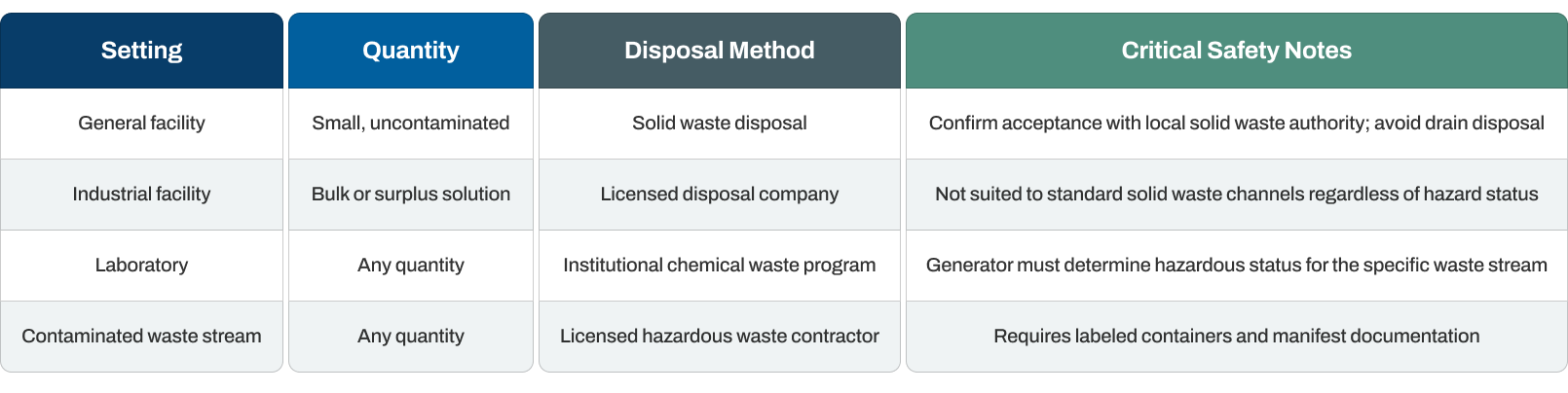
The appropriate disposal method for mannitol depends heavily on the setting it originates from and whether the material remains uncontaminated.
Non-Hazardous Disposal
Clean, uncontaminated mannitol in smaller quantities can typically be disposed of as solid waste, consistent with guidance found across manufacturer safety data sheets. Confirming this with the local solid waste authority before proceeding is still advisable, since acceptance criteria differ between municipalities. Direct discharge to drains or sewers should be avoided regardless of quantity.
Hazardous Waste Disposal
When mannitol has been contaminated by other hazardous substances or combined with regulated waste streams, it no longer qualifies for standard solid waste disposal. In these cases, the material must be placed in properly labeled containers and handled through a licensed waste contractor, with manifest documentation completed to track the waste from generation through final disposal.
Industrial Quantities
Bulk mannitol waste, including surplus solutions that cannot be reclaimed or recycled, should be routed to a licensed disposal company rather than discharged through standard waste channels. This applies even though the material itself is non-hazardous, since the volume involved typically exceeds what general solid waste systems are designed to accommodate.
Laboratory & Institutional Waste
Laboratory and institutional generators should route mannitol waste through their existing chemical waste program rather than treating it as an exception. Each generator carries responsibility for determining the hazardous status of their specific waste stream, since contamination, mixture with other reagents, or process-specific factors can change the classification from the baseline non-hazardous status.
Never Mix Chemicals
Mannitol should not be combined with strong oxidizing agents during storage or disposal. In solution, it can also form complexes with metals such as aluminum, copper, and iron, so waste streams containing these metals warrant a compatibility check before combining them with mannitol waste.
Follow PPE Guidelines
Standard handling calls for chemical-resistant gloves, either nitrile or rubber, along with safety glasses or chemical splash goggles. When working with bulk powder, a dust respirator is appropriate given the irritation risk associated with airborne particles. Standard ventilation is sufficient for most disposal tasks, with the main precaution being attention to dust generation during transfer and packaging.
Special Considerations
Household/Small Quantities
Several manufacturer safety data sheets indicate that small quantities of mannitol may be disposed of with general solid waste. This guidance should be confirmed against local jurisdiction rules before being applied, since acceptance of chemical materials in household waste streams is not universally consistent.
Documentation
Routine non-hazardous disposal of mannitol does not require a hazardous waste manifest. This stands in contrast to RCRA-regulated waste streams, where documentation tracking the waste from generation to disposal is mandatory regardless of quantity.
Conclusion
Mannitol's non-hazardous classification simplifies disposal relative to many industrial chemicals, but it does not remove the need for careful handling. Confirming local regulations, keeping the material out of waterways, and matching the disposal method to quantity and contamination status are the core practices that keep disposal compliant.
Facilities that route mannitol waste through the correct channel, whether that is standard solid waste, a licensed contractor, or an institutional chemical waste program, avoid the regulatory exposure that comes from treating a non-hazardous material as entirely unregulated.
For more detailed guidance, explore our Resource Library
Our Customer Care team is also available for more information and documentation, including chemical Safety Data Sheets.
Need Mannitol You Can Trust?
If you are looking for high-quality mannitol for your lab, product line, or research facility, be sure to visit our store to explore our trusted selection and request a quote.
As your trusted partner in chemical supply, Lab Alley is always striving to meet the growing demands of our customers. We want you to be able to access all of your chemical needs in one place, along with streamlined online ordering and fast shipping.
Due to popular demand from our valued clientele, Lab Alley's mannitol is available in a range of purities and packaging options to suit various commercial, laboratory, and personal needs.