





How to Store Mannitol
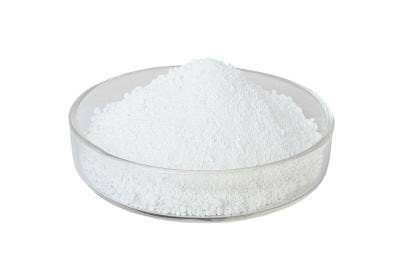
Mannitol is a sugar alcohol widely used across pharmaceutical, food, and laboratory settings, most commonly supplied as a fine white crystalline powder. It is chemically stable and not classified as hazardous under current OSHA or GHS criteria, which means its storage risks come less from toxicity and more from how the material behaves as a fine powder: moisture pickup at high humidity and the combustible dust hazard that builds when powder is handled or transferred in bulk.
Mannitol is available in multiple grades, including USP, NF, EP, food, and technical grades. While the core storage conditions for temperature, humidity, and sealing apply broadly across grades, pharmaceutical-grade lots carry additional documentation requirements, specifically a certificate of analysis, that distinguish them from other grades.
Getting storage right protects product quality over time and keeps handling areas compliant with the dust-control practices that apply to combustible powders. The sections below cover the conditions, packaging, compatibility, handling, and regulatory points relevant to storing mannitol safely.


In this article, we'll review:
-
Recommended Storage Conditions
-
Container & Packaging Requirements
-
Segregation & Compatibility
-
Safe Handling in Storage Areas
-
Regulatory Compliance & Labeling
Recommended Storage Conditions
Temperature
Mannitol should be kept at controlled room temperature, between 15 and 30°C (59 to 86°F), to maintain its physical and chemical stability. Some grades specify a tighter range of 20 to 25°C, so it's worth checking the certificate of analysis or supplier documentation for the specific lot in storage.
Humidity Control
Mannitol has low hygroscopicity below roughly 60% relative humidity, meaning it resists moisture uptake under normal ambient conditions. Above that threshold, moisture absorption increases and can lead to caking or clumping of the powder. Containers should remain tightly sealed at all times to limit the material's exposure to humid air.
Ventilation
Storage areas should be dry and well ventilated. Because mannitol is non-volatile, ventilation in this context is primarily about limiting the accumulation of airborne powder dust rather than managing vapor buildup.
Storage Duration
Manufacturers report an extended shelf life for mannitol when it remains in unopened, properly sealed containers. Once a container has been opened, personnel should periodically check the material for clumping, caking, or an off odor, as these are the primary indicators of moisture contamination.
Container & Packaging Requirements
Compatible Materials
Mannitol is commonly stored in high-density polyethylene (HDPE) containers, polyethylene-lined fiber drums, or glass. Materials that are prone to generating or accumulating static charge should be avoided, since mannitol's combustible dust classification makes static buildup a relevant ignition concern during storage and handling.
Sealing Requirements
Containers should be tightly closed and resistant to moisture intrusion. After each use, personnel should reseal the container promptly rather than leaving it open between dispensing events, since even brief exposure to humid air can begin the moisture uptake process described above.
Labeling Requirements
Every container should carry a GHS-compliant label that includes the lot number, the specific grade (USP, NF, food, or technical), the CAS number 69-65-8, and both the manufacture and expiration dates. Complete labeling supports traceability across the supply chain and makes it easier to verify a lot's status at a glance.
Segregation & Compatibility
Incompatible Substances
Mannitol should be stored away from the following:
-
Strong oxidizing agents
-
Strong acids
-
Strong bases
Keeping these materials physically separated during storage reduces the likelihood of unwanted reactions.
Storage Grouping
Mannitol can be kept within general chemical storage areas and does not require a specialized compatibility cabinet, since it is not classified as hazardous. Standard practice still calls for keeping it apart from the incompatible substances noted above.
Flammability & Reactivity Precautions
Mannitol powder is classified as a combustible dust, falling into a weak explosion class (St 1). Storage areas should keep the material away from ignition sources, control static buildup, and minimize the amount of airborne dust generated during handling.
Safe Handling in Storage Areas
PPE Requirements
Personnel handling mannitol in storage areas should wear chemical-resistant gloves, safety goggles, and a dust mask or respirator. Respiratory protection is particularly relevant when opening containers or transferring powder, since inhalation of fine particulates is the main handling concern with this material.
Transfer & Dispensing
Dust generation should be minimized during any transfer or dispensing activity. For bulk powder transfers, grounding and bonding equipment should be used to control static buildup, consistent with mannitol's combustible dust classification.
Spill Containment
Spilled powder should be collected using dust-minimizing methods, with a HEPA vacuum preferred over dry sweeping, which can raise fine particulates into the air. Collected material should be placed in an appropriate waste container.
Emergency Equipment
Storage and handling areas should have access to an eyewash station and safety shower. For fires involving this material, dry chemical, carbon dioxide, or water spray extinguishers are suitable options.
Regulatory Compliance & Labeling
OSHA Regulations
Mannitol is not classified as hazardous under 29 CFR 1910.1200. OSHA's combustible dust precautions still apply to bulk powder handling, meaning facilities should incorporate standard dust-control practices even though the chemical itself carries no hazard classification.
GHS Requirements
Mannitol is not classified as a hazardous substance under GHS, and reviewed safety data sheets do not require mandatory hazard pictograms.
DOT
Mannitol is not classified as a hazardous substance under GHS, and reviewed safety data sheets do not require mandatory hazard pictograms.
Industry-Specific Compliance
Mannitol is available in USP, NF, EP, and food grades, and pharmaceutical-grade lots require a certificate of analysis (COA).
SDS Requirements
A current safety data sheet should be maintained on file and kept accessible at the storage location.
Conclusion
Mannitol's storage needs center on controlling moisture and managing the combustible dust risk inherent to fine powders, since the material itself is not classified as hazardous under OSHA or GHS. Controlled room temperature, tightly sealed containers, and standard dust-control precautions during handling are enough to protect the material through its shelf life.
Consistent labeling and up-to-date documentation, particularly the certificate of analysis required for pharmaceutical-grade lots, round out a compliant storage program. Following these conditions keeps mannitol stable and keeps storage areas aligned with the regulatory and handling expectations that apply to it.
For more detailed guidance, explore our Resource Library.
Our Customer Care team is also available for more information and documentation, including chemical Safety Data Sheets.
Need Mannitol You Can Trust?
If you are looking for high-quality mannitol for your lab, product line, or research facility, be sure to visit our store to explore our trusted selection and request a quote.
As your trusted partner in chemical supply, Lab Alley is always striving to meet the growing demands of our customers. We want you to have all your chemical needs in one place, with streamlined online ordering and fast shipping.
Due to popular demand from our valued clientele, Lab Alley's mannitol is available in a range of purities and packaging options to suit various commercial, laboratory, and personal needs.