





Types of Mannitol
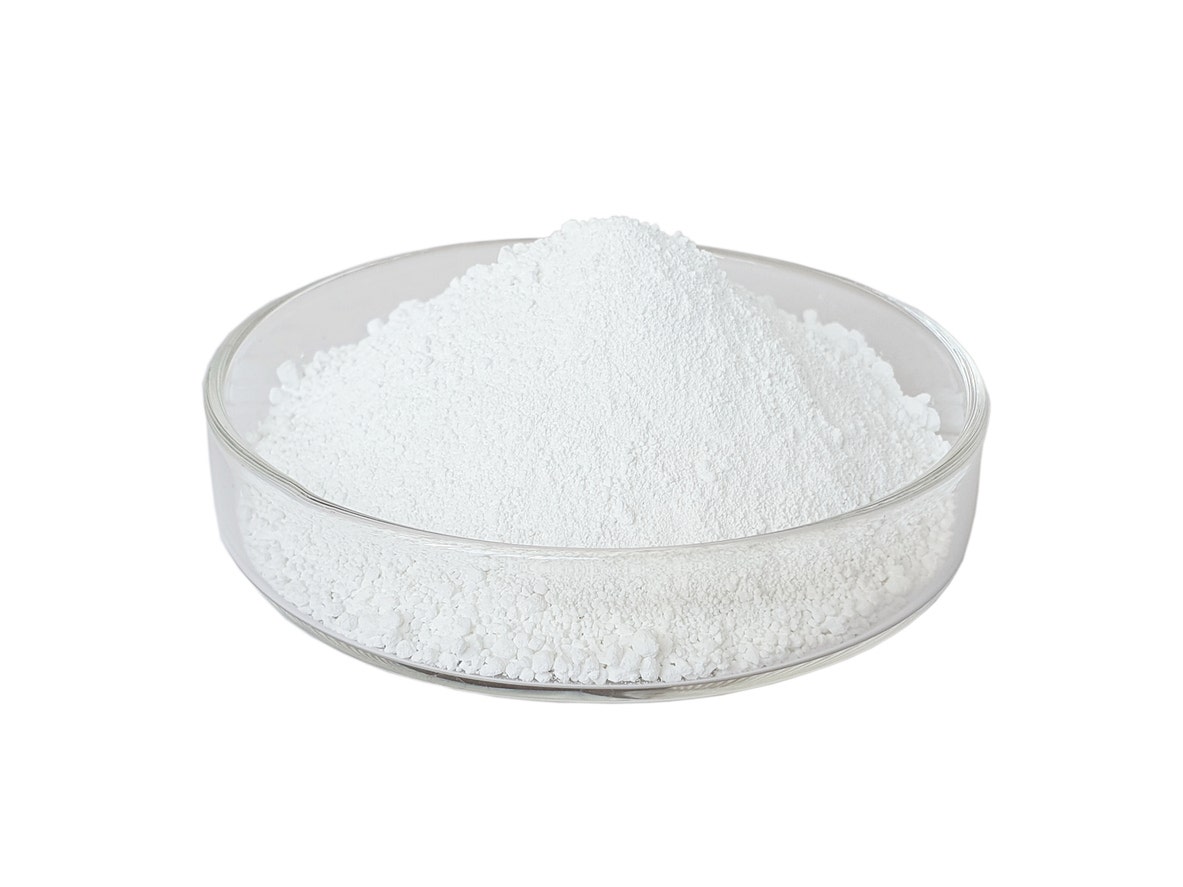
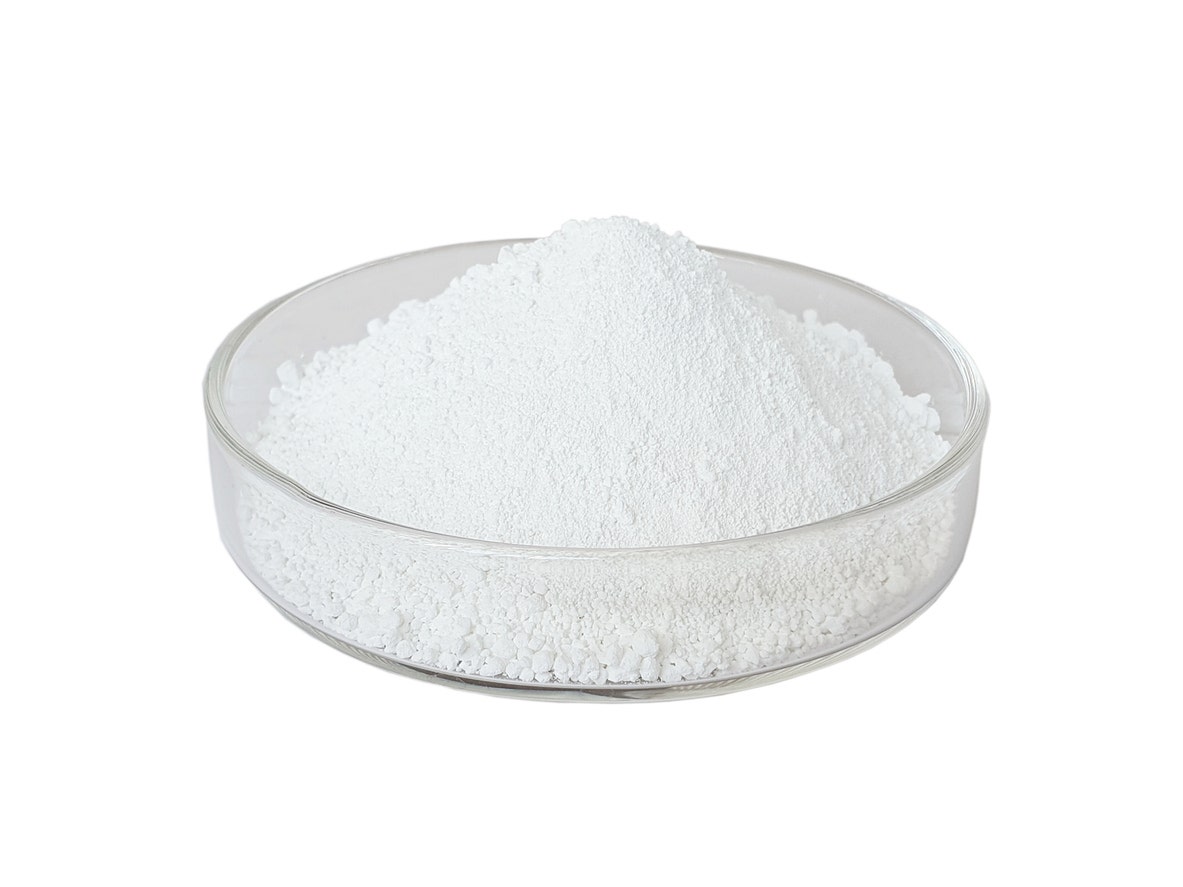
Mannitol, also known as D-mannitol, is a sugar alcohol with the molecular formula C6H14O6 and CAS number 69-65-8. It occurs naturally in plants and fungi but is produced commercially through the catalytic or electrolytic reduction of fructose and glucose, yielding a white crystalline powder or free-flowing granules with a mild sweet taste. Because mannitol serves such different purposes across food, pharmaceutical, cosmetic, laboratory, and industrial applications, manufacturers produce it in multiple grades, purity levels, and physical forms to meet each sector's requirements.
Choosing the right type of mannitol matters because grade determines both performance and regulatory standing. A pharmaceutical tablet formulator needs a specific crystalline polymorph for consistent compressibility, while a food manufacturer needs FCC compliance and a documented GRAS status, and a laboratory needs analytical-grade purity for reliable calibration. Buyers should weigh intended use, required assay and purity specifications, applicable certifications, and physical form before selecting a supplier or product line.
In this article, we'll explore:
-
Common Grades & Purities
-
Certifications & Standards
-
Chemical Forms & Variants
-
Applications Based on Type
-
How to Choose the Right Type
Common Grades & Purities
Food Grade (FCC)
Food-grade mannitol is listed under INS 421 and meets Food Chemicals Codex specifications for use as a sugar-free sweetener, anti-caking agent, and formulation aid. It appears in chewing gum, hard candy, and other sugar-free products where its low hygroscopicity and non-cariogenic properties are valued.
Pharmaceutical Grade (USP/NF, BP/DAB)
Pharmaceutical-grade mannitol carries an assay typically ranging from 96.0 to 101.5 percent under USP standards, or 97.0 to 102.0 percent on a dried basis under other compendial references. It is used as a tablet and capsule excipient, a diluent in parenteral formulations, and an intravenous osmotic diuretic.
ACS/Reagent Grade
Reagent-grade mannitol offers analytical-level purity suited for laboratory use. It functions as a calibration standard and quality-control reference in pharmaceutical and food testing environments.
Technical/Industrial Grade
Technical-grade mannitol is produced to a lower purity threshold intended for non-ingestible manufacturing applications. Common uses include electrolytic capacitor solutions and as a raw material in polyurethane foam synthesis.
Certifications & Standards
GRAS Certification
Mannitol holds Generally Recognized as Safe status for food use in the United States at intakes up to 20 grams per day without additional labeling requirements. Products capable of delivering mannitol at levels that may cause a laxative effect must carry a cautionary statement on the label.
Kosher & Halal
Many manufacturers serving the food and pharmaceutical markets offer mannitol with Kosher and Halal certification. Buyers sourcing for these markets should confirm certification documentation directly with their supplier.
REACH / RoHS Compliance
D-mannitol, listed under EC number 200-711-8, is a REACH-registered substance under the European Chemicals Agency. This registration supports its use and distribution within the European Union.
Chemical Forms & Variants
Mannitol is available in more than one physical form, and the right choice depends on how the end product will be formulated, stored, or administered.
Liquid vs. Solid Forms
The most common form is a white crystalline powder or free-flowing granules, which suits dry blending, tableting, and food formulation. Mannitol is also supplied as aqueous injection solutions, typically ranging from 10 to 25 percent USP mannitol injection, for parenteral clinical use.
Concentration Variants
Pharmaceutical injection solutions are manufactured in fixed concentration bands, commonly 10, 15, 20, and 25 percent. Each concentration corresponds to a specific clinical dosing application, so selecting the correct strength is essential for formulators working in this space.
Optical or Structural Isomers
Commercially available mannitol is the D-mannitol stereoisomer. Separately, mannitol crystallizes into three distinct polymorphic forms, alpha, beta, and delta, with beta being the thermodynamically stable form favored for direct-compression excipient grades, while delta offers superior compressibility in certain tableting processes.
Applications Based on Type
Food & Beverage
Food or FCC-grade mannitol is the standard choice for sugar-free gum, candy, and other confections. Its non-cariogenic profile and anti-caking performance make it well suited to this category.
Pharmaceutical & Healthcare
USP or Ph. Eur. grade mannitol, particularly in its beta-polymorph form, serves as a tablet filler and binder for direct compression. It also functions as a freeze-drying excipient for biologic formulations and as an osmotic diuretic in intravenous use.
Cosmetics & Personal Care
Food or cosmetic-grade mannitol works as a humectant, moisturizer, and texturizing agent in skin and hair care formulations. Its anti-caking properties also benefit powdered cosmetic products.
Laboratory & Analytical
ACS or reagent-grade mannitol is the appropriate choice for calibration and quality-control testing in pharmaceutical and food laboratories. Its consistent, documented purity supports reliable analytical results.
Industrial & Manufacturing
Technical-grade mannitol supports applications such as electrolytic capacitor solutions and serves as a raw material in polyurethane foam and mannitol oleate synthesis. These uses do not require food or pharmaceutical-grade purity.
How to Choose the Right Type
Selecting the correct type of mannitol comes down to matching grade, certification, and physical form to the specific demands of the application.
Match Grade to Application
Determine first whether the end use is ingestible or injectable, which requires USP or FCC compliance, or industrial, where technical grade is sufficient. This distinction narrows the field before any other selection criteria come into play.
Verify Required Certifications
Confirm that Kosher, Halal, or REACH documentation is available from the supplier when the target market requires it. Certification gaps discovered late in a supply chain can delay product launches.
Select Appropriate Concentration or Form
For pharmaceutical use, match the solution concentration to the clinical or formulation specification being developed. For tableting, match the polymorph to the intended compression method, whether direct compression or wet granulation.
Consider Optical or Structural Purity
For excipient applications, confirm the beta or delta polymorph content before finalizing a formulation, since polymorphic form directly affects tablet hardness and disintegration behavior.
Common Mistakes
Buyers often assume mannitol grades are interchangeable for tableting without verifying polymorphic form, which can lead to inconsistent compression results. Another frequent error is substituting food or industrial-grade material into pharmaceutical formulations without the required USP or NF documentation, risking both product performance and regulatory compliance.
Key Takeaways
Mannitol's value lies in its versatility, but that same versatility means no single grade or form fits every application. Matching food, pharmaceutical, reagent, or technical grade to the intended use, confirming the certifications a given market requires, and verifying the correct concentration or crystalline form are the steps that separate a reliable sourcing decision from a costly formulation error.
For more detailed guidance, explore our Resource Library.
Our Customer Care team is also available for more information and documentation, including chemical Safety Data Sheets.
Find Mannitol You Can Trust
If you are looking for high-quality mannitol for your lab, product line, or research facility, be sure to visit our store to explore our trusted selection and request a quote.
As your trusted partner in chemical supply, Lab Alley is always striving to meet the growing demands of our customers. We want you to be able to access all of your chemical needs in one place, along with streamlined online ordering and fast shipping.
Due to popular demand from our valued clientele, Lab Alley's mannitol is available in a range of purities and packaging options to suit various commercial, laboratory, and personal needs.