




How to Safely Dispose of Methanol
Methanol is a highly flammable, toxic solvent used across industrial, laboratory, and institutional settings, and its disposal cannot be treated like an ordinary waste solvent. Pouring it down a drain, tossing a container in the trash, or storing it without proper labeling creates real risk of fire, chemical exposure, and regulatory violation.
What makes methanol disposal demanding is the overlap of three hazard profiles at once: it ignites easily at low temperatures, it is acutely toxic through ingestion, inhalation, and skin contact, and it is federally classified as a hazardous waste under RCRA. Facilities that generate methanol waste, whether from production processes, quality control testing, or general lab use, need a disposal process that accounts for all three before any waste leaves the building.


In this article, we'll cover:
-
Why Proper Disposal Matters
-
How to Dispose of Methanol
- Flammability & Static Dischard Hazards
-
Special Considerations
Why Proper Disposal Matters
Environmental Protection
Methanol's high solubility in water means a spill or an improper discharge does not stay contained. It moves quickly through soil and into groundwater, carrying contamination well beyond the original release point. Large or concentrated releases can affect nearby water sources and trigger reporting obligations under CERCLA once they reach the federal reportable quantity threshold.
Health & Safety
Methanol poses a toxicity risk that many solvents do not. Inhaling vapors causes headache, dizziness, and central nervous system depression, while ingesting as little as 10 mL can cause permanent blindness, and larger amounts can be fatal. The same vapors that create a health hazard are also flammable, so disposal handling introduces a fire and explosion risk alongside the toxic exposure risk.
Legal Compliance
Methanol disposal sits under several overlapping regulatory frameworks. RCRA lists it as ignitable hazardous waste under code U154, and spent methanol used as a solvent carries the F003 listing as well. CERCLA reportable quantity rules, Clean Water Act discharge restrictions, and state or local hazardous waste programs all apply on top of these federal listings, so compliance requires checking more than one rulebook before disposal begins.
How to Dispose of Methanol
Check Regulations
Federal regulation under 40 CFR 261.21 classifies methanol as ignitable hazardous waste (U154), and methanol used as a solvent and then discarded is additionally F003-listed. Generator status, whether VSQG, SQG, or LQG, is determined by the volume of hazardous waste produced each month, and that status sets the accumulation time limits, labeling requirements, and reporting duties a facility must follow.
Use Designated Waste Disposal Methods
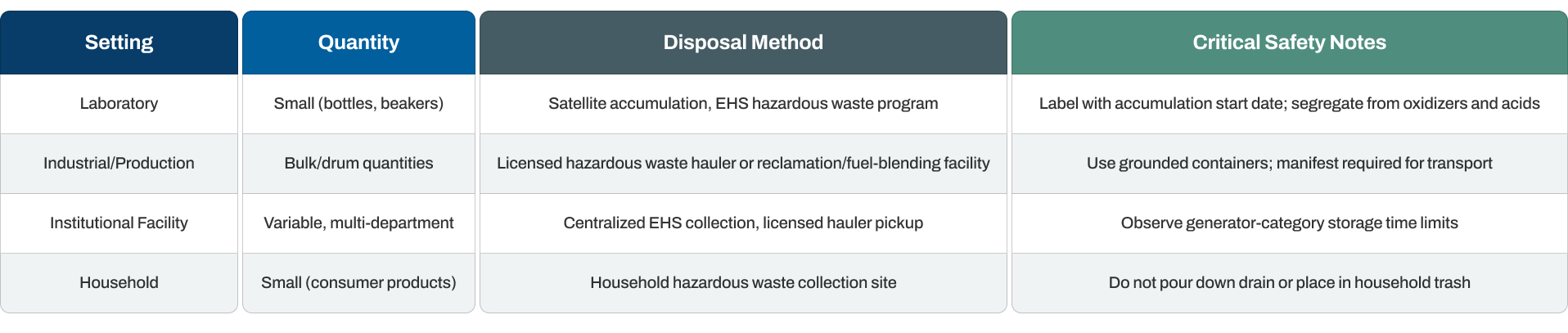
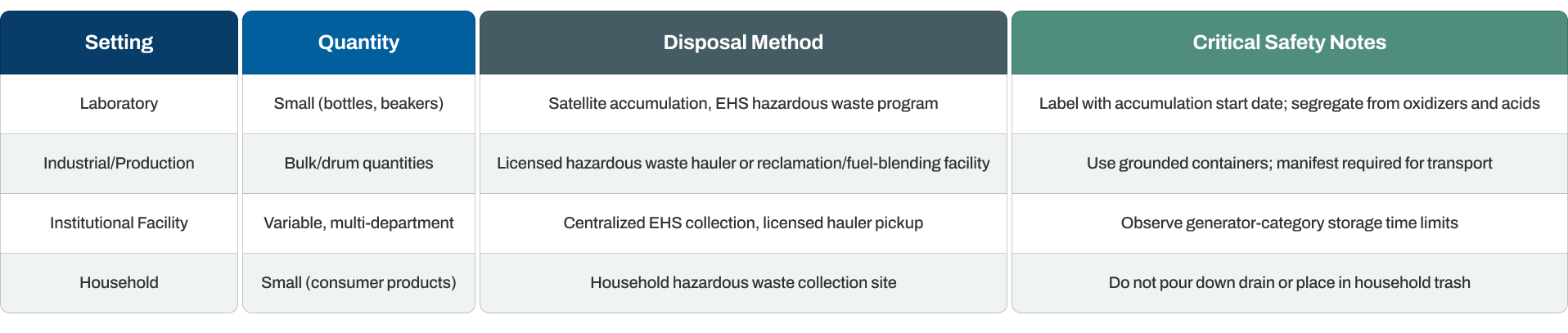
The right disposal pathway depends on the setting and the quantity involved, and methanol's hazardous classification narrows the options considerably compared to non-regulated solvents.
Non-Hazardous Disposal
Drain or sewer disposal is generally off the table for methanol. Its RCRA hazardous classification and Clean Water Act pretreatment limits mean even dilute solutions require written approval from the local wastewater authority before any discharge, and that approval should never be assumed.
Hazardous Waste Disposal
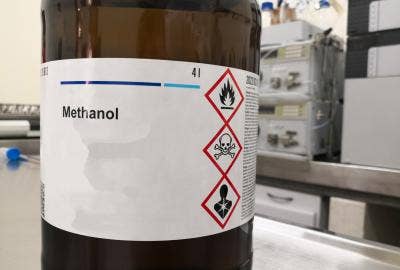
Methanol waste should be collected in grounded, properly labeled containers marked "Hazardous Waste: Methanol: Flammable" and held in a designated accumulation area. From there, a licensed hazardous waste hauler transports it under a Uniform Hazardous Waste Manifest, which documents the waste from generation through final disposal.
Industrial Quantities
Facilities generating methanol waste in bulk often have a more cost-effective option than straight disposal. Licensed facilities can reclaim it through distillation or route it to fuel-blending and incineration operations, since methanol's high BTU value makes it useful as a supplemental fuel source. Both options reduce the volume that needs formal disposal.
Laboratory & Institutional Waste
Lab and institutional generators typically route methanol waste through their EHS hazardous waste program rather than managing it independently. Waste should be segregated in a satellite accumulation area and labeled with the date accumulation began, and the applicable generator category determines how long it can sit before pickup.
Never Mix Chemicals
Methanol reacts violently, and in some cases explosively, with strong oxidizers, strong acids, strong bases, acid anhydrides, and acid chlorides, so these should never share a waste container or storage space with it. Reactive metals such as lead, aluminum, zinc, and alkali metals present a similar danger, generating gas or exothermic reactions on contact.
Follow PPE Guidelines
Flammability & Static Discharge Hazards
Flammability & Static Discharge Hazards
Low Flash Point
With a flash point of approximately 52°F (11°C), methanol qualifies as a Class IB flammable liquid. It ignites readily from heat, sparks, or open flame, which makes ignition sources a constant concern anywhere it is being transferred or stored for disposal.
Static Discharge Risk
Methanol vapors are heavier than air and tend to travel along surfaces toward potential ignition sources rather than dispersing upward. Bonding and grounding containers during transfers, along with using explosion-proof equipment, helps prevent a static discharge from igniting those vapors.
Fire Response
A methanol fire should never be fought with a plain water stream, since that can spread the burning liquid rather than extinguish it. CO2, dry chemical, or alcohol-resistant foam are the appropriate extinguishing agents.
Special Considerations
Concentration-Dependent Classification
Aqueous solutions containing less than 24% methanol, with more than 50% water, may qualify for the RCRA aqueous alcohol exclusion from the ignitability characteristic. That exclusion does not end the analysis, though: the solution still needs evaluation against other hazardous waste characteristics and local discharge limits before disposal.
Household Quantities
Small amounts of methanol in household products, such as windshield washer fluid, are generally exempt from RCRA under the household waste exemption. That exemption is not an invitation to pour them down the drain or into the trash; a household hazardous waste collection site remains the appropriate destination.
Spill/Release Documentation
A release at or above the CERCLA reportable quantity of 5,000 lbs requires notification to the National Response Center, the relevant state agency, and the local fire department. Documentation of the incident and the response should be kept on file regardless of whether the threshold is met.
Conclusion
Safe methanol disposal comes down to recognizing that it carries three hazards at once: flammability, toxicity, and a federal hazardous waste classification. Matching the disposal method to the setting, whether that means a licensed hazardous waste hauler, a reclamation facility, or a household collection site, keeps a facility on the right side of RCRA, CERCLA, and Clean Water Act requirements.
Careful container labeling, proper PPE, and strict separation from incompatible chemicals round out a disposal process that protects both workers and the surrounding environment.
For more detailed guidance, explore our Resource Library
Our Customer Care team is also available for more information and documentation, including chemical Safety Data Sheets.
Need Methanol You Can Trust?
If you are looking for high-quality methanol for your lab, product line, or research facility, be sure to visit our store to explore our trusted selection and request a quote.
As your trusted partner in chemical supply, Lab Alley is always striving to meet the growing demands of our customers. We want you to be able to access all of your chemical needs in one place, along with streamlined online ordering and fast shipping.
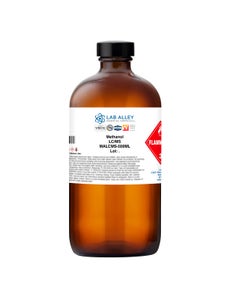
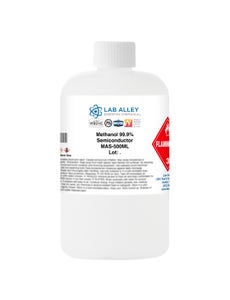
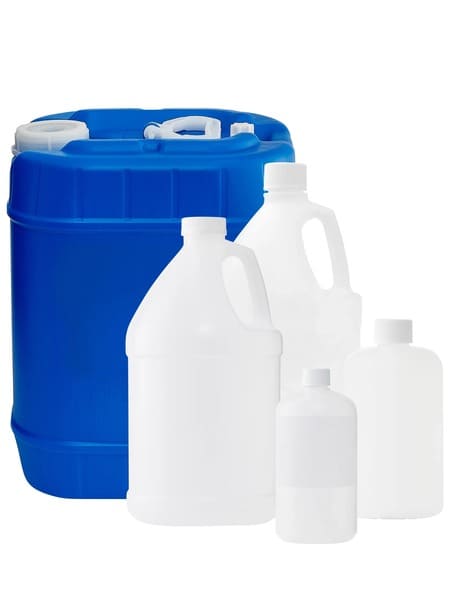
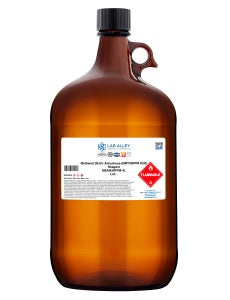
Due to popular demand from our valued clientele, Lab Alley's methanol is available in a range of purities and packaging options to suit various commercial, laboratory, and personal needs.