





How to Store Methanol
Methanol is a colorless, volatile liquid alcohol classified as a Class IB flammable liquid under NFPA and OSHA standards. It also carries significant toxicity risks through inhalation, skin contact, and ingestion. This combination, a low flash point paired with high toxicity, makes it unlike many other common solvents and requires storage decisions that account for both hazards simultaneously.
Proper storage is not simply a matter of keeping methanol in a sealed container. Its classification as a Class IB flammable liquid means that ventilation, electrical equipment, and container selection must all account for the narrow temperature range in which its vapors become explosive. At the same time, its hygroscopic nature means that even a well-sealed but improperly maintained container can allow product quality to degrade over time.


In this article, we'll review:
-
Recommended Storage Conditions
-
Container & Packaging Requirements
-
Segregation & Compatibility
-
Safe Handling in Storage Areas
-
Regulatory Compliance & Labeling
- Environmental & Safety Considerations
Recommended Storage Conditions
Temperature
Methanol should be stored at room temperature in a cool, well-ventilated area. Its flash point of 52°F (11°C) is low enough that even modest temperature increases can raise vapor pressure and elevate fire risk inside a storage container or room. Freezing is not a practical concern given methanol's freezing point of -144°F (-97.6°C), so cold storage conditions pose no structural risk to the liquid itself.
Humidity Control
Methanol is hygroscopic, meaning it readily absorbs moisture from the surrounding air. This moisture uptake can alter concentration and purity over time, which matters for applications that depend on a specific grade. Containers must remain tightly sealed at all times to prevent atmospheric exposure and protect product integrity.
Light Exposure
Direct sunlight should be avoided during storage, primarily because of the heat it introduces rather than any photochemical reaction. There is no documented evidence that methanol degrades chemically when exposed to UV light or sunlight. The concern is thermal: sustained sun exposure can raise container temperature and, by extension, internal vapor pressure.
Ventilation
Storage areas require adequate ventilation to prevent the buildup of methanol vapor, which is heavier than air and can travel along floors or low-lying spaces toward distant ignition sources. The explosive range for methanol vapor corresponds to ambient temperatures between 54°F and 106°F (12°C to 41°C), a range that overlaps with many indoor storage environments. Without proper airflow, vapor concentrations can reach levels capable of ignition even without an obvious heat source nearby.
Storage Duration
When kept in tightly sealed containers under normal ambient conditions, methanol remains chemically stable indefinitely. No specific shelf life or degradation period has been established in supplier safety data sheet documentation.
Container & Packaging Requirements
Compatible Materials
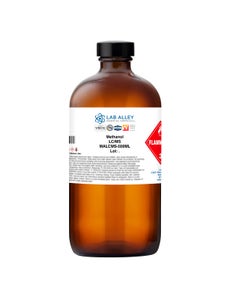
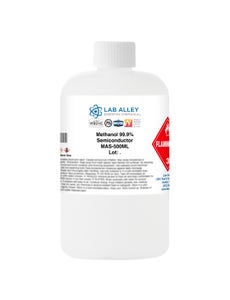
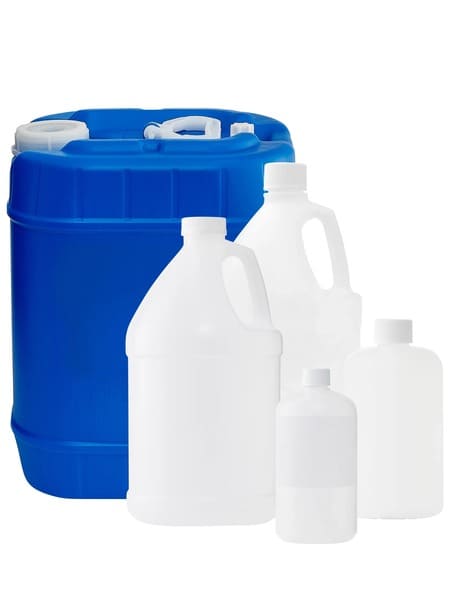
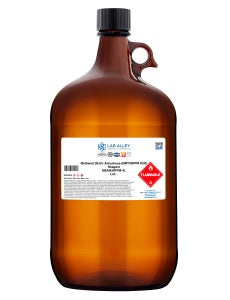
Carbon steel and stainless steel are standard materials for methanol storage tanks and drums, offering the durability needed for both short-term and long-term storage. For smaller quantities, glass or DOT-approved plastic containers such as HDPE are permitted under OSHA 1910.106.
Sealing Requirements
Containers must remain tightly closed at all times to limit vapor release and prevent moisture ingress. For bulk containers, grounding and bonding connections are necessary to control the buildup of static electricity, which can otherwise act as an unintended ignition source given methanol's low flash point.
Labeling Requirements
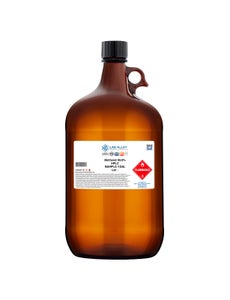
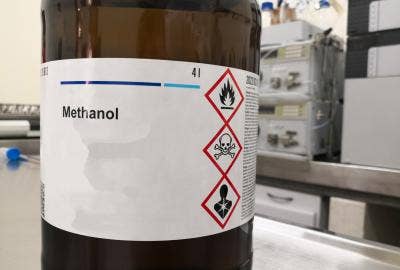
Methanol containers must display the GHS "Danger" signal word alongside pictograms indicating both flammability and health hazards. DOT markings should include the UN1230 identification number, and labels must carry hazard statements covering both the flammability risk and the toxicity concerns associated with the chemical.
Bulk Storage
Above-ground bulk storage tanks should be constructed and maintained according to API 620 or 650 standards, in conjunction with NFPA 30 and NFPA 1 requirements. These tanks require proper venting, electrical grounding, and diked secondary containment to manage the fire risk associated with this storage method.
Segregation & Compatibility
Incompatible Substances
Methanol must be stored away from materials capable of triggering a violent reaction or fire. Key incompatible substances include:
-
Strong oxidizers, such as peroxides and perchlorates
-
Strong acids
-
Alkali metals and other reactive metals
Storage Grouping
Methanol should be grouped with other Class IB flammable liquids in storage cabinets or rooms that meet NFPA 30 construction standards. It must be kept separated from oxidizers and any potential ignition sources within the storage area.
Flammability & Reactivity Precautions
As a Class IB flammable liquid under both NFPA and OSHA classifications, methanol is subject to specific storage limits: OSHA 1910.106 caps Class IB liquid storage at 60 gallons per flammable storage cabinet. Methanol must always be kept away from heat, sparks, open flame, and hot surfaces, since any of these can serve as an ignition point for accumulated vapor.
Safe Handling in Storage Areas
PPE Requirements
Personnel working in or near methanol storage areas should wear chemical splash goggles or a face shield to protect against splash exposure. Nitrile or butyl rubber gloves offer appropriate protection, while latex gloves should be avoided because of poor chemical resistance. Flame-resistant, anti-static clothing is also recommended given the flammability risk.
Transfer & Dispensing
Whenever possible, transfer methanol using closed piping systems or pumps rather than open pouring. Containers must be grounded and bonded during any transfer process to prevent static discharge, which can ignite vapor in the surrounding air.
Spill Containment
Non-combustible absorbents such as sand or vermiculite should be used to contain and clean up methanol spills. All ignition sources in the vicinity must be eliminated immediately upon discovering a spill, before cleanup begins.
Emergency Equipment
An eyewash station and safety shower should be located within reach of any methanol storage area to address accidental exposure. Fire suppression equipment on hand should include CO2, dry chemical, or alcohol-resistant foam extinguishers, since plain water will not cool methanol below its flash point and is not effective for extinguishing a methanol fire.
Regulatory Compliance & Labeling
OSHA Regulations
Methanol storage falls under 29 CFR 1910.106, which governs the storage of flammable liquids, as well as 29 CFR 1910.1200, OSHA's Hazard Communication standard. OSHA has also established a permissible exposure limit of 200 ppm as an 8-hour time-weighted average.
GHS Requirements
Under the Globally Harmonized System, methanol containers must carry the "Danger" signal word along with pictograms for flammability and health hazards. Hazard statements must address flammability, acute toxicity, and the potential for organ damage from exposure.
NFPA & DOT
NFPA 30, the Flammable Liquids Code, governs facility-level storage requirements, and methanol carries an NFPA 704 rating of 1-3-0 for health, flammability, and instability. For transport and storage documentation, methanol is classified under DOT as UN1230, a Class 3 flammable liquid in Packing Group II.
SDS Requirements
A current safety data sheet must be maintained and remain accessible at the point of storage, consistent with OSHA's Hazard Communication requirements. This ensures personnel have immediate access to handling, exposure, and emergency response information.
Conclusion
Fire Suppression
Storage areas should be equipped with CO2, dry chemical, or alcohol-resistant foam fire suppression systems. Water can be used to cool containers exposed to heat or fire but will not extinguish a methanol fire on its own.
Secondary Containment
Bulk storage tanks require diking or berming in accordance with API 620 and NFPA 30 standards. This containment prevents a spill from spreading to areas where it could reach ignition sources or cause broader environmental damage.
Wastewater & Environmental Impact
Methanol is biodegradable, but it remains toxic to aquatic organisms at elevated concentrations. Any spill residue should be collected and disposed of properly rather than allowed to reach drains or waterways.
Electrical Equipment Standards
Because methanol vapor falls under Class I flammable classification, storage and dispensing areas require explosion-proof electrical fixtures and equipment. This prevents electrical components from becoming an ignition source in environments where vapor concentration may periodically reach flammable levels.
Conclusion
Storing methanol safely comes down to managing two realities at once: its low flash point, which makes vapor control and ignition prevention a constant priority, and its hygroscopic, toxic nature, which demands tightly sealed containers and careful handling procedures. Facilities that follow NFPA 30 and OSHA 1910.106 requirements, maintain proper segregation from incompatible materials, and equip storage areas with the right emergency response tools are well positioned to manage these risks.
Consistent attention to container integrity, ventilation, and staff training reduces both the likelihood of an incident and its potential severity if one occurs. These measures, applied together, form the foundation of a compliant and safe methanol storage program.
For more detailed guidance, explore our Resource Library.
Our Customer Care team is also available for more information and documentation, including chemical Safety Data Sheets.
Need Methanol You Can Trust?
If you are looking for high-quality methanol for your lab, product line, or research facility, be sure to visit our store to explore our trusted selection and request a quote.
As your trusted partner in chemical supply, Lab Alley is always striving to meet the growing demands of our customers. We want you to have all your chemical needs in one place, with streamlined online ordering and fast shipping.
Due to popular demand from our valued clientele, Lab Alley's methanol is available in a range of purities and packaging options to suit various commercial, laboratory, and personal needs.