




Nitric Acid Uses & Applications
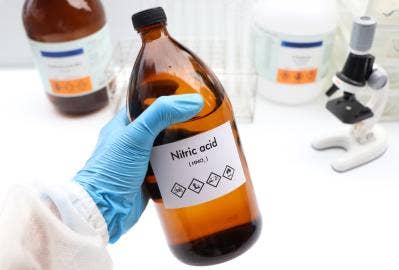
Nitric acid (HNO₃) is a highly corrosive strong mineral acid serving critical functions across chemical manufacturing, metal processing, explosives production, and semiconductor fabrication. Its value comes from powerful oxidizing properties that set it apart from other mineral acids, while hydrochloric and sulfuric acids primarily donate protons, nitric acid actively oxidizes the materials it contacts.
Available in concentrations ranging from dilute solutions (10-30%) to concentrated acid (68-70%) and fuming nitric acid (>86%), different grades serve distinct application requirements. Dilute solutions handle milder conditions, concentrated acid drives industrial-scale synthesis and metal processing, and fuming grades provide the extreme reactivity needed for rocket propellants and advanced explosives.
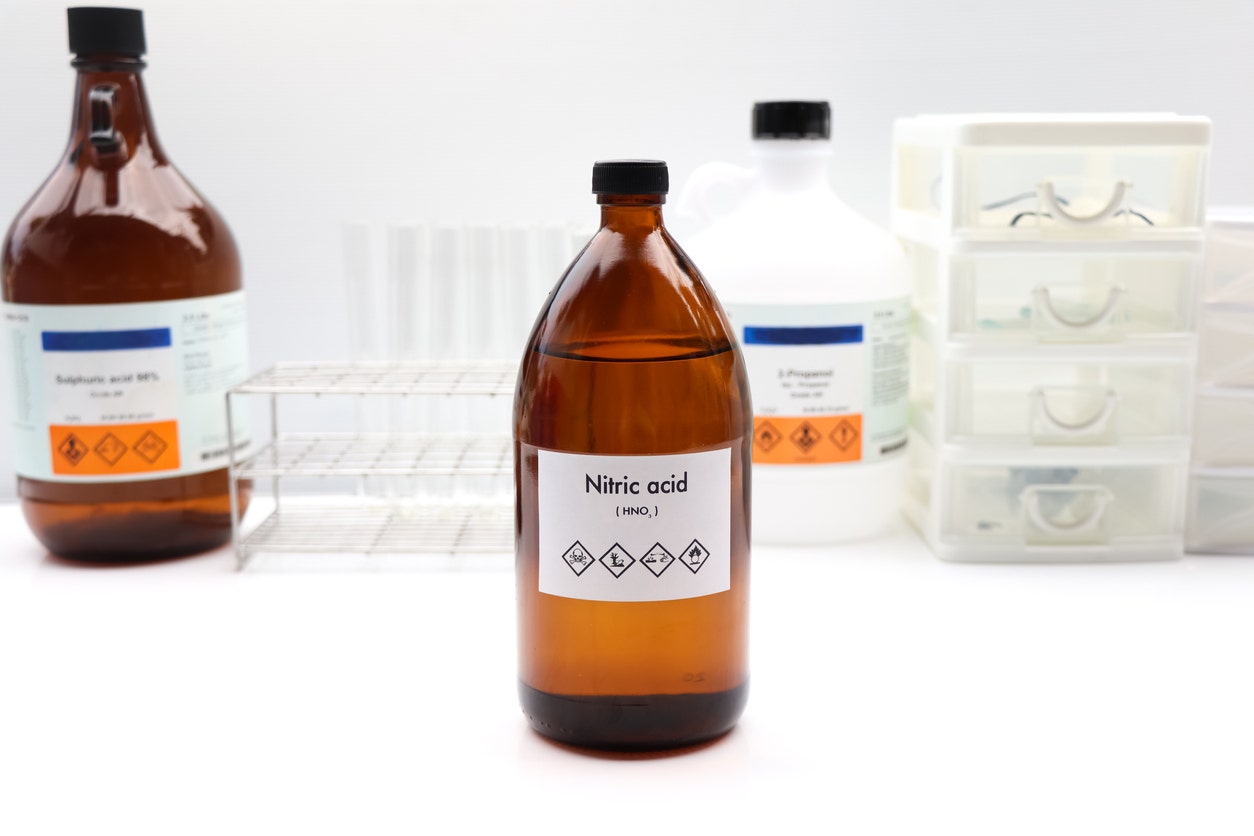
In this comprehensive guide, we'll explore nitric acid applications across:
-
Fertilizer & Agricultural Chemical Production
-
Metal Processing & Surface Treatment
-
Chemical Manufacturing & Synthesis
-
Semiconductor & Electronics Manufacturing
-
Pharmaceutical & Fine Chemical Production
-
Laboratory & Analytical Applications
-
Aerospace & Defense Industries
-
Environmental & Waste Treatment
-
Polymer & Plastics Industries
-
Nuclear Industry Applications
Fertilizer & Agricultural Chemical Production
Agricultural applications consume the largest volume of nitric acid globally. The compound provides nitrogen essential for plant growth in forms crops can readily absorb.
Ammonium Nitrate Production
The single largest use of nitric acid worldwide involves reacting it with ammonia to produce ammonium nitrate (NH₄NO₃). Chemical plants concentrate the resulting solution and granulate it into the solid fertilizer that farmers apply to fields, delivering nitrogen in both nitrate and ammonium forms for different growth stages.
Calcium Ammonium Nitrate (CAN)
Manufacturers blend ammonium nitrate with calcium carbonate or dolomite to create CAN fertilizers. These granular products deliver nitrogen while reducing explosion hazards compared to pure ammonium nitrate, a combination that makes them particularly popular with European farmers.
NPK Fertilizer Manufacturing
Fertilizer plants use nitric acid to acidify phosphate rock, solubilizing phosphorus while introducing nitrogen into the final product. These balanced NPK formulations provide all three primary plant nutrients in ratios optimized for different crops and soil conditions.
Nitrate Salt Production
Reacting nitric acid with potassium or sodium hydroxide yields potassium nitrate, sodium nitrate, and other nitrate-based agricultural chemicals used in specialty agriculture and horticulture.
Foliar Fertilizers & Soil Amendments
Liquid foliar fertilizer formulations incorporate nitric acid components for direct nutrient uptake through leaves, allowing rapid correction when soil application is too slow. Nitric acid-based acidifying agents also treat alkaline soils in regions where high pH limits nutrient availability.
Metal Processing & Surface Treatment
Metal finishing operations employ nitric acid for passivation, pickling, etching, and refining. Its ability to modify and dissolve metal surfaces enables critical processing functions across industries.
Metal Passivation
Metal fabricators immerse stainless steel parts in nitric acid solutions that dissolve free iron from the surface while forming a chromium-rich passive film. This dramatically improves corrosion resistance, essential for pharmaceutical, food, and chemical processing equipment.
Steel Pickling
Steel mills use nitric acid solutions to clean hot-rolled steel, eliminating oxide scale, rust, and surface contaminants that would interfere with coating adhesion during downstream processing.
Electropolishing
Nitric acid-based electrolytes selectively dissolve surface peaks on stainless steel and other metals, creating mirror-smooth surfaces that resist bacterial adhesion, critical for pharmaceutical and food equipment.
Metal Etching & Precious Metal Refining
Circuit board manufacturers use nitric acid solutions to remove unwanted copper and define circuit patterns. Refiners apply it to dissolve silver and base metals from ore, electronic scrap, and jewelry, leaving gold behind for further purification.
Aluminum Anodizing
Bright-dip operations in nitric acid solutions remove surface defects from aluminum before anodizing, creating the lustrous appearance required in architectural and consumer products.
Chemical Manufacturing & Synthesis
Chemical synthesis operations harness nitric acid's oxidizing and nitrating capabilities to produce intermediates and finished chemicals spanning nylon to explosives.
Adipic Acid Production
Chemical plants oxidize cyclohexanol and cyclohexanone with nitric acid to produce adipic acid, the key building block that polymerizes with hexamethylenediamine to create nylon. This application alone consumes substantial acid volumes to support global nylon production for carpets, clothing, and engineering plastics.
Nitrobenzene Synthesis & Toluene Diisocyanate (TDI)
Manufacturers react benzene with mixed acid (nitric and sulfuric) to produce nitrobenzene, which is reduced to aniline for dye, rubber chemical, and pharmaceutical production. A related pathway nitrates toluene through to TDI, a critical building block for flexible polyurethane foams.
Organic Nitro Compounds & Nitration Reactions
Introducing nitro groups (-NO₂) into organic molecules is one of the most important transformations in industrial chemistry. Nitric acid creates explosive compounds, dye chromophores, pharmaceutical intermediates, and agrochemical building blocks through carefully controlled nitration reactions.
Semiconductor & Electronics Manufacturing
High-technology manufacturing employs ultra-pure nitric acid for cleaning silicon wafers, etching metals, and preparing surfaces. Semiconductor fabrication demands exceptional chemical purity to avoid contaminating sensitive devices.
Silicon Wafer Cleaning & Photoresist Stripping
Fabrication facilities use formulated nitric acid solutions in automated wet benches to remove contaminants, native oxides, and organic photoresist residues from wafer surfaces between processing steps.
Metal Etchant Formulations & Surface Preparation
Electronics manufacturers formulate nitric acid with other chemicals to define circuit patterns by etching copper, aluminum, and other metals on printed circuit boards. Precise surface chemistry preparation also ensures high-quality thin film growth during semiconductor device fabrication.
Solar Cell Production
Solar cell manufacturers etch silicon wafers with nitric acid mixtures to produce pyramidal surface textures that trap incoming light, improving photovoltaic conversion efficiency.
Pharmaceutical & Fine Chemical Production
Pharmaceutical synthesis relies on nitric acid for introducing nitro groups, oxidizing intermediates, and preparing analytical samples.
API Synthesis & Nitration Reactions
Pharmaceutical manufacturers employ nitric acid in pathways for cardiovascular drugs, antibiotics, and other therapeutic agents. Many drug molecules contain nitro groups or derive from nitrated intermediates that are subsequently transformed into other functional groups.
Oxidation Processes & Analytical Reagent
Process chemists select nitric acid for selective oxidation steps, converting alcohols to carbonyl compounds and accomplishing other molecular transformations. Quality control laboratories also digest drug products and raw materials with nitric acid before measuring elemental impurities by ICP-MS or atomic absorption spectroscopy.
Laboratory & Analytical Applications
Analytical chemistry and research laboratories consume nitric acid for sample digestion, glassware cleaning, and various analytical procedures. High-purity grades ensure accurate, contamination-free results.
Acid Digestion & Trace Metal Analysis
Analytical laboratories heat solid samples with nitric acid in digestion vessels, breaking down organic matter and dissolving metals for elemental measurement by ICP-MS, ICP-OES, and atomic absorption spectroscopy. Trace metal grade acid with parts-per-billion purity prevents the introduction of contamination during preparation.
Aqua Regia & Organic Analysis
Mixing nitric acid with hydrochloric acid in a 3:1 ratio creates aqua regia, which dissolves gold, platinum, and other noble metals that resist individual acids. Nitric acid also oxidizes organic matter in Kjeldahl nitrogen and total organic carbon analyses used by environmental and agricultural laboratories.
Glassware Cleaning
Research laboratories soak glassware in nitric acid to eliminate organic residues and trace metal contamination between experiments, maintaining the clean conditions that analytical work requires.
Aerospace & Defense Industries
Aerospace and military applications rely on fuming nitric acid as a rocket propellant oxidizer and for processing advanced materials.
Rocket Propellant Oxidizer & Missile Systems
Red fuming nitric acid (RFNA) and white fuming nitric acid (WFNA) serve as oxidizers in storable liquid propellant systems for military missiles and space launch vehicles. Unlike cryogenic oxidizers, fuming nitric acid remains liquid at ambient temperature, enabling long-term storage.
Hypergolic Propellants & Energetic Materials
When fuming nitric acid contacts hydrazine-based fuels, spontaneous ignition occurs without requiring a separate ignition system. Defense contractors also produce explosive compounds and pyrotechnic compositions through controlled nitration reactions using nitric acid.
Metal Treatment & Composite Processing
Aircraft and spacecraft components undergo nitric acid passivation to maximize corrosion resistance during aerospace service. Some advanced composite production processes employ the acid for surface treatment and cleaning of reinforcement fibers.
Environmental & Waste Treatment
Environmental applications use nitric acid's oxidizing power to control emissions, treat wastewater, and process hazardous materials.
NOx Emission Control & Wastewater Treatment
Power plants clean selective catalytic reduction (SCR) catalyst systems with nitric acid solutions to restore activity for NOx removal. Treatment facilities also use the acid to neutralize alkaline industrial wastes and oxidize certain persistent organic contaminants before discharge.
Heavy Metal Precipitation & Cyanide Destruction
Adjusting pH with nitric acid causes dissolved heavy metals to precipitate as insoluble hydroxides from contaminated water. Treatment systems oxidize cyanide compounds from metal plating and mining wastewater to less harmful nitrogen compounds before discharge.
Polymer & Plastics Industries
Polymer production relies on nitric acid for manufacturing adipic acid, isocyanates, and other key intermediates that underpin nylon and polyurethane, two of the largest polymer families.
Nylon & Polyurethane Precursors
The adipic acid production process oxidizes cyclohexane derivatives with nitric acid, consuming large volumes to support global nylon 6,6 manufacturing. Manufacturers also nitrate toluene and benzene derivatives to produce TDI and MDI, the isocyanate building blocks that react with polyols to form polyurethane foams, coatings, and elastomers.
Cellulose Nitrate & Polymer Surface Treatment
Nitrating cellulose produces specialty lacquers and coatings with applications in surface finishing. Treating polyethylene, polypropylene, and other polymer surfaces with nitric acid introduces polar groups that enhance adhesion and wettability for bonding and printing.
Nuclear Industry Applications
Nuclear fuel cycle operations depend on nitric acid for dissolving uranium and plutonium, processing nuclear materials, and treating radioactive waste. The acid's ability to dissolve actinide elements makes it indispensable here.
Uranium Extraction & Plutonium Processing
Uranium mills dissolve uranium ores and concentrates in nitric acid before extraction and purification for fuel fabrication. The PUREX (Plutonium Uranium Reduction Extraction) process dissolves irradiated spent fuel in nitric acid, then selectively extracts uranium and plutonium for recycling or controlled disposal.
Nuclear Fuel Fabrication & Waste Treatment
Fuel fabricators convert nitrate solutions to oxide powders for pelletizing and loading into fuel rods. Nuclear facilities also dissolve contaminated materials in nitric acid for volume reduction and stabilization before final waste disposition.
Decontamination & Analytical Chemistry
Nitric acid solutions remove radioactive contamination from facility equipment and surfaces. Safeguards laboratories dissolve samples in the acid before analyzing plutonium and uranium content for nuclear material accountability.
Nitric Acid Grade Specifications
Understanding nitric acid concentrations and grades helps users select the appropriate strength for their application. Concentration and purity directly affect reactivity, safety requirements, and suitability for different uses.
Dilute Nitric Acid
10-30% HNO₃ concentration serves metal cleaning, laboratory applications requiring mild nitrating or oxidizing conditions, and educational settings. Less hazardous than concentrated forms but still corrosive to skin and materials.
Commercial Grade (Concentrated)
68-70% HNO₃ concentration represents the most common industrial grade for metal processing, chemical manufacturing, and general industrial applications. Balances reactivity with handling safety. May contain trace impurities suitable for non-critical uses.
Technical Grade
68-70% HNO₃ with controlled impurity levels serves industrial processes where moderate purity is required. Suitable for most metal treatment, fertilizer production, and chemical synthesis applications not demanding analytical purity.
Reagent Grade (ACS)
68-70% HNO₃ meeting American Chemical Society specifications for purity serves analytical laboratories, research applications, and processes requiring high-purity acid with certified low metal content and defined specifications.
Trace Metal Grade
68-70% HNO₃ with ultra-low metal impurities (typically <10 ppb for most metals, <1 ppb for critical elements) proves essential for ICP-MS, ICP-OES, and atomic absorption spectroscopy sample preparation where trace metal contamination must be minimized.
Electronic/Semiconductor Grade
High-purity nitric acid (typically 69-70%) with extremely low particulate, metallic, and ionic contamination serves semiconductor wafer processing, solar cell manufacturing, and electronics applications requiring contamination-free processing.
Fuming Nitric Acid (Red Fuming - RFNA)
86% HNO₃ containing dissolved nitrogen dioxide (NO₂) appears reddish-brown in color. Used in explosives production, rocket propellants, and specialized chemical synthesis. Highly reactive and releases toxic nitrogen dioxide fumes.
White Fuming Nitric Acid (WFNA)
95% HNO₃ with minimal nitrogen dioxide content appears colorless to pale yellow. Used in rocket propellants, specialized nitrations, and applications requiring anhydrous conditions. Extremely corrosive and reactive, demanding specialized handling.
Nitric Acid Grades and Pack Sizes
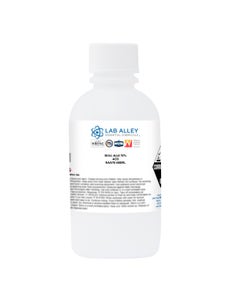
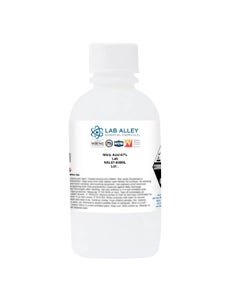
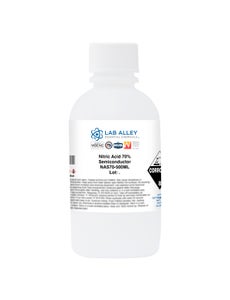
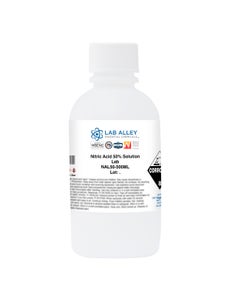
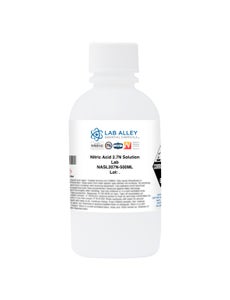
Looking for a reliable source of premium-quality nitric acid? Lab Alley supplies superior nitric acid solutions across industrial, analytical, semiconductor, and specialized applications. Every batch receives thorough testing to confirm concentration and satisfy strict quality standards.
Available Grades & Formulations
Lab Alley provides nitric acid in multiple concentrations and purity specifications:
-
ACS Reagent Grade (70%): High-purity nitric acid meeting American Chemical Society specifications for analytical and research applications.
-
Semiconductor/Electronic Grade (70%): Ultra-high purity for electronics manufacturing and semiconductor wafer processing.
-
Lab/Technical Grade (50%, 67%): General laboratory and industrial applications where moderate purity is acceptable.
-
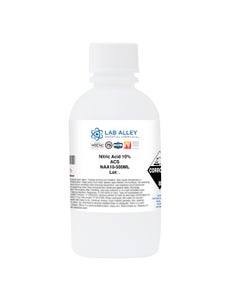
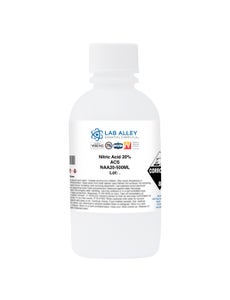
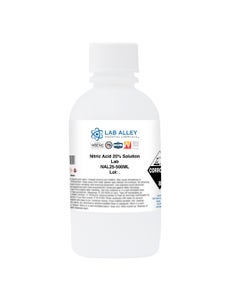
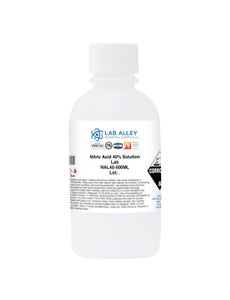
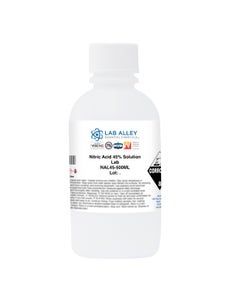
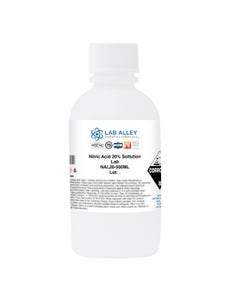
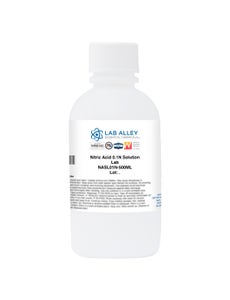
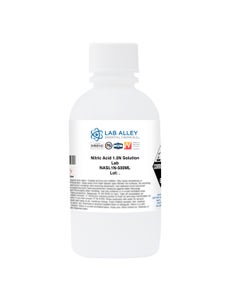
Reagent Grade Solutions: Available in multiple concentrations, including 0.1N, 1.0N, 1.0M, 10%, 20%, 25%, 40%, 45%, and 50%.
-
Specialty Mixtures: Nitric acid 3% in methanol, 5% in denatured ethanol, and a nitric acid 15%/hydrofluoric acid 1.5% mixture for specialized applications.
Pack Sizes & Industrial Availability
Lab Alley offers nitric acid in a range of container sizes:
-
Laboratory bottles: 500 mL and 2.5 L across all grades and formulations
-
Commercial containers: 5-gallon pails, 15-gallon carboys, and 55-gallon drums for industrial operations
-
Bulk quantities: 275-gallon totes and tanker deliveries for high-volume users
All containers are UN-approved and DOT-compliant with proper corrosive and oxidizer labeling for safe transport and handling. Contact Lab Alley's sales team for current pricing, product availability, and technical specifications.
Final Note
Nitric acid's exceptional versatility as an oxidizing agent, nitrating reagent, and metal solubilizer makes it indispensable across fertilizer production, chemical synthesis, metal processing, semiconductor manufacturing, and high-technology applications. From supporting global agriculture to enabling advanced electronics, from creating nylon to powering rockets, this powerful mineral acid delivers the reactive chemistry countless industries depend on.
For businesses requiring high-quality nitric acid, Lab Alley's expertise in concentration specifications, purity requirements, and safety compliance ensures reliable supply while maintaining the standards essential for safe, effective operations across all sectors.
For more detailed guidance, explore our Resource Library.
Our Customer Care team is also available for more information and documentation, including chemical Safety Data Sheets.
Need Nitric Acid You Can Trust?
If you are looking for high-quality nitric acid for your lab, product line, or research facility, be sure to visit our store to explore our trusted selection and request a quote.
As your trusted partner in chemical supply, Lab Alley is always striving to meet the growing demands of our customers. We want you to be able to access all of your chemical needs in one place, along with streamlined online ordering and fast shipping.
Due to popular demand from our valued clientele, Lab Alley's nitric acid is available in a range of purities and packaging options to suit various commercial, laboratory, and personal needs.