



Types of Methanol
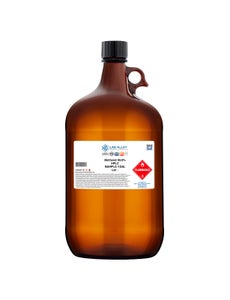
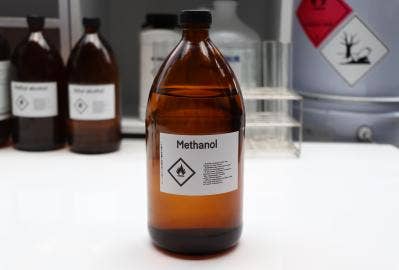
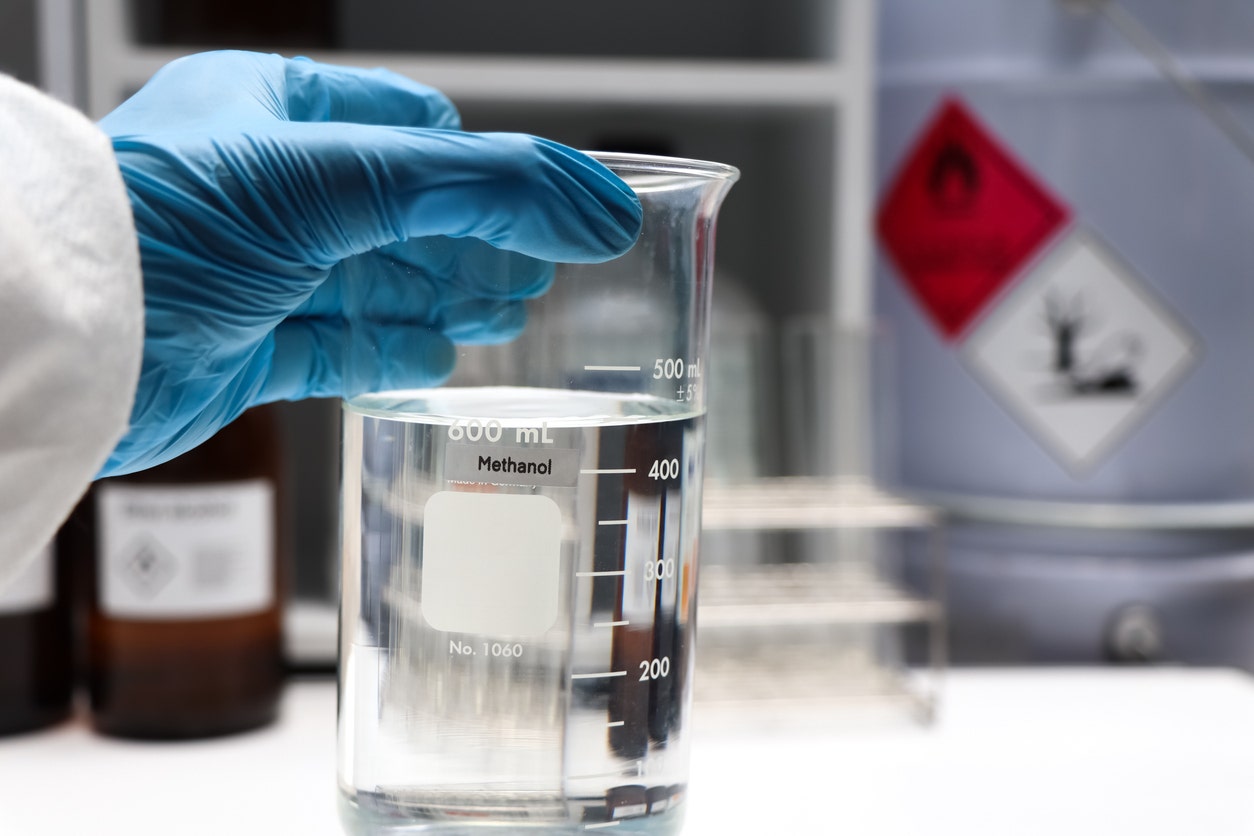
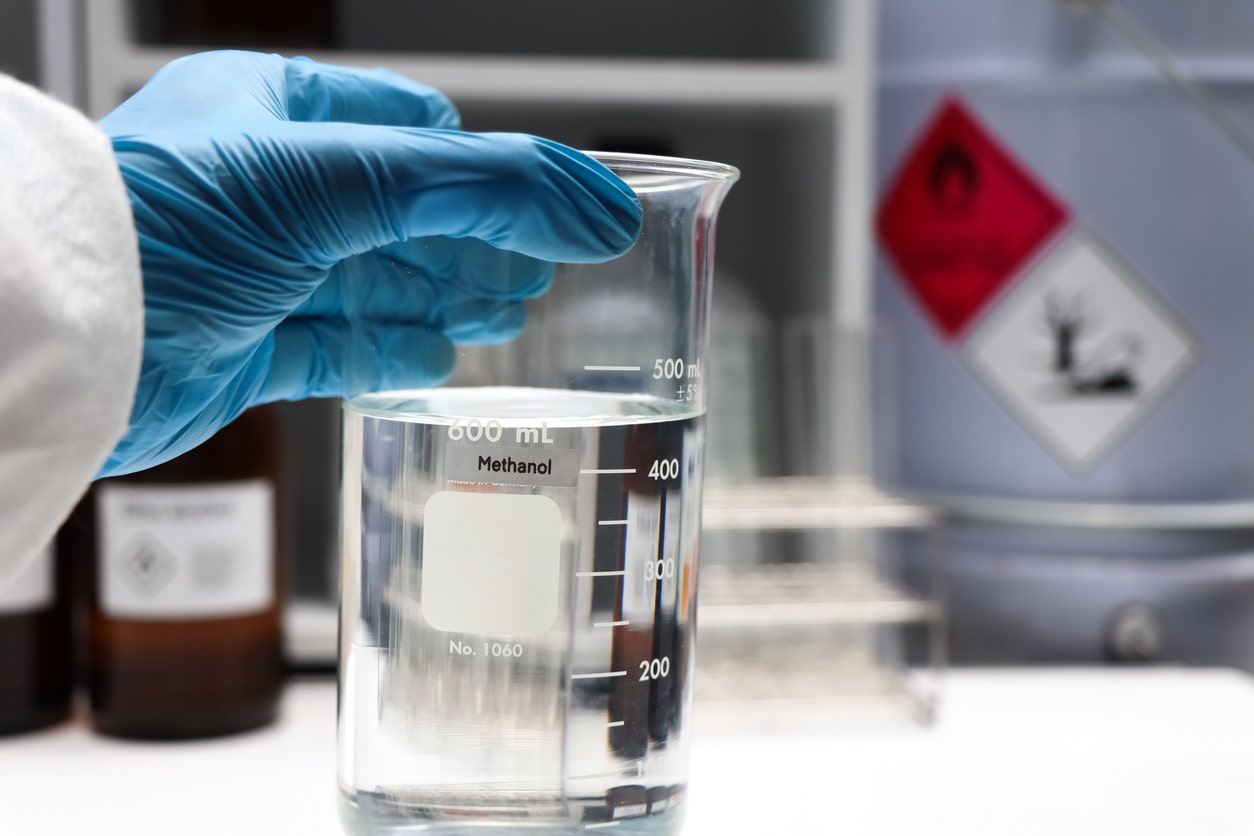
Methanol (CH₃OH) is a clear, colorless liquid and the simplest alcohol, manufactured as a single chemical compound rather than existing in multiple natural forms. Because of this, methanol's "grades" are not different chemical structures but different levels of purity, residual water content, and trace impurity control, each tested and certified for a specific use case, from general solvent work to ultra-sensitive instrumentation.
Grade selection affects both performance and compliance, since even small amounts of contamination can disrupt sensitive analytical instruments or electronics manufacturing processes. Buyers should weigh whether a method or regulation requires a certified standard such as ACS, USP/NF, or SEMI, and whether the application is moisture-sensitive, before settling on a grade.
In this article, we'll explore:
-
Common Grades & Purities
-
Chemical Forms & Variants
-
Applications Based on Type
-
How to Choose the Right Type
Common Grades & Purities
Food Grade (FCC)
Industrial/Technical Grade methanol is around 99.85% pure and isn't tested against a certified standard. It suits general research, educational, and industrial solvent applications where certified purity isn't required.
ACS/Reagent Grade
ACS/Reagent Grade methanol is ≥99.8% pure and meets ACS Reagent Chemicals specifications. It's the standard choice for reagent-grade lab work, solvent extraction, and chemical synthesis.
Pharmaceutical Grade
This is the same ≥99.8% product certified to USP/NF standards alongside ACS specs. It supports pharmaceutical and nutraceutical manufacturing processes that require pharmacopeial compliance.
HPLC Grade
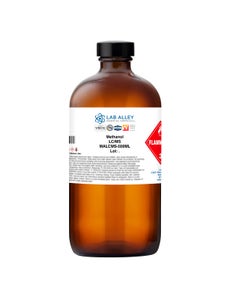
HPLC Grade methanol is ≥99.8% pure with low UV absorbance and minimal residue. It's built for high-performance liquid chromatography, with Preparative HPLC and LC/MS variants available for larger-scale purification or mass spectrometry work.
Electronic Grade
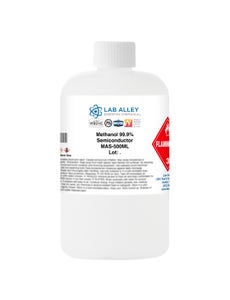
Electronic Grade, also sold as Semiconductor Grade, reaches ≥99.9% purity with trace metal limits in the low parts-per-million range. It's formulated for semiconductor and electronics manufacturing, where metal contamination can compromise sensitive components.
Chemical Forms & Variants
Methanol is available in hydrated and anhydrous forms, distinguished by how tightly residual water content is controlled.
Hydrated vs. Anhydrous Forms
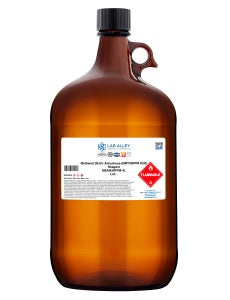
Standard reagent grades carry low but measurable residual water content, which is acceptable for most lab and industrial applications. Anhydrous Reagent Grade is dried to 30 ppm water or less, sometimes using molecular sieves, for reactions where even trace moisture would interfere with the chemistry.
Applications Based on Type
Pharmaceutical & Healthcare
Pharmaceutical and healthcare applications call for ACS Reagent/USP-NF Grade, since manufacturing processes in this space require a pharmacopeial-compliant solvent to meet regulatory expectations.
Laboratory & Analytical
Laboratory and analytical work draws on ACS Reagent, HPLC, and LC/MS grades depending on the method. Chromatography and mass spectrometry both demand tightly controlled purity to avoid baseline interference, while general reagent-grade work has more flexibility.
Industrial & Manufacturing
Industrial and manufacturing applications typically use Technical/Lab Grade methanol. It serves as a general solvent, a precursor to formaldehyde and acetic acid, a biodiesel additive, and an ethanol denaturant, none of which require certified purity.
Electronics
Electronics manufacturing relies on semiconductor-grade methanol for wafer cleaning and related processes. The low trace-metal contamination threshold is essential, since metal residues can damage sensitive electronic components during production.
How to Choose the Right Type
Choosing the right grade comes down to matching purity and certification to what the application actually requires, rather than defaulting to the highest grade available.
Match Grade to Application
Use Technical/Lab Grade for general solvent and manufacturing work where certified purity isn't necessary. Reserve ACS, HPLC, LC/MS, or Semiconductor Grade for analytical, pharmaceutical, or electronics work that requires certified purity.
Verify Required Certifications
Before ordering, confirm whether a method or regulation specifies ACS, USP/NF, or SEMI standard compliance. Using an uncertified grade where a standard is required can invalidate results or create compliance gaps.
Select Appropriate Concentration or Form
Choose an anhydrous reagent grade with a water content of 30 ppm or below for moisture-sensitive reactions. Standard reagent grades are suitable for routine use where trace water won't affect the outcome.
Common Mistakes
A common error is using Technical or Lab Grade methanol for HPLC or LC/MS work, where trace impurities interfere with instrument baselines and skew results. Another is assuming standard reagent grade is dry enough for moisture-sensitive synthesis, when only Anhydrous Reagent Grade meets that threshold.
Key Takeaways
Selecting the right type of methanol starts with understanding that grade differences come down to purity, water content, and certified standards rather than different chemical forms. Matching the grade to the application, whether that's general industrial use, certified analytical work, pharmaceutical manufacturing, or electronics processing, protects both results and compliance.
For more detailed guidance, explore our Resource Library.
Our Customer Care team is also available for more information and documentation, including chemical Safety Data Sheets.
Find Methanol You Can Trust
If you are looking for high-quality methanol for your lab, product line, or research facility, be sure to visit our store to explore our trusted selection and request a quote.
As your trusted partner in chemical supply, Lab Alley is always striving to meet the growing demands of our customers. We want you to be able to access all of your chemical needs in one place, along with streamlined online ordering and fast shipping.
Due to popular demand from our valued clientele, Lab Alley's methanol is available in a range of purities and packaging options to suit various commercial, laboratory, and personal needs.