





Methanol Overview
Methanol, also known as methyl alcohol or wood alcohol, is the simplest alcohol and one of the most widely produced industrial chemicals. It serves as a foundational feedstock for formaldehyde, acetic acid, and biodiesel production, and as a solvent across laboratory and industrial settings. Its low cost, high reactivity, and broad miscibility make it one of the most consistently demanded chemical commodities in the global market.
What makes methanol especially valuable is its versatility. The same molecule that functions as a chromatography solvent in an analytical lab also serves as a transesterification agent in biodiesel plants and a building block for downstream chemicals like formaldehyde and MTBE. Few single-carbon compounds carry this much functional range.
That versatility comes with a safety profile that demands attention. Methanol is highly flammable, burns with a flame that is difficult to see in daylight, and carries documented risks of optic nerve damage on repeated or high-level exposure. Buyers and handlers need to understand both its practical behavior and its hazard class before working with it at any scale.
Properties of Methanol
Key Facts
-
Compound Name: Methanol
-
Synonyms/Common Names: Methyl alcohol, wood alcohol, carbinol, wood spirit, wood naphtha, methyl hydroxide, pyroxylic spirit
-
Chemical Formula: CH3OH (CH4O)
-
CAS Number: 67-56-1
-
Molar Mass: 32.04 g/mol
-
Appearance: Colorless liquid with a faint, distinctive alcohol odor
Density and Behavior Relative to Water
Methanol has a density of 0.792 g/cm³ at 20°C, making it noticeably lighter than water. This matters in spill response and mixing operations, since methanol will layer above water rather than sinking or dispersing evenly. Its lower density also means volume-based measurements don't translate directly to weight-based ones without a conversion.
Methanol is a colorless, highly flammable liquid alcohol widely used in chemical manufacturing, fuel production, and industrial solvent applications. It functions as a key building block in formaldehyde synthesis and as a transesterification agent in biodiesel production. U.S. laboratories and manufacturers sourcing methanol by grade and purity contact Lab Alley at 512-668-9918 for product selection and ordering support.
Boiling Point and Melting Point
Methanol boils at 64.7°C (148.5°F) and freezes at -97.8°C (-144°F). The low boiling point means it vaporizes readily at room temperature, which is a major factor in both its flammability risk and its usefulness as a fast-evaporating solvent. The wide liquid range below freezing also makes it resistant to solidifying under most storage and transport conditions.
Solubility and Miscibility
Methanol is miscible with water in all proportions, meaning the two mix completely with no separation at any ratio. It is also miscible with ethanol, diethyl ether, and most common organic solvents. This broad miscibility is one of the main reasons it functions well as a universal solvent in both laboratory and industrial formulations.
Reactivity and Flammability
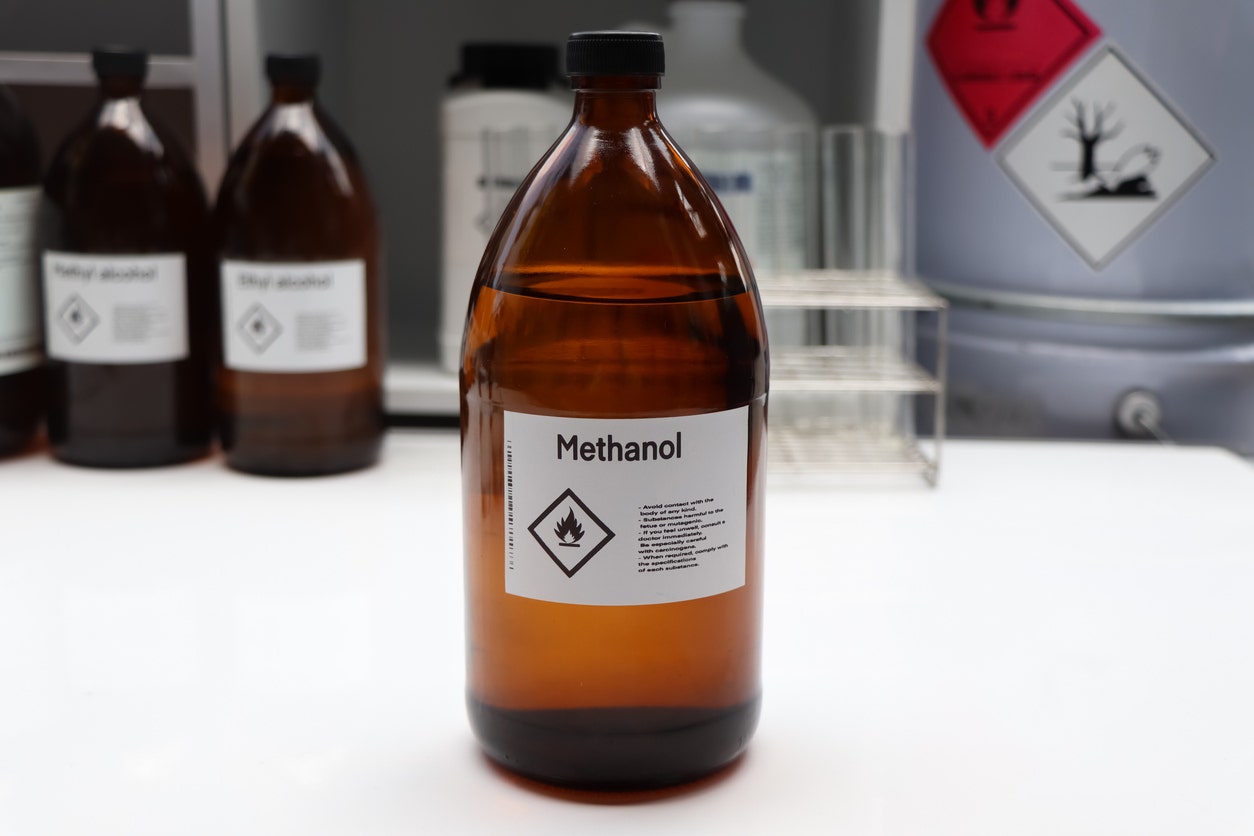
Methanol is classified as a Class 1B flammable liquid under NFPA and as UN Hazard Class 3, with a flash point of 11 to 12°C and an autoignition temperature of approximately 464°C. It burns with a flame that is nearly invisible in daylight, which raises the risk of undetected fire spread near open flames or sparks. It is incompatible with strong oxidizers, strong acids, alkali metals, and acid anhydrides, and contact with these materials should be avoided entirely.
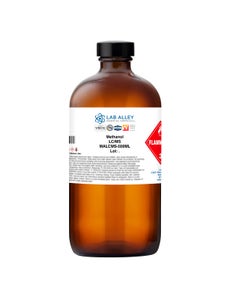
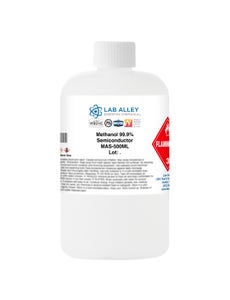
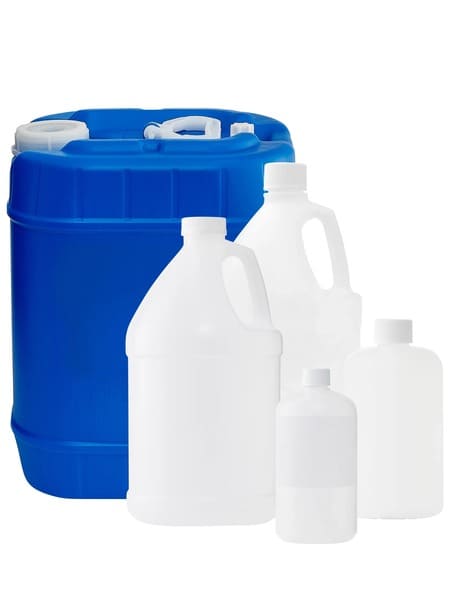
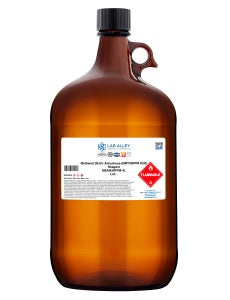
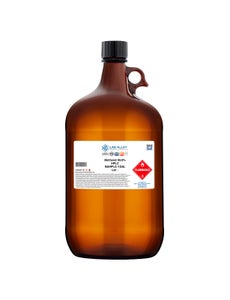
Methanol from Lab Alley is available as a liquid in grades suited to industrial, laboratory, and manufacturing applications. Packaging ranges from small laboratory containers to bulk drums to support research, manufacturing, and commercial supply needs.
Common Uses & Applications
Industrial Applications
Methanol is a core feedstock in the production of formaldehyde, acetic acid, and methyl tert-butyl ether (MTBE), all of which feed into plastics, resins, and fuel additive manufacturing. It also functions as a general solvent across chemical processing operations where its fast evaporation and miscibility are assets. Its role as an antifreeze component rounds out its industrial footprint, particularly in applications where low-temperature fluidity is required.
Scientific and Laboratory Uses
In the lab, methanol is a standard mobile phase solvent for HPLC and other chromatography methods, valued for its purity and consistent elution behavior. It also serves as a general reagent in organic synthesis and as a base solvent in NMR sample preparation. Its availability in high-purity grades makes it a dependable choice when analytical precision is non-negotiable.
Specialized Applications
Methanol acts as the primary transesterification agent in biodiesel production, converting fats and oils into fatty acid methyl esters. It is also used as a denaturant added to ethanol to render it unfit for consumption in industrial formulations, and as a component in windshield washer fluid and certain fuel additives. These specialized uses depend on methanol's reactivity and low cost relative to alternative alcohols.
Safety & Handling
Hazards and Precautions
Methanol carries a GHS signal word of Danger and is classified as both a flammable liquid and an acute toxicant through oral, dermal, and inhalation exposure. Repeated or prolonged exposure has been linked to optic nerve damage and vision loss, making exposure control a priority rather than an afterthought. Handlers should treat any methanol exposure, however minor it seems, as a reason to stop and assess rather than continue working.
Personal Protective Equipment
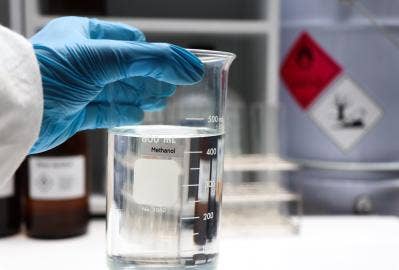
Chemical-resistant gloves made of nitrile or butyl rubber are required when handling methanol directly, along with safety goggles or a face shield to protect against splash exposure. In areas with limited ventilation, a NIOSH-approved organic vapor respirator should be worn to limit inhalation exposure. PPE selection should match the scale and duration of the task, with higher-protection equipment used for bulk transfers or extended handling.
Storage Guidelines
Methanol should be stored in a cool, well-ventilated area away from heat, sparks, and open flame, with containers kept tightly sealed at all times. Grounded and bonded containers are necessary to prevent static discharge during transfer, given the liquid's low flash point. Storage areas must also be separated from strong oxidizers and acids to eliminate the risk of dangerous reactions.
Spill and Disposal Procedures
In the event of a spill, all ignition sources should be eliminated immediately and the area ventilated before cleanup begins. Spills should be absorbed using inert material such as sand or vermiculite rather than washed down drains or into waterways. Disposal must follow federal, state, and local hazardous waste regulations, since methanol does not qualify for standard liquid waste disposal.
Methanol Grades and Pack Sizes
Lab Alley supplies methanol in a range of grades suited to laboratory, analytical, and industrial needs.
Available Grades & Concentrations
-
ACS/USP/NF Grade for general laboratory and reagent-chemical use
-
Lab Grade for routine laboratory and general-purpose applications
-
HPLC Grade for liquid chromatography mobile phase use
-
LC/MS Grade for high-sensitivity mass spectrometry applications
-
Semiconductor/Electronic Grade for wafer cleaning and electronics manufacturing
-
Anhydrous Reagent Grade for moisture-sensitive reactions
-
Pesticide Residue Grade for trace pesticide-residue analytical testing
Pack Sizes & Industrial Availability
-
Laboratory bottles: 500mL, 1L for lab-scale use
-
Commercial containers: 1gal, 4L, 4 x 4L case for standard operations
-
Industrial drums: 5gal, 55gal for high-volume applications
-
Bulk: 270gal available for large-scale industrial and commercial buyers
All containers are UN-approved and DOT-compliant, shipped with proper Class 3 Flammable Liquid labeling to meet hazardous materials transport requirements. Contact Lab Alley to select the grade and pack size that fits your application.
FAQs
What is methanol and how is it produced?
What are the potential side effects of methanol exposure?
How should methanol be stored to prevent degradation?
Methanol should be kept in a tightly sealed, corrosion-resistant container in a cool, dry, well-ventilated space away from heat and ignition sources. Keeping it separated from incompatible chemicals such as strong oxidizers and acids prevents both degradation and dangerous reactions. Proper sealing also protects against moisture uptake, which can affect purity in high-grade applications.
Does methanol have an expiration date?
Is methanol the same as rubbing alcohol?
No. Rubbing alcohol is isopropyl alcohol, a different compound with a distinct toxicity profile. Methanol is significantly more toxic and is not safe for cosmetic, topical, or any consumer-facing use. The two should never be substituted for one another despite both being common laboratory alcohols.