




Water Overview
Water is the most essential and abundant compound on Earth, and in laboratory and industrial settings, it's more precisely defined by its purification method and grade. Known chemically as H2O, water is referred to under several names depending on how it's processed, including distilled water, deionized (DI) water, and purified water. Across pharmaceuticals, analytical chemistry, manufacturing, and general laboratory work, water serves as the foundational solvent and reagent that underpins nearly every other process.
What makes water valuable in professional settings isn't the compound itself but its purity. A single molecule with the same formula can range from tap-grade to ultra-pure LC/MS grade, and that distinction determines whether it's suitable for drinking, industrial cooling, or trace-level chromatographic analysis. Selecting the correct grade is often the difference between reliable results and contaminated data or product.
Water carries a straightforward safety profile relative to most laboratory chemicals. It is non-hazardous under standard classification systems, requires no specialized handling precautions, and is not subject to DOT hazardous material regulations. That simplicity, combined with the range of certified grades available, makes it one of the most frequently ordered products across research, production, and industrial supply chains.
Properties of Water
Key Facts
-
Compound Name: Water
-
Synonyms/Common Names: Distilled water, deionized (DI) water, purified water, dihydrogen oxide
-
Chemical Formula: H2O
-
CAS Number: 7732-18-5
-
Molar Mass: 18.02 g/mol
-
Density and Behavior Relative to Standard Reference Colorless, odorless, tasteless liquid at room temperature
Density and Behavior Relative to Standard Reference
Water has a density of 1.000 g/cm³ at 4°C, a value so consistent that it serves as the reference standard against which the specific gravity of other liquids and solids is measured. This reference role makes water density calculations a baseline check in quality control and formulation work. Deviations from this figure in a sample typically indicate dissolved solids or contamination rather than a change in the water itself.
Water is a clear, colorless, odorless liquid widely used in laboratory, pharmaceutical, and industrial applications. It functions as a solvent, reagent, cleaning agent, and process fluid in analytical testing, chemical production, equipment cleaning, and formulation. U.S. laboratories and manufacturers sourcing water by grade and purity contact Lab Alley at 512-668-9918 for product selection and ordering support.
Boiling Point and Melting Point
Water boils at 100°C (212°F) at standard atmospheric pressure and freezes at 0°C (32°F). These fixed transition points are why water is used as a calibration reference for thermometers and temperature-sensitive lab equipment. Pressure changes will shift these values, which is a relevant consideration for high-altitude or vacuum-based laboratory processes.
Solubility and Solvent Behavior
Water functions as a universal solvent, readily dissolving and mixing with a wide range of polar compounds, salts, and organic molecules. It does not mix with most nonpolar organics, including oils and hydrocarbons, which is the basis for many separation and extraction techniques. This dual behavior, highly miscible with polar substances and immiscible with nonpolar ones, defines its role in nearly every solvent-based application.
pH Level and Ionic Neutrality
Pure water has a neutral pH of approximately 7.0 at 25°C, reflecting its balanced concentration of hydrogen and hydroxide ions. Ultra-pure grades such as LC/MS and HPLC water can show slight pH variation due to dissolved atmospheric CO2, which forms trace carbonic acid on contact with air. This is a normal characteristic of high-purity water rather than an indicator of contamination.
Reactivity and Incompatibilities
Water is chemically stable under normal storage and handling conditions and is non-flammable. It reacts with highly reactive metals such as alkali metals and with strong dehydrating agents, though these reactions are not a concern in typical laboratory or industrial use. Under GHS criteria, water is not classified as hazardous, reflecting its stable and predictable chemical behavior.
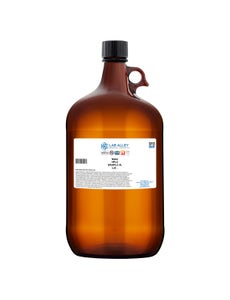
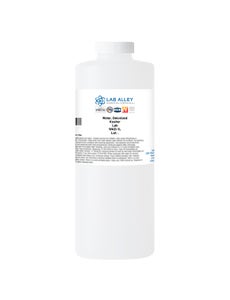
Water from Lab Alley is available in USP Grade, HPLC Grade, LC/MS Grade, and Deionized Water Lab Grade to meet laboratory, analytical, pharmaceutical, and industrial requirements. Packaging ranges from 500 mL bottles to 275-gallon bulk containers to support research, manufacturing, and commercial supply needs.
Common Uses & Applications
Industrial Applications
Water is central to industrial cooling systems, steam generation, and cleaning and rinsing processes across manufacturing environments. It also serves as a dilution medium in countless production processes where precise concentration control is required. Its availability, low cost, and predictable behavior make it the default working fluid across heavy industry and processing facilities. Grade selection in industrial settings typically depends on the sensitivity of the equipment and end product involved.
Scientific and Laboratory Uses
In analytical chemistry, water functions as a reagent-grade solvent for sample preparation, dilution, and reaction media. HPLC and LC/MS grades are formulated specifically as mobile phases and sample diluents for chromatographic instrumentation, where trace contaminants can compromise results. Water is also standard for buffer and media preparation in biological and chemical labs, as well as general glassware rinsing where residue-free rinsing is required. Grade choice in laboratory settings is driven almost entirely by instrument sensitivity and application requirements.
Consumer & Household Uses
Beyond industrial and laboratory settings, water is used daily for drinking, cooking, and household appliances such as humidifiers, CPAP machines, and steam irons. It also serves as the standard fluid for automotive cooling systems. These applications generally rely on potable or purified water rather than the ultra-high-purity grades used in analytical work.
Specialized Applications
USP-grade water is formulated to meet pharmaceutical compendial standards, supporting formulation and compounding work where regulatory compliance is required. It is also suited to sterile applications demanding high microbiological purity, including compounding environments where contamination control is critical. This grade bridges general laboratory use and the stricter requirements of pharmaceutical production.
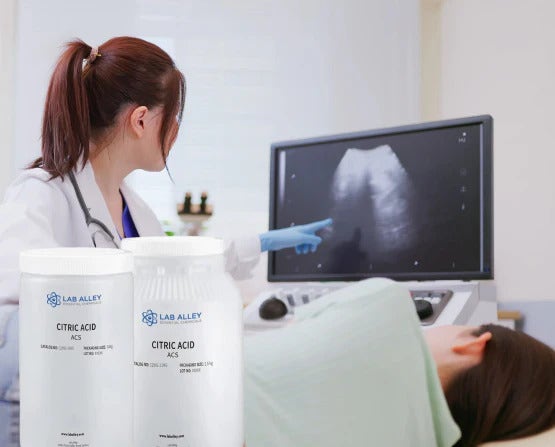
Fight Your Kidney Stone with This Natural Product Hack
Fight kidney stones. Discover how citric acid naturally prevents stone formation.
Is Lactic Acid Bad? A Look at the Health Science
Is lactic acid bad for you? Debunking myths and revealing its vital role in your body & beyond.
Hospitality Without Hitchhikers: Boric Acid’s Role in Bed Bug Prevention
Protect your hospitality business. Boric acid is key to preventing bed bug infestations.
Harnessing Silica Sulfuric Acid to Enhance Concrete Durability
Enhance concrete longevity. Silica sulfuric acid improves strength and chemical resistance.
Safety & Handling
Hazards and Precautions
Water is not classified as hazardous under GHS criteria, and standard handling presents no significant health, fire, or reactivity risks. There are no acute toxicity concerns, flammability hazards, or reactive instability associated with normal use. This safety profile is one of the reasons water requires minimal regulatory oversight compared to most other laboratory chemicals.
Personal Protective Equipment
No specialized personal protective equipment is required for standard water handling. General laboratory safety practices, such as basic hand protection and standard lab attire, are sufficient for routine use. Facilities should still follow their standard PPE protocols when handling any liquid in a lab environment, regardless of hazard classification.
Storage Guidelines
Water should be stored in tightly sealed, clean containers at room temperature to prevent contamination. Ultra-pure grades, including LC/MS and HPLC water, require additional care to protect against airborne particulates and microbial introduction, since their value depends entirely on maintained purity. Proper container sealing is the single most important storage factor across all grades.
Spill and Disposal Procedures
Water spills are non-hazardous and can typically be wiped up or allowed to evaporate without special containment measures. Disposal via standard drain is acceptable unless the water has been contaminated with another substance during use, in which case disposal should follow the protocol for that contaminant. No neutralization or special waste classification applies to uncontaminated water.
How to Safely Dispose of Sulfuric Acid
Sulfuric acid is one of the most common acidifying reagents and sulfur sources, essential across multiple industries. At the same time, it is also a toxic and highly hazardous chemical reagent, requiring safe handling and disposal by trained personnel.
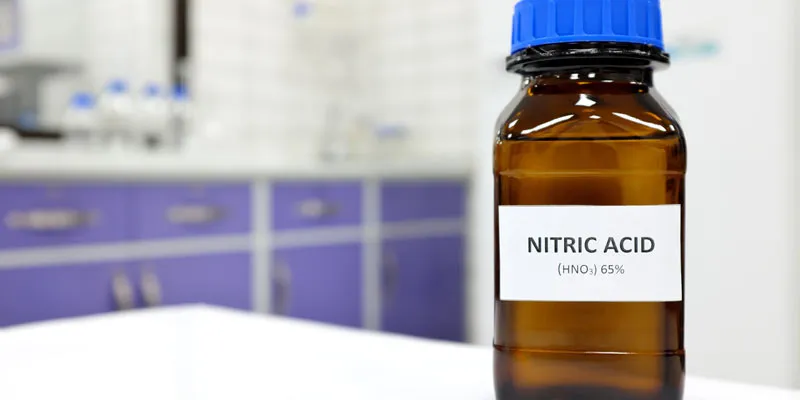
How To Use Nitric Acid Safely
Nitric acid is a corrosive chemical and harmful to humans. Its contact with skin and eyes can cause serious burns. Affected skin will require flushing with soap and lukewarm water for at least 30 minutes.
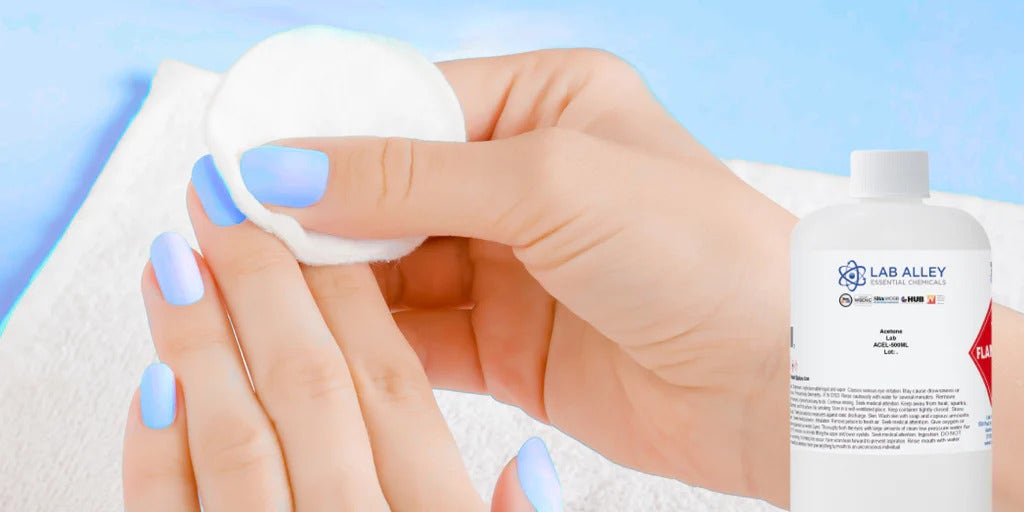
Acetone Safety: Proper Storage and Disposal Methods
Acetone is a staple chemical solvent in most laboratories. It is also perhaps one of the most recognizable chemicals to the layperson, best known as the pungent solvent comprising nail polish remover.
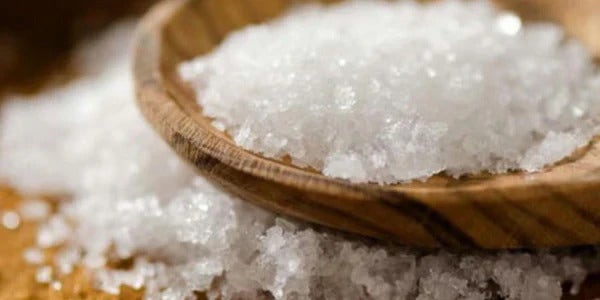
How to Use Potassium Iodide Safely and Where to Buy it Online
Potassium Iodide Powder, also known as Potassium Salt of Hydriodic Acid, Iodic Acid Potassium Salt, Potassium Monoiodide, and Knollide, has the chemical formula KI. It appears as a white crystalline powder, odorless, and is soluble in water at ambient conditions.
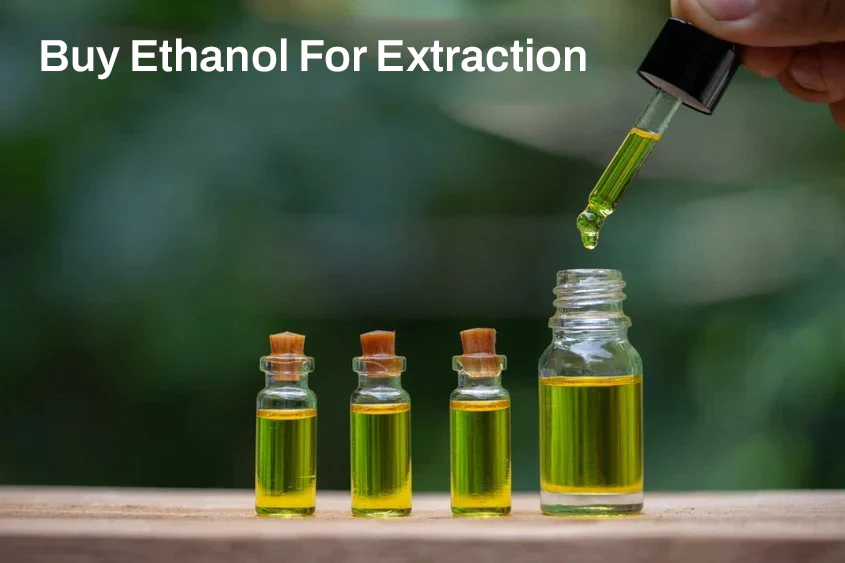
Medicinal Oils Derived From Plants
You can order food-grade ethanol, extraction-grade ethanol, ACS-grade ethanol, FCC-grade ethanol, USP grade ethanol, HPLC-grade ethanol and kosher ethanol from Lab Alley. Perform ethanol (EtOH) extraction at ultra-low temperatures for the best yields.
Ethanol extraction is a cost-effective way to use ethanol as an industrial solvent to produce high-quality botanical extracts from large volumes of medicinal herbs or plants.
Water Grades and Pack Sizes
Lab Alley supplies water across four certified grades to meet the varying purity requirements of laboratory, pharmaceutical, and industrial customers.
Available Grades & Concentrations
-
Deionized Water, Lab Grade (Kosher): general laboratory use, solvent and buffer preparation, cleaning
-
Water, USP Grade: for pharmaceutical and industrial use
-
Water, HPLC Grade: HPLC/UHPLC mobile phases and sample preparation
-
Water, LC/MS Grade: ultra-pure water for LC/MS chromatographic applications
Pack Sizes & Bulk Availability
-
Laboratory bottles: 1 L
-
Commercial containers: 1 gallon, 4 L, 5 gallon
-
Industrial drums/totes: 55 gallon, 275 gallon
-
Case and pallet quantities available for bulk purchasing
Water is not a DOT-regulated hazardous material, so no special hazmat shipping requirements apply, and certificates of analysis and safety data sheets are available for all grades. Contact Lab Alley to request documentation or place an order for the grade and pack size that fits your application.
FAQs
What is water and how is it purified for lab use?
Is deionized water safe to drink?
How should purified water be stored to maintain purity?
Purified water should be kept in tightly sealed, clean containers at room temperature to prevent outside contamination. Ultra-pure grades such as LC/MS and HPLC water need extra protection from airborne particulates, since even minor contamination can affect sensitive analytical results. Keeping containers sealed between uses is the most effective way to preserve purity across all grades.
Does purified water expire?
What's the difference between distilled and deionized water?
Distilled water is produced by boiling water and condensing the resulting steam, a process that removes minerals, microorganisms, and most impurities through phase change. Deionized water is produced through ion exchange resins that specifically target and remove charged ions, such as calcium, sodium, and iron. The two methods target different types of contaminants, which is why some applications call for one over the other. Both are commonly used in laboratory settings, but the choice depends on the specific purity requirements of the application.