




How and Why to Treat Water
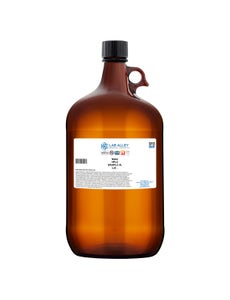
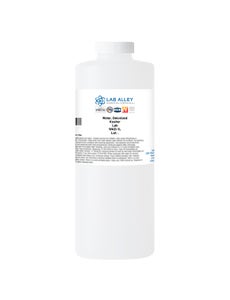
Lab Alley's purified water products, including HPLC, LC/MS, USP, and Deionized grades, differ from the acids, bases, and solvents covered elsewhere in this series in one key respect: they arrive at the customer already treated to their target specification. There is no additional chemical treatment step to perform before use or before disposal.
This distinction matters because the term "water treatment" is widely used in a different context: correcting acidic well water or groundwater as it enters a home's plumbing system. That process uses acid-neutralizer filters or mineral dosing to raise pH and prevent pipe corrosion. It has no bearing on a sealed container of laboratory-grade water, which is manufactured, tested, and packaged to a purity specification rather than drawn untreated from a well or municipal source.
Understanding why treatment isn't required and how this product differs from the residential context helps lab personnel and safety officers handle it correctly without applying procedures meant for an unrelated application.
In this article, we'll explore:
-
Why Treat Water?
-
How to Treat Water
-
Safety Precautions During Treatment
-
Special Considerations
Why Treat Water?
Safety & Spill Response
Lab Alley's purified water grades are non-hazardous, non-corrosive, and non-flammable according to safety data sheets across all grades. A spill does not require a neutralizing agent, specialized containment, or emergency chemical response. Standard mop-up procedures are sufficient, and no additional hazard mitigation step is needed before the area returns to normal use.
Industrial & Laboratory Use
The purification work that other chemicals in this series require at the point of use, such as pH adjustment or chemical neutralization, happens upstream during manufacturing for this product. Reverse osmosis, deionization, and UV oxidation bring the water to its target resistivity and purity before it ever reaches the customer. As a result, the product ships ready for use in HPLC mobile phases, sample preparation, or general lab work without further processing.
Environmental Protection
Purified water is not classified as RCRA hazardous waste when discarded in its purchased form. It carries no BOD, COD, or aquatic toxicity concern that would trigger special wastewater handling. Disposal through a standard sanitary sewer connection is generally suitable, provided it complies with local discharge regulations.
How to Treat Water
Step 1: Identify the Chemical Properties
Lab Alley purified water sits at a near-neutral pH of approximately 7. HPLC and LC/MS grades meet a resistivity standard of 18.2 MΩ·cm and a total organic carbon level of 5 ppb or lower. As purchased, the product carries no active contaminant load that would require correction, which is why there is nothing to identify in the way of a treatment target.
Step 2: Select Appropriate Treatment Methods
-
No neutralizing or treatment agent is added to Lab Alley purified water products.
-
Purity is achieved and confirmed during manufacturing, not through an agent applied by the end user after purchase.
Step 3: Treatment Procedure
-
No chemical treatment step is required before use.
-
No chemical treatment step is required before disposal.
Step 4: Monitor and Validate
Purity is verified at the production stage through resistivity, total organic carbon, and conductivity testing against each grade's specification. Because this validation happens before the product reaches the customer, end users do not need to re-treat or re-test the water before using or discarding it.
Step 5: Waste Disposal
Unused product can be disposed of through local sewer discharge in accordance with applicable regulations. Before disposal, confirm that no contamination was introduced during lab use, since that would change the disposal classification of the resulting waste rather than the water itself.
Safety Precautions During Treatment
-
Personal Protective Equipment: Standard lab PPE, including safety glasses and a lab coat, is sufficient. No chemical-resistant gloves or specialized gear are required.
-
Ventilation: No special ventilation is needed. The product is odorless and presents no volatility hazard.
-
Spill Response: Mop up spills or absorb with an inert material. No neutralizing agent is necessary.
-
Emergency Preparedness: Standard eyewash stations and safety showers already in place for general lab safety are sufficient. No chemical-specific emergency equipment is required.
Special Considerations
Why This Article is Different
Every other chemical covered with its treatment or neutralization procedure requires some form of active treatment to manage pH, reduce hazards, or meet disposal requirements. Purified water does not. This article explains why no chemical treatment or neutralization is necessary, reflecting how purified water is produced, handled, and used.
Distinction From Residential Water Treatment
Searches for "water neutralization" commonly return information about residential systems that correct acidic well water before it reaches household plumbing, using acid neutralizer filters or mineral dosing to prevent pipe corrosion. That process addresses raw water from a well or groundwater source. It has no application to Lab Alley's purified water, which is a sealed, finished laboratory reagent rather than water entering a home's plumbing system.
Conclusion
Lab Alley's purified water products stand apart from the rest of this series because they require no active neutralization or treatment step. The purification work that other chemicals demand at the point of use has already been completed during manufacturing, verified through resistivity, TOC, and conductivity testing, and confirmed before the product reaches the customer.
Recognizing this distinction helps lab personnel avoid confusing this product with residential water treatment methods, which address an entirely different problem. Handling purified water correctly means understanding that its safety, storage, and disposal profile is straightforward precisely because no treatment step exists to manage.
For more detailed guidance, explore our Resource Library.
Our Customer Care team is also available for more information and documentation, including chemical Safety Data Sheets.
Need Water You Can Trust?
If you are looking for high-quality water for your lab, product line, or research facility, be sure to visit our store to explore our trusted selection and request a quote.
As your trusted partner in chemical supply, Lab Alley is always striving to meet the growing demands of our customers. We want you to be able to access all of your chemical needs in one place, along with streamlined online ordering and fast shipping.
Due to popular demand from our valued clientele, Lab Alley's water is available in a range of purities and packaging options to suit various commercial, laboratory, and personal needs.