




Shelf Life & Expiration of Water
Water does not chemically degrade over time. Unlike solvents or reactive chemicals, H2O molecules do not break down, oxidize, or decompose under normal storage conditions, which means "expiration" for water is a purity and contamination issue rather than a molecular one.
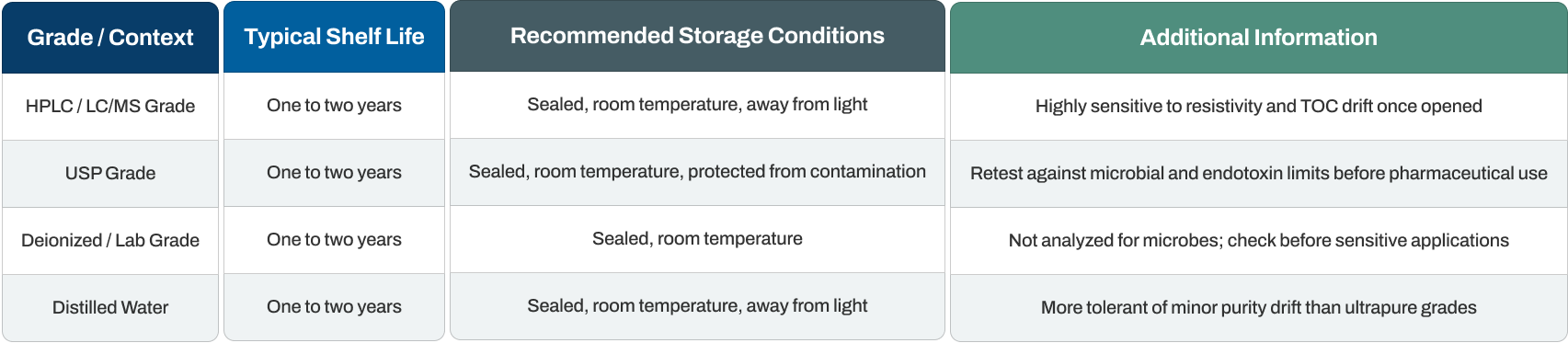
For high-purity laboratory grades such as HPLC, LC/MS, and USP water, shelf life is governed by how well the water resists contamination, how the packaging interacts with the water over time, and how much resistivity or total organic carbon (TOC) drifts from spec. Sealed, high-purity containers slow this drift considerably, while opened or poorly sealed containers accelerate it.
Concentration sensitivity matters most for ultrapure grades, where even small amounts of dissolved carbon dioxide or trace organic contamination can push resistivity or TOC out of acceptable ranges. Lower-purity grades, such as lab or distilled water, are more forgiving but still susceptible to microbial growth once opened.
This article covers:
-
How Long Does Water Last?
-
Signs That Water Has Expired or Degraded
-
What to Do If Water Is Expired
-
Proper Storage Extends Shelf Life
How Long Does Water Last?
Chemical Stability
Water does not decompose or degrade chemically under normal storage conditions. What labs refer to as expiration in water is actually a decline in purity or the onset of microbial growth, not a breakdown of the H2O molecule itself.
Purity & Packaging
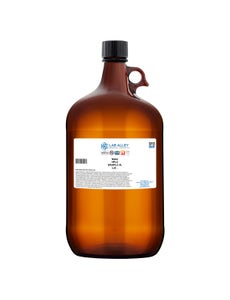
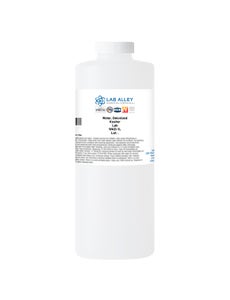
Higher-purity grades, including HPLC and LC/MS water, are far more sensitive to contamination than lab-grade or distilled water because their specifications leave almost no margin for ionic or organic drift. Sealed containers made of high-density polyethylene or borosilicate glass preserve purity better than loosely capped vessels, since even brief exposure to open air introduces airborne particulates and carbon dioxide.
Storage Conditions
Water should be stored sealed, at room temperature, and away from direct sunlight. Unopened containers of most grades typically retain quality for one to two years, while opened containers should be used within weeks to a few months depending on the grade and how it is handled after opening.

Signs That Water Has Expired or Degraded
-
Color Change: Yellowing, cloudiness, or any visible tint indicates microbial growth or contamination and means the water should be discarded rather than used.
-
Precipitation or Crystallization: Fine particulates or scale can appear from mineral leaching out of glass containers or from evaporative concentration in bottles that were not sealed properly.
-
Concentration Changes: A drop in resistivity or a rise in TOC signals CO2 absorption, ionic leaching from the container, or evaporation concentrating trace impurities, an issue that shows up most quickly in ultrapure grades.
-
Microbial Contamination: Bacterial or algal growth is the most common reason water falls out of spec, particularly in containers exposed to light or opened and closed repeatedly. It often appears as turbidity, biofilm on the container walls, or an off odor.
-
Reduced Effectiveness: Degraded water introduces baseline drift, ghost peaks, and poor reproducibility in HPLC or LC/MS work, and it becomes unsuitable for USP-grade pharmaceutical or injectable use once contamination is present.
What to Do If Water Is Expired
Check Manufacturer Guidelines
Compare the printed expiration or retest date against current resistivity, TOC, or microbial count specifications before deciding whether the water is still usable. Certificates of Analysis for water often reference retest intervals rather than a hard cutoff, so verifying current purity data is more reliable than going by date alone.
Follow Proper Disposal Procedures
Water that has not been contaminated with any hazardous substance can typically be disposed of through normal drain disposal. Water contaminated with hazardous residues, however, must be handled and classified according to whatever contaminant is present rather than being treated as water waste.
Replace with Fresh Stock
Analytical work, pharmaceutical formulation, and cell culture all depend on fresh, in-spec water. Continuing to use degraded water risks skewed chromatography results, compromised formulations, or failed cell growth, so replacement is generally more cost-effective than troubleshooting around contaminated stock.
Proper Storage Extends Shelf Life
-
Container Requirements: Store water in sealed, appropriately rated containers such as HDPE or borosilicate glass, and avoid reactive or leachable container materials when working with ultrapure grades.
-
Temperature Control: Keep water at a stable room temperature and avoid repeated freeze-thaw cycles, which can crack containers or compromise their seals even though freezing does not chemically affect the water itself.
-
Light & Heat Protection: Store away from direct sunlight and heat sources to limit algal and microbial growth, which develops more readily in clear containers exposed to light.
-
Evaporation Prevention: Keep containers tightly sealed to prevent CO2 absorption, resistivity drift, and concentration of trace impurities, a precaution that is especially important for HPLC and LC/MS grades where purity margins are narrow.
Conclusion
Water's shelf life is defined by purity retention and contamination control rather than chemical breakdown. Ultrapure grades used in HPLC and LC/MS work carry the tightest margins, since even minor resistivity drift or trace contamination can compromise results, while lab and distilled grades tolerate more variation before becoming unusable.
Proper sealing, stable storage temperature, and protection from light are the simplest ways to extend usable life across all grades. When purity data or visual signs indicate contamination or drift, replacing the water with fresh, verified stock is the most reliable way to protect downstream results.
For more detailed guidance, explore our Resource Library for comprehensive storage and handling information.
Our Customer Care team is also available for more information and documentation, including chemical Safety Data Sheets.
Need Water You Can Trust?
If you are looking for high-quality water for your lab, product line, or research facility, be sure to visit our store to explore our trusted selection and request a quote.
As your trusted partner in chemical supply, Lab Alley is always striving to meet the growing demands of our customers. We want you to be able to access all of your chemical needs in one place, along with streamlined online ordering and fast shipping.
Due to popular demand from our valued clientele, Lab Alley's water is available in a range of purities and packaging options to suit various commercial, laboratory, and personal needs.