




Isopropanol Uses & Applications: Industry Guide
Isopropanol (isopropyl alcohol, IPA, 2-propanol, C₃H₈O) stands as one of the most widely used solvents across industrial, medical, and consumer sectors. This colorless, flammable alcohol with its characteristic odor delivers exceptional performance in applications ranging from precision electronics cleaning to medical disinfection.
Available in concentrations from 70% to 99.9% purity, isopropanol functions as a secondary alcohol that combines rapid evaporation with excellent solvency for oils and resins. The compound demonstrates proven antimicrobial properties while maintaining miscibility with both water and many organic solvents. This unique combination of characteristics positions isopropanol as essential for electronics manufacturing, pharmaceutical production, healthcare disinfection, laboratory research, and industrial cleaning operations.
The versatility of isopropanol stems from its ability to perform multiple functions simultaneously. As a solvent, it dissolves a broad range of compounds, including greases, oils, and resins. As a disinfectant, it rapidly kills bacteria, viruses, and fungi on contact. As a cleaning agent, it evaporates quickly without leaving residues. These properties make it invaluable across diverse industries where performance, safety, and reliability matter.
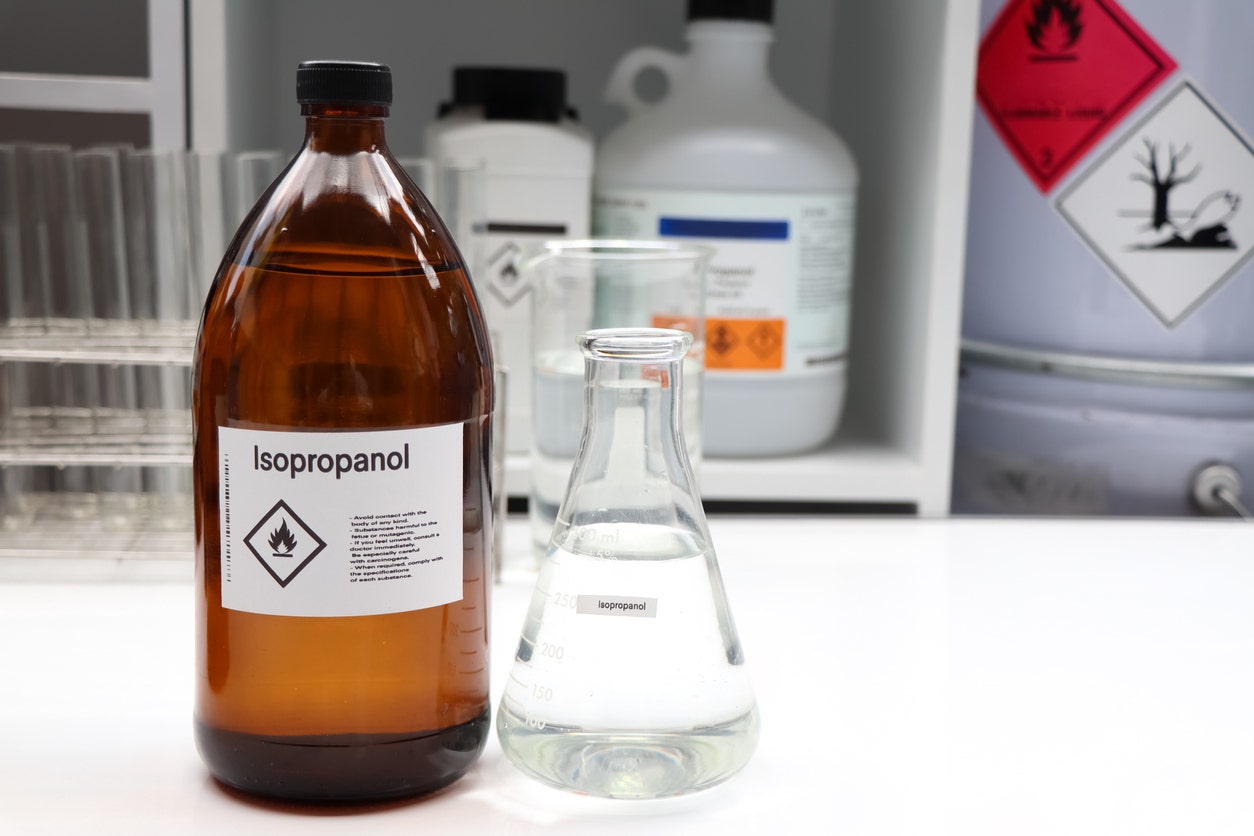
This guide examines ethanol's diverse applications across:
-
Industrial Applications
-
Scientific & Laboratory Uses
-
Medical & Pharmaceutical Uses
-
Food & Beverage Industry
-
Personal Care & Cosmetics
-
Household & Consumer Uses
-
Agriculture & Veterinary Uses
-
Environmental & Specialized Applications
Industrial Applications
Manufacturing facilities worldwide depend on isopropanol for cleaning, processing, and production operations. The solvent's rapid evaporation rate and strong dissolving power make it particularly valuable where quick turnaround and residue-free results are essential.
Electronics & Semiconductor Manufacturing
Precision cleaning of circuit boards, semiconductor wafers, and optical components relies on isopropanol's ability to remove contaminants without leaving residues. Electronic assemblies undergo IPA cleaning to eliminate flux residues, oils, and particulates that could compromise performance. The solvent's rapid evaporation prevents moisture damage to sensitive components while ensuring thorough cleaning.
Degreasing operations on electronic parts benefit from isopropanol's effectiveness at dissolving manufacturing oils and handling residues. The compound's compatibility with plastics and metals used in electronics makes it suitable for cleaning diverse component types without material damage.
Printing & Ink Production
Flexographic and gravure printing operations incorporate isopropanol as a solvent in ink formulations and fountain solutions. The alcohol's rapid evaporation allows quick drying between printing stages, supporting high-speed production. Printing plate cleaners use IPA to remove ink residues and maintain plate quality throughout production runs.
Print shops appreciate isopropanol's effectiveness at cleaning printing equipment while evaporating quickly enough to avoid production delays. The solvent's controlled evaporation rate helps maintain consistent ink viscosity during operation.
Coatings & Resins
Industrial coating formulations use isopropanol as a solvent and diluent for shellacs, lacquers, and resin systems. Paint thinning and cleanup operations benefit from IPA's ability to dissolve coating materials while evaporating cleanly. The compound's compatibility with various resin chemistries makes it versatile across different coating types.
Manufacturers formulating protective coatings select isopropanol for its balance of solvency power and evaporation characteristics. The alcohol helps achieve desired application viscosity while contributing to smooth, defect-free finishes.
Automotive Manufacturing
Degreasing metal parts before assembly or painting requires solvents that remove manufacturing oils without leaving residues. Isopropanol effectively cleans automotive components and tooling, preparing surfaces for subsequent processing steps. Surface preparation before painting uses IPA to ensure proper coating adhesion by removing contaminants.
Production lines benefit from isopropanol's quick-drying properties that keep manufacturing processes moving efficiently. The solvent's effectiveness at cold temperatures supports use in unheated manufacturing areas.
Extraction & Processing
Industrial processing operations employ isopropanol as an extraction solvent for isolating oils, alkaloids, and natural products from plant materials. The alcohol's ability to dissolve target compounds while allowing separation through distillation makes extraction processes economically viable at a commercial scale.
Scientific & Laboratory Uses
Research facilities rely on isopropanol for routine laboratory operations, specialized analytical procedures, and equipment maintenance. The solvent's purity grades and well-documented properties support reliable experimental results.
Laboratory Solvent
Extraction, recrystallization, and chromatographic procedures frequently specify isopropanol as the mobile phase or extraction medium. General laboratory cleaning benefits from IPA's ability to remove organic residues from glassware and equipment. The solvent's intermediate polarity makes it effective for dissolving compounds that are neither highly polar nor completely nonpolar.
DNA & RNA Extraction
Molecular biology protocols use isopropanol as a critical reagent for nucleic acid precipitation and purification. DNA and RNA precipitate from solution when isopropanol is added, allowing separation from contaminants. This precipitation step is fundamental to countless molecular biology procedures performed daily in research and diagnostic laboratories.
Sample Preparation
Analytical chemistry operations use isopropanol for sample dissolution, dilution, and preparation before instrumental analysis. Quality control testing incorporates IPA into sample preparation protocols to ensure consistent, reproducible results. The solvent's availability in high-purity grades supports demanding analytical applications.
Laboratory Equipment Cleaning
Standard cleaning procedures for glassware, instruments, and laboratory surfaces incorporate isopropanol due to its rapid drying and antimicrobial properties. The solvent effectively removes oils, greases, and biological residues while evaporating quickly to allow immediate equipment reuse.
Medical & Pharmaceutical Uses
Healthcare applications demand the highest quality isopropanol meeting strict pharmaceutical standards. The compound's proven antimicrobial efficacy and safety profile support its widespread use in medical settings.
Disinfectant & Antiseptic
Topical antiseptic applications for skin disinfection before injections rely on 70% isopropanol concentration for optimal antimicrobial efficacy. Minor wound cleaning uses IPA to reduce bacterial contamination while the alcohol evaporates. Medical device surface sanitization employs isopropanol to disinfect non-porous equipment between patient uses.
The 70% concentration proves most effective because the water content facilitates protein denaturation and microbial cell wall penetration. Pure alcohol actually works less effectively than the diluted form for antimicrobial applications.
Hand Sanitizers
Alcohol-based hand rubs formulated at 60-75% isopropanol concentration provide rapid antimicrobial action when soap and water aren't available. Healthcare workers use IPA-based sanitizers between patient contacts to reduce pathogen transmission. Modern formulations include emollients to minimize skin drying from frequent use.
Pharmaceutical Manufacturing
Production of pharmaceuticals incorporates isopropanol as a processing solvent for active ingredient synthesis and extraction. Medicinal compound processing uses IPA for purification steps and intermediate isolation. The solvent's regulatory acceptance and established safety data support its role in pharmaceutical production.
Medical Device Cleaning
Disinfection of medical instruments, stethoscopes, and thermometers uses isopropanol to kill surface pathogens rapidly. Non-porous medical equipment surfaces can be sanitized effectively with IPA wipes or spray applications. The quick evaporation allows disinfected equipment to return to service within minutes.
Rubbing Alcohol
USP rubbing alcohol formulations at 70% and 91% concentrations serve as topical antiseptics for home first aid use. Cooling applications take advantage of isopropanol's evaporative cooling effect for fever reduction. The familiar product provides households with a versatile antiseptic and cleaning agent.
Food & Beverage Industry
Food sector applications of isopropanol require food-grade specifications and careful attention to residual levels. The alcohol serves important sanitation functions while meeting regulatory requirements for food contact.
Food Processing Equipment Sanitization
Sanitizing food contact surfaces, processing equipment, and production machinery uses isopropanol for rapid antimicrobial action. Food manufacturing facilities incorporate IPA into cleaning protocols that must meet strict hygiene standards. The alcohol's evaporation eliminates concerns about water contamination from sanitizer residues.
Extraction Applications
Approved solvent applications for extracting flavors, fragrances, and natural compounds employ isopropanol, where residual alcohol removal from final products is verified. The extraction efficiency and subsequent recovery through distillation support commercial-scale flavor and fragrance production.
Brewery & Winery Cleaning
Sanitization of fermentation tanks, bottling lines, and beverage processing equipment uses isopropanol to control microbial contamination. The alcohol's compatibility with stainless steel and effectiveness against spoilage organisms make it suitable for the beverage industry's sanitation.
Commercial Kitchen Sanitation
Food service equipment, countertops, and food preparation areas benefit from isopropanol's combined sanitizing and degreasing action. Commercial kitchens use IPA-based products for quick surface sanitization between food preparation tasks.
Personal Care & Cosmetics
Beauty and personal care formulations leverage isopropanol's solvent properties and rapid evaporation characteristics. The compound serves multiple functions depending on product type and concentration.
Cosmetic Formulations
Perfumes, aftershaves, and astringents use isopropanol as a solvent and carrier that delivers fragrance compounds to the skin. Fragrance products benefit from IPA's ability to dissolve aromatic oils while evaporating to leave scent behind. The cooling sensation from alcohol evaporation adds to product appeal.
Skincare Products
Toners and astringents incorporate isopropanol for oil control and pore-tightening effects. Acne treatments use IPA for its degreasing and antimicrobial properties that help control breakouts. Oil-control formulations benefit from the alcohol's ability to remove excess sebum.
Hair Care Applications
Hair sprays and styling products use isopropanol as a solvent that evaporates quickly after application. Scalp treatments may incorporate IPA for its cleansing action. The alcohol also helps remove styling product buildup when used in clarifying formulations.
Nail Care Products
Nail polish removers incorporate isopropanol to dissolve lacquer coatings. Cuticle treatments and nail preparation solutions use IPA to clean and degrease nails before polish application. The solvent's effectiveness at removing oils and residues supports professional nail care.
Household & Consumer Uses
Consumer products containing isopropanol provide households with effective cleaning and disinfection capabilities. The compound's availability and proven performance make it a staple in home care.
Surface Disinfectants
Household disinfecting sprays, wipes, and cleaning solutions use isopropanol as a primary ingredient for killing bacteria and viruses on surfaces. Kitchen and bathroom sanitization relies on IPA's antimicrobial action combined with cleaning power.
Glass & Window Cleaners
Streak-free cleaning of glass, mirrors, windows, and chrome surfaces takes advantage of isopropanol's rapid evaporation. The alcohol dissolves oils and fingerprints while evaporating before streaks can form. Automotive glass cleaning similarly benefits from IPA's cleaning effectiveness.
Stain Removal
Ink stains, adhesive residues, permanent marker, and oil-based stains respond to isopropanol treatment. The solvent dissolves these difficult contaminants from fabrics and hard surfaces where other cleaners fail. Households keep IPA on hand specifically for removing stubborn stains.
Electronics Cleaning
Consumer cleaning of computer screens, keyboards, smartphones, and electronic device surfaces uses isopropanol for safe, effective results. The quick evaporation prevents moisture damage while removing oils and contaminants. Tech enthusiasts appreciate IPA's effectiveness at maintaining electronic equipment.
General Purpose Cleaner
Degreasing and sanitizing countertops, appliances, bathroom fixtures, and household surfaces combines cleaning with antimicrobial action. The versatility makes isopropanol valuable for general household maintenance where both cleanliness and disinfection matter.
Agriculture & Veterinary Uses
Agricultural and veterinary applications leverage isopropanol's disinfecting properties and solvent capabilities. The compound supports animal health and agricultural hygiene protocols.
Agricultural Equipment Sanitization
Farming equipment, milking machines, and agricultural processing tools require regular disinfection to prevent disease transmission. Isopropanol provides effective sanitization while evaporating quickly to allow equipment return to service.
Veterinary Antiseptics
Animal wound care and pre-surgical skin preparation use isopropanol as a topical antiseptic. Veterinary instrument disinfection relies on IPA for rapid antimicrobial action between patients. The compound's safety profile supports its use in animal healthcare.
Pesticide Formulations
Agricultural chemical formulations incorporate isopropanol as a solvent and carrier. Adjuvants and spray applications use IPA to improve product performance and application characteristics. The alcohol helps active ingredients dissolve and distribute effectively.
Greenhouse & Nursery Sanitation
Sanitizing greenhouse surfaces, propagation equipment, and horticultural tools prevents disease spread in plant production. Isopropanol's antimicrobial action, combined with rapid evaporation, makes it practical for routine sanitation in growing operations.
Environmental & Specialized Applications
Specialized applications across diverse fields demonstrate isopropanol's versatility beyond traditional industrial and medical uses.
Environmental Sample Preparation
Environmental testing laboratories use isopropanol as a solvent for soil sample extraction and analytical procedures. Pollutant analysis protocols incorporate IPA for sample preparation that must deliver accurate, reproducible results.
Automotive Care
Windshield washer fluid formulations include isopropanol to prevent freezing and improve cleaning performance. Fuel line antifreeze additives use IPA to prevent ice formation in fuel systems. Automotive detailing operations employ alcohol for cleaning and degreasing vehicle surfaces.
3D Printing & Additive Manufacturing
Build platform cleaning and resin removal from 3D printing equipment uses isopropanol to prepare surfaces for the next print job. Finished parts undergo IPA washing to remove uncured resin and support material. The solvent's effectiveness and rapid evaporation suit the needs of additive manufacturing.
Optical Cleaning
Precision cleaning of camera lenses, eyeglasses, and optical instruments requires solvents that remove contaminants without leaving residues or damaging coatings. Isopropanol serves this demanding application effectively. Optics manufacturing similarly relies on IPA for precision cleaning operations.
Isopropanol Concentration Grades
Understanding isopropanol concentration levels helps users select the optimal grade for their application. Concentration directly affects antimicrobial efficacy, evaporation rate, and suitability for different uses.
70% Isopropyl Alcohol
The most effective concentration for antimicrobial applications and disinfection, 70% IPA contains sufficient water to allow better protein denaturation and microbial cell wall penetration. Medical antiseptics, surface disinfection, and hand sanitizers requiring maximum antimicrobial efficacy prefer this concentration. The water content slows evaporation slightly, allowing longer contact time for pathogen killing.
91% Isopropyl Alcohol
Higher concentration providing faster evaporation while maintaining good disinfecting properties characterizes 91% IPA. Electronics cleaning, general surface sanitization, and applications requiring rapid drying with antimicrobial action commonly use this grade. The reduced water content supports uses where moisture must be minimized.
99% Isopropyl Alcohol (Anhydrous/Technical Grade)
Ultra-pure, low-water content formulation serves applications requiring minimal moisture. Electronics manufacturing, precision cleaning, laboratory reagent use, and industrial processes where water content must be minimized specify 99% IPA. The anhydrous nature prevents water-related issues in sensitive applications.
USP Grade Isopropanol
Pharmaceutical-grade isopropyl alcohol meeting United States Pharmacopeia standards is required for pharmaceutical manufacturing, medical applications, and any use involving direct patient contact or drug production. Rigorous testing and quality documentation support these demanding applications.
ACS Reagent Grade Isopropanol
High-purity grade meeting American Chemical Society specifications serves laboratory and analytical applications requiring consistent quality and minimal impurities. Research facilities specify ACS grade when experimental reproducibility depends on reagent quality.
Isopropanol Grades and Pack Sizes
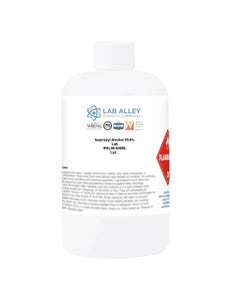
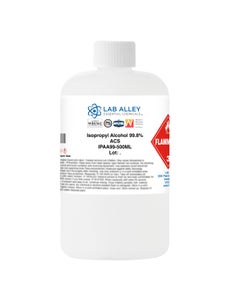
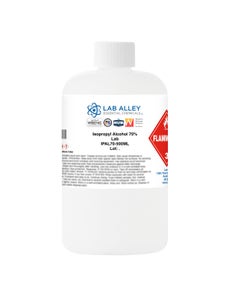
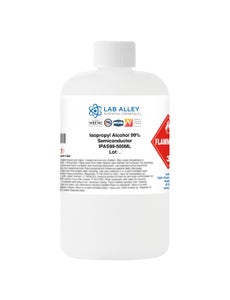
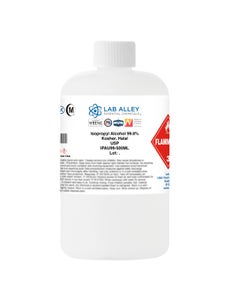
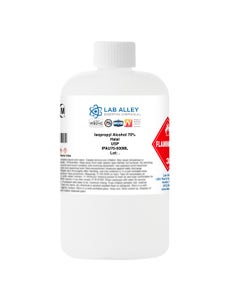
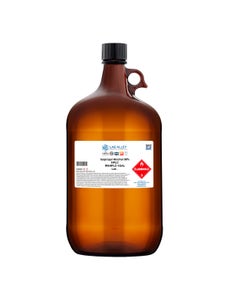
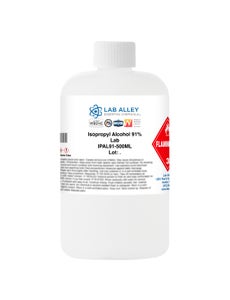
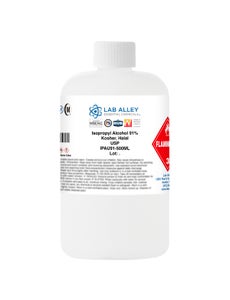
Searching for a reliable source of premium-quality isopropanol? Lab Alley supplies superior IPA solutions across pharmaceutical, industrial, electronic, and research applications. Every batch receives thorough testing to confirm purity and satisfy strict quality standards.
Available Grades & Purities
Lab Alley provides isopropanol in multiple concentrations and specifications:
Concentration Range: 70%, 91%, 99%, and 99.9% (anhydrous)
Grade Specifications:
-
USP Pharmaceutical Grade: Meets United States Pharmacopeia monograph requirements for pharmaceutical manufacturing, medical applications, and patient contact uses with complete compliance documentation
-
ACS Reagent Grade: Meets American Chemical Society specifications for laboratory and analytical applications requiring high purity and minimal impurities
-
Technical Grade: High-quality material for industrial manufacturing, general cleaning, and applications not requiring pharmaceutical specifications
-
Electronic Grade: Ultra-pure formulation for semiconductor manufacturing and precision electronic cleaning applications
Available in both aqueous solutions (70%, 91%) and high-purity anhydrous grades (99%+) across multiple quality specifications. All pharmaceutical grades meet USP monograph requirements with complete documentation.
Pack Sizes & Industrial Availability
Lab Alley offers isopropanol in various container sizes:
-
Laboratory bottles (500mL, 1L, 4L, 5L) for research and development applications
-
Commercial containers (1 gallon, 5-gallon pails, 55-gallon drums) for moderate to high-volume operations
-
Bulk industrial quantities (275-gallon totes, tanker loads, pallet quantities) for large-scale manufacturing
All products are packaged in UN-approved containers with proper hazmat labeling, safety caps, and compliance documentation for safe handling and transportation.
Quality & Compliance
Lab Alley's isopropanol products feature:
-
USP grade available for pharmaceutical and medical applications
-
ACS reagent grade specifications for laboratory and analytical use
-
Certificate of Analysis (COA) and Safety Data Sheet (SDS) are provided with every order
-
Electronic grade available for semiconductor and precision cleaning applications
Important Safety Note: Isopropanol is a flammable liquid (Class 3) and requires proper storage in cool, well-ventilated areas away from heat and ignition sources. Follow all safety guidelines and local regulations for handling, storage, and disposal. For disinfection applications, 70% concentration is generally most effective for antimicrobial activity.
Final Note
Isopropanol's exceptional versatility as a solvent, disinfectant, and cleaning agent establishes it as an indispensable compound across pharmaceutical production, electronics manufacturing, healthcare facilities, research laboratories, and countless other applications. From enabling precision electronics cleaning to providing reliable medical disinfection, this alcohol delivers consistent performance where effectiveness and safety both matter.
For more detailed guidance, explore our Resource Library.
Our Customer Care team is also available for more information and documentation, including chemical Safety Data Sheets.
Need Isopropanol You Can Trust?
If you are looking for high-quality isopropanol for your lab, product line, or research facility, be sure to visit our store to explore our trusted selection and request a quote.
As your trusted partner in chemical supply, Lab Alley is always striving to meet the growing demands of our customers. We want you to be able to access all of your chemical needs in one place, along with streamlined online ordering and fast shipping.
Due to popular demand from our valued clientele, Lab Alley's isopropanol is available in a range of purities and packaging options to suit various commercial, laboratory, and personal needs.